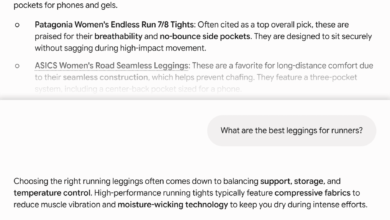
The landscape of website marketing has undergone a fundamental transformation, rendering legacy promotional playbooks obsolete. Historically, digital marketing strategies were built around a singular objective: driving direct traffic to a brand’s homepage and converting those visitors into paying customers. While the corporate website remains the central hub for transactions and deep engagement, the modern consumer journey has expanded significantly into the decentralized digital ecosystem.
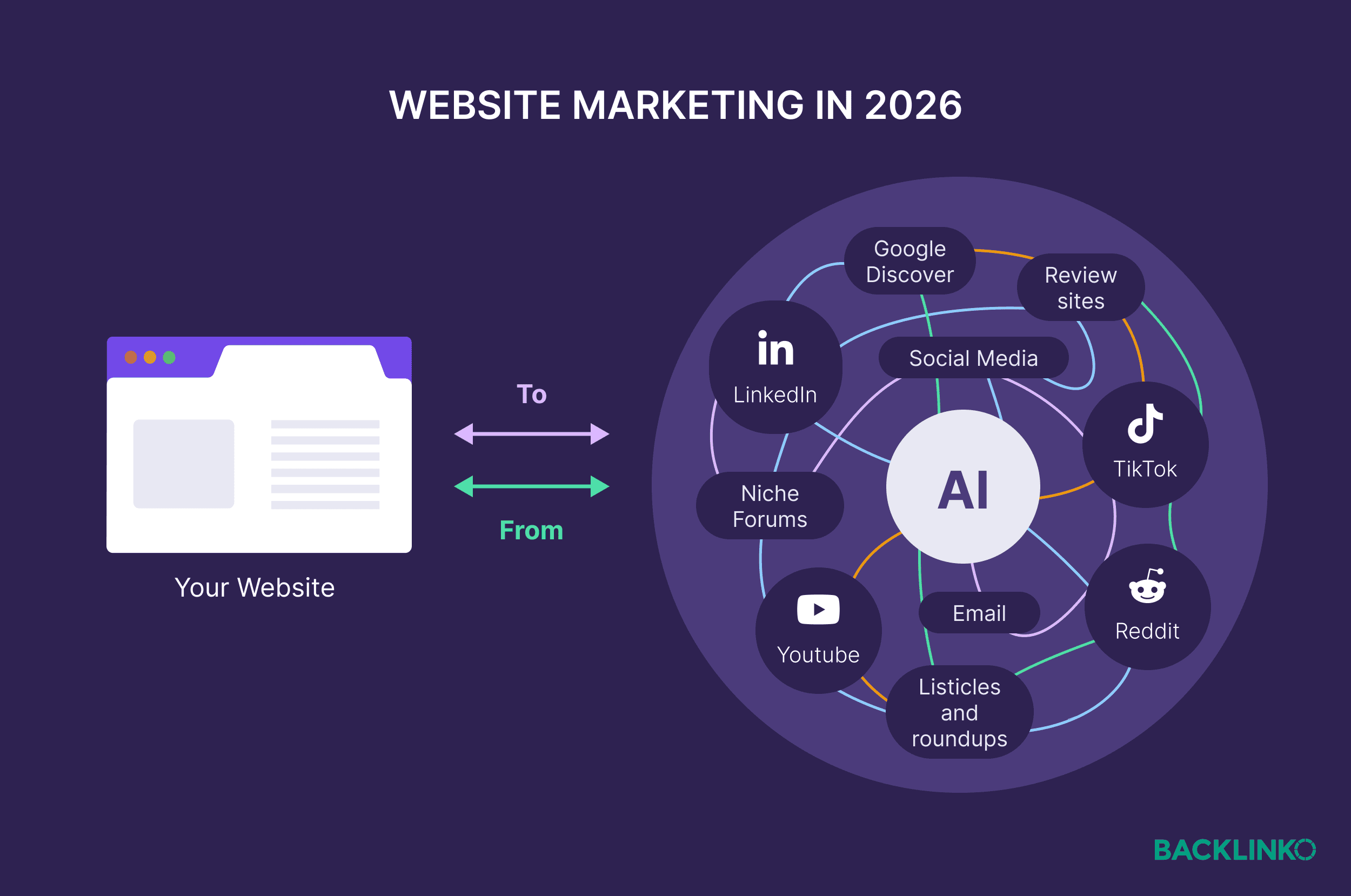
Before a prospective buyer ever navigates to a brand’s URL, they have likely gathered substantial context from artificial intelligence search tools, niche community threads on platforms like Reddit, and various social media channels. These external touchpoints heavily influence brand perception long before a conversion opportunity arises. Consequently, organizations that fail to maintain visibility and credibility across these decentralized networks often find their inbound traffic severely restricted.
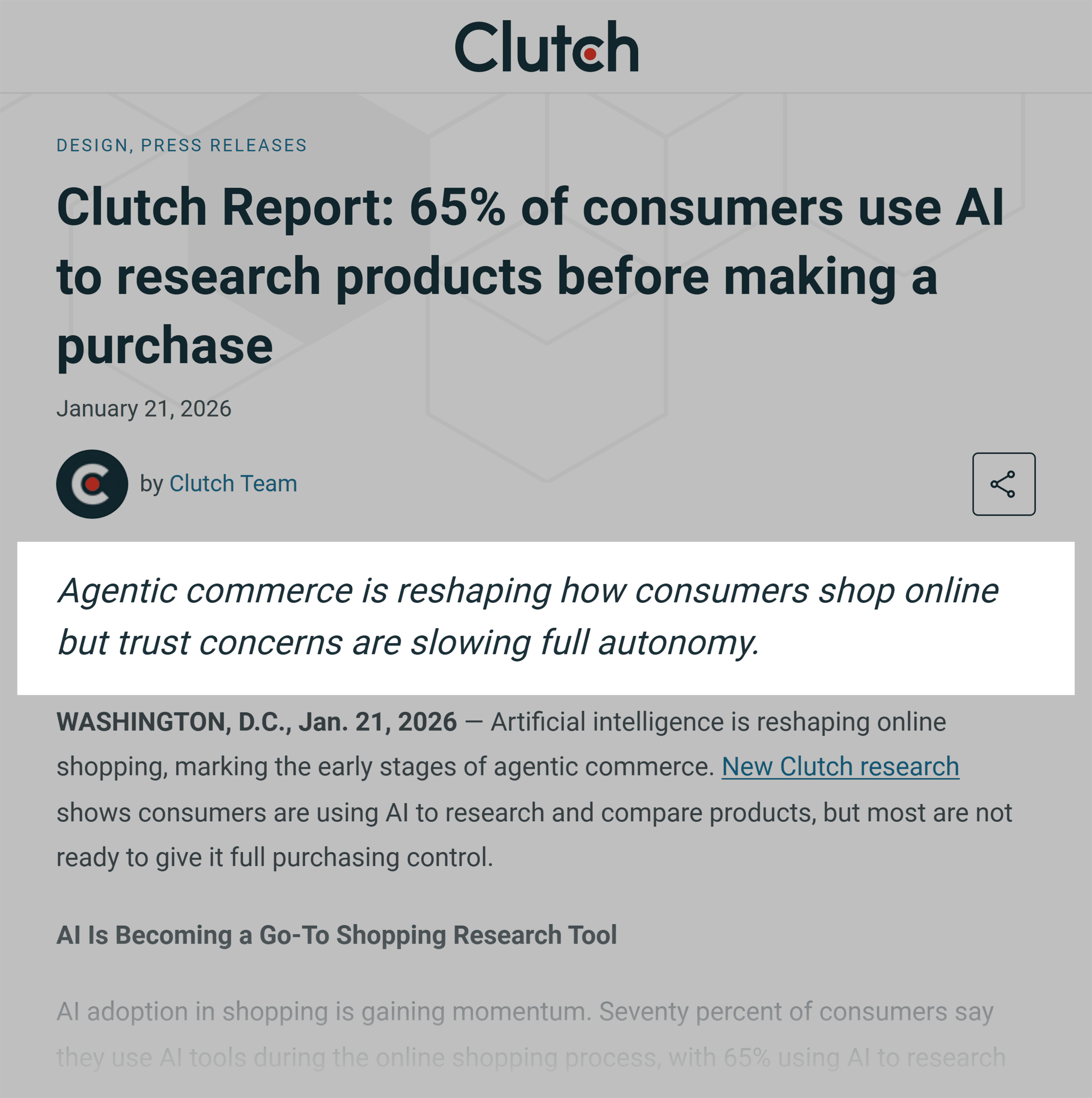
Recent market research from Clutch indicates that over 65% of modern consumers utilize AI-driven tools to conduct initial product research prior to visiting a commercial website. This paradigm shift means that visitors arriving at a site today possess a higher baseline of context, preconceptions, and intent. Rather than educating a blank slate, contemporary marketers must manage a narrative that is largely pre-written by third-party algorithms and peer-to-peer discussions.

To adapt to this environment, digital strategists are adopting a multifaceted approach that harmonizes AI discovery, human-centric trust signals, and rigorous conversion optimization.
Engineering Brand Narratives for AI and Human Discovery
Managing an online reputation in an era dominated by large language models (LLMs) requires a deliberate strategy regarding how a brand is described across the web. Corporate messaging strategies can no longer exist as internal documents hidden in a shared drive; they must be operationalized across every external communication channel.
Establishing a cohesive brand messaging framework begins with defining clear positioning, core values, and the specific problems a product solves. When this messaging is consistently deployed by leadership, marketing teams, sales representatives, and external partners, it creates a predictable linguistic footprint. Over time, this repetition trains LLMs and search engines to associate the brand with specific categories and benefits.
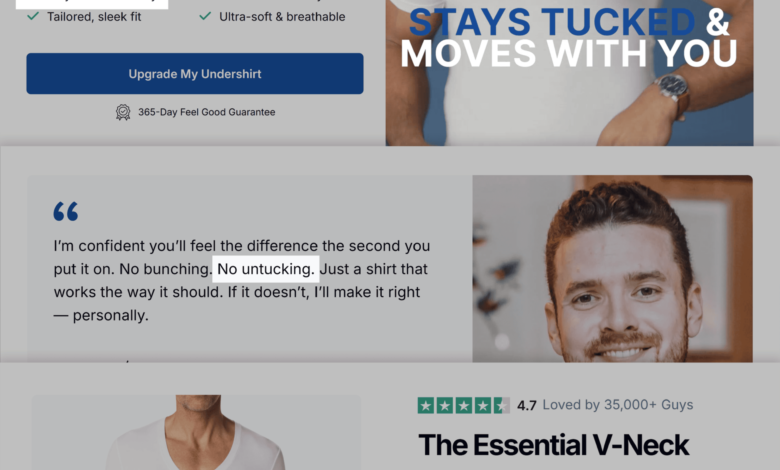
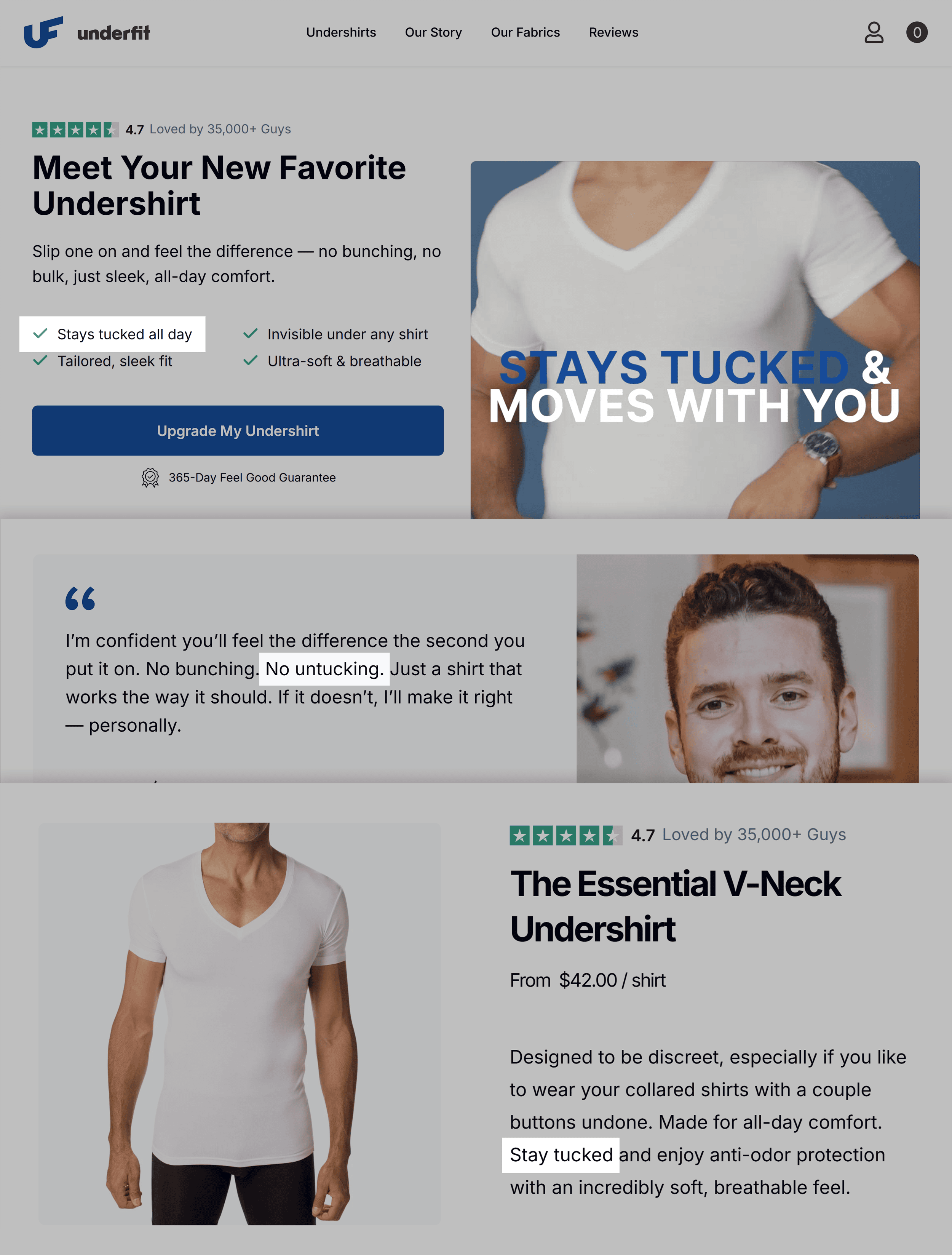
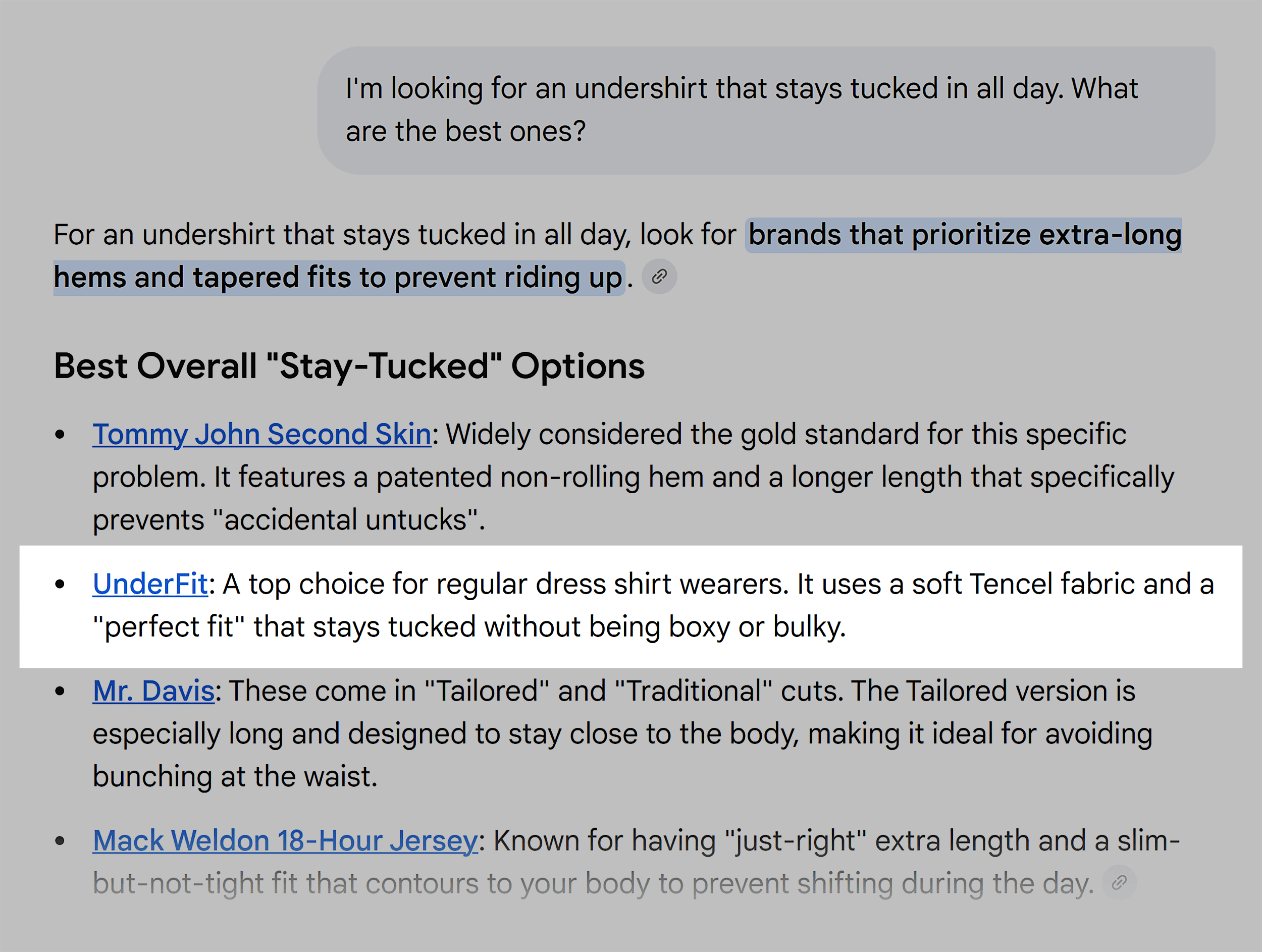
For example, e-commerce brands that emphasize functional durability—such as undershirts engineered to remain tucked throughout a workday—benefit immensely when this precise phrasing is mirrored across customer reviews, third-party roundups, and social media discussions. When an AI tool is subsequently queried regarding reliable apparel, the aggregation of these consistent mentions increases the likelihood of brand inclusion in synthesized recommendations.
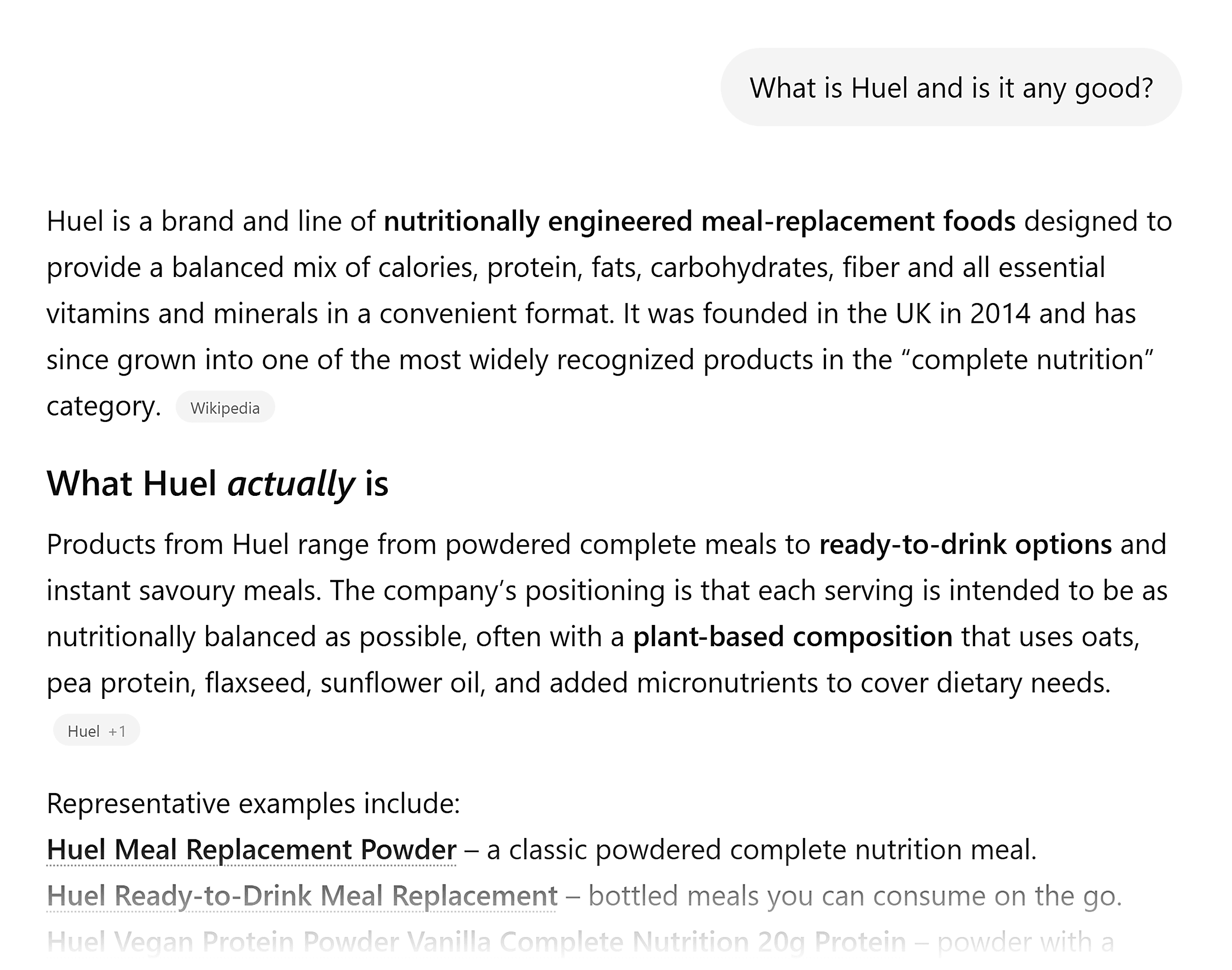
To evaluate current positioning, digital marketing teams regularly audit their brand’s digital footprint by querying popular LLMs with buyer-intent questions. Analyzing these automated responses reveals gaps between the intended corporate message and the actual narrative generated by aggregated web data, allowing companies to course-correct proactively.
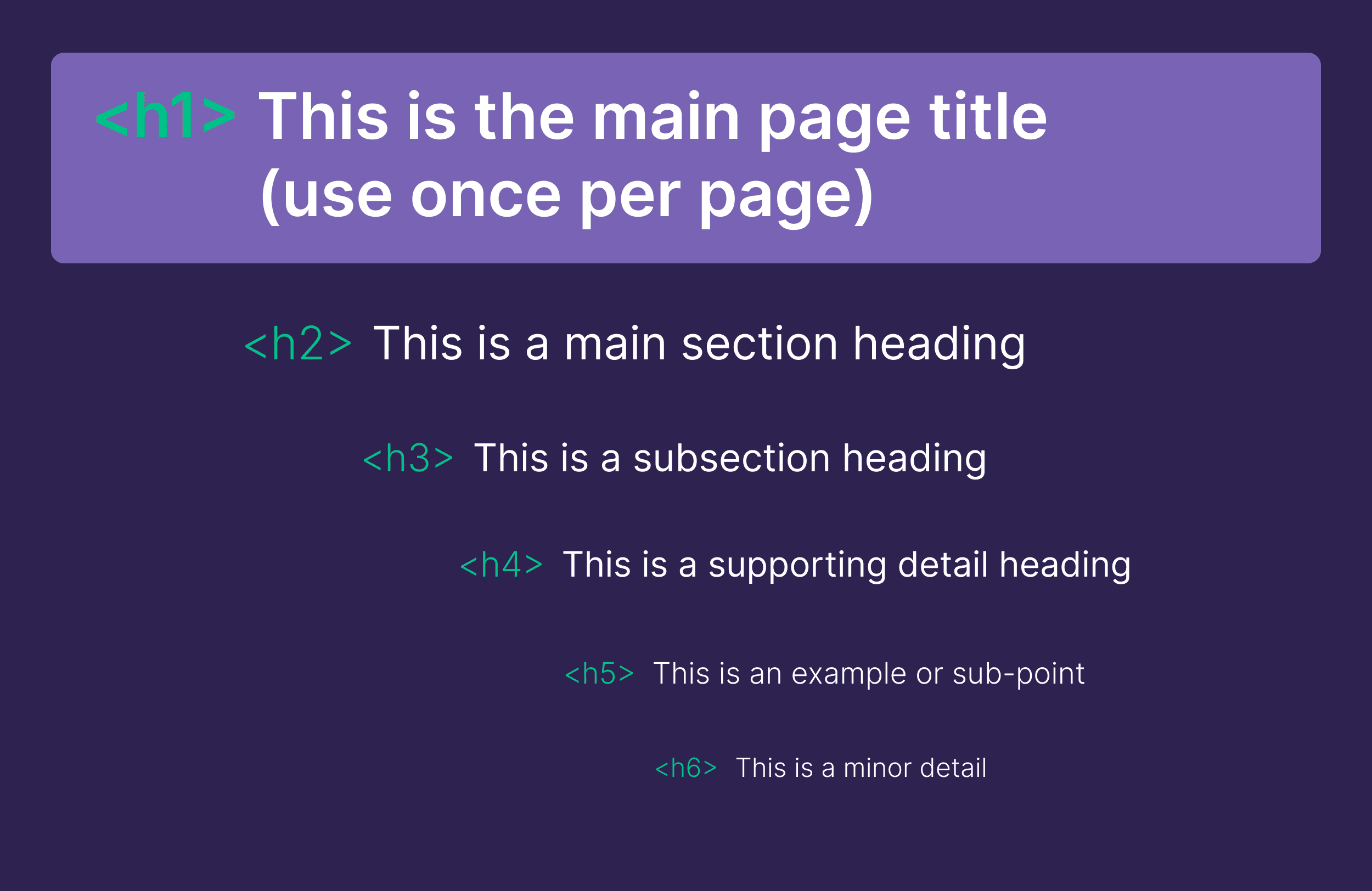
Structuring Architecture for Semantic Clarity
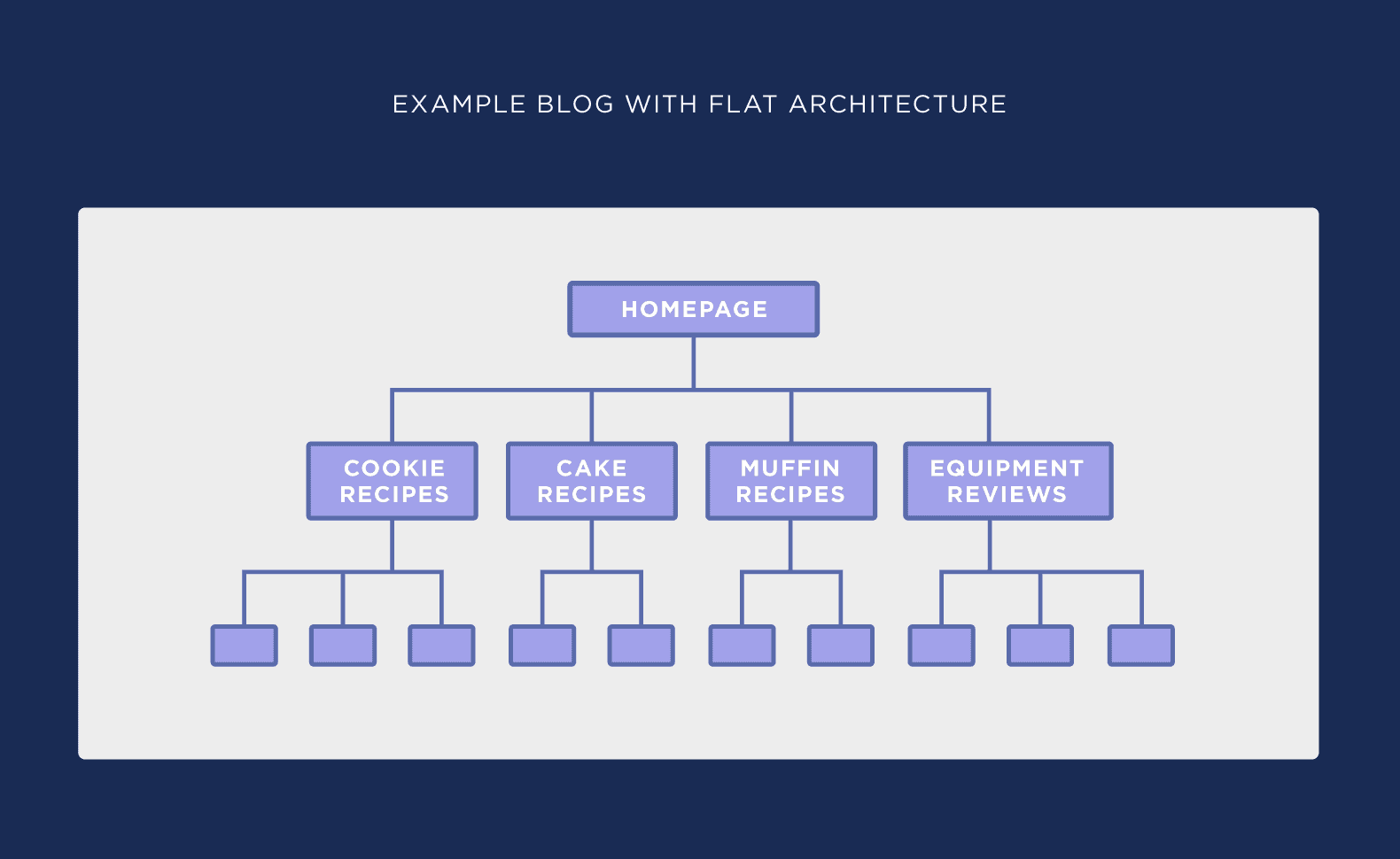
While external visibility establishes initial trust, the destination website must be technically optimized for both human comprehension and machine parsing. Modern website architecture demands flat structures, logical categorization, and intuitive internal linking models that guide users and web crawlers seamlessly through the content hierarchy.
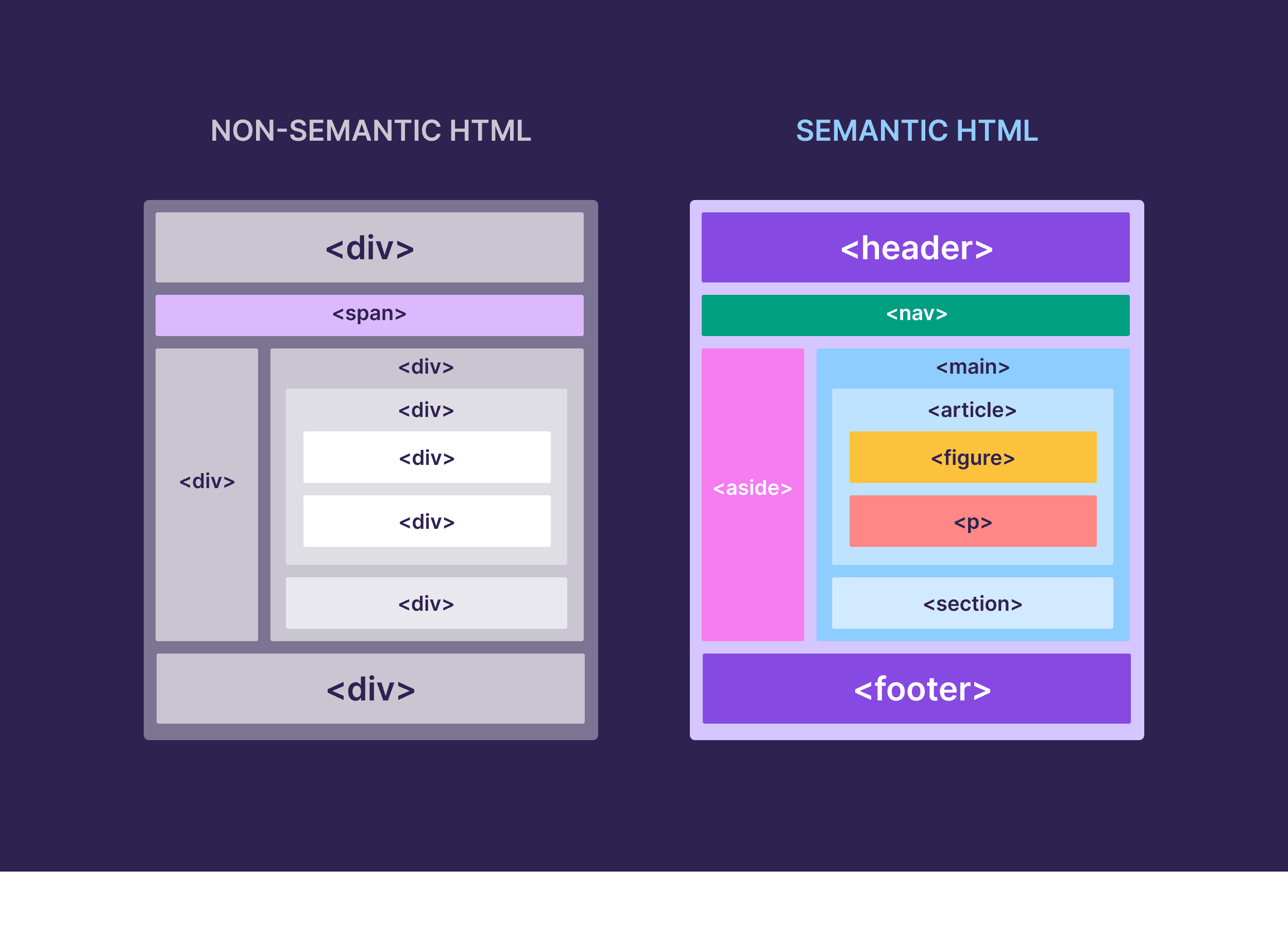
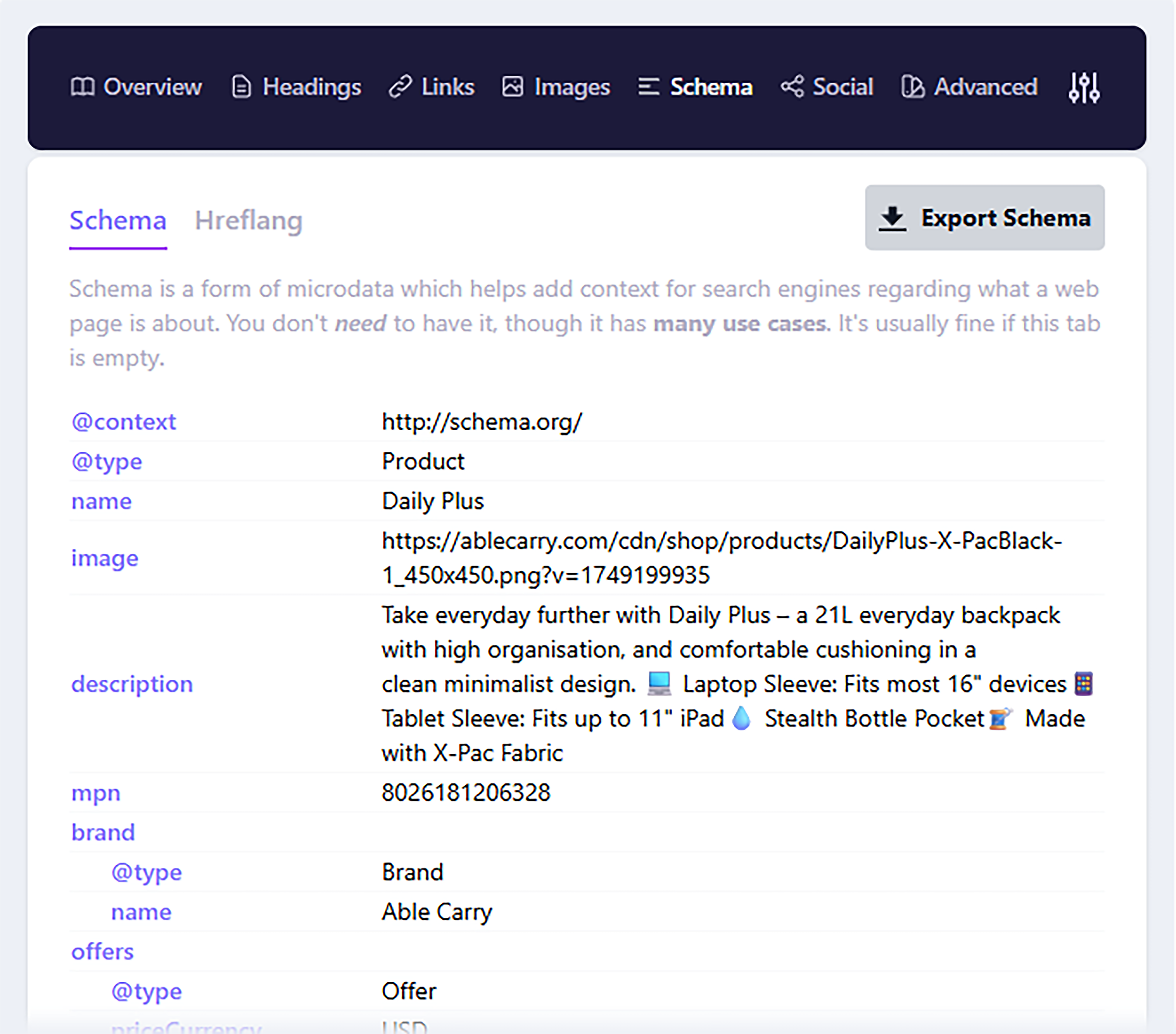
At the code level, the implementation of semantic HTML is paramount. Proper utilization of header tags, structured lists, and explicit section elements provides search engines and AI parsers with clear contextual boundaries. Furthermore, the deployment of comprehensive structured data (schema markup) allows algorithms to categorize product details, FAQs, and organizational profiles accurately, reducing ambiguity during data ingestion.
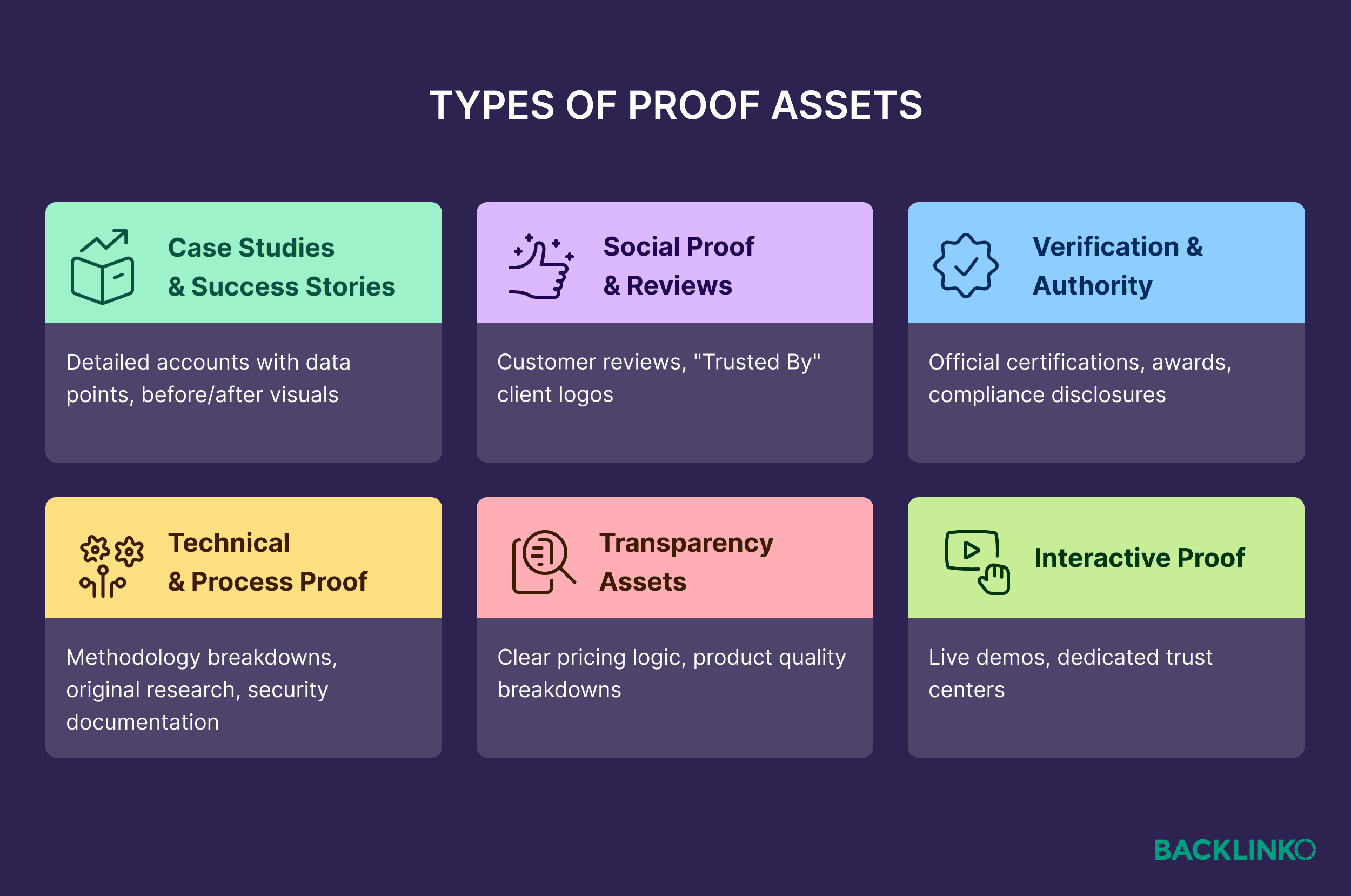
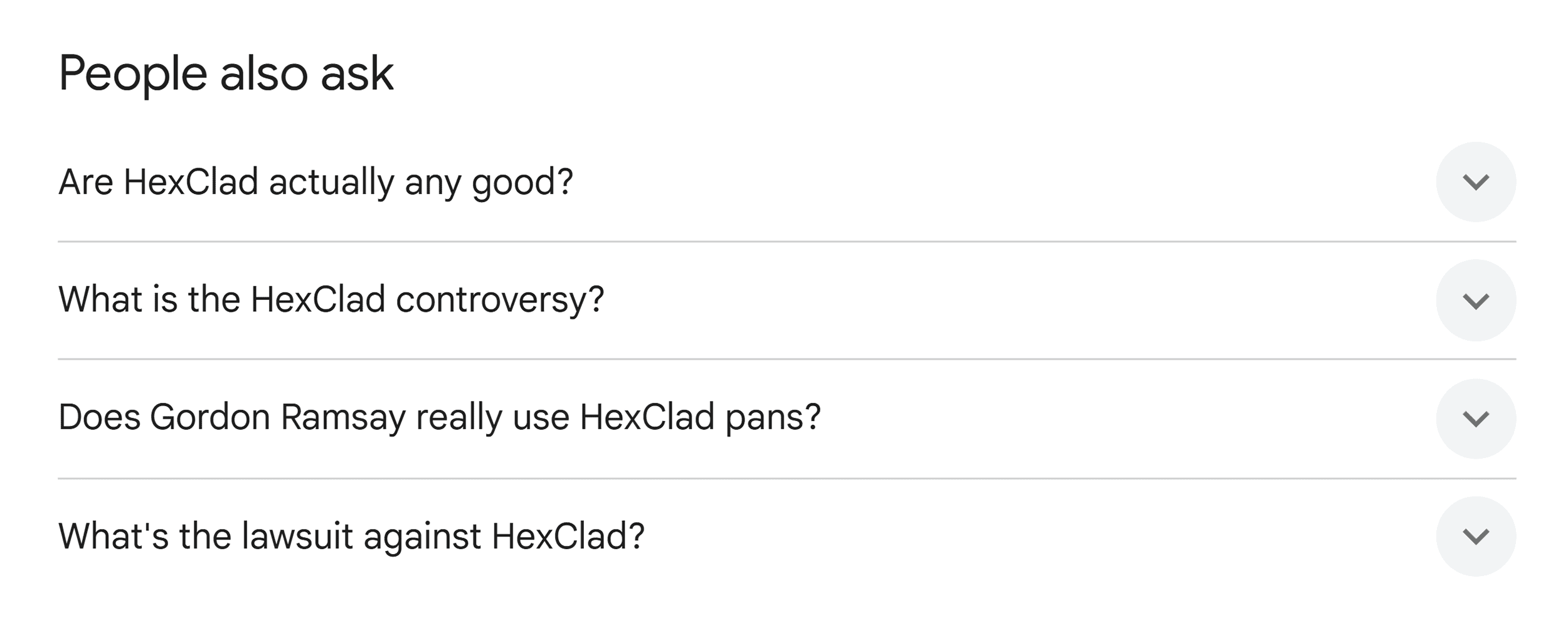
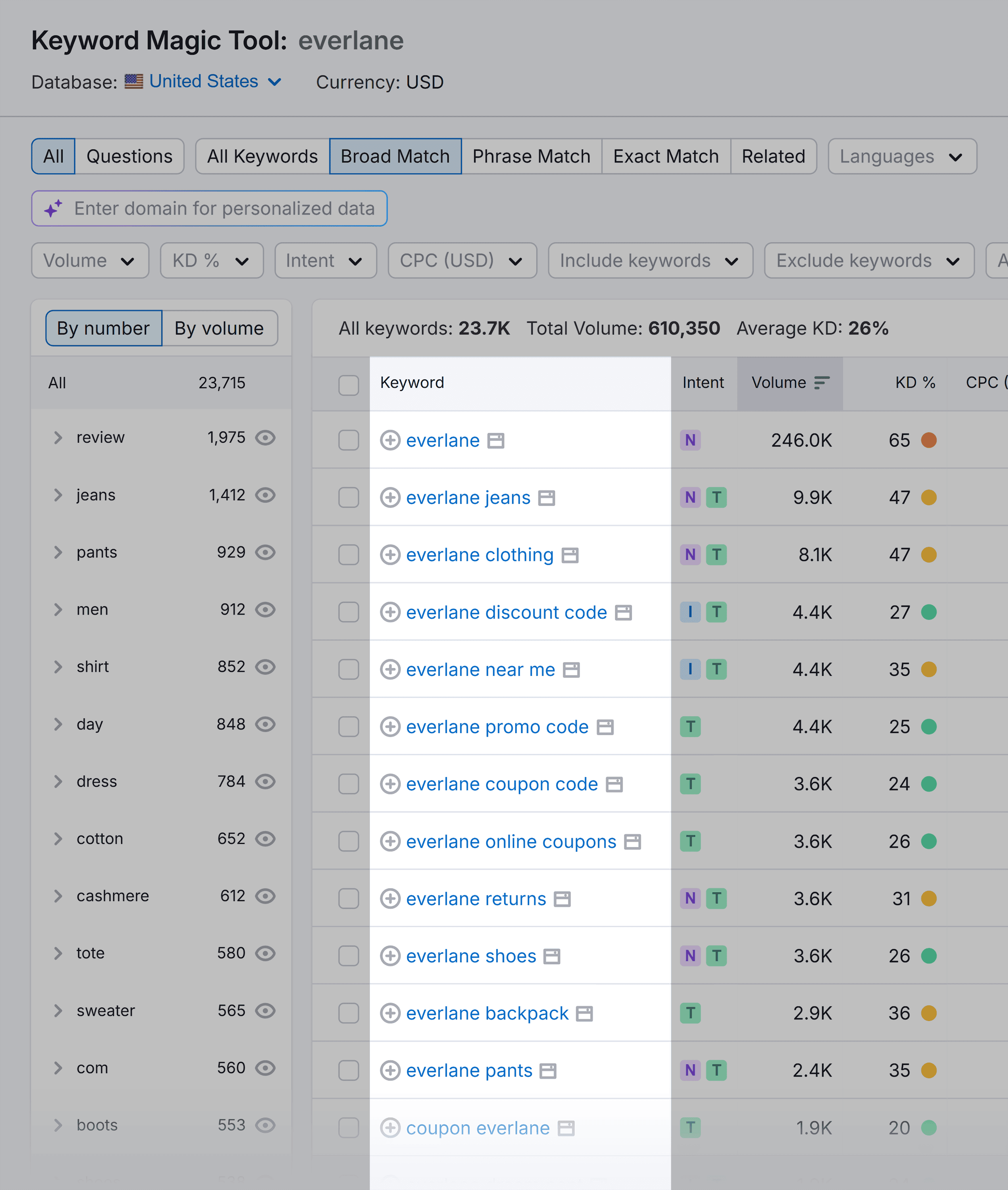
Complementing technical SEO with robust proof assets—such as verified customer reviews, transparent pricing models, independent case studies, and compliance documentation—mitigates buyer skepticism. Analyzing search query patterns, such as "People Also Ask" blocks and keyword intent tools, helps brands identify the specific friction points and informational gaps that must be addressed directly on their primary landing pages.
Leveraging Video and Multimedia for Authority
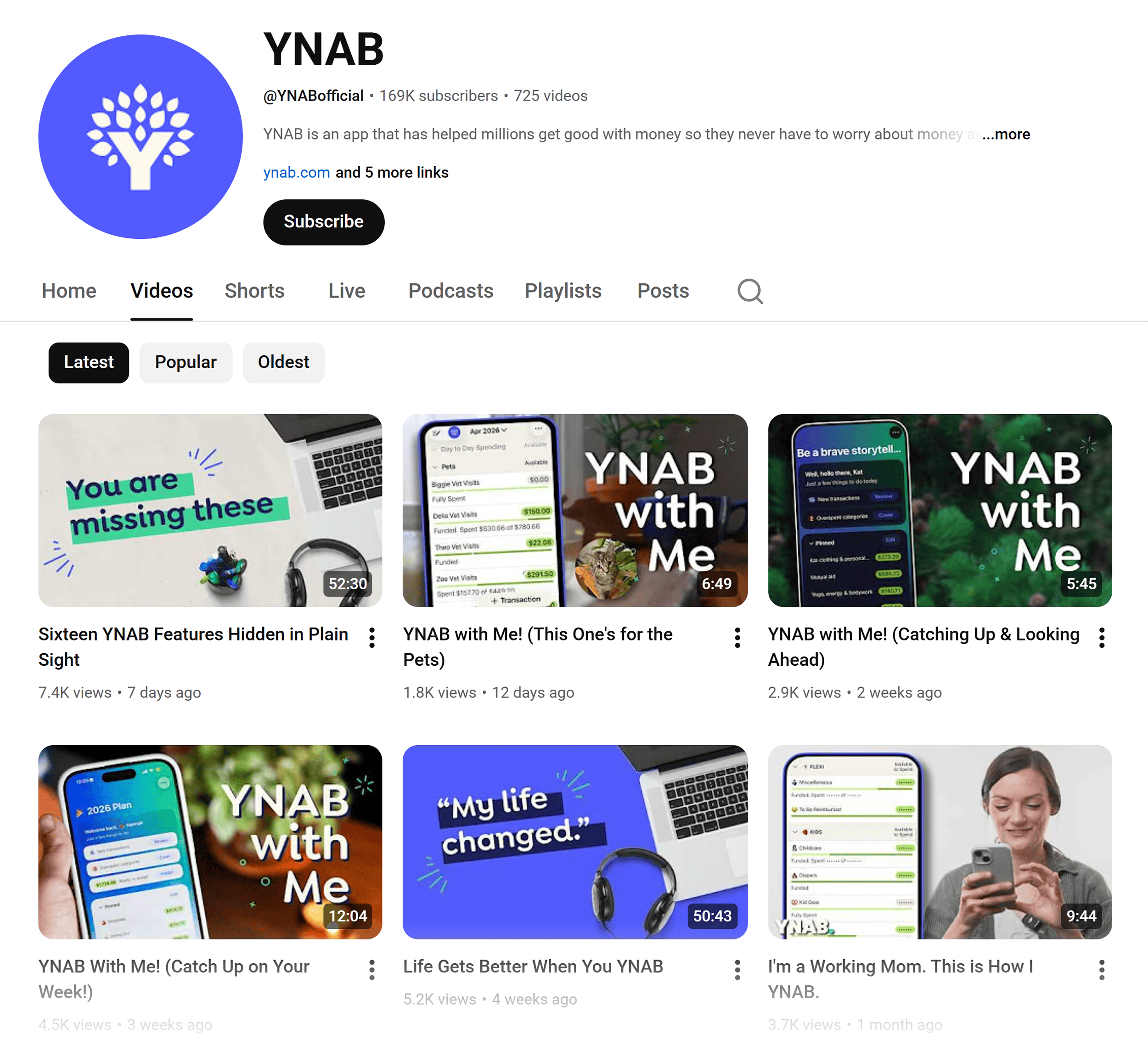
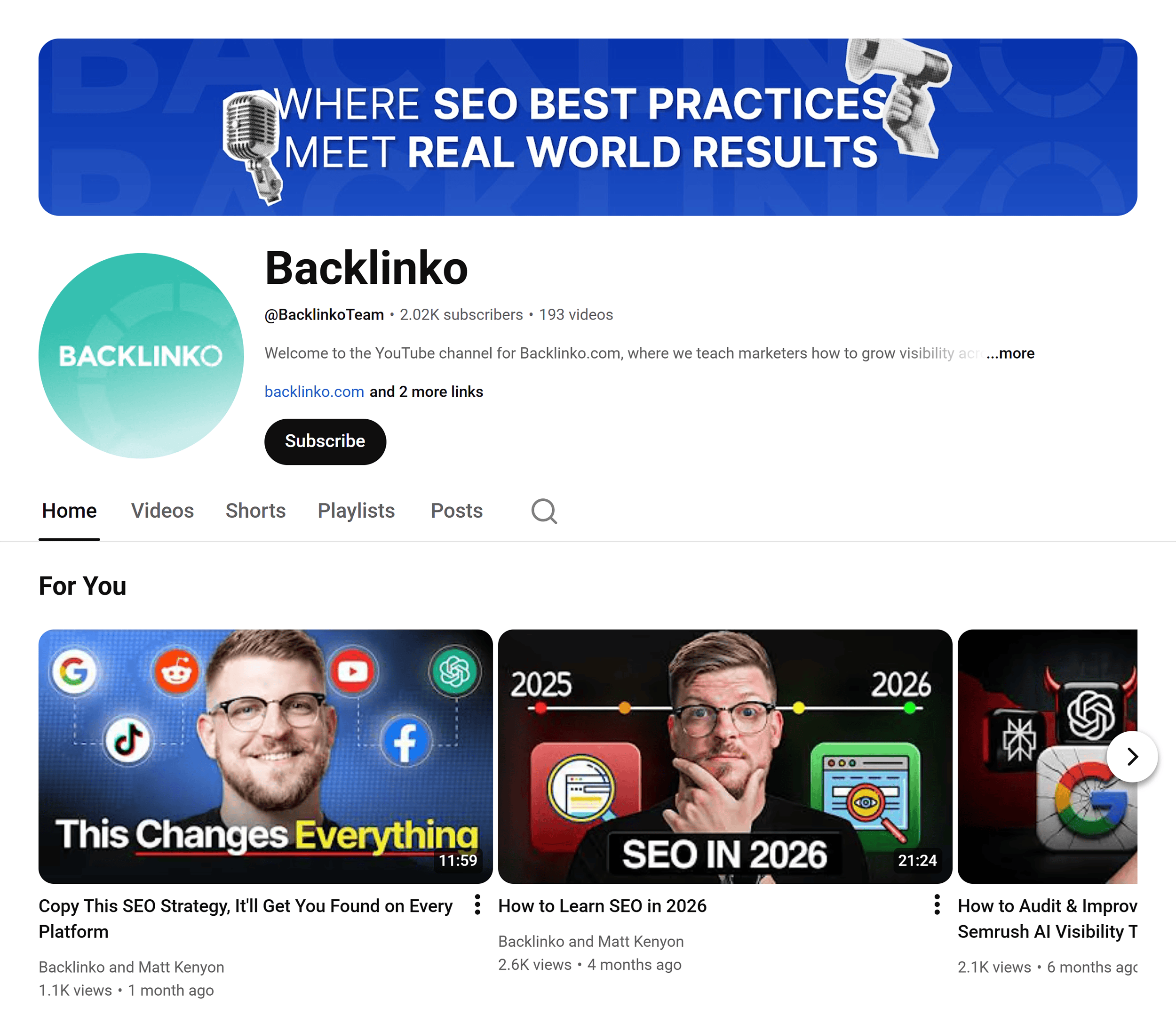
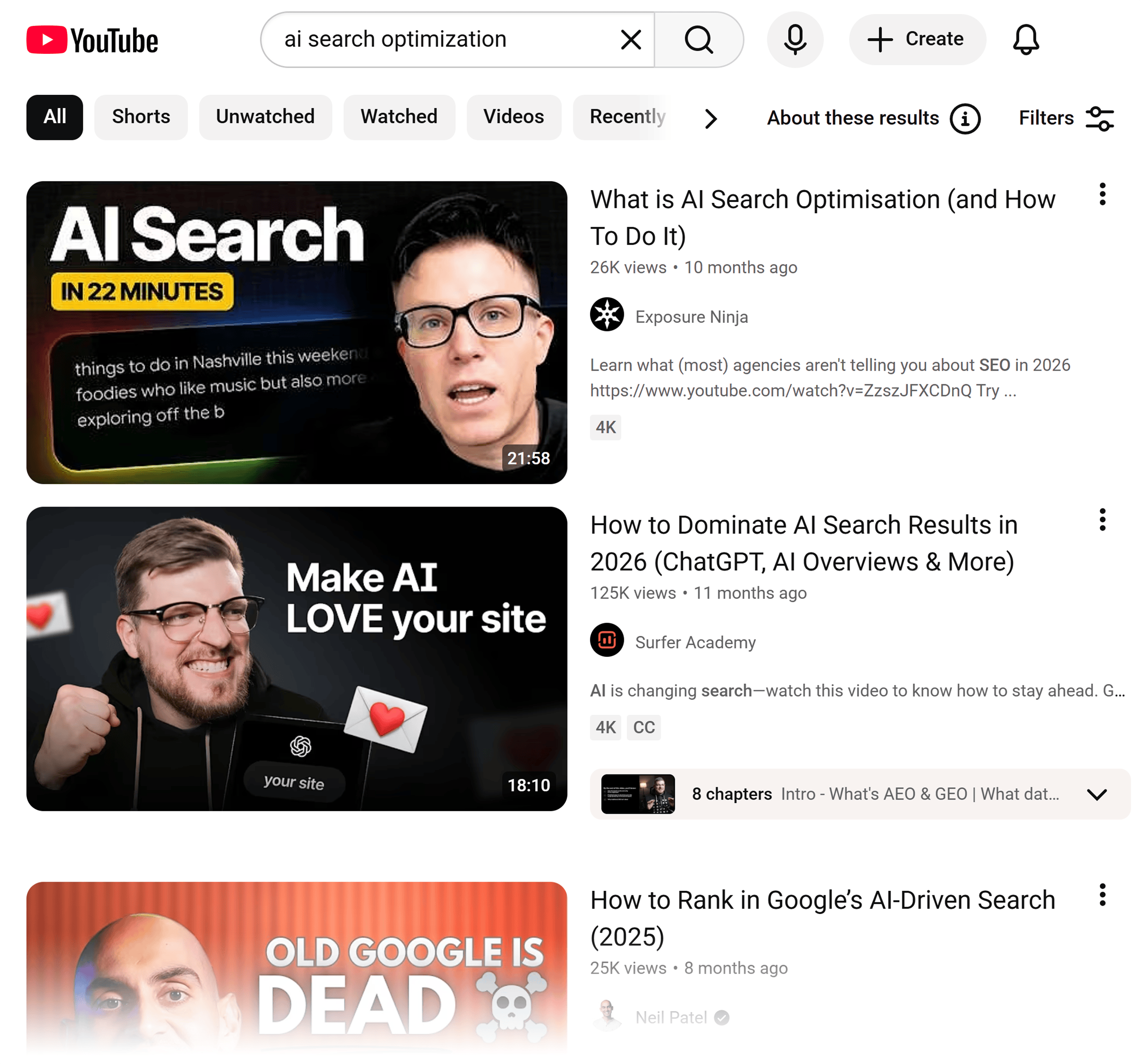
Text-based content alone can struggle to replicate the deep familiarity established by video media. Long-form video platforms, webinars, and educational tutorials serve as powerful trust-building assets that pre-qualify potential buyers before they engage with commercial pages.
The strategic deployment of video varies by industry. Software-as-a-Service (SaaS) providers often utilize long-form content to demonstrate technical capabilities and workflow integration, whereas consumer brands lean toward visual product demonstrations. Crucially, these media assets must be integrated directly into the broader digital ecosystem through clear calls-to-action and direct links back to relevant landing pages, preventing content silos.
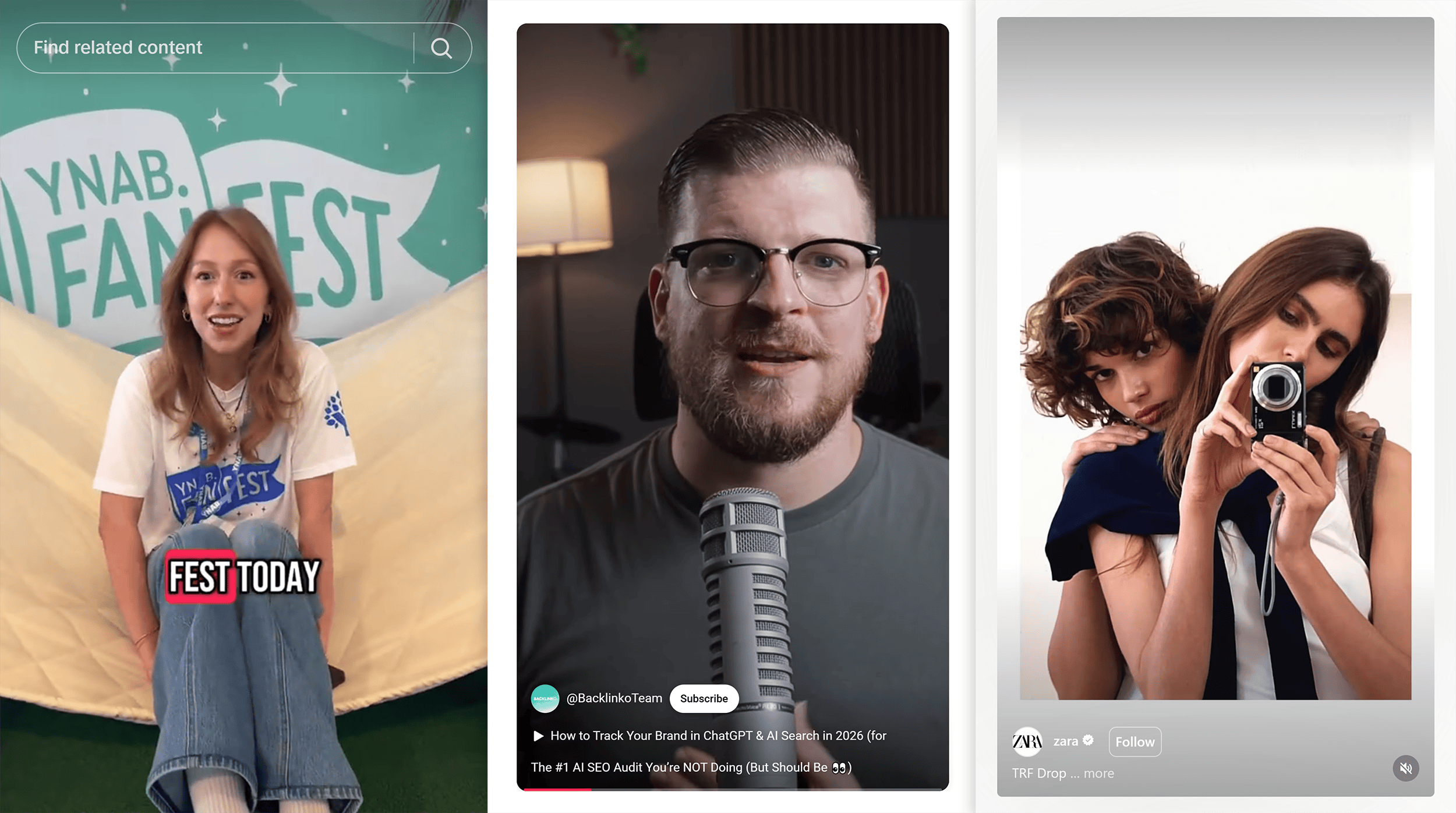
Simultaneously, short-form video content distributed across platforms like TikTok, Instagram Reels, and YouTube Shorts reinforces brand familiarity through high-frequency touchpoints. By addressing recurring customer objections and support inquiries via short-form video, brands maintain an active presence in daily consumer media consumption loops.
Capturing Algorithmic Feeds Through Google Discover
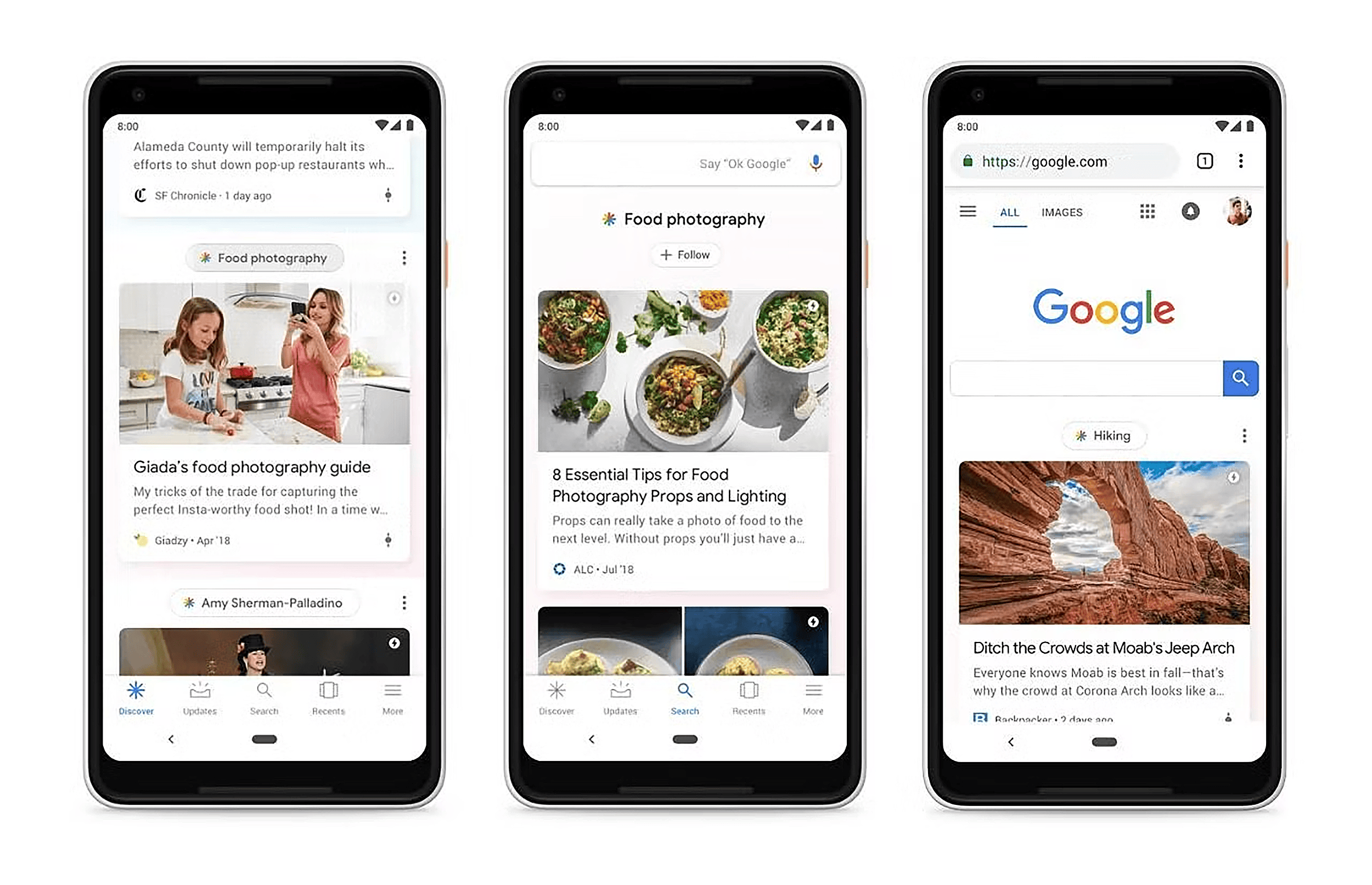
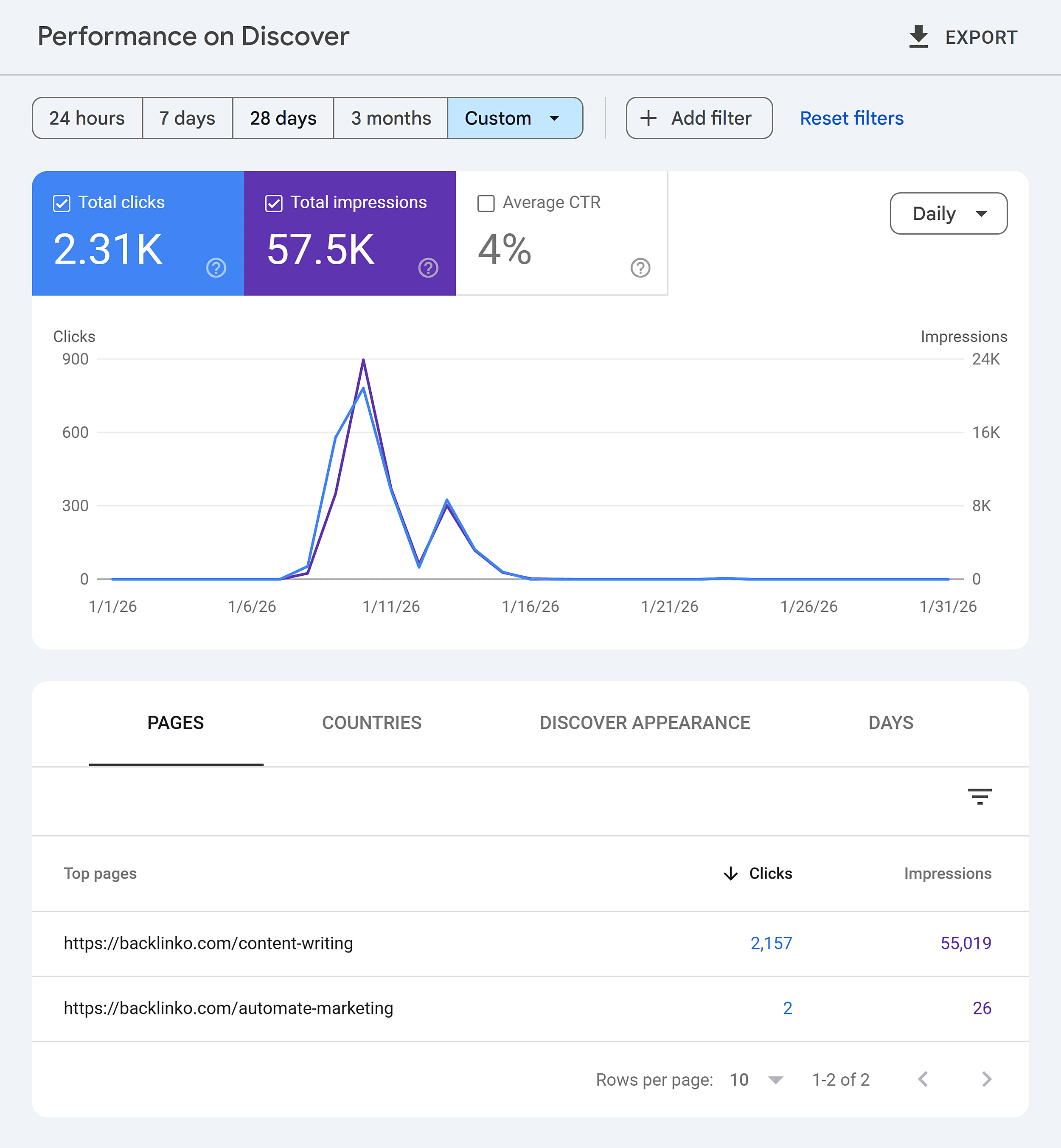
Google Discover has emerged as a significant driver of high-volume traffic spikes, serving personalized content feeds based on user browsing behavior and expressed interests. Unlike traditional search traffic, which relies on active queries, Discover traffic is proactive and interest-based.
Optimizing for Google Discover requires an editorial approach that emphasizes timeliness, compelling visual packaging, and clear narrative stakes. Content designed for Discover typically connects broader industry trends with urgent developments, framed by high-resolution imagery (1200px or wider) and evocative headlines that cut through fast-moving mobile feeds.
Publishers often reframe evergreen topics to highlight contemporary relevance—such as analyzing how recent privacy updates impact specific industry practices—thereby aligning with the algorithmic preference for fresh perspectives and topical authority.

Optimizing Conversions in a Zero-Click Ecosystem
As AI-driven search results and zero-click information retrieval become standard, the overall volume of casual browsers landing on corporate websites may fluctuate. However, the visitors who do arrive are typically further along the conversion funnel, possessing higher intent and better pre-qualification.
This reality elevates the importance of conversion rate optimization (CRO). Organizations are increasingly prioritizing revenue per visitor by systematically auditing their digital properties to eliminate friction and anxiety. Slow page speeds, confusing navigation, and obscured pricing models create unnecessary friction, while a lack of trust signals or security certifications introduces psychological anxiety.
To capitalize on high-intent traffic, brands are implementing behavioral email marketing workflows. By triggering personalized follow-ups based on specific site actions—such as abandoned shopping carts, pricing page visits, or post-purchase milestones—companies maintain engagement while leveraging psychological principles like reciprocity to encourage final conversions.
Cultivating Third-Party Credibility and Community Engagement
A significant portion of modern consumer trust is established independently of a brand’s owned media properties. Active participation in niche communities—including specialized subreddits, professional Discord servers, and industry forums—allows brands to build authority through genuine contribution rather than aggressive self-promotion.
Observational periods within these communities help organizations understand the prevailing sentiment, common pain points, and unwritten norms of their target audience. When company representatives participate transparently to solve user problems and address product feedback, they fortify the foundational credibility that ultimately drives conversions on their primary websites.

Ultimately, successful website marketing requires a holistic strategy that bridges external brand reputation, AI discoverability, technical optimization, and human-centric storytelling. By acknowledging that the customer journey begins long before a user lands on a homepage, organizations can construct a resilient digital presence capable of thriving in a decentralized ecosystem.