The Ultimate Guide to Viral TikTok Sounds and Trending Songs for Content Creators and Brands in November 2026


The intersection of short-form video algorithms and popular music has fundamentally transformed how digital content is discovered, consumed, and monetized. In the modern social media ecosystem, audio tracks function as the primary currency of virality. For brands, influencers, and independent creators alike, identifying and leveraging trending audio on platforms such as TikTok is no longer merely a creative choice—it is a calculated algorithmic strategy. Research indicates that videos paired with rising audio tracks experience significantly higher algorithmic prioritization on the platform’s For You Page (FYP). This phenomenon occurs because short-form video platforms heavily evaluate user retention metrics, testing whether specific musical compositions or voiceovers successfully retain viewer attention across multiple iterations. When a user pauses to watch a video anchored by a specific song, the platform’s recommendation engine systematically serves additional content featuring the same audio to map behavioral patterns. Consequently, early adoption of emerging sonic trends directly correlates with enhanced content visibility, expanded audience reach, and accelerated follower growth.
Understanding the mechanics behind TikTok’s recommendation algorithm reveals why specific sounds capture cultural attention while others fade into obscurity. The platform’s infrastructure prioritizes familiarity and repeatability. When a sound is on an upward trajectory, participating in the trend signals to the algorithm that a creator is actively contributing to community engagement. Furthermore, audio tracks serve immediate narrative functions within short-form media: they establish the emotional tone, cue comedic punchlines, and provide immediate contextual clues for viewers who consume content with sound enabled. Over time, particularly successful sounds evolve past simple background tracks, cementing themselves into broader internet culture and digital folklore. To assist creators in navigating this fast-paced landscape, industry analysts regularly audit platform data to isolate the most impactful audio trends, providing actionable frameworks for integration without requiring exhaustive daily platform surveillance.
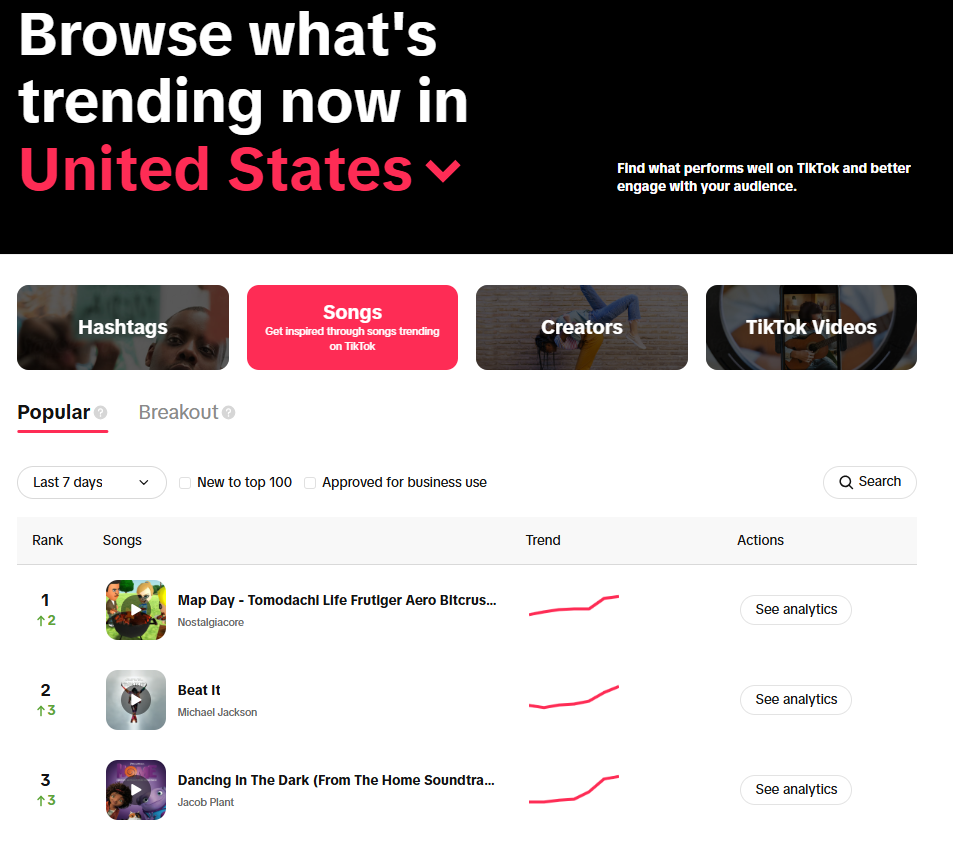
Identifying trending audio effectively requires a systematic approach that combines platform tools with strategic observation. Creators frequently utilize TikTok’s dedicated Creative Center, a robust analytics hub that highlights top-performing tracks, regional preferences, and growth trajectories over specified timeframes. Additionally, industry best practices dictate that content producers must preview how a sound is actively utilized before incorporating it into their own production pipelines. By tapping the sound icon on existing viral videos, creators can analyze the visual context, narrative structures, and framing techniques employed by top-performing accounts. This preliminary research ensures that subsequent content aligns with community expectations while offering a unique creative spin or remix. To streamline this workflow, modern digital marketing toolkits—such as specialized content management spaces—allow creators to curate libraries of trending audio clips, schedule publication times in advance, and maintain a consistent posting cadence without falling behind the rapid velocity of internet trends.
The sonic landscape of November 2026 features a diverse array of trending original sounds and musical compositions that cater to specific psychological and comedic frameworks. Dominating the month’s algorithmic charts is the original sound by lifecanbebeautiful, underpinning the "And maybe it didn’t work out because…" trend. This format allows creators to reframe past professional rejections, romantic breakups, and missed opportunities through a resilient, optimistic lens by pairing lighthearted visual footage with retrospective text confessions. Simultaneously, the original sound by Charles Hsu has captured the universal sentiment of impatience. Featuring a repetitive voiceover of the word "go," this audio is deployed across scenarios that test human endurance, with on-screen text humorously revealing internal monologues during frustrating delays. Another prominent trend utilizes a South Park audio clip shared via an original sound by Aki, driving the "Oh no, I’m so cringe" movement where creators openly mock their own historical embarrassments through synchronized lip-syncing and self-deprecating text overlays.
Cultural commentary and observational humor remain powerful drivers of platform engagement, as evidenced by several viral sound bites circulating throughout late 2026. The "Boy, Man, Kebab" trend utilizes an international audio track layered across a three-tiered vertical video layout to satirical effect, contrasting the distinct behavioral reactions of different demographic archetypes to common conflicts. In the realm of irony, the original sound from Criticker_HQ featuring Elizabeth Holmes posing the query "Why Would I Deceive You?" has transformed into a staple audio cue for tongue-in-cheek confessions regarding minor deceptions and everyday miscalculations. Meanwhile, fitness and lifestyle communities have widely adopted the Bicep Heart trend, soundtracked by a rhythmic audio piece where fitness creators simultaneously flex and frame their arms to form heart shapes. Similarly, Steve Lacy’s track "Oh Yeah?" continues to soundtrack scenarios exploring unwritten social rules, encouraging creators to document instances of polite social confusion executed with absolute confidence.
Specific celebrity exchanges and internet subcultures have also yielded high-performing audio trends for November 2026. An original sound by Heaven, inspired by a viral interaction involving public figures discussing routine social slights—such as failing to acknowledge a friend consuming a smoothie—has become the vehicle for detailing hyper-specific grievances, ranging from unreturned text messages to overlooked greetings. Concurrently, data-driven humor has surged through an original sound by Whethan, which parodies the precise metrics of fitness tracking applications to quantify mundane daily routines and professional workloads. Parenting and domestic content creators have gravitated toward Coco Enciso’s original sound, establishing the deadpan house rule "Do not bother the botherer" over footage of peacefully resting pets and toddlers. Finally, the "Actually…" trend, anchored by an anonymous creator’s original sound, leverages multi-slide photo carousels where each successive swipe radically reframes the narrative context, providing brands and independent publishers with an effective tool for unexpected product reveals and behind-the-counter storytelling.
Looking backward to the audio trends that defined October 2026 illustrates the rapid seasonal evolution of platform preferences, particularly concerning autumn and Halloween-themed content. Róisín Murphy’s track "Ramalama (Bang Bang)" experienced a significant resurgence during the spooky season, soundtracking costume reveals where the camera pans dynamically from footwear to full thematic attire. Facial expressions and non-verbal cues dominated Nileyna Garcia’s trending original sound, which enabled creators to visually rank niche topics through exaggerated gestures rather than verbal narration. Emotional whiplash characterized the trend set to Harvey Guillén’s original sound, transitioning from a dramatic personal apology into Lady Gaga’s "Poker Face" as friends deliver indifferent dismissals. Main character narratives were similarly amplified by Drake’s spoken-line audio declaring "October is all about me," while Diana Ross’s classic track "Upside Down" facilitated seamless visual transitions in lifestyle and fashion content.
Pop culture nostalgia and specialized community challenges further enriched the October 2026 audio ecosystem. The ominous aesthetic of television suspense was successfully co-opted via the "pll purposes only ty" sound, using dramatic messaging tropes to narrate mundane domestic tasks under the satirical pseudonym "-A." Dance and physical coordination were tested through a slowed Jersey Club remix titled "Wyw my sweetie," sparking partner-based dance challenges across gym and workplace environments. Seasonal confectionery and culinary content capitalized on the "Spooky, Scary Skeletons" house remix, while Hoobastank’s "The Reason" provided the soundtrack for confessional videos humorously acting out the lyric "I’m not a perfect person." Historical and educational accounts utilized eerie ambient audio to present unusual historical facts, and Ingrid Michaelson’s "Be OK" offered an upbeat backdrop for processing workplace stress and systemic industry frustrations. Closing out the month, Taylor Swift’s vocal clip "Cleveland!" emerged as the definitive audio accompaniment for romantic wedding retrospectives and committed partnership announcements.

Beyond personal content creation, commercial entities operating on social media must navigate distinct regulatory and platform-specific guidelines when incorporating music into their digital marketing strategies. Industry standards dictate that businesses and verified commercial accounts must strictly utilize audio tracks sourced directly from official commercial music libraries, such as TikTok’s Commercial Music Library, or ensure they hold explicit, pre-negotiated royalty-free licensing agreements. Utilizing tracks designated strictly for personal use within branded advertisements, sponsored content, or corporate channels frequently results in immediate content demotion, audio muting, or outright video removal by platform moderation systems. Digital marketing experts continuously advise corporate social media managers to audit licensing parameters prior to publication to protect brand integrity and maintain optimal algorithmic distribution.
As short-form video platforms continue to mature, the symbiotic relationship between musical curation and algorithmic reach remains a cornerstone of digital strategy. By systematically monitoring emerging audio trends, understanding the contextual frameworks of viral sounds, and adhering to commercial licensing compliance, creators and enterprises can effectively bridge the gap between passive viewership and active community engagement. Whether deployed for brand storytelling, comedic expression, or educational outreach, strategic audio integration ensures that digital content retains its competitive edge within an increasingly crowded media landscape. Creators who consistently analyze these sonic patterns, archive their favorite tracks for future deployment, and engage authentically with established trends will continue to command audience attention and drive measurable growth across social ecosystems.