Unlocking optimal engagement on TikTok is a strategic imperative for content creators and businesses navigating the platform’s dynamic ecosystem. While the allure of endless scrolling remains constant, discerning the precise moments to publish content can significantly amplify reach and impact. A recent extensive study conducted by Buffer, analyzing an unprecedented 7.1 million video, carousel, photo, and text posts, has shed considerable light on these crucial patterns, providing invaluable insights into when content tends to garner the highest engagement. This comprehensive investigation meticulously unpacks the best times to post, identifies top-performing days, highlights hours best avoided, and offers a robust framework for creators to align their publishing schedules with their target audience’s online behavior and strategic objectives. The findings aim to equip users with a stronger foundation for content distribution, increasing the likelihood of their creations landing on the coveted For You Pages (FYP) of relevant viewers.
The Strategic Imperative of Timely Posting
The notion of a singular "magic" time to post on TikTok that guarantees viral success for every creator is an oversimplsimplification. However, Buffer’s rigorous analysis reveals distinct periods of heightened user activity and corresponding engagement rates, challenging the idea that timing is purely arbitrary. By examining the median engagement rate across millions of diverse posts, clear patterns emerge, differentiating high-performing time slots from those that yield lesser results.
The fundamental reason behind the significance of posting time lies deeply embedded within the TikTok algorithm. Upon publication, the platform initiates a sophisticated assessment, deploying a range of signals to identify potential interest groups and determine the initial scope of content recommendation. User interactions—encompassing views, likes, shares, comments, and even skips—serve as critical feedback mechanisms that influence subsequent algorithmic decisions. Should an initial cohort of viewers engage positively with the content, TikTok interprets this as a strong signal of broader appeal, subsequently pushing the video to a wider audience via the FYP. Conversely, a lack of early engagement can severely curtail a video’s potential reach. Therefore, strategically timing posts to coincide with peak audience activity offers a crucial advantage, increasing the probability of securing that vital early engagement boost necessary for algorithmic favor and expanded distribution. While timing is one of many variables influencing performance, its role in kickstarting content momentum is undeniable.
Methodology and Scope: A Data-Driven Approach
Buffer’s study stands out due to its sheer scale and data integrity. By meticulously analyzing 7.1 million posts published through its platform, the research benefits from a diverse dataset spanning various creator types, content niches, and geographic locations. The use of "median engagement rate" as the primary metric ensures a robust measure, less susceptible to outliers than average rates, thus providing a more reliable indicator of consistent performance across different time slots. This methodology allowed Buffer’s data science team to identify clear, actionable patterns that transcend individual creator experiences, offering a globally applicable baseline for optimal posting strategies. The data, having undergone mathematical normalization, is designed to be universally relevant, negating the need for complex timezone conversions for initial application.
Key Findings: Global Engagement Patterns Emerge
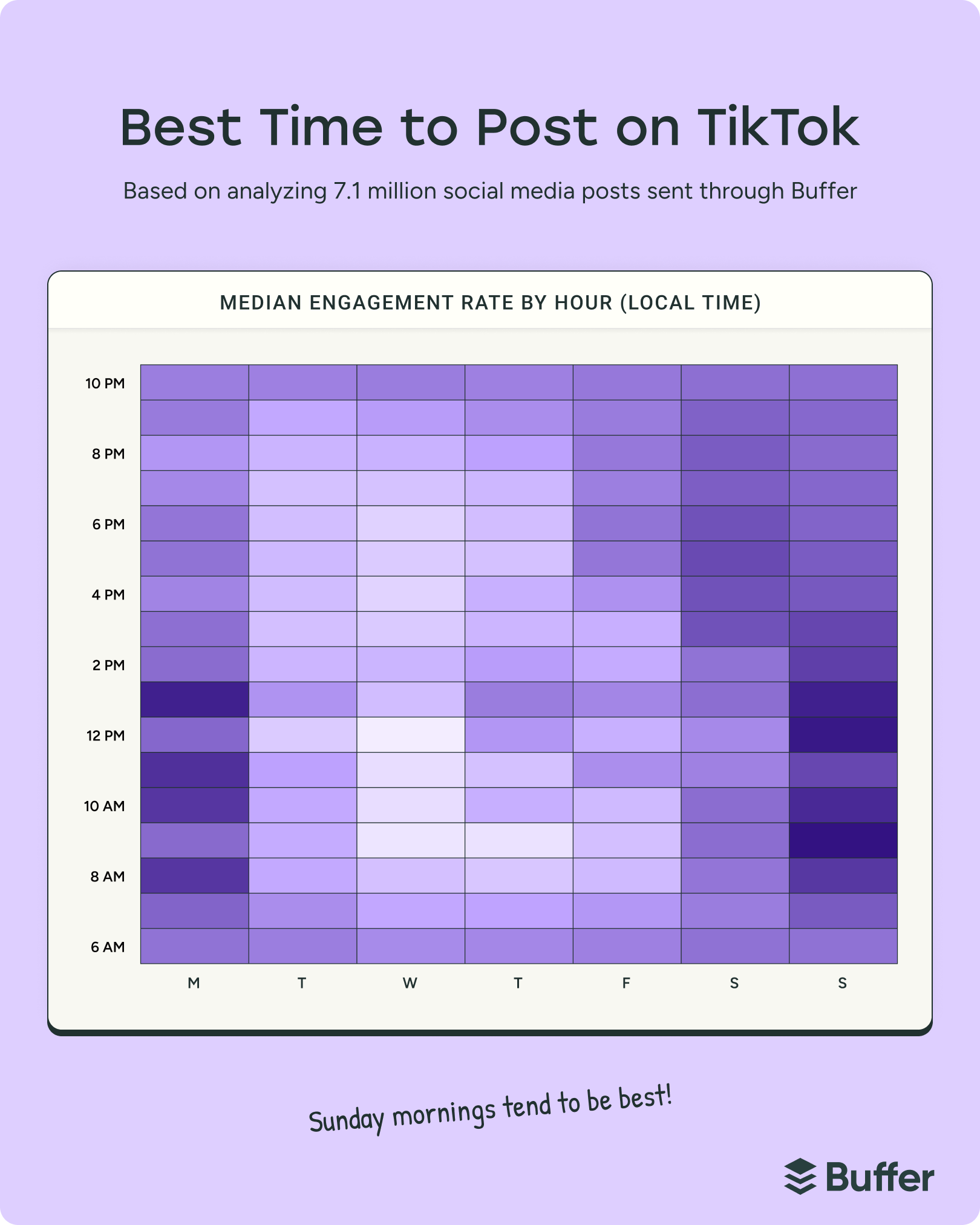
The overarching discovery from the Buffer analysis points to Sunday at 9 a.m. as the single most effective time to post on TikTok, followed closely by Monday at 1 p.m. and Sunday at 1 p.m. These periods consistently delivered the highest median engagement rates for videos, carousels, and text posts alike.
Beyond these specific peak moments, the study identifies broader trends:
- Evening Dominance: Engagement generally escalates during evening hours, with prime time slots observed between 6 p.m. and 11 p.m. This aligns with user behavior, as individuals typically wind down from daily activities and dedicate more leisure time to entertainment consumption.
- Afternoon Lulls: Conversely, afternoon periods, specifically from 12 p.m. to 5 p.m., tend to exhibit lower engagement across most days. Exceptions include sporadic pockets of activity, particularly around the traditional lunch break.
- Weekend Peaks: Saturdays and Sundays consistently emerge as high-engagement days, suggesting that users are more receptive to short-form video content during their leisure time.
This behavioral pattern is logical; unlike passive content consumption on text-heavy platforms, TikTok’s short-form video format often demands active, sound-on attention. This focused engagement is more readily available during dedicated breaks, commutes, or relaxed evening and weekend hours.
Detailed Daily Breakdown of Optimal Posting Times
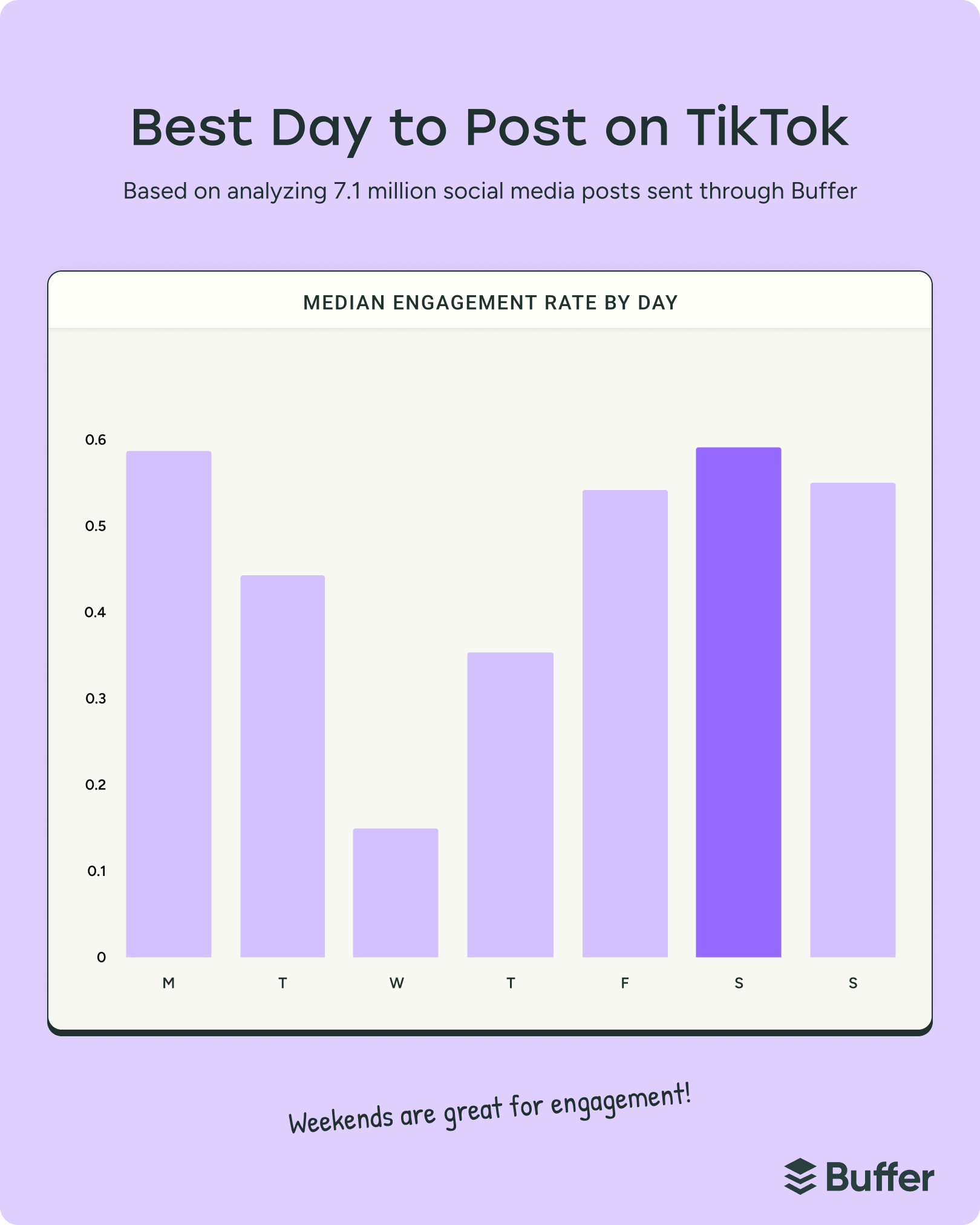
A granular examination of the data provides specific recommendations for each day of the week, offering creators a precise roadmap for their publishing schedules. The times listed below are presented in descending order of their observed engagement performance for that specific day:
- Monday: The best time to post on Monday is 1 p.m., followed by 11 a.m., then 8 a.m. Monday stands out as one of the stronger days for TikTok engagement, presenting a viable alternative for content distribution if weekend slots are not feasible. This pattern might reflect users catching up on content during their lunch breaks or early afternoon downtime after starting the work week.
- Tuesday: On Tuesday, the optimal posting time is 6 a.m. Secondary high-engagement times include 10 p.m. and 7 a.m. The early morning peak suggests an audience checking feeds before the workday begins, while the late-night slot captures those unwinding before bed.
- Wednesday: Wednesday sees its highest engagement at 10 p.m., with 6 a.m. and 9 p.m. also performing well. Overall, Wednesdays tend to be quieter in terms of platform activity, making strategic timing even more critical. If content quantity is limited, prioritizing stronger days like Saturday or Monday might yield better returns.
- Thursday: The best time to post on Thursday is 1 p.m. Other strong times are 10 p.m. and 6 a.m. Similar to Wednesday, Thursdays generally experience lower overall engagement, underscoring the importance of targeting peak hours precisely.
- Friday: On Friday, 6 p.m. is the prime posting slot, followed by 10 p.m. and 8 p.m. This aligns perfectly with the onset of the weekend, as users transition into leisure activities and evening entertainment.
- Saturday: Saturday emerges as the strongest day overall for TikTok engagement. The best time to post is 5 p.m., with 4 p.m. and 3 p.m. also showing robust performance. This consistent afternoon-to-evening window makes Saturday an ideal day for scheduling pre-prepared content, leveraging peak weekend activity.
- Sunday: The single highest-performing time across the entire week is Sunday at 9 a.m. Other highly effective times on Sunday are 1 p.m. and 12 p.m. This early-to-mid-day weekend activity highlights a period when users are relaxed and highly receptive to content, making it a critical slot for creators to target.
It is noteworthy that while Buffer’s findings show a strong preference for weekends, other studies have sometimes presented different optimal days, illustrating the variability inherent in audience demographics and data collection methodologies. This reinforces the recommendation to use these general findings as a powerful starting point, which must then be cross-referenced with individual account analytics.
Empowering Creators: Finding Your Unique Optimal Times
While global data provides an excellent baseline, the ultimate success metric lies in understanding one’s specific target audience. TikTok offers robust in-app analytics that empower creators to refine their posting strategies.
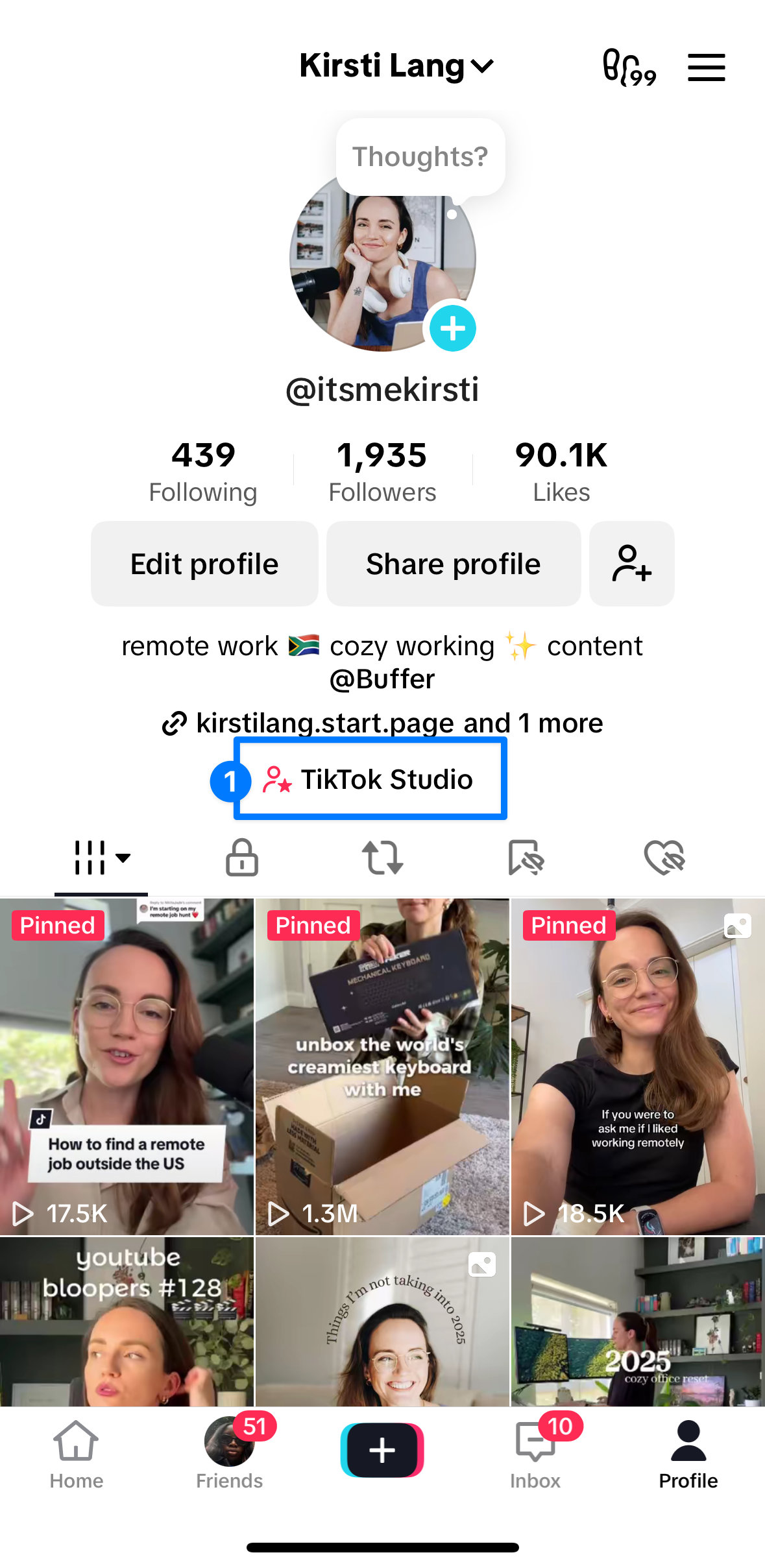
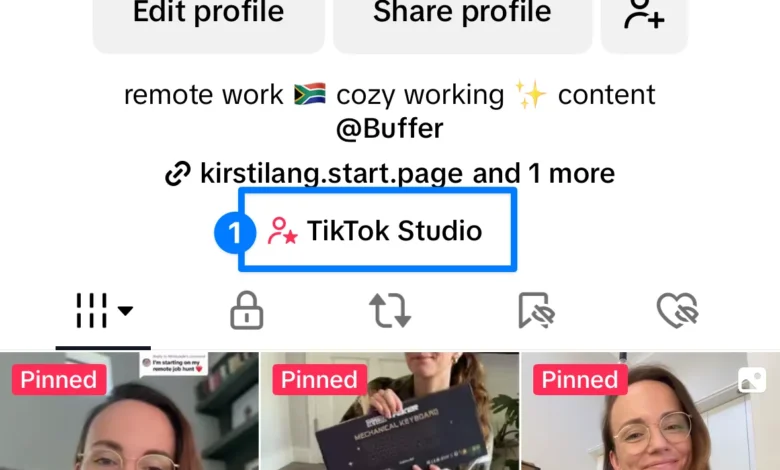
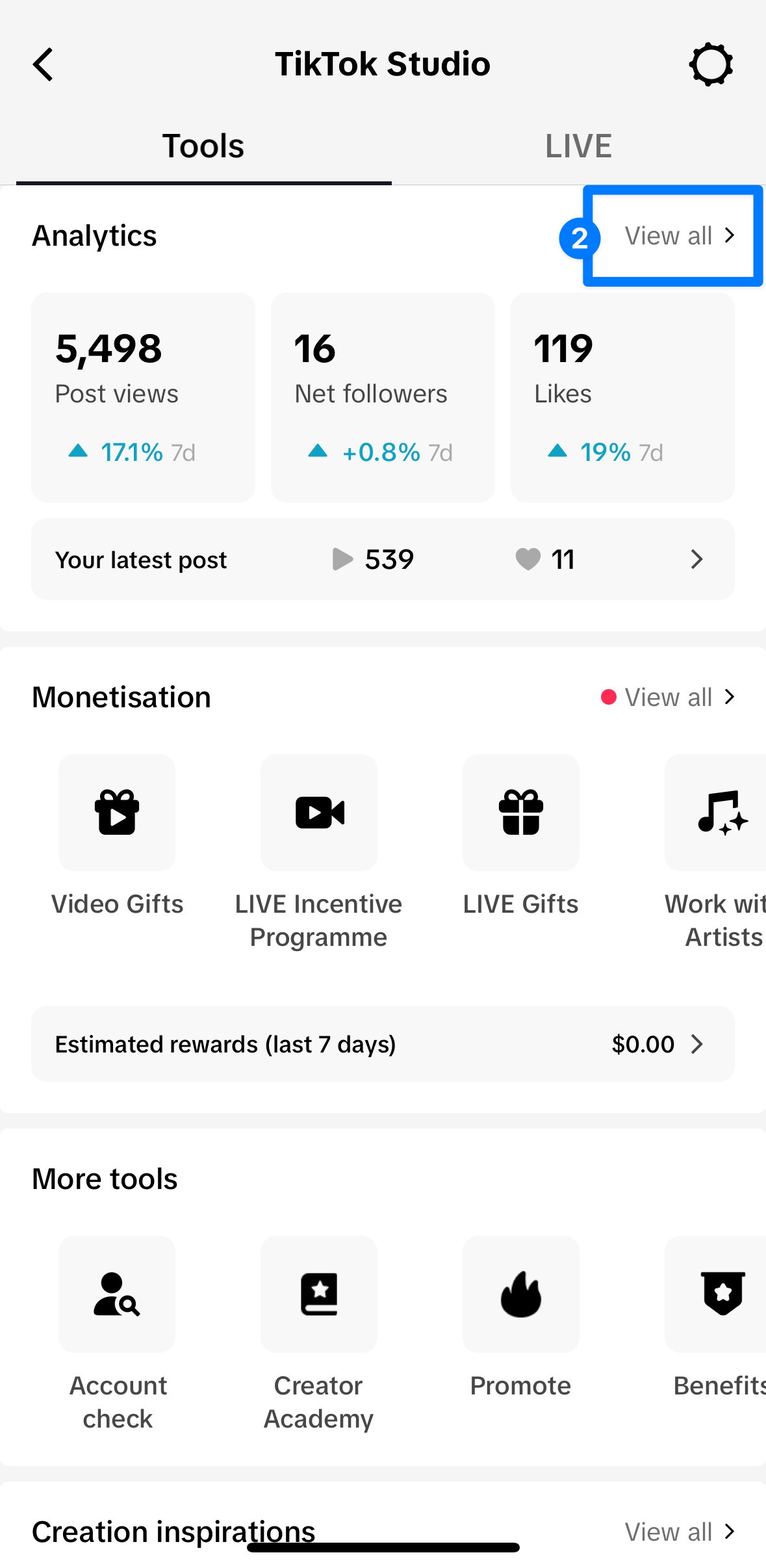
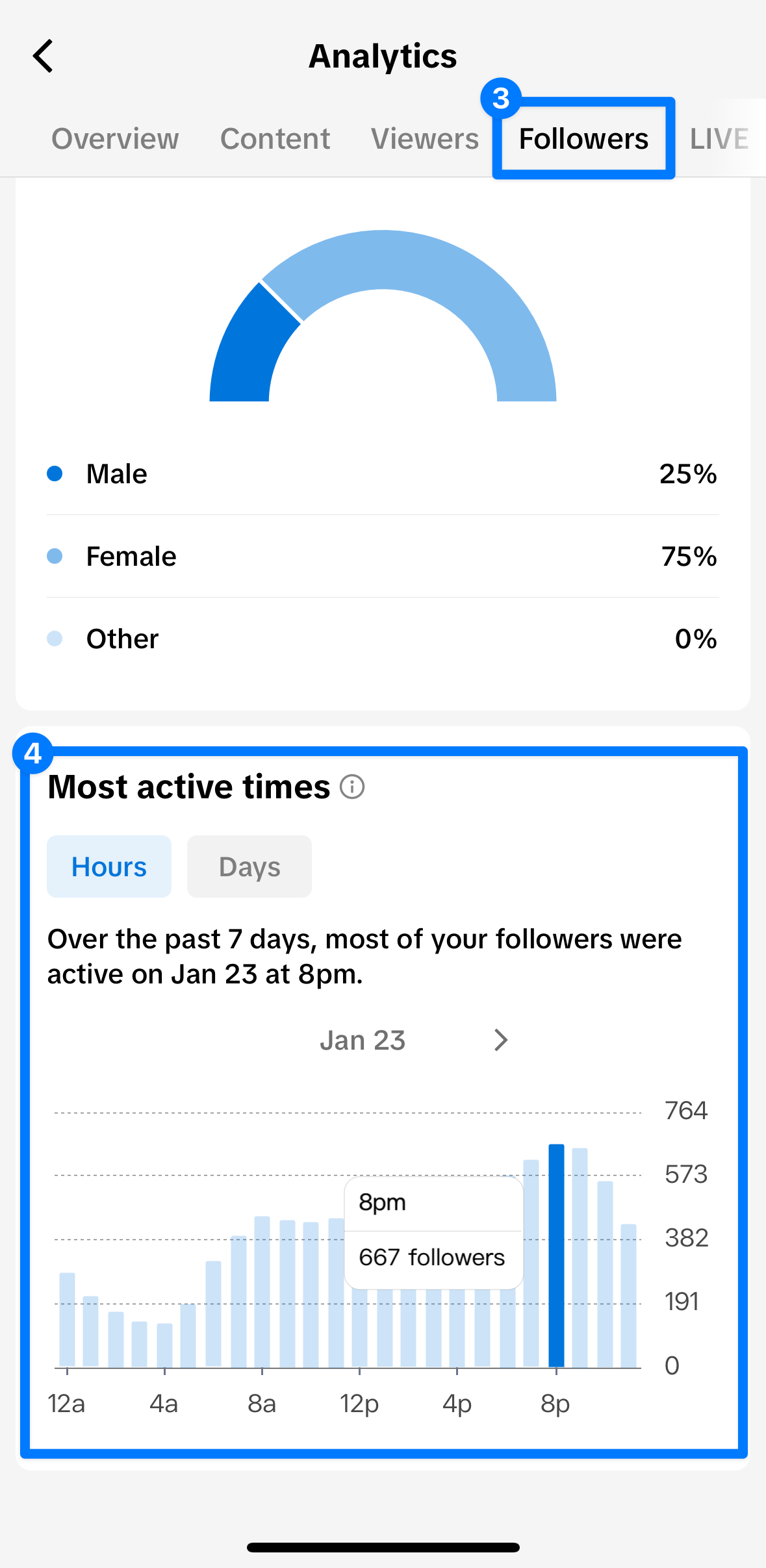
- Leveraging TikTok Analytics: Creators with Pro or Business accounts can access "TikTok Studio Analytics," specifically the "Followers" tab, to view "Most active times." This feature provides a retrospective overview of when their unique follower base was most engaged on the platform over the preceding week, offering precise, personalized data.
- Identifying Patterns: Consistent analysis of these active times is crucial. Creators should log and track peak activity periods over several days or weeks to identify recurring patterns. A proactive strategy often involves posting slightly before these peak times, particularly if they align with the general recommendations from the Buffer study, to capture the ascending curve of audience activity.
- Structured Posting Schedules: Implementing a consistent posting schedule or a detailed content calendar significantly reduces the mental overhead associated with regular content creation. Knowing what to post and when frees creators to focus on content quality and strategic planning.
- Continuous Experimentation: The TikTok landscape is dynamic. Creators should embrace experimentation, trying different time slots throughout the day and week. Even minor adjustments, such as shifting a post from 3 p.m. to 6 p.m., can yield measurable differences in engagement. This iterative testing, conducted over several weeks, allows for meaningful comparison of results. The content niche also plays a role; an educational creator might thrive in morning slots, while an entertainment account could see better evening performance.
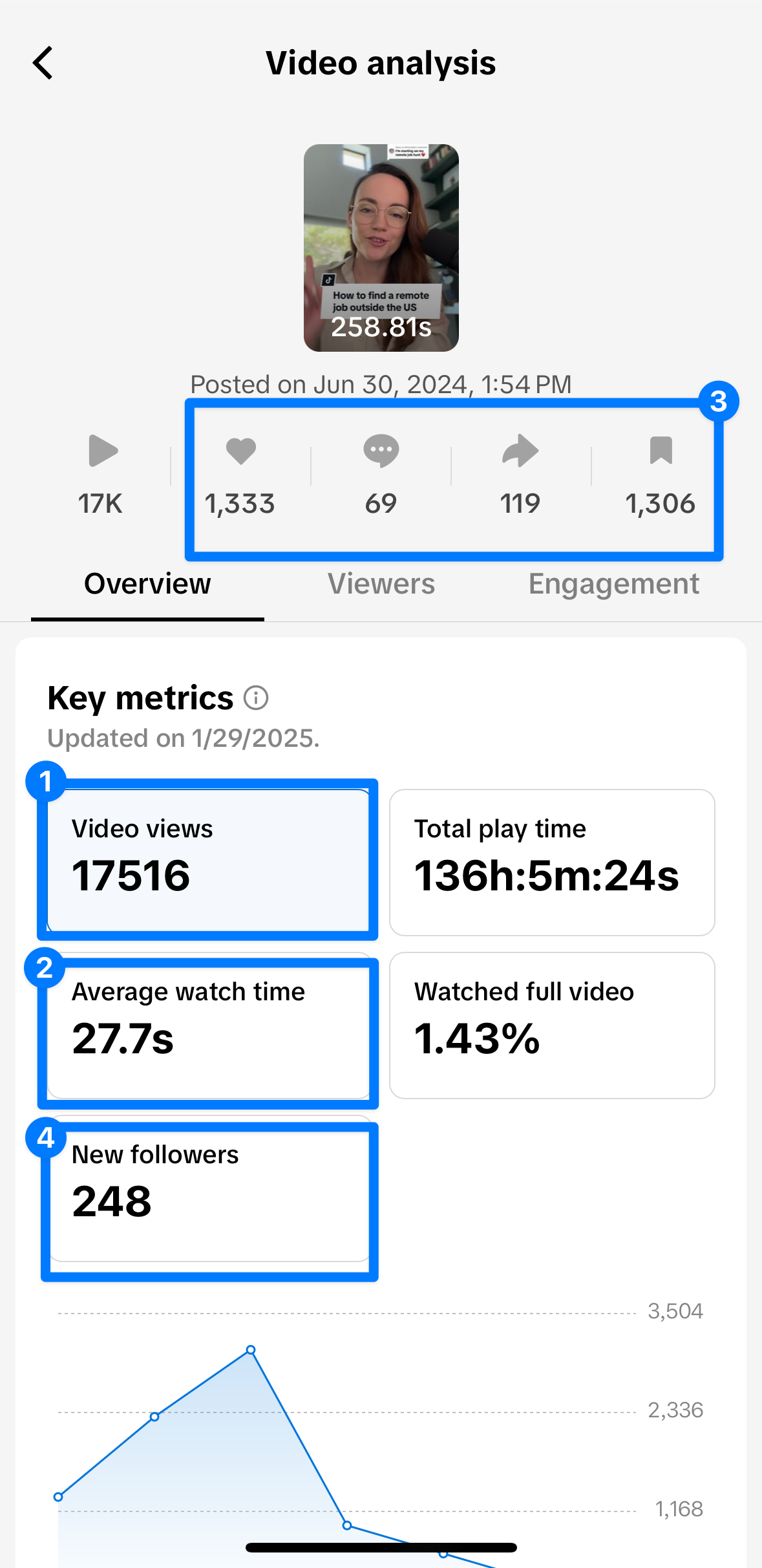
- Performance Analysis: After adhering to a new schedule for a few weeks, creators must diligently analyze their content’s performance using metrics like views, average watch time, total play time, and follower growth. These data points provide objective feedback on the effectiveness of chosen posting times.
- Adaptation and Iteration: If initial patterns are unclear, consistent posting over a longer duration will generate more data. If specific times consistently underperform, adjustments are necessary. Conversely, successful time slots should be integrated into the regular schedule, while still reserving space for new experiments. The algorithm and user trends are ever-shifting, necessitating continuous adaptation.
The Role of Scheduling Tools in Strategic Posting
For creators and businesses aiming for precision and consistency without being tethered to their devices, social media scheduling tools like Buffer are indispensable. These platforms allow users to pre-schedule TikTok posts, ensuring content goes live during optimal windows, even if the creator is unavailable. Buffer, for instance, integrates its proprietary recommended posting times directly into its scheduling interface, automatically populating the calendar with high-engagement slots based on its latest data analysis. This functionality streamlines the content distribution process, eliminating guesswork and facilitating a more strategic approach to audience engagement.
Broader Implications and Future Outlook
The insights gleaned from Buffer’s extensive study carry significant implications for the broader digital marketing landscape. For small businesses, understanding these optimal posting times can translate directly into increased brand visibility, higher conversion rates, and more efficient allocation of marketing resources. Content creators, often operating as individual entrepreneurs, can leverage this data to build stronger communities, attract more brand collaborations, and monetize their presence more effectively.
The study underscores a critical lesson: in an era of algorithmic gatekeepers, data-driven strategy is paramount. While content quality remains the bedrock of success, smart timing acts as a crucial accelerant, giving well-crafted content the initial push it needs to gain traction. As TikTok continues its rapid evolution, with algorithm updates and shifting user behaviors, the need for continuous data analysis and adaptive strategies will only intensify. This research serves not as a definitive, static answer, but as a powerful, dynamic starting point for navigating the complex yet rewarding world of TikTok engagement.
Frequently Asked Questions (FAQ) on TikTok Posting Times
Is there truly a "best" time to post on TikTok?
Yes, data indicates that certain posting times consistently yield higher engagement. However, this is not a universal constant. The ideal time is highly dependent on your specific target audience’s behavior, and critically, even perfect timing cannot compensate for low-quality content. Content quality and watch time remain the most significant factors.
Do I need to adjust posting times for my timezone?
The times provided in Buffer’s guide are designed to be universally applicable, as the underlying data has been mathematically normalized across diverse global users. For personalized accuracy, always consult your TikTok Studio Analytics to pinpoint when your unique followers are most active and their geographic distribution.
Is daily posting at the best time essential?
Consistency generally outweighs daily posting. Prioritize creating high-quality content and posting at times that resonate with your audience and are sustainable for your production schedule. Posting consistently, even if not daily, builds audience expectation and algorithmic favor.
How can I determine my audience’s most active times?
Access TikTok Studio Analytics, navigate to the "Followers" tab, and look for "Most active times." This section provides a weekly overview of when your specific follower base is online.
Does posting time matter if my content isn’t generating views?
While timing can offer a boost, it’s rarely the root cause of consistently low views. If your content struggles, focus first on watch time. The TikTok algorithm prioritizes videos that retain viewers. A strong hook, compelling narrative, and engaging pacing are more critical than timing in these scenarios. Once content quality is established, optimal timing can enhance its initial distribution.
What is the "three-second rule" on TikTok?
This is a widely recognized creator guideline emphasizing the need to capture viewers’ attention within the first three seconds of a video. Given TikTok’s fast-paced scrolling environment, a strong opening is vital to encourage continued viewing, which the algorithm interprets as a positive signal.
How long should I test a new posting time?
To accurately assess the effectiveness of a new posting time, aim to test it for at least a few weeks. TikTok’s performance can fluctuate daily, so a longer testing period allows for the identification of genuine patterns rather than one-off spikes.
What if my followers are in multiple timezones?
Begin by checking your TikTok Analytics to identify the primary timezones and active hours of your followers. If your audience is broadly distributed, seek overlap periods. For example, an early afternoon post on the US East Coast could coincide with early evening for UK viewers, maximizing reach across different regions. The key is consistent posting, which provides more data for iterative adjustments.
Can TikTok posts be scheduled?
Yes, platforms like Buffer enable scheduling or notification-based posting for TikTok. This functionality is invaluable for maintaining a consistent presence during optimal times without requiring manual uploads at specific moments.
What time offers the highest chance of going viral on TikTok?
No specific time guarantees virality, as this phenomenon is multi-faceted and unpredictable. However, posting during peak audience activity, such as Sunday at 9 a.m., Monday at 1 p.m., or Saturday between 3 p.m. and 5 p.m. (according to Buffer’s data), can significantly improve a video’s initial engagement. This early momentum—driven by views, watch time, and shares—is what signals to the TikTok algorithm that content is worthy of broader distribution on the FYP. Ultimately, a compelling hook and high watch time are far more influential than timing alone in the pursuit of virality.