Reflecting on Stack Overflow, Community, and the AI Era: Jeff Atwood and Ben Dumke-von der Ehe Take the Stage in Berlin

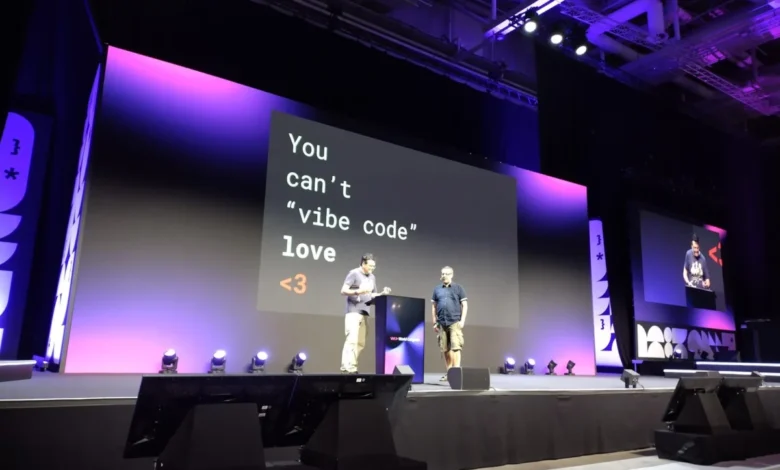
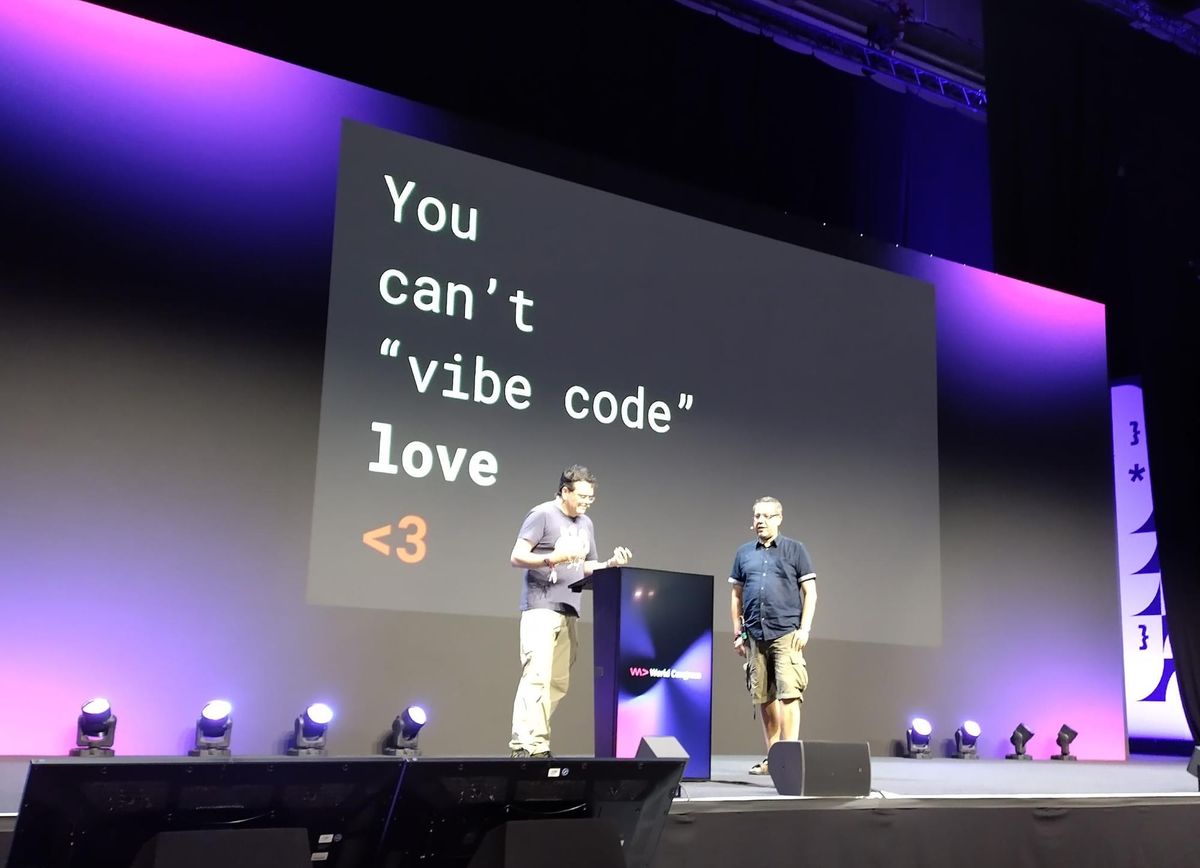
Stack Overflow co-founder Jeff Atwood and early community hire Ben Dumke-von der Ehe recently reunited at the WeAreDevelopers World Congress in Berlin to deliver a keynote address that explored the origins of collaborative coding platforms, the transformative impact of Large Language Models (LLMs), and the enduring necessity of human-centric technical communities. The presentation, titled "None of Us Is As Dumb As All of Us: Community And Knowledge Go Hand In Hand," took place at the CityCube Berlin, drawing significant attention from software engineers, open-source advocates, and industry analysts alike.
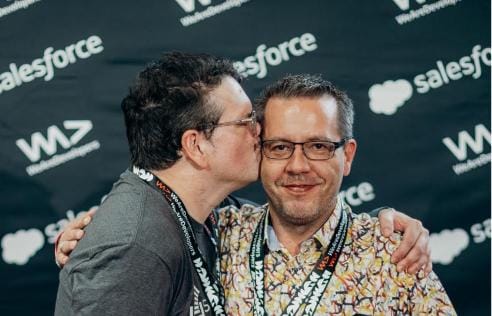
The appearance marked a rare international speaking engagement for Atwood, who stated that he accepted the invitation specifically to share the stage with Dumke-von der Ehe, a Berlin-based developer whose career has been deeply intertwined with the history of Stack Overflow. The session offered both a retrospective on the early days of collaborative knowledge-sharing on the web and a forward-looking analysis of how generative artificial intelligence is reshaping the software development landscape.
A Shared History and the Foundation of a Knowledge Commons
The narrative presented by Atwood and Dumke-von der Ehe centers on the human element behind technical infrastructure. Founded in 2008 by Jeff Atwood and Joel Spolsky, Stack Overflow was designed to replace fragmented forums and disparate Q&A sites with a structured, community-moderated repository for programming knowledge. Dumke-von der Ehe was among the earliest community members hired by the platform, joining as employee numbers 00006 and 00007 in June 2010. His journey from an active participant answering questions to a core team member reflects the grassroots ethos that characterized the platform’s early expansion.
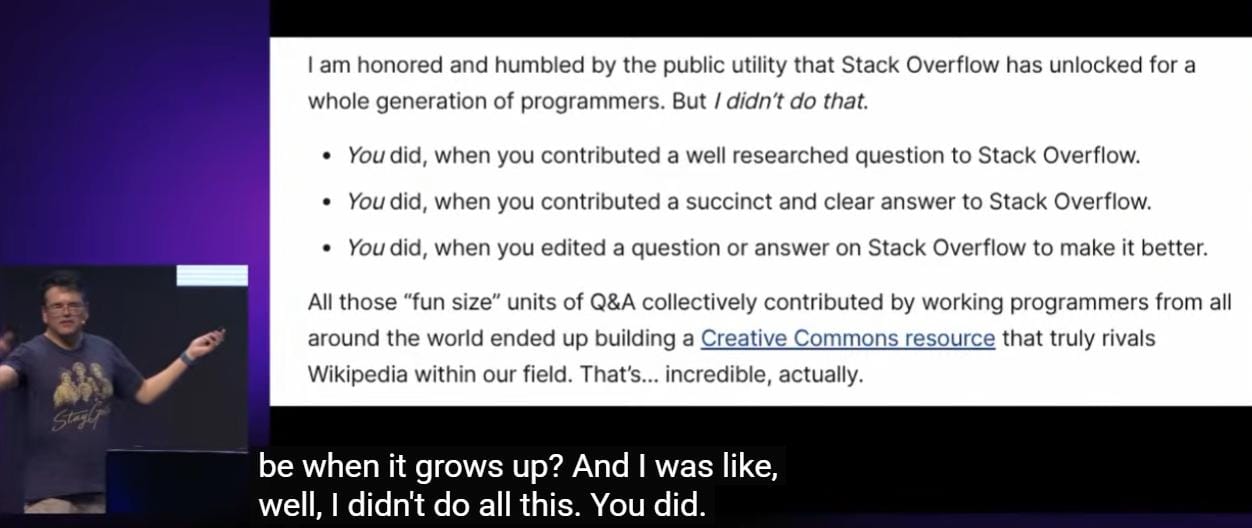
At the core of Stack Overflow’s success was a bedrock Creative Commons license, which legally and ethically protected the intellectual contributions of millions of developers worldwide. This collaborative commons allowed users to contribute freely, knowing their collective output would remain accessible as a public good. Atwood emphasized that the platform’s ultimate design goal was efficiency: if a system functions correctly, the vast majority of programmers should find the answers they need passively through web search engines without ever needing to author a new question or answer.
The AI Transformation: Solving the Duplicate Question Dilemma
During their presentation, Atwood and Dumke-von der Ehe addressed the elephant in the room for modern developer communities: the integration of generative AI and LLMs into daily software engineering workflows. Far from viewing artificial intelligence as an existential threat to the legacy of Stack Overflow, Atwood framed it as a natural evolution that solves one of the platform’s most persistent structural challenges—the plague of duplicate questions.

In a traditional Q&A database containing millions of entries, enforcing strict anti-duplication rules becomes exponentially more difficult as the repository scales. A developer seeking a solution must navigate a dense field of prior art, where a slight variation in terminology can render a unique query indistinguishable from an existing thread. Consequently, moderators spent countless hours closing and redirecting duplicate inquiries.
LLMs have effectively cut this Gordian knot. By leveraging natural language processing, modern AI models can map a user’s phrasing—no matter how colloquial or poorly structured—directly to the relevant technical solution housed within existing knowledge bases. This capability reduces redundancy, accelerates problem-solving, and delivers immediate answers to developers. Atwood noted that this technological shift aligns seamlessly with the platform’s original mission: delivering fast, accurate information to the end user.
The Paradox of the Digital Commons in the Age of AI
Despite the operational efficiencies introduced by AI, the keynote raised critical questions regarding the sustainability of the digital ecosystem. Modern LLMs are trained on vast datasets harvested from public knowledge repositories, including the decades of human-generated content hosted on platforms like Stack Overflow. However, as developers increasingly turn to private, conversational AI interfaces for day-to-day coding queries, the traditional feedback loop of community interaction faces unprecedented disruption.
This shift introduces a fundamental sustainability paradox for the tech industry:
- The Training Data Dilemma: If individual programmers cease participating in public forums and instead rely exclusively on private AI interactions, the pipeline for fresh, human-validated technical data risks stagnation.
- The Erosion of Mentorship: Platforms like Stack Overflow served not merely as search indexes, but as digital town squares where junior developers learned software craftsmanship, collaboration, and peer review.
- The Loss of Shared Culture: Automated coding assistants excel at generating syntactically correct code, but they cannot replicate the shared sense of purpose, mentorship, and community-driven passion that defined the early web.
As Atwood poetically observed during the Berlin conference, one cannot "vibe code love"—underscoring that technical proficiency alone cannot replace the cultural bonds forged through collaborative problem-solving.
Broader Implications for the Future of Software Development
Industry observers and software engineering leaders are closely monitoring the long-term implications of the transition from public forums to private AI agents. While productivity metrics for individual developers have soared with the aid of AI coding assistants, the institutional memory of the programming community faces new vulnerabilities.
Experts suggest that sustainable hybrid models will be necessary to protect the digital commons. This includes establishing equitable compensation frameworks for data usage, encouraging enterprise contributions back to open-source projects, and actively cultivating spaces where human programmers can mentor one another. Without deliberate efforts to protect and fund the foundational layers of public technical knowledge, the very data sources that power cutting-edge AI models risk drying up.
The WeAreDevelopers World Congress keynote served as both a celebration of past achievements and a timely warning for the future. By honoring the human stories behind platforms like Stack Overflow, Atwood and Dumke-von der Ehe reminded the global tech community that innovation does not occur in a vacuum. It relies upon a fragile ecosystem of shared knowledge, mutual respect, and collective stewardship—values that no algorithm can generate on its own.