Maximizing Revenue Through the Process Street Partner Program: A Strategic Guide for Agencies and Consultants

In an era where operational efficiency has become the bedrock of sustainable business growth, platforms that facilitate workflow documentation and compliance have seen a surge in demand. Process Street, a prominent player in the compliance operations and workflow automation sector, has formalized its commitment to its ecosystem through an expanded partner program. This initiative is designed to provide consultants, agencies, software developers, and content creators with a structured framework to monetize their expertise, offering a dual-stream revenue model that combines direct referral commissions with service-based consulting fees.
The global business process management (BPM) market is projected to continue its robust expansion, with industry reports estimating the sector will reach significant valuations by the end of the decade. As organizations shift away from fragmented, manual record-keeping toward centralized digital environments, the demand for experts who can implement these tools has skyrocketed. Process Street’s partner program acts as a catalyst for this market, bridging the gap between sophisticated software solutions and the businesses that require expert guidance to deploy them effectively.
The Structural Framework of the Partner Program
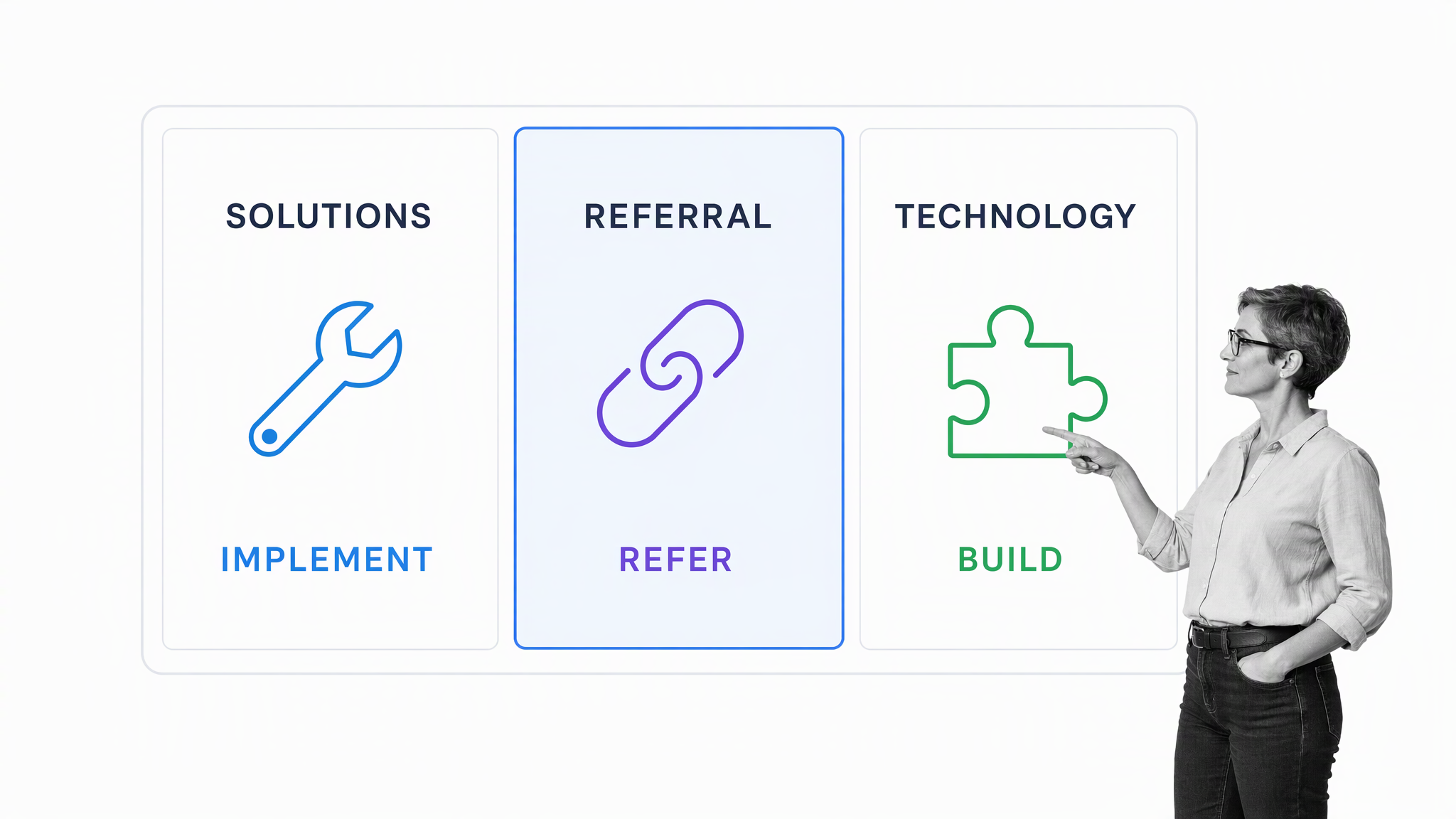
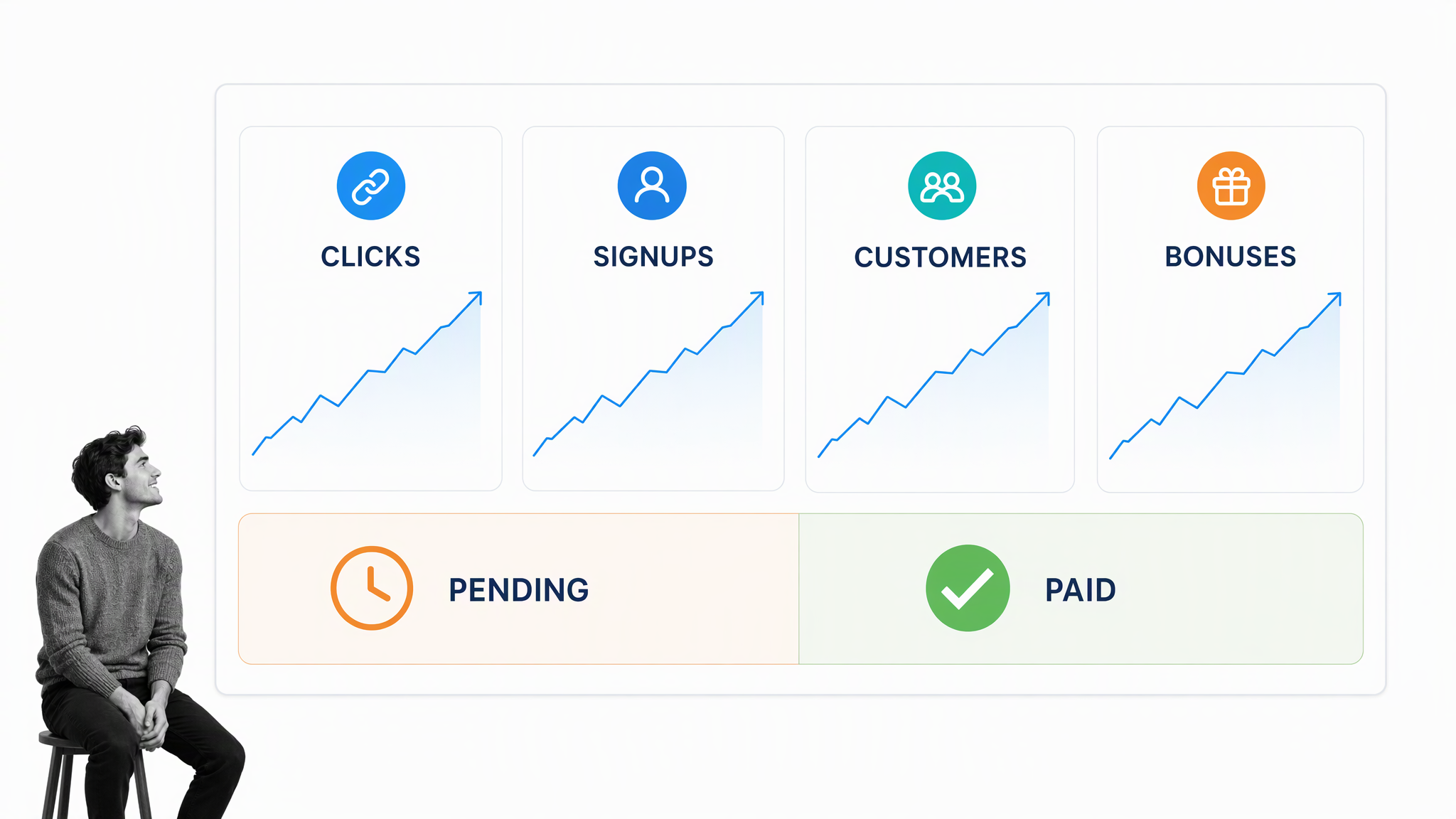
The Process Street partner ecosystem is bifurcated into distinct tracks—Solutions, Referral, and Technology—each catering to a different segment of the professional service market. The program operates through the PartnerStack interface, which provides a centralized dashboard for participants to track lead progression, calculate commissions, and manage payment disbursements.
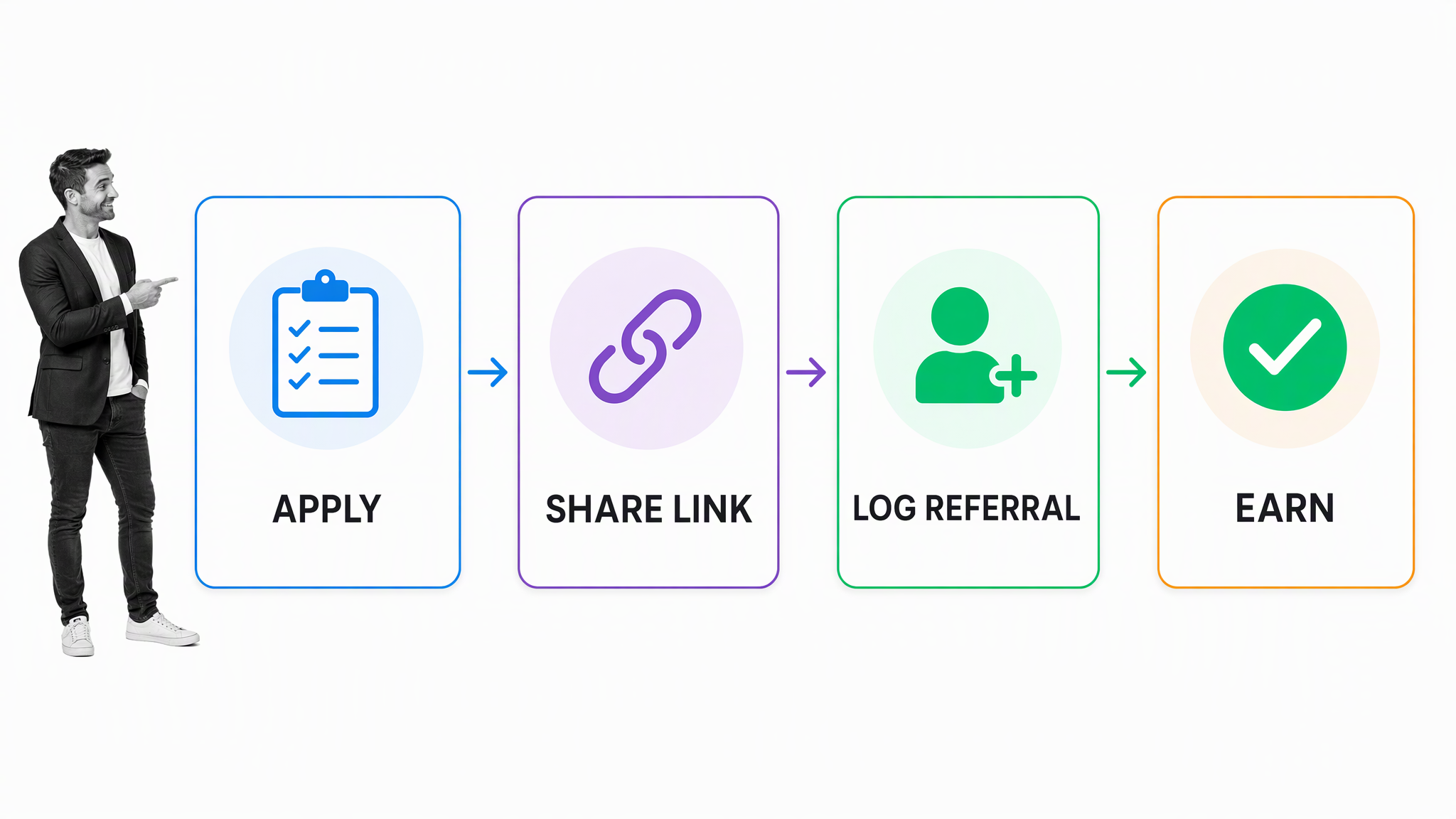
For referral partners, the barrier to entry is minimal. The model utilizes unique tracking links that credit the partner for any new account sign-up that originates from their outreach. Whether the partner is a content creator on platforms like LinkedIn or YouTube, or a consultant managing a newsletter, the referral process is automated. A key feature of this program is the 20% commission structure applied to the first 12 months of a referred customer’s contract. In a practical scenario, if a consultant refers a firm that signs a $10,000 annual contract, the consultant is eligible for a $2,000 bonus. Crucially, this commission is funded entirely by the platform, ensuring the client’s cost remains unchanged, thereby preserving the integrity of the consultant-client relationship.
Chronology and Evolution of the Ecosystem
The evolution of the Process Street partner strategy reflects a broader trend in the SaaS industry: the transition from simple affiliate marketing to comprehensive service-based ecosystems. Initially, the program focused primarily on simple referral volume. However, as the platform matured and integrated over 5,000 third-party applications, the necessity for a "Solutions Partner" track became apparent.
In the current landscape, the program is designed to support the full lifecycle of a client’s digital transformation. From the initial referral and onboarding to the long-term maintenance of automated workflows, the partner program provides the necessary infrastructure to manage these interactions. The introduction of manual referral logging—a feature that allows partners to claim credit for leads that did not originate via a tracking link—addresses common pain points in lead attribution, ensuring that consultants are compensated for their influence even if the direct click-through attribution fails.
Data-Driven Insights and Financial Implications
The financial viability of the program is underscored by the recurring nature of SaaS revenue. Unlike one-off affiliate commissions, the 12-month window for referral bonuses allows partners to benefit from the expansion of the client’s internal usage. If a client upgrades their subscription tier or increases their seat count during the first year, the partner’s commission scales proportionally.
Market analysis suggests that businesses using structured process documentation platforms report up to a 30% increase in operational productivity within the first six months of implementation. By leveraging this data, partners can effectively frame their services as high-ROI investments for their clients. The ability to charge for implementation, workflow design, and integration—while simultaneously earning a referral bonus—allows consultants to diversify their income streams.
Implementation Strategies: Beyond the Referral
Professional service providers often find that the most lucrative aspect of the program is the "Solutions Partner" model. This track focuses on high-value consulting engagements. Rather than relying solely on commission, partners can charge fixed-fee or hourly rates for:
- Workflow Architecture: Designing bespoke processes for HR, onboarding, or inventory management.
- Systems Integration: Connecting Process Street with existing CRM, ERP, or communication tools to create an automated "tech stack."
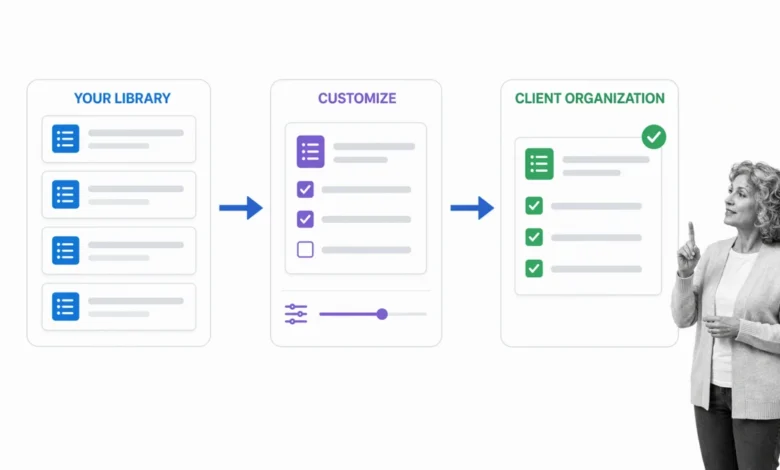
- Template Monetization: Developing proprietary template libraries that can be licensed or sold to clients, providing a scalable passive income stream.
The use of "gated" content, such as forms that capture lead information before providing access to a template, serves as a sophisticated lead-generation tactic for partners. This strategy not only qualifies potential clients but also builds a proprietary mailing list that the partner can nurture over time.
Official Guidelines and Operational Best Practices
The administrative side of the program is managed through a stringent set of guidelines to ensure compliance and fairness. The payout structure, while transparent, requires partners to reach specific revenue thresholds depending on their chosen disbursement method. Partners are encouraged to allow earnings to accumulate to optimize for transaction fees.
For those concerned with the legitimacy of the platform, the company points to its high rankings on peer-to-peer review platforms like G2 and Capterra. These platforms provide third-party validation of the software’s utility, which partners can use as social proof when pitching to prospective clients. The internal help center at Process Street also provides comprehensive training modules, ensuring that partners are not just marketers, but are equipped to provide genuine value to the end-user.
Broader Impact on the Consulting Industry
The shift toward this partner-led growth model has broader implications for the consulting sector. It empowers smaller agencies to compete with larger firms by providing them with the tools and backing of an enterprise-grade platform. It also creates a "standardization" of business practices across industries, as partners share and iterate on best-practice templates.
Furthermore, the program mitigates the risk of vendor lock-in by encouraging open integrations. Because the platform is built to communicate with thousands of other applications, partners can build "agnostic" solutions that prioritize the client’s existing workflow over the vendor’s proprietary limitations.
Future Outlook and Strategic Conclusion
As the digital economy continues to favor businesses that can rapidly adapt their internal processes to changing market conditions, the role of the process consultant will become increasingly central. The Process Street partner program is effectively positioning itself as the primary infrastructure for this class of professional.
For the consultant or agency owner, the decision to join such a program should be based on the alignment of the software’s capabilities with the needs of their existing client base. By integrating the platform into their service offering, partners can shift from being purely service-oriented providers to being "strategic enablers" who derive income from both the value they create and the software they advocate.
In summary, the program offers a triple-threat advantage: it provides a stable commission structure, supports high-value consulting billables, and allows for the development of scalable assets like template libraries. For those currently operating in the business operations, digital transformation, or management consulting spaces, the integration of such a program into an existing business model represents a logical evolution in the pursuit of revenue diversification and operational scale. Professionals interested in pursuing this path are encouraged to conduct a thorough audit of their own service offerings to determine which partner track best aligns with their long-term growth objectives.