This article presents the second installment of the comprehensive 2021 SaaS Survey, a collaborative effort between ForEntrepreneurs and KBCM, offering critical insights into the Software-as-a-Service (SaaS) market. Building upon the foundational analysis in Part 1, this segment delves deeper into specific trends, market dynamics, and future projections, providing a nuanced understanding of the sector’s evolution. The complete survey findings are available for download in PDF format via this link.

Unpacking Key SaaS Market Dynamics
The SaaS landscape has witnessed unprecedented growth and transformation, particularly in the wake of evolving global business needs and accelerated digital adoption. The 2021 survey aims to capture the pulse of this dynamic sector, identifying key drivers, challenges, and opportunities that will shape its trajectory. Part 1 of the survey laid the groundwork by exploring overarching themes, and this second part expands on those findings with more granular data and analysis.
The proliferation of cloud-based solutions has become a cornerstone of modern business operations. Companies across all industries are increasingly relying on SaaS applications to enhance efficiency, foster collaboration, and drive innovation. This reliance is not merely a trend but a fundamental shift in how businesses procure and utilize technology. The agility, scalability, and cost-effectiveness of SaaS models have made them indispensable tools for navigating an increasingly complex and competitive global marketplace.
Growth Trajectory and Investment Landscape
The SaaS market has consistently demonstrated robust growth, outpacing many other technology sectors. This sustained expansion is fueled by several factors, including the continuous demand for digital transformation, the increasing sophistication of SaaS offerings, and the growing acceptance of subscription-based business models. Investors have taken note, channeling significant capital into SaaS companies, recognizing their potential for high returns and recurring revenue streams.
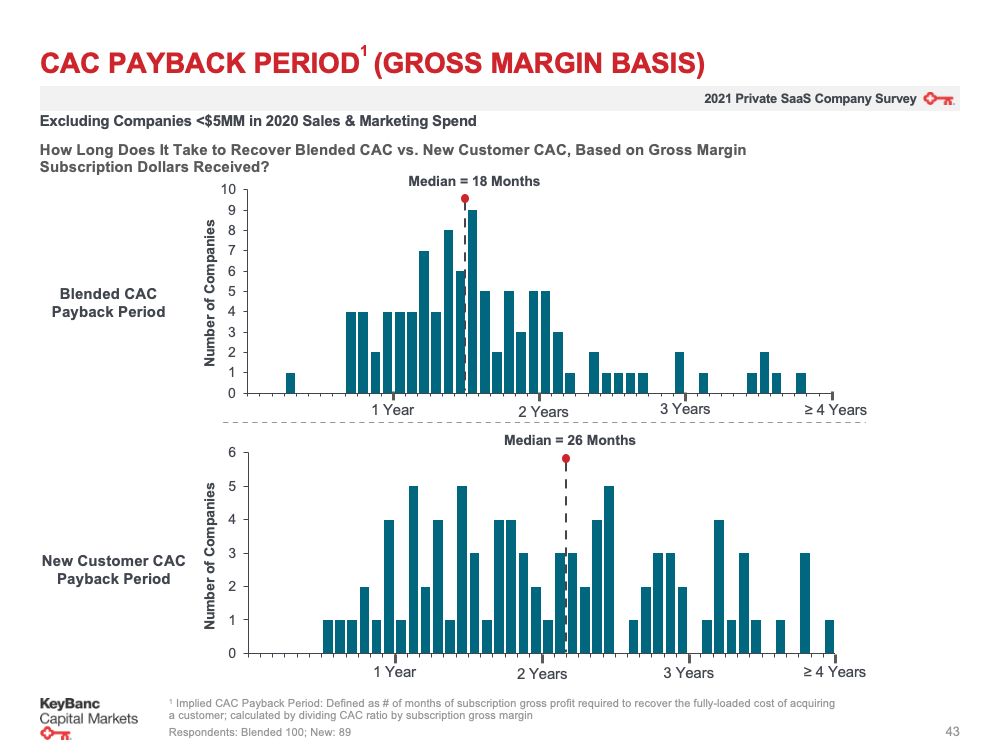
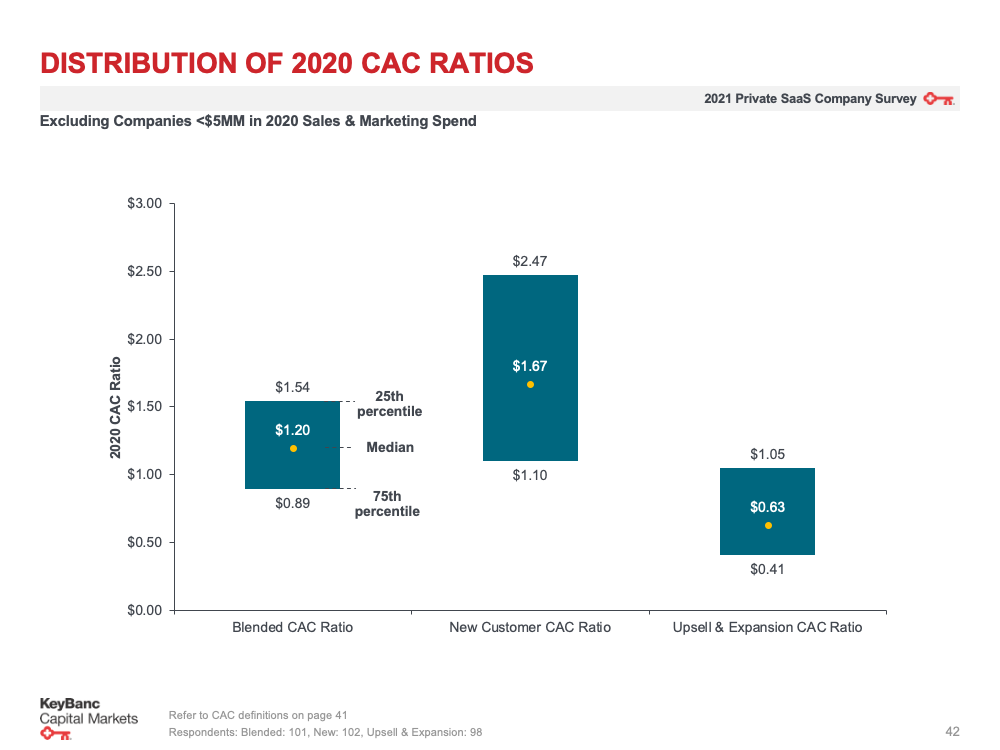
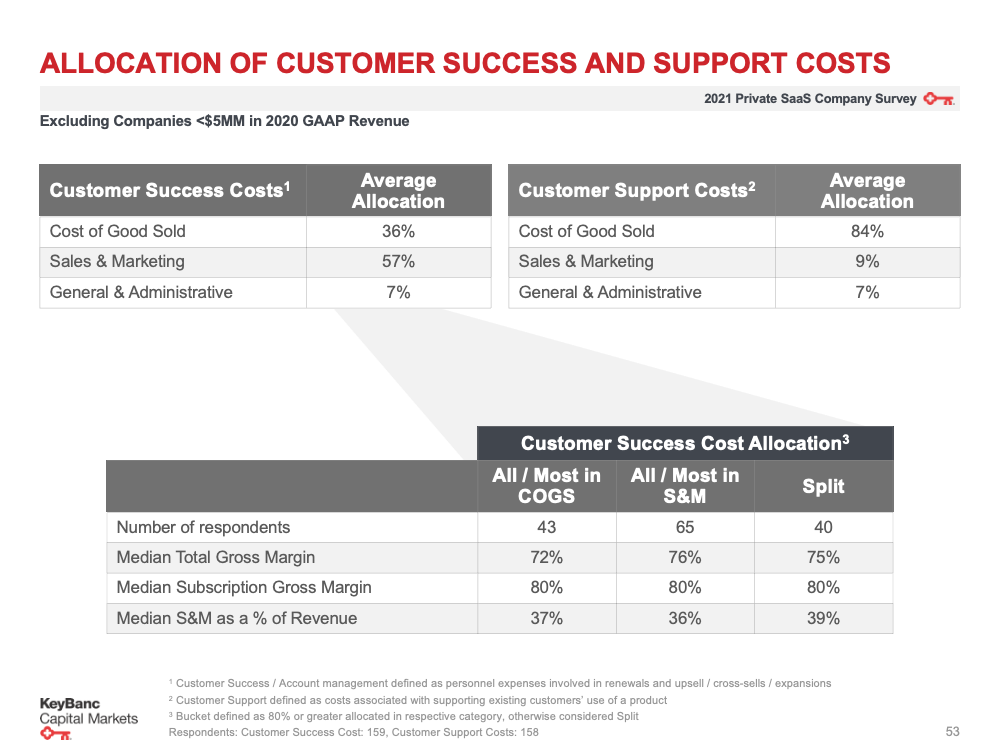
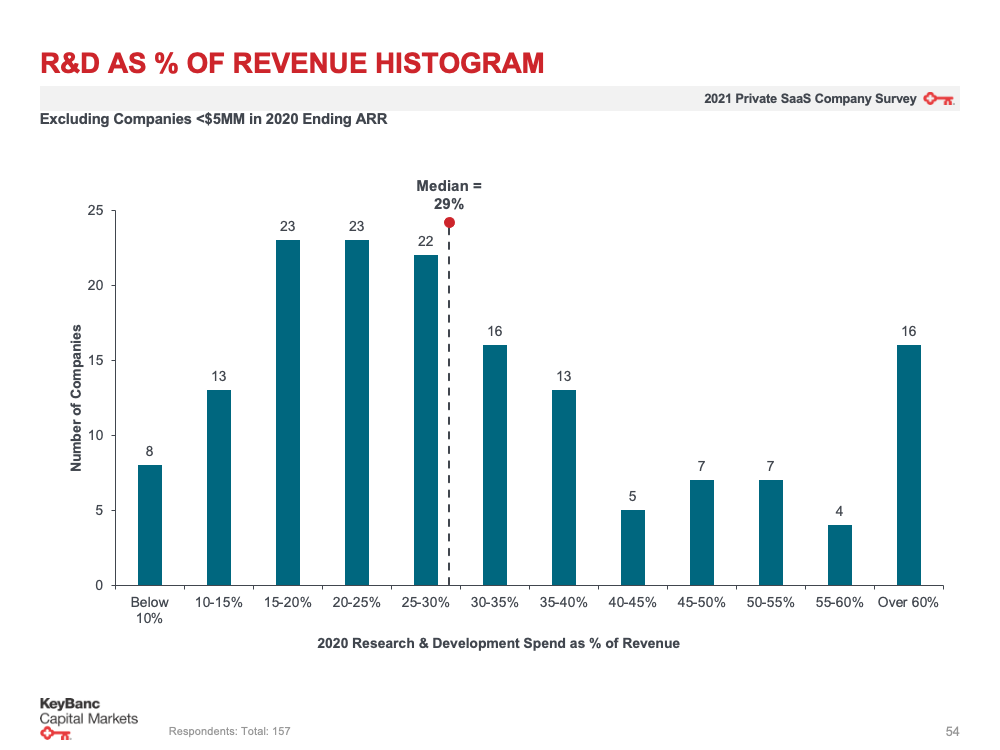
The survey data, as visualized in the accompanying slides, offers a detailed look at the financial health and growth indicators within the SaaS sector. While specific financial figures and growth rates are presented visually, the underlying trend suggests a market that is not only expanding but also maturing. This maturity is characterized by increased specialization, a focus on customer retention, and a greater emphasis on profitability alongside growth.
Evolution of Customer Acquisition and Retention Strategies
Acquiring and retaining customers remain paramount for SaaS businesses. The survey likely touches upon the evolving strategies employed by companies to attract new users and ensure long-term customer loyalty. In a competitive market, understanding customer churn drivers and implementing effective retention programs are critical for sustainable success. This includes a focus on customer success initiatives, personalized onboarding, and continuous product improvement based on user feedback.

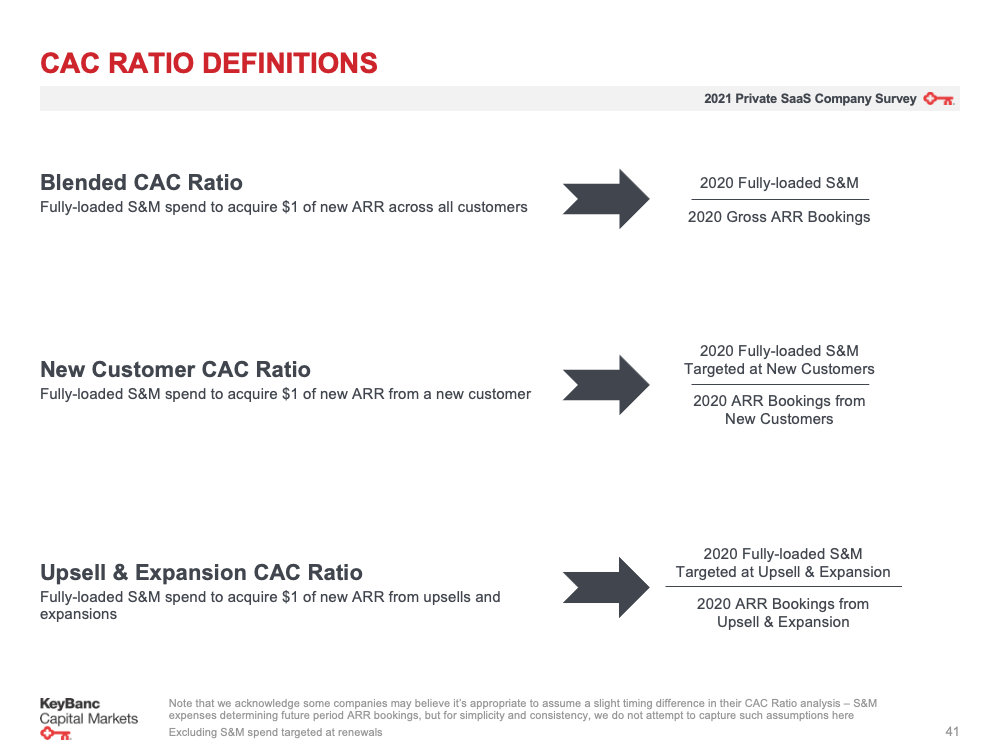
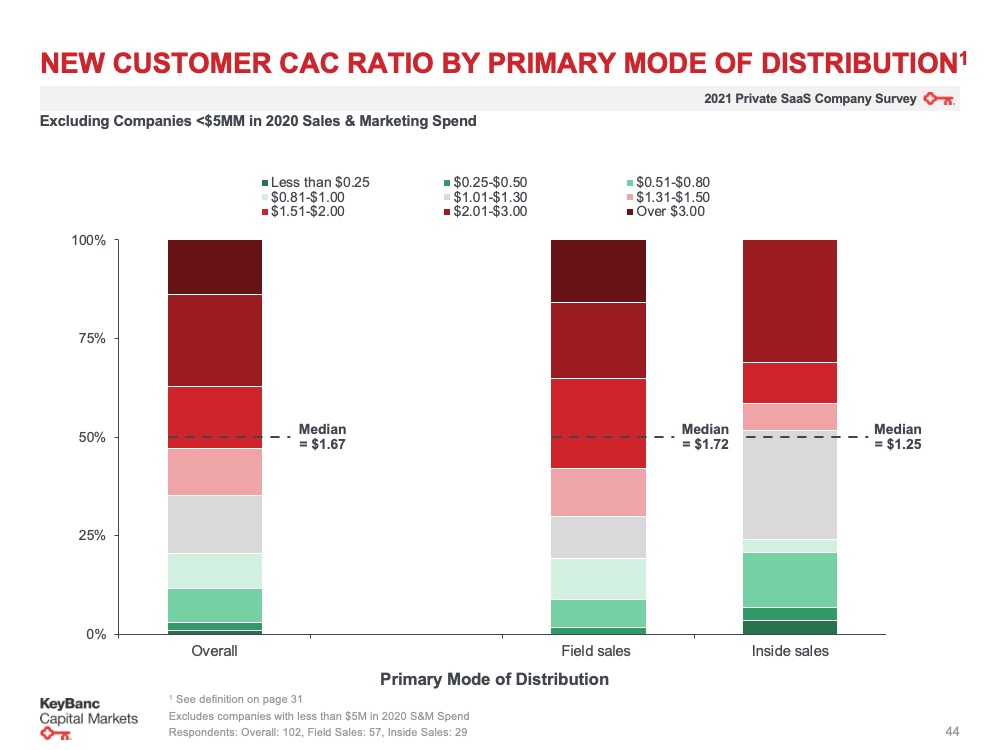
The data presented in the survey images, while not explicitly detailed in text, would typically cover metrics related to customer acquisition cost (CAC), customer lifetime value (CLTV), churn rates, and net revenue retention (NRR). These are vital indicators of a SaaS company’s operational efficiency and long-term viability. A healthy balance between CAC and CLTV, coupled with low churn and high NRR, signifies a well-run and scalable business.
Impact of Macroeconomic Factors and Technological Advancements
The broader economic climate and rapid technological advancements invariably influence the SaaS market. Factors such as global economic growth, interest rates, and geopolitical stability can impact investment decisions and customer spending. Simultaneously, emerging technologies like artificial intelligence (AI), machine learning (ML), and the Internet of Things (IoT) are creating new opportunities for SaaS innovation, enabling the development of more intelligent and integrated solutions.
The survey likely explores how SaaS companies are adapting to these external forces. This could include strategies for navigating economic downturns, leveraging AI and ML to enhance product features, or integrating with other emerging technologies to create more comprehensive ecosystems. The ability of SaaS providers to remain agile and responsive to these shifts is crucial for maintaining their competitive edge.
Key Themes and Visual Data Insights
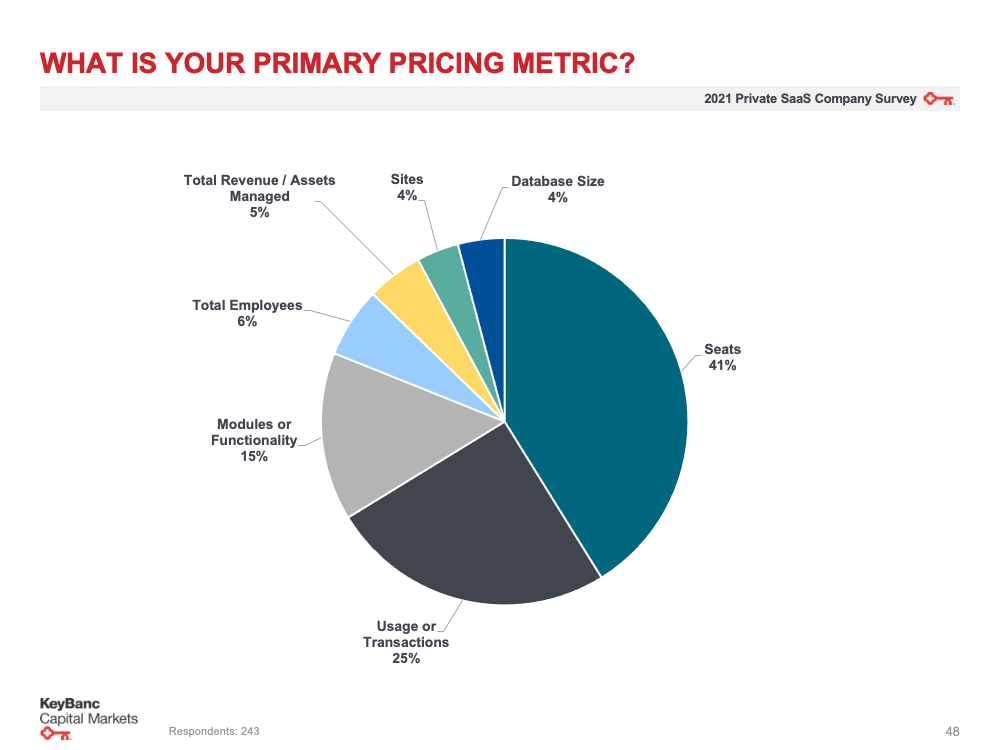
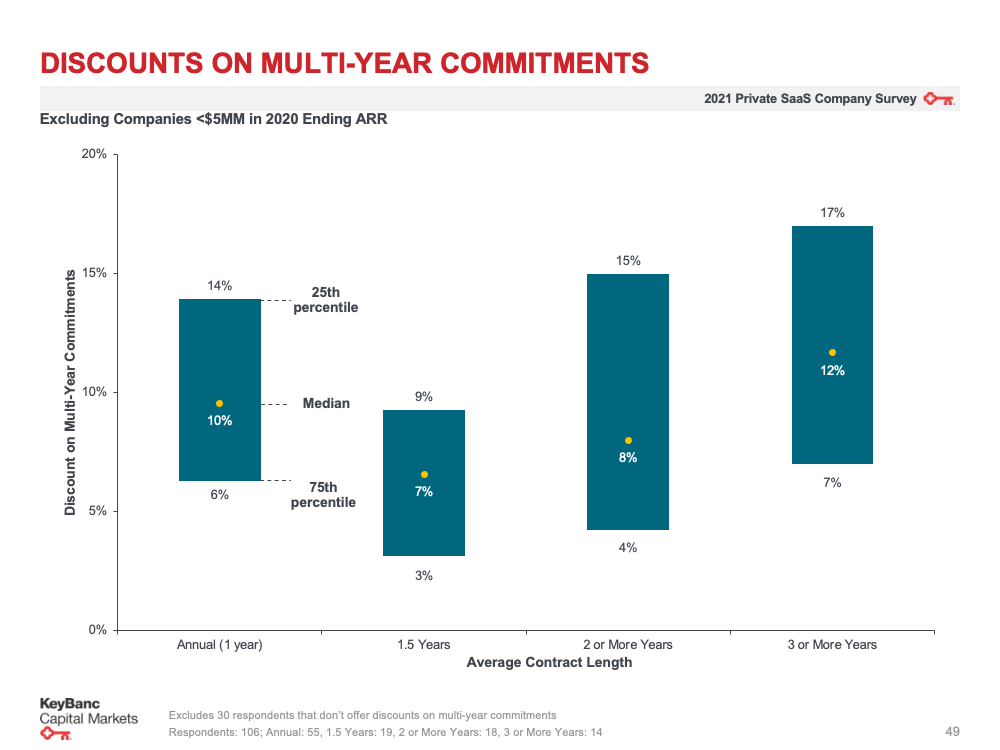
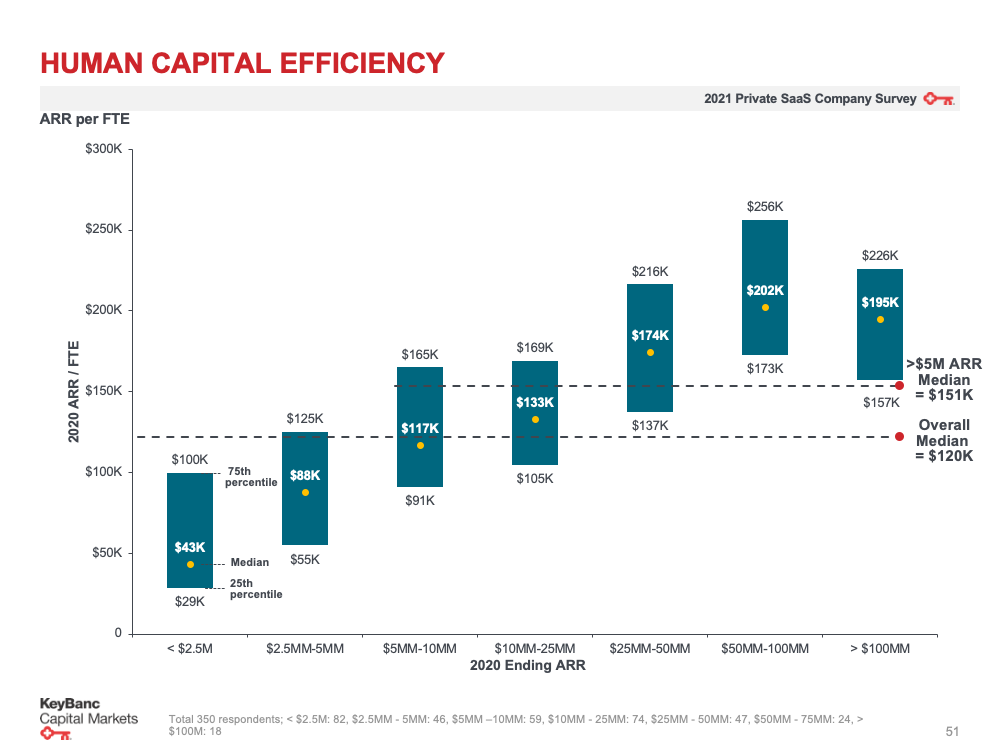
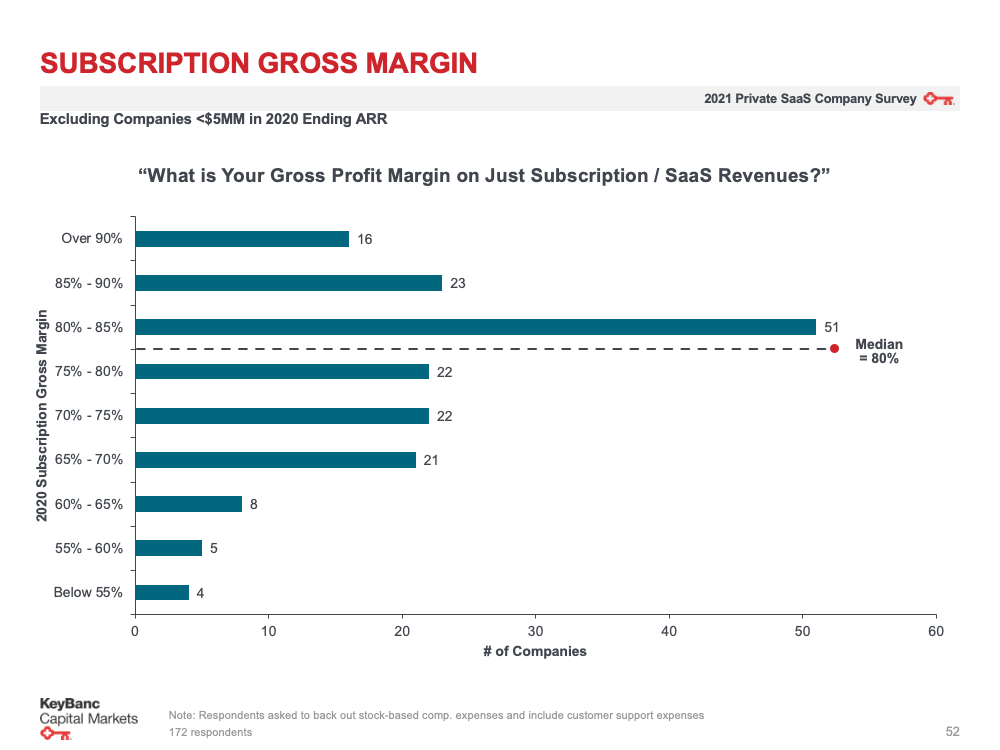
The provided content includes a series of images that visually represent key data points and trends from the 2021 SaaS Survey. While the specific textual details of these slides are not provided, they likely illustrate various facets of the SaaS market, such as:
- Market Size and Growth Projections: Visualizations of current market value and anticipated future growth rates.
- Customer Segmentation and Demographics: Data on the types of businesses adopting SaaS, their industries, and geographical distribution.
- Productivity and Efficiency Gains: Metrics demonstrating how SaaS solutions are enhancing business operations.
- Investment Trends: Charts showing the flow of venture capital and private equity into the SaaS sector, potentially broken down by sub-sectors or funding stages.
- Competitive Landscape: Analysis of market share, key players, and emerging competitors.
- Technological Adoption: Insights into the adoption of new features, integrations, and underlying technologies within SaaS platforms.
- Customer Satisfaction and Engagement: Data related to user experience, feature usage, and overall satisfaction levels.
- Future Outlook and Opportunities: Projections on emerging trends, new market opportunities, and potential disruptors.
These visual representations serve as crucial evidence supporting the survey’s conclusions, offering a data-driven perspective on the SaaS industry’s performance and potential. For a complete understanding, referring to the full PDF document is essential to interpret the specific charts, graphs, and data points presented in these images.

Strategic Implications for SaaS Businesses
The insights gleaned from the 2021 SaaS Survey carry significant strategic implications for companies operating within this sector. Understanding market trends, customer needs, and competitive dynamics is essential for developing effective business strategies.
For SaaS providers, key takeaways might include:
- Product Innovation: Continuously investing in research and development to incorporate new technologies and address evolving customer demands. This includes leveraging AI/ML for smarter features and exploring integrations with other platforms.
- Customer Centricity: Prioritizing customer success, implementing robust retention strategies, and actively seeking customer feedback to drive product improvements and reduce churn.
- Sales and Marketing Optimization: Refining customer acquisition strategies, focusing on efficient marketing channels, and optimizing the sales funnel to improve conversion rates and reduce CAC.
- Financial Prudence: Balancing aggressive growth with a focus on profitability and sustainable revenue models, particularly in light of potential economic uncertainties.
- Talent Acquisition and Development: Attracting and retaining skilled talent, especially in areas like software development, data science, and customer success, is crucial for innovation and growth.
For investors and stakeholders, the survey offers:
- Informed Investment Decisions: A data-backed perspective to identify high-potential SaaS companies and market segments.
- Risk Assessment: Understanding the key risks and challenges facing the SaaS industry, allowing for more informed due diligence.
- Market Opportunity Identification: Spotting emerging trends and niche markets with significant growth potential.
The Road Ahead: Continued Evolution and Innovation
The SaaS industry is characterized by its relentless pace of innovation and adaptation. As businesses continue to embrace digital transformation, the demand for sophisticated, integrated, and user-friendly SaaS solutions will only grow. The 2021 SaaS Survey, with its comprehensive analysis, provides a valuable snapshot of the market at a pivotal moment, highlighting the factors that have driven its success and the opportunities that lie ahead.
The collaborative effort between ForEntrepreneurs and KBCM underscores the importance of robust market research in navigating the complexities of the SaaS ecosystem. By delving into the data and understanding the underlying trends, stakeholders can make more informed decisions, foster innovation, and contribute to the continued growth and success of the SaaS industry. The journey of SaaS is far from over; it is a continuous evolution, driven by technological advancements and the ever-growing needs of businesses worldwide.

The detailed findings within the full survey document, accessible via the provided links, are essential for a complete understanding of the data and the nuances of the SaaS market in 2021. This article serves as an introduction and enrichment of the provided content, aiming to provide context and analytical depth to the survey’s findings.