A Comprehensive Comparison: Brain Sensei vs. The Project Management PrepCast for PMP Certification

The landscape of professional development for project managers is rich with options, particularly for those aspiring to achieve the Project Management Professional (PMP)® certification. Among the prominent providers, two names frequently emerge in discussions: The Project Management PrepCast, a well-established entity often associated with Cornelius Fichtner, and Brain Sensei, recognized for its innovative approach. This article aims to provide an objective and detailed comparison of these two leading PMP training platforms, evaluating their offerings, methodologies, user experience, and support structures to assist prospective candidates in making an informed decision.
Contextualizing PMP Certification and Training Evolution
The PMP certification, administered by the Project Management Institute (PMI)®, stands as a globally recognized credential for project managers. It signifies a professional’s proven competency in leading and directing projects across diverse industries. Achieving PMP certification typically requires a combination of project management experience, formal education, and a dedicated period of study, including completing the mandatory 35 contact hours of project management education.
Over the past two decades, the delivery of PMP training has evolved significantly. Initially dominated by in-person bootcamps and classroom settings, the advent of the internet and advancements in e-learning technologies have ushered in an era of flexible, self-paced online courses. This shift has democratized access to quality training, allowing professionals worldwide to prepare for the rigorous PMP exam at their own convenience. Providers like The Project Management PrepCast and Brain Sensei have been at the forefront of this evolution, each carving out a distinct niche through their pedagogical approaches and platform features. The continuous updates to the PMP Exam Content Outline (ECO), reflecting changes in project management practices, including agile and hybrid methodologies, further necessitate dynamic and adaptive training solutions.
The Contenders: An Overview of PM PrepCast and Brain Sensei
Cornelius Fichtner’s Project Management PrepCast has long been a fixture in the PMP training sphere. Known for its comprehensive content and traditional instructional style, it has garnered a reputation for thoroughness, catering to a broad base of learners seeking in-depth understanding of the PMBOK® Guide and the PMP ECO. The platform has consistently offered a wide array of options designed to meet various study needs and budgets.
Brain Sensei, while perhaps a newer entrant compared to the PrepCast, has rapidly gained recognition for its distinctive, story-based, and highly interactive learning methodology. It emphasizes engagement through animated scenarios and gamified elements, appealing to learners who thrive in dynamic digital environments. Both companies are committed to equipping project management professionals with the knowledge and skills required to pass the PMP exam, but they achieve this through fundamentally different educational philosophies.
Divergent Pedagogies: A Deep Dive into Training Methods
The most significant distinction between Brain Sensei and The Project Management PrepCast lies in their core instructional design. Understanding these differences is crucial for prospective students, as learning preferences play a paramount role in the effectiveness of any educational program.

Brain Sensei’s Interactive and Animated Approach
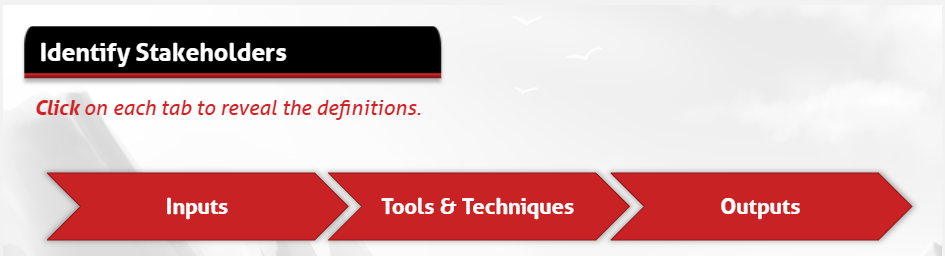
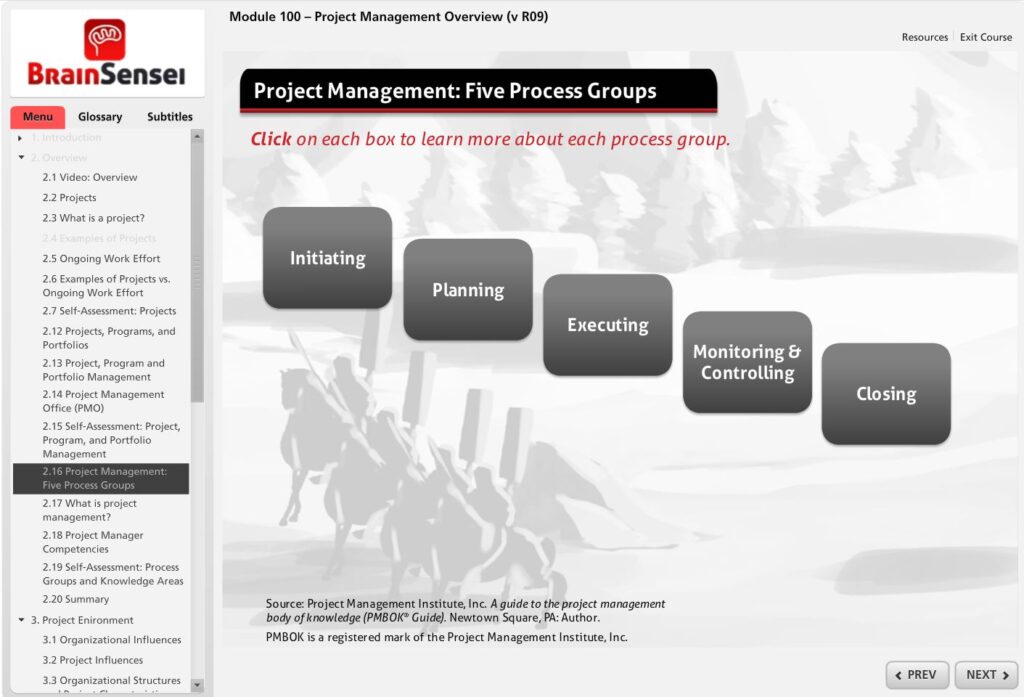
Brain Sensei employs an animated, story-driven approach, often themed around a samurai journey, to deliver its PMP content. The videos are highly interactive, designed to keep learners actively engaged rather than passively consuming information. For instance, students are frequently prompted to click on screen elements to reveal definitions, navigate through scenarios, or participate in mini-exercises embedded directly within the lessons. This method leverages principles of active learning, where engagement with the material through interaction can enhance retention and comprehension. The gamified elements and narrative structure aim to make the learning process less monotonous and more enjoyable, which can be particularly beneficial for individuals who struggle with traditional lecture formats or long study sessions. This approach aligns with modern pedagogical research suggesting that interactivity and narrative context improve learner motivation and knowledge integration. However, it is also observed that certain slides within Brain Sensei’s curriculum may contain extensive text, seemingly derived directly from the PMBOK® Guide, and presented without accompanying narration. This could potentially disrupt the otherwise interactive flow, requiring learners to engage in self-study for those specific segments.
PM PrepCast’s Traditional Lecture-Based Style
In stark contrast, The Project Management PrepCast utilizes a more conventional video lecture format. Cornelius Fichtner, the primary instructor, guides learners through concepts using a slide presentation akin to a PowerPoint deck. The instructional design is focused on clear, direct explanations of project management principles, processes, and knowledge areas. While the slide design may not always reflect the most contemporary aesthetic, the emphasis remains squarely on the delivery of comprehensive and accurate content. The PrepCast’s video modules are segmented into shorter lessons, allowing for self-paced study. Each module typically concludes with a review question, prompting learners to pause and reflect before the answer is revealed. This method caters effectively to auditory and visual learners who prefer a structured, didactic presentation of information. It also provides a straightforward environment for note-taking and deep conceptual absorption without the distraction of constant interaction. For many professionals, this traditional lecture style is familiar and effective, allowing them to focus solely on the instructor’s expertise and the presented material.
Analysis of Learning Styles and Efficacy
The choice between these two methodologies largely boils down to individual learning preferences. Learners who benefit from active participation, visual storytelling, and a dynamic interface may find Brain Sensei’s approach more engaging and effective. The constant interaction can prevent mental fatigue and reinforce learning through immediate application. Conversely, individuals who prefer a more passive, yet deeply informative, learning experience – those who enjoy listening to an expert explain complex topics and taking their own detailed notes – might find The PM PrepCast’s video lectures more suitable. The traditional format allows for focused attention on content without the need for frequent clicks or navigation. Both methods have proven efficacy, with their success largely dependent on the alignment between the student’s preferred learning style and the platform’s instructional design. The rise of diverse learning technologies underscores the fact that no single pedagogical approach is universally superior; rather, effectiveness is optimized when matched with individual cognitive styles.
Comprehensive Offerings: Packages and Resources
Both Brain Sensei and The Project Management PrepCast offer distinct packages to prepare candidates for the PMP exam, often including essential components like video training and exam simulators. For a direct comparison, the self-paced Brain Sensei course is typically benchmarked against The PM PrepCast Elite package, as both include these core elements.
Brain Sensei’s Core Offerings
Brain Sensei generally streamlines its offerings, primarily focusing on its signature self-paced, interactive course. This package comprehensively covers the 35 contact hours required by PMI, integrating its animated lessons with quizzes and practice questions. The inclusion of a robust exam simulator is a critical component, providing students with realistic practice tests that mimic the actual PMP exam environment, question types, and time constraints. This focused approach ensures that learners receive a consistent and branded experience centered around their unique methodology.
PM PrepCast’s Diverse Portfolio
The Project Management PrepCast, in contrast, provides a more granular array of options, catering to a wider spectrum of needs and budgets. Its packages can range from basic access to video lessons to comprehensive bundles like the Elite package. The Elite package, chosen for this comparison, typically combines the extensive video training modules with access to their highly regarded PM Exam Simulator. The simulator is a standout feature, often praised for its vast question bank, detailed explanations, and customizable practice modes. Beyond the Elite package, the PrepCast may offer variations that include additional study aids, printable materials, or varying durations of access, allowing students to tailor their purchase more precisely to their specific study plan and financial considerations.
Comparative Analysis of Key Features
When comparing the self-paced Brain Sensei course with The PM PrepCast Elite package, the presence of both video training and an exam simulator in each is a key commonality. The quality and depth of these components, however, can differ.
- Video Content: Brain Sensei’s video content is characterized by its animations and interactivity, breaking down complex topics into digestible, engaging segments. The PM PrepCast offers a more direct, lecture-style delivery, which some learners find more efficient for absorbing large volumes of information. The total hours of video content and the depth of coverage for each PMP process group and knowledge area are important considerations.
- Exam Simulators: Both providers understand the critical role of practice exams. A high-quality exam simulator provides not only practice questions but also detailed explanations for correct and incorrect answers, performance analytics, and the ability to simulate full-length exams. While both platforms include this feature, the sheer volume of questions and the realism of the simulation are often points of comparison for students. The PM PrepCast’s simulator is widely known for its extensive question database, often exceeding those of many competitors.
The choice of package ultimately depends on a student’s budget, desired level of resources, and the preferred method of engaging with practice questions.
User Experience and Platform Design
The effectiveness of an online learning platform is significantly influenced by its user interface (UI) and overall user experience (UX). Both Brain Sensei and The Project Management PrepCast operate on Learning Management Systems (LMS) that, while functional, present distinct characteristics.
Interface Functionality and Navigation
Brain Sensei’s platform, built on Articulate, offers a relatively clean and modern interface, particularly within its interactive lesson modules. Its design prioritizes smooth navigation through the story-based learning path. However, like many rich multimedia platforms, its performance can be browser-dependent, with Chrome often recommended for optimal experience. The nested lesson structure, while comprehensive, requires some initial acclimatization for users to navigate through the extensive curriculum.
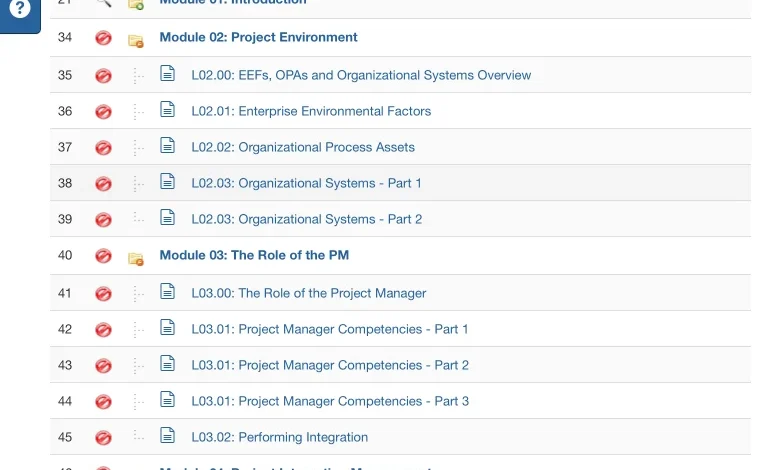
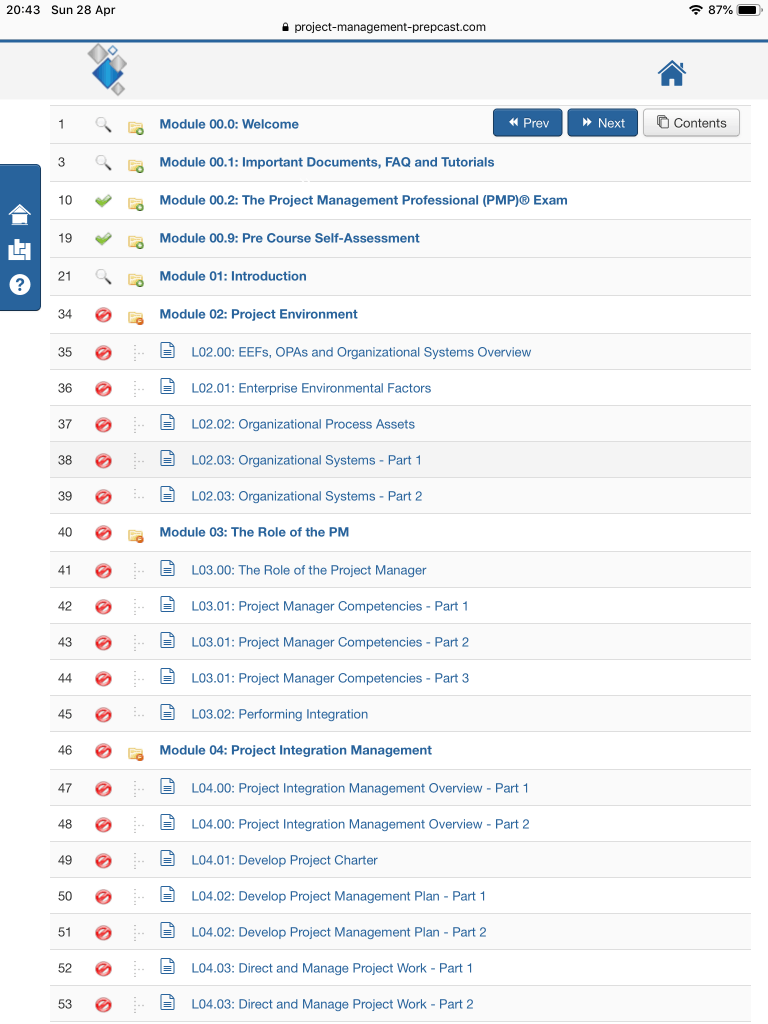
The PM PrepCast utilizes a different LMS, which, as noted by some users, presents a more traditional or "old-fashioned" aesthetic. Despite this, its functionality is robust, allowing users to access a wealth of materials, including videos, downloadable resources, and simulator access. Navigation within its system involves scrolling through extensive menus of nested lessons, which can be dense given the sheer volume of content. While perhaps not as visually slick as some contemporary e-learning platforms, its design prioritizes content accessibility and comprehensive cataloging.
Industry Benchmarks for LMS Design
Comparing these platforms to industry benchmarks reveals common challenges in designing LMS for extensive, certification-level content. Platforms like Teachable, often cited for their clean and intuitive interfaces, typically host courses with less complex, multi-layered content. For PMP preparation, where thousands of pages of material and hundreds of video hours must be organized logically, a certain degree of information density in the UI becomes unavoidable. Both Brain Sensei and The PM PrepCast prioritize the delivery of comprehensive content over minimalist design, which is a pragmatic choice for a certification requiring mastery of a vast body of knowledge. Learners typically adapt quickly to either system, finding the core functionalities necessary for study. Therefore, while UI aesthetics can influence initial impressions, the long-term impact on learning is often minimal compared to the quality of content and instructional design.
Community and Customer Engagement
Beyond the core learning material, the availability of support and a sense of community can significantly enhance the PMP preparation journey. Both Brain Sensei and The PM PrepCast have established distinct mechanisms for student interaction and assistance.
PM PrepCast’s Forum-Based Ecosystem
The Project Management PrepCast boasts a substantial and long-standing community, primarily facilitated through its active online forums. These forums are a rich resource for students, providing a platform to ask questions, share insights, and discuss challenging concepts with peers and experienced moderators. The involvement of community moderators, some of whom are experts in the field, ensures that queries receive informed responses, fostering a collaborative learning environment. This traditional forum structure allows for asynchronous discussions, creating a searchable knowledge base that benefits current and future students. Additionally, the PrepCast’s dedicated support team is known for its responsiveness, and extensive online help documentation further augments the assistance available to learners. Its active presence on various social media profiles also provides additional avenues for communication and updates.
Brain Sensei’s Social Community Focus
Brain Sensei, while not featuring a traditional student forum, cultivates a highly engaged community through its active Facebook group. This social media-centric approach offers a more informal and real-time interaction environment, where students can quickly connect with each other and often with members of the Brain Sensei team. The immediacy of social media can be particularly appealing to learners who prefer quick answers and a sense of camaraderie. Like the PrepCast, Brain Sensei also provides robust online help resources and maintains active social media profiles, ensuring multiple touchpoints for student support. Direct inquiries via their help button are typically met with prompt responses from their support staff.
The differing community models reflect varied approaches to fostering learner interaction. The PrepCast’s forum provides a structured, archival knowledge base, while Brain Sensei’s Facebook group offers a dynamic, real-time social experience. Both are effective in their own right, catering to different preferences for community engagement and support. The choice between them may depend on whether a learner prefers structured discussions and searchable archives or a more informal, immediate social interaction.
Commitment to Learners: Guarantees and Support Policies
The policies surrounding refunds and pass guarantees are significant factors for prospective PMP candidates, offering a degree of financial and academic assurance. Both providers adhere to common industry practices while also differentiating themselves in specific areas.
Refund Policies: Industry Standards
Both Brain Sensei and The Project Management PrepCast offer a 30-day refund period, aligning with standard consumer protection practices for online educational products. However, these refunds are subject to specific conditions designed to prevent misuse of the course materials. For Brain Sensei, the refund is valid provided the student has not completed more than one practice exam (applicable to both CAPM® and PMP® courses). Similarly, The PM PrepCast’s refund policy stipulates that students must not have started or completed the final exam, printed their contact hours certificate, intended to claim any contact hours, or taken one or more quizzes or exams. These conditions are reasonable, allowing students ample time (a full month) to assess if the teaching style and platform align with their learning needs before committing fully, without allowing extensive use of the high-value exam simulator or certification credit.
The Pass Guarantee: A Key Differentiator
This is where the two platforms diverge significantly, reflecting different philosophies on student success and risk mitigation.
Brain Sensei’s 100% Pass Guarantee: Brain Sensei offers a comprehensive 100% pass guarantee. If a student fails the PMP exam within one year of purchasing the course, they are granted an additional 90 days of access to the course material. Should they fail a second time, another 90-day extension is provided. Critically, if a student fails for a third time, Brain Sensei commits to a full refund, provided the second and third attempts occur within six months of the first attempt. This robust guarantee underscores Brain Sensei’s confidence in its product and provides a strong safety net for students, potentially reducing anxiety associated with the exam’s difficulty and cost. It offers substantial peace of mind, knowing that the investment is protected across multiple attempts, within a defined timeframe. This policy is broadly mirrored in their CAPM training, with a slightly stricter timeframe requiring all three attempts within one year of purchase.
PM PrepCast’s Exam Simulator Extension: The PM PrepCast does not offer a monetary pass guarantee. Instead, their commitment to student success is demonstrated through offering an extension to their PM Exam Simulator product if a student fails the PMP exam once or twice. This approach focuses on providing continued access to practice questions, reinforcing the belief that extensive practice and simulation are the most effective means of preparing for a retake. While it doesn’t offer a refund, it provides valuable resources to help students overcome their previous shortcomings and succeed on subsequent attempts. This strategy aligns with their emphasis on thorough preparation through practice.
The difference in guarantees highlights varied approaches to supporting students post-initial exam attempt. Brain Sensei’s policy provides a financial safeguard, while The PM PrepCast focuses on extending access to what they consider their most potent preparation tool – the exam simulator. Candidates must weigh which form of assurance best suits their individual comfort level and financial planning.
Social Responsibility: Military Scholarship Programs
A notable aspect of Brain Sensei’s offerings is its commitment to social responsibility through a scholarship program specifically for military personnel. This initiative stands out in the project management training landscape.
The Significance of Military Support
Brain Sensei’s military scholarship program offers either a 10% or 100% discount on course fees, available to active duty service members or retired personnel upon verification. This program is significant for several reasons. It acknowledges the unique challenges faced by military personnel, particularly those transitioning to civilian careers, where PMP certification can be a valuable asset for leveraging their leadership and organizational skills in the private sector. Such scholarships reduce financial barriers, making high-quality professional development accessible to a deserving demographic. This commitment goes beyond commercial objectives, demonstrating an understanding of and support for those who have served.
Evolution of Scholarship Initiatives (PMIEF Context)
Historically, The PM PrepCast also facilitated scholarships, often in collaboration with the PMI Educational Foundation (PMIEF). PMIEF is known for its efforts to advance project management education and offer scholarships globally to individuals pursuing project management certifications. However, due to changes in PMIEF’s policy, The PM PrepCast no longer offers scholarships through that particular channel. This shift underscores the dynamic nature of such philanthropic initiatives and highlights Brain Sensei’s current, direct engagement in supporting military personnel through its own program. The presence of such a program can be a deciding factor for eligible candidates, reflecting a company’s values and commitment to broader societal impact.
Strategic Choice for PMP Aspirants
The decision between Brain Sensei and The Project Management PrepCast ultimately hinges on a confluence of individual learning preferences, budgetary considerations, and desired levels of support and assurance. Both platforms are reputable providers of PMP training, each excelling in distinct areas.
For learners who thrive on interactive content, visual engagement, and a story-driven learning experience, Brain Sensei presents a compelling option. Its animated modules and gamified approach are designed to maintain high levels of engagement, particularly for those who find traditional lecture formats challenging. The 100% pass guarantee offers a significant financial safety net, underscoring the company’s confidence in its pedagogical method.
Conversely, The Project Management PrepCast caters to individuals who prefer a more traditional, in-depth, and lecture-based instructional style. Its extensive video library, delivered by an experienced instructor, provides a comprehensive and methodical coverage of the PMP curriculum. The platform’s robust exam simulator, often cited for its vast question bank, is a critical asset for exam preparation, and the active community forums offer a valuable resource for collaborative learning and problem-solving. While it lacks a monetary pass guarantee, its commitment to extending simulator access for re-takers demonstrates a focus on practical support for continued study.
The evolution of PMP certification and the growing emphasis on agile and hybrid methodologies mean that both providers continually update their content to remain relevant. Prospective candidates are encouraged to explore demo versions or free trials, where available, to personally experience the user interface and teaching methodologies before committing to a purchase. Engaging with the respective communities, whether via forums or social media, can also provide valuable insights from current and past students.
In conclusion, both Brain Sensei and The Project Management PrepCast offer high-quality pathways to PMP certification. The optimal choice is not about one being definitively superior to the other, but rather about aligning the platform’s strengths with one’s personal learning style, study habits, and support requirements. This careful consideration will ensure a more effective and ultimately successful PMP preparation journey.
Related posts: