SIPOC Diagrams: A Cornerstone Tool for Process Optimization and Strategic Business Clarity


Process mapping stands as an indispensable practice in modern business, offering organizations a structured approach to understanding the intricate web of operations that define their daily functions. By providing a clear business context for individual tasks, process mapping tools empower teams to identify efficiencies, streamline workflows, and drive significant value. Among these tools, the SIPOC diagram has emerged as a particularly robust and widely adopted methodology, foundational to disciplines like Six Sigma and Lean manufacturing, yet versatile enough for application across diverse industries. This high-level visual representation of a process helps stakeholders grasp the entire operational landscape, fostering clarity and alignment before deep dives into process specifics.
The Genesis and Evolution of Process Mapping
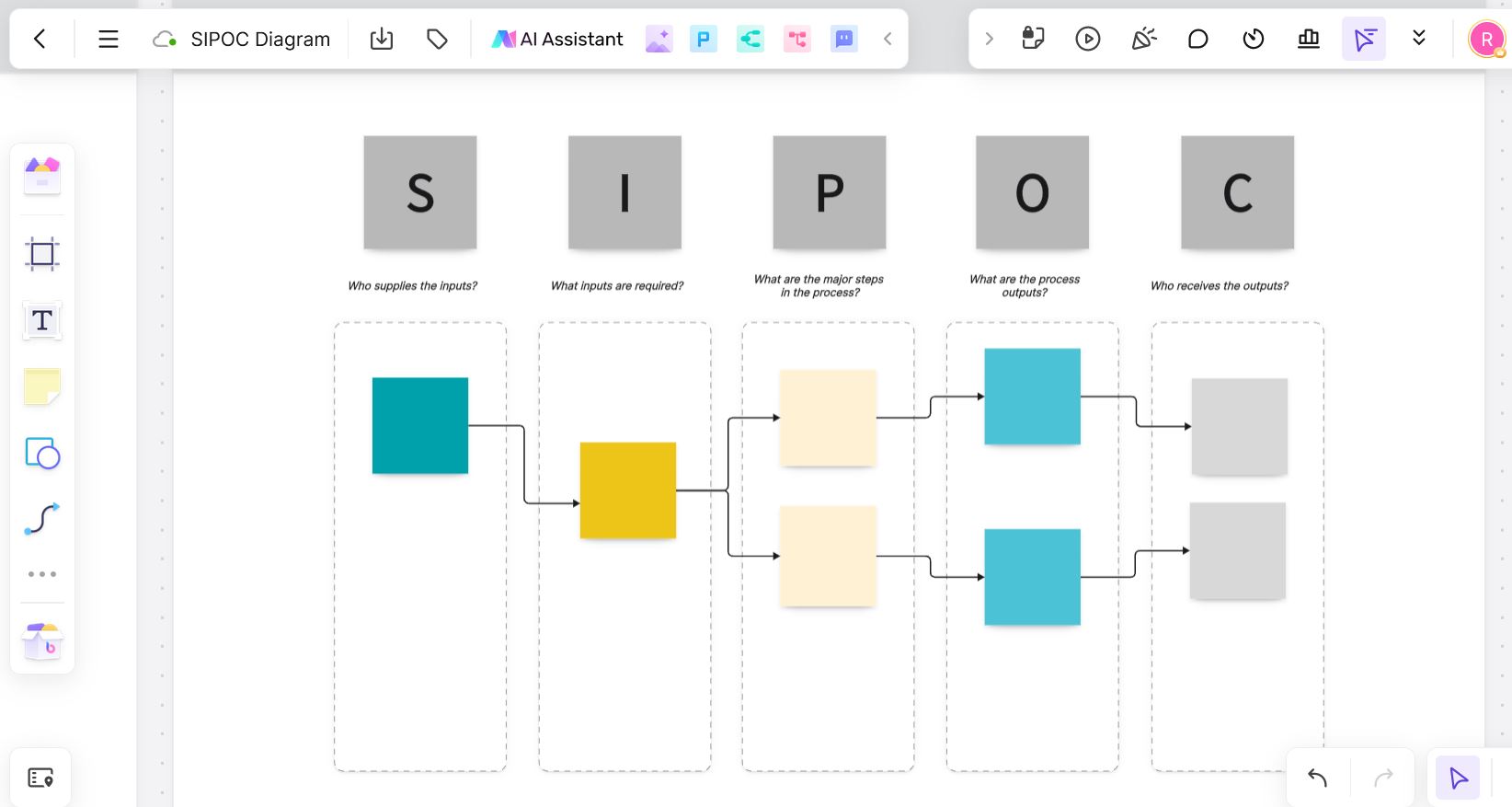
The concept of process mapping, though perhaps not always formalized under this specific nomenclature, has roots in the early 20th century with pioneers like Frederick Winslow Taylor and Henry Gantt, who sought to optimize industrial processes. However, the structured methodologies prevalent today gained significant traction with the rise of quality management movements in the mid-to-late 20th century. The SIPOC diagram, pronounced "sigh-pok," traces its direct lineage to the Six Sigma methodology, which originated at Motorola in the 1980s and was later popularized by General Electric.
Six Sigma, a data-driven approach for eliminating defects and improving processes, formalized tools like SIPOC as critical components of its Define, Measure, Analyze, Improve, Control (DMAIC) framework. Within the "Define" phase, SIPOC serves to scope and identify the key elements of a process under review. Its simplicity and comprehensive overview quickly led to its adoption beyond the manufacturing sector, permeating service industries, healthcare, information technology, and civil engineering projects. Its enduring relevance speaks to a fundamental need within organizations to visualize and comprehend operational flows before embarking on improvement initiatives or significant changes.
Deconstructing the SIPOC Framework

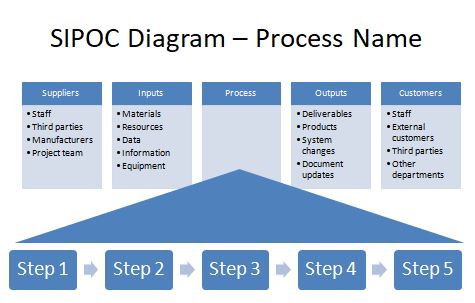
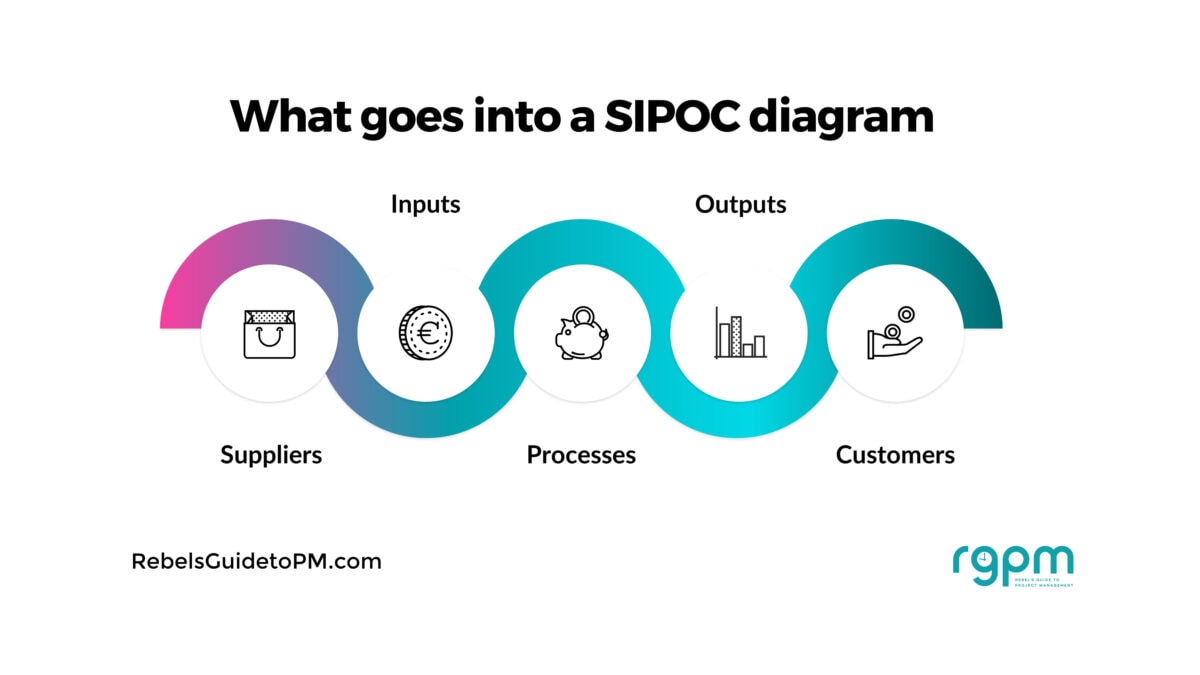
A SIPOC diagram provides an end-to-end, high-level view of any business process, articulating five core components: Suppliers, Inputs, Process, Outputs, and Customers. This structured approach ensures that all critical elements influencing or resulting from a process are identified and understood by stakeholders.
-
Suppliers: These are the entities or individuals who provide the necessary resources, information, or materials (inputs) for the process to commence. Suppliers can be internal departments, external vendors, or even customers providing data. For instance, in a website account registration process, a web hosting company, the customer providing personal details, and internal IT teams providing system access could all be considered suppliers. Identifying suppliers is crucial for understanding dependencies and potential points of failure or collaboration.
-
Inputs: Inputs represent the raw materials, information, services, or conditions required by the process to operate. These are the elements that will be transformed by the process into outputs. Continuing the website registration example, inputs would include customer names, email addresses, password choices, and potentially payment details. A thorough identification of inputs ensures that all necessary prerequisites for the process are accounted for, preventing delays or quality issues.
-
Process: This central element outlines the key steps or stages of the operation itself. Crucially, the SIPOC diagram focuses on a high-level overview, typically encapsulating five to seven major steps, rather than a granular, step-by-step flowchart. The objective is to provide a clear, concise summary of "what happens" without delving into exhaustive detail. For website registration, this might involve steps such as "Customer Submits Information," "System Validates Data," "Account Created," and "Confirmation Sent." This high-level perspective ensures that all participants share a common understanding of the process’s core progression.
-
Outputs: Outputs are the direct results or deliverables produced by the process after the inputs have been transformed. These are what the customers receive or what is passed on to the next process in a larger workflow. In the website registration scenario, outputs would include a new customer account, a confirmed user profile, an email notification to the customer, and potentially a new marketing lead for the sales team. Defining outputs clearly helps in measuring process effectiveness and ensuring it meets customer needs.
-
Customers: These are the recipients of the outputs generated by the process. Often, the definition of "customer" extends beyond the traditional external end-user to include internal stakeholders, other departments, or even subsequent processes that utilize the output. For the website registration, the primary customer is the end-user who has registered, but internal sales and marketing teams who gain access to new customer data are also critical customers. This segment emphasizes the "voice of the customer," ensuring that the process is designed and optimized to meet their expectations and requirements, which can often be further specified through "customer requirements" or "success criteria."
Strategic Value and Broader Implications
The utility of a SIPOC diagram extends far beyond merely documenting a process. It serves as a powerful strategic tool with several key advantages:
- Establishing a Common Understanding: By visually presenting a process, SIPOC ensures that all team members, regardless of their role or department, develop a shared, high-level understanding. This alignment is critical for cross-functional projects and initiatives.
- Defining Process Boundaries: It clearly delineates where a process begins and ends, preventing scope creep and ensuring that improvement efforts are focused on the relevant stages.
- Identifying Key Stakeholders: The explicit listing of suppliers and customers helps in identifying all individuals and groups with an interest or involvement in the process, facilitating effective stakeholder management and communication.
- Facilitating Problem Solving: By mapping the process, potential areas of inefficiency, bottlenecks, or disconnects between suppliers and customers become more apparent, laying the groundwork for more detailed analysis and problem-solving using other Six Sigma or Lean tools.
- Supporting Change Management: When an organization intends to modify an existing process, a SIPOC diagram of the current state ("as-is") provides a baseline against which proposed changes ("to-be") can be evaluated, allowing for a comprehensive understanding of the impact of the alteration.
- Integration with Continuous Improvement: As a core tool in the DMAIC cycle, SIPOC is instrumental in continuous improvement initiatives. It enables teams to define the process before measuring its performance, analyzing root causes of issues, implementing improvements, and establishing controls to sustain gains.
Industry data consistently underscores the benefits of effective process management. According to various reports from business consultancy firms, organizations that actively engage in process mapping and optimization can experience significant improvements, including a 15-20% reduction in operational costs, up to a 30% increase in process efficiency, and enhanced customer satisfaction scores. These gains are often directly attributable to the clarity and insight provided by tools like SIPOC.
Expert Perspectives and Practical Application
Leading project managers and business analysts frequently highlight the collaborative nature of SIPOC development. "A SIPOC diagram is not a solo exercise," states a prominent figure in organizational excellence (inferred statement). "Its true power lies in bringing diverse teams together in a workshop setting. This collective brainstorming ensures that all perspectives are captured, enriching the diagram with practical insights and fostering a sense of shared ownership over the process and its potential improvements." This collaborative aspect helps in identifying overlooked inputs, unexpected outputs, or critical internal customers, enriching the overall understanding.
While often associated with formal Six Sigma deployments, the practical application of SIPOC diagrams is not limited to certified Black Belts. Any project manager, team lead, or business owner can leverage this tool to gain clarity on their operations, whether it’s mapping customer journeys in a small business or outlining the complex material flows in a major civil engineering endeavor.
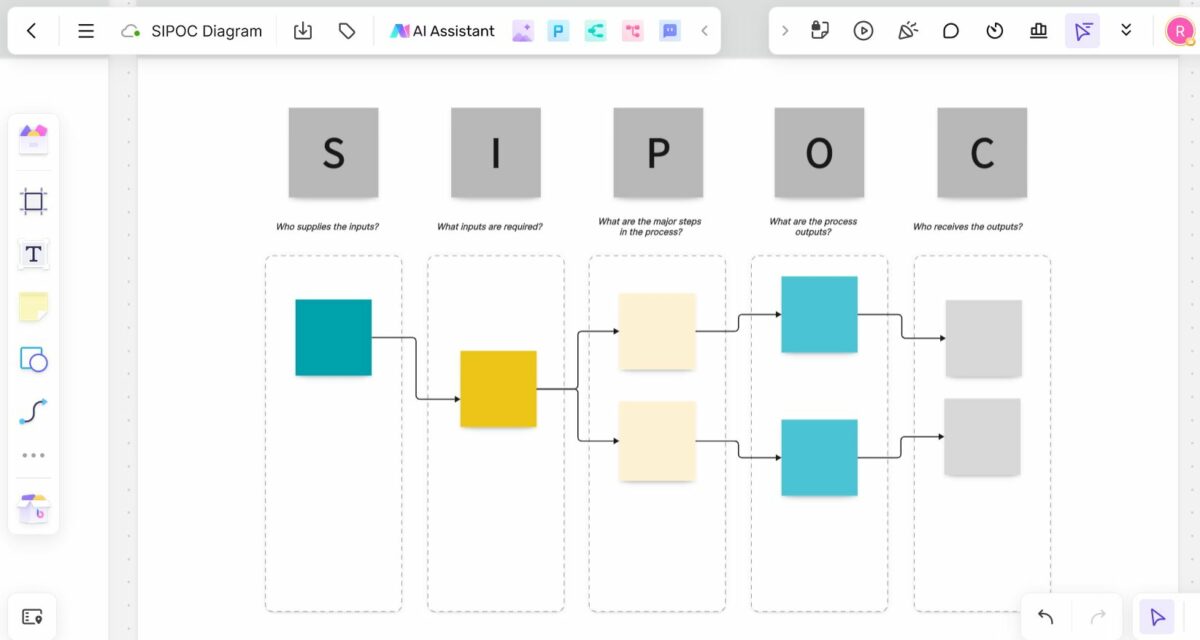
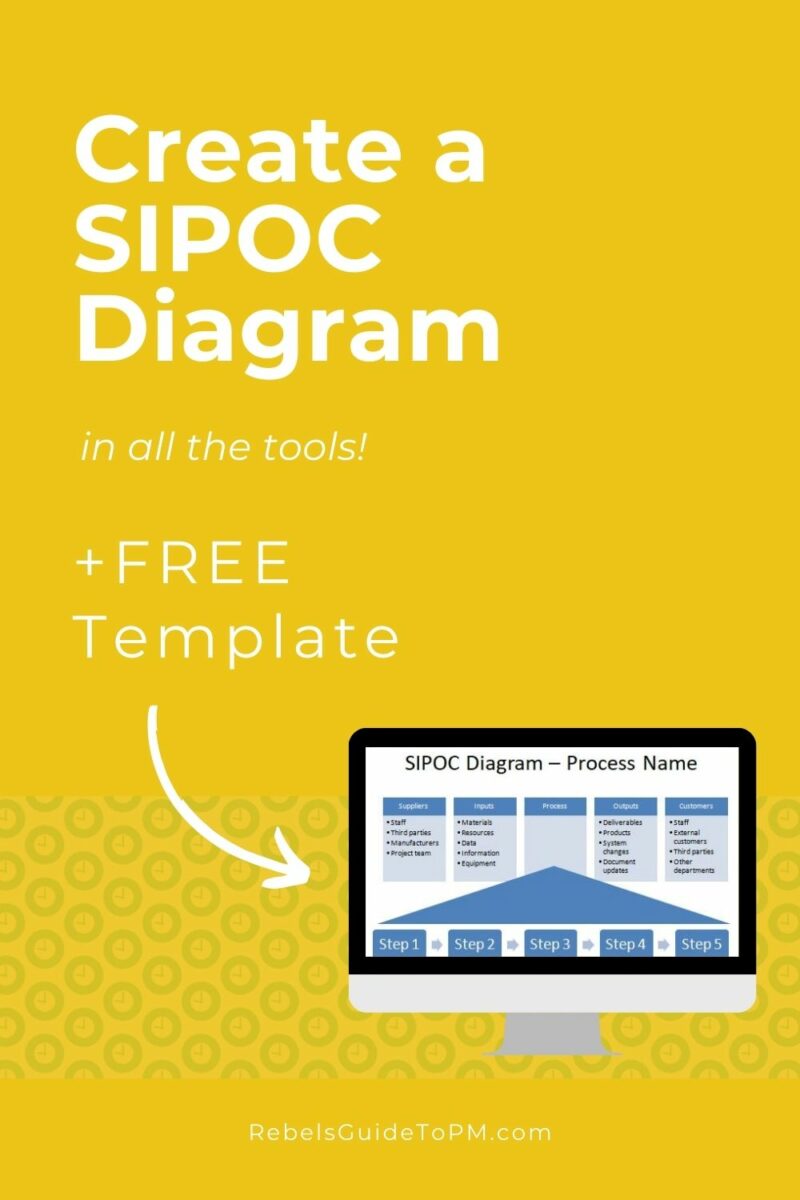
The flexibility of SIPOC also extends to its creation. While specialized charting tools like Microsoft Visio or modern whiteboarding platforms such as Miro or Boardmix offer dedicated templates and advanced functionalities, a functional SIPOC diagram can be effectively generated using ubiquitous office applications. PowerPoint templates, for instance, allow for visual representation and easy customization. Even simpler, a five-column table in Excel or Word can effectively capture the necessary information, proving that the value of the tool lies in its conceptual framework rather than sophisticated software. The key remains a clear, concise, and high-level representation.
Limitations and Future Outlook
Despite its widespread utility, it is important to acknowledge the inherent limitations of the SIPOC model. Its primary strength—providing a high-level overview—is also its main constraint. SIPOC is not designed for granular process mapping; it will not furnish the detailed, step-by-step instructions required for training manuals or comprehensive user guides. For complex processes, it may be necessary to break them down into several sub-processes, each with its own SIPOC diagram, or to supplement the SIPOC with more detailed flowcharts and swimlane diagrams.
However, these limitations do not diminish its foundational role. SIPOC serves as an excellent starting point for any process analysis, providing the macro-level context before drilling down into micro-level details. In an era of rapid digital transformation, increasing automation, and continuous pressure for operational excellence, the ability to quickly and clearly define processes remains paramount. As organizations increasingly adopt agile methodologies and strive for lean operations, tools like SIPOC will continue to provide the necessary clarity to navigate change, identify opportunities for innovation, and ensure that every process contributes effectively to strategic business objectives. Its simplicity, combined with its profound ability to align stakeholders and illuminate operational flows, secures its place as an enduring and invaluable asset in the toolkit of modern business management.