Decoding the RFI in Construction: Essential Practices for Modern Project Management

In the fast-paced and highly specialized world of modern construction, thousands of moving parts must synchronize to bring a structural blueprint from conception to physical reality. Amidst this complexity, the Request for Information—commonly known as an RFI—serves as a vital communications backbone. When subcontractors encounter ambiguous blueprints, missing specifications, or unforeseen site conditions, the RFI emerges as the official mechanism to bridge the gap between design and execution. Far from being a mere administrative formality, a well-managed RFI process is a binding contractual obligation that safeguards budgets, protects project timelines, and ensures structural integrity across the entire project lifecycle.
Understanding the Mechanics of a Construction RFI
At its core, a construction RFI is a formal written inquiry submitted by a contractor, general contractor, or subcontractor to seek clarification regarding contract documents, architectural plans, engineering specifications, or job-site conditions. When ambiguities or omissions are discovered in the initial documentation, the party executing the physical labor cannot simply guess the intent of the designer; doing so risks costly rework, structural failure, and legal liability.
Industry data underscores the financial weight of these inquiries. According to recent construction management metrics, large-scale commercial and civil projects frequently process hundreds, if not thousands, of RFIs over their operational lifetimes. Each unresolved inquiry represents a potential bottleneck. If an RFI languishes without a response, entire trade crews can find themselves idling on-site, driving up labor overhead and threatening the critical path of the master schedule. Consequently, establishing a streamlined, trackable RFI workflow is imperative for project managers striving to deliver buildings on time and within financial parameters.

Chronology and the Lifecycle of an RFI Process
The lifecycle of a standard construction RFI follows a disciplined, multi-step chronological progression designed to ensure accountability and traceability.
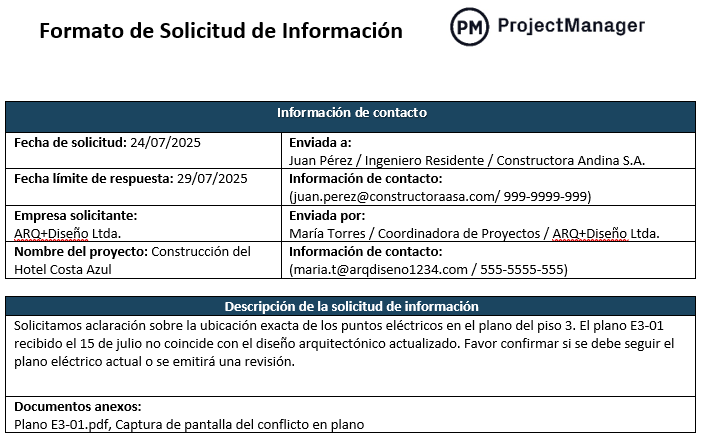
The process typically initiates in the field. When trade contractors—such as electricians, plumbers, or flooring specialists—review the scope of work and identify a discrepancy or lack of detail, they draft an RFI. This document must clearly state the nature of the problem, reference specific drawing or specification numbers, and often propose a recommended solution.
Once drafted, the RFI enters the review phase. The general contractor reviews the document to ensure validity before routing it to the appropriate authority, whether that is the project architect, structural engineer, or owner’s representative. These design professionals examine the technical implications of the inquiry, formulate an official response, and update the project records accordingly.
Upon receiving the response, the requesting party evaluates the solution. If the clarification is deemed sufficient, the hold is lifted, and work resumes. If the response introduces new complications or fails to address the root issue, the RFI is officially rejected or re-routed, restarting the consultation loop. This iterative cycle underscores why modern construction firms increasingly rely on centralized, cloud-based software platforms rather than static paper trails to manage communications in real time.
RFI Versus Other Project Solicitation Documents
In the broader ecosystem of construction administration, confusion often arises regarding the precise distinctions between various procurement and inquiry documents. While they share similar acronyms, their legal weight and functional purposes vary significantly.
A Request for Proposal (RFP) is typically issued by a project owner during the early pre-construction phases. It seeks comprehensive insights into a potential vendor’s methodologies, pricing models, and specialized capabilities. In contrast, an RFI is deployed mid-construction to resolve specific, localized ambiguities in existing documents.
Similarly, a Request for Quotation (RFQ) focuses primarily on securing precise pricing for predefined materials, products, or services. It asks suppliers how much a specified scope will cost, rather than questioning whether a design drawing is correct. Meanwhile, a Request for Tender (RFT) represents a formal, legally binding invitation to bid on a project under strict, contractual conditions, making it fundamentally different from the purely informational and clarifying nature of an RFI.
Strategic Benefits and Industry Implications
Implementing a rigorous, transparent RFI protocol delivers tangible advantages to both general contractors and specialized subcontractors. First and foremost, it eliminates guesswork. By creating a written record of decisions, it protects all stakeholders against liability if unforeseen site conditions necessitate design alterations.
Furthermore, the RFI process enhances cost transparency. When subcontractors submit structured inquiries regarding material specifications or installation methods, general contractors can obtain objective, comparable data from multiple suppliers. This fosters healthy competition, curbs inflated bids, and safeguards the overall construction budget.
The broader implications of efficient RFI management touch every layer of the industry. Delays in RFI turnaround times are consistently cited by construction analysts as a primary driver of project friction, leading to disputes, arbitration, and litigation. As profit margins in construction remain tightly contested—often hovering in low single digits—minimizing administrative drag through digital tracking tools has transitioned from a luxury to a baseline survival strategy.
Modernizing Construction Management Through Integrated Software
Historically, tracking RFIs relied on physical logbooks, fragmented email chains, and static spreadsheets that quickly fell out of date. Today, the digitalization of the construction sector has transformed how teams collaborate.
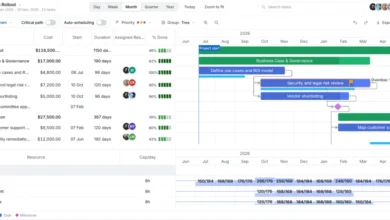
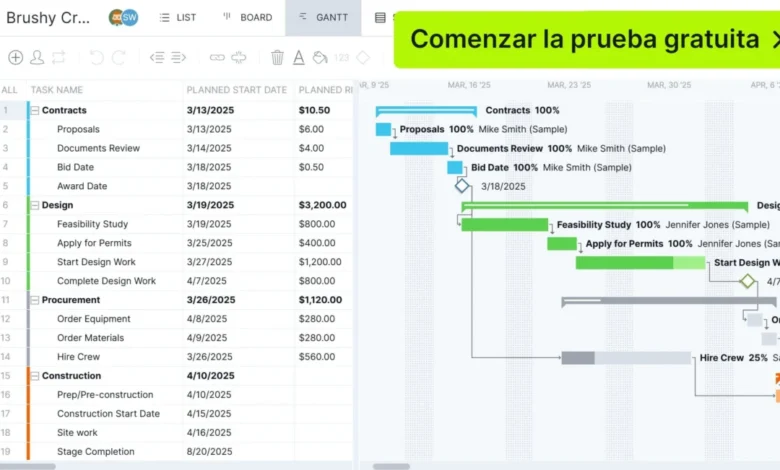
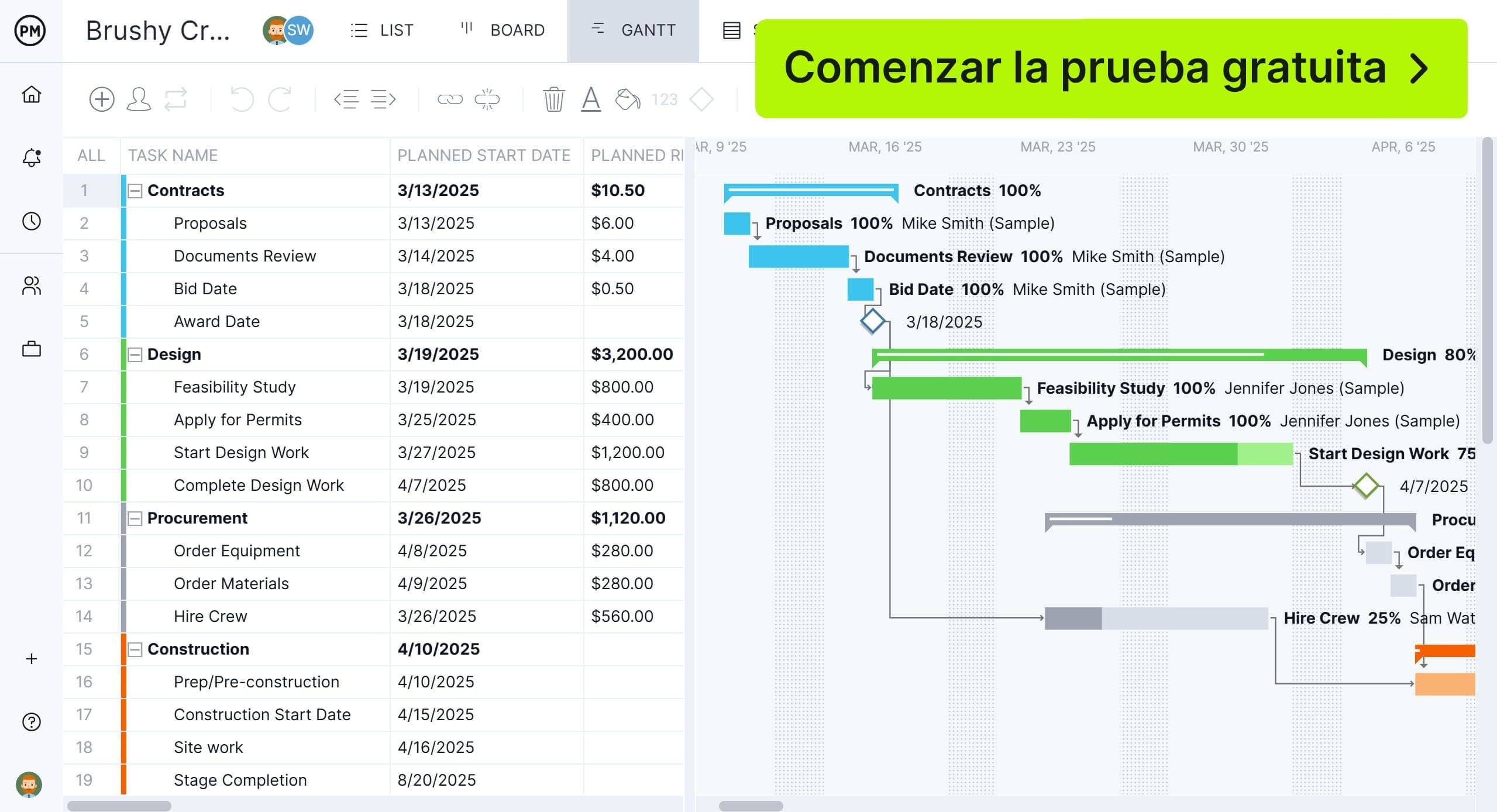
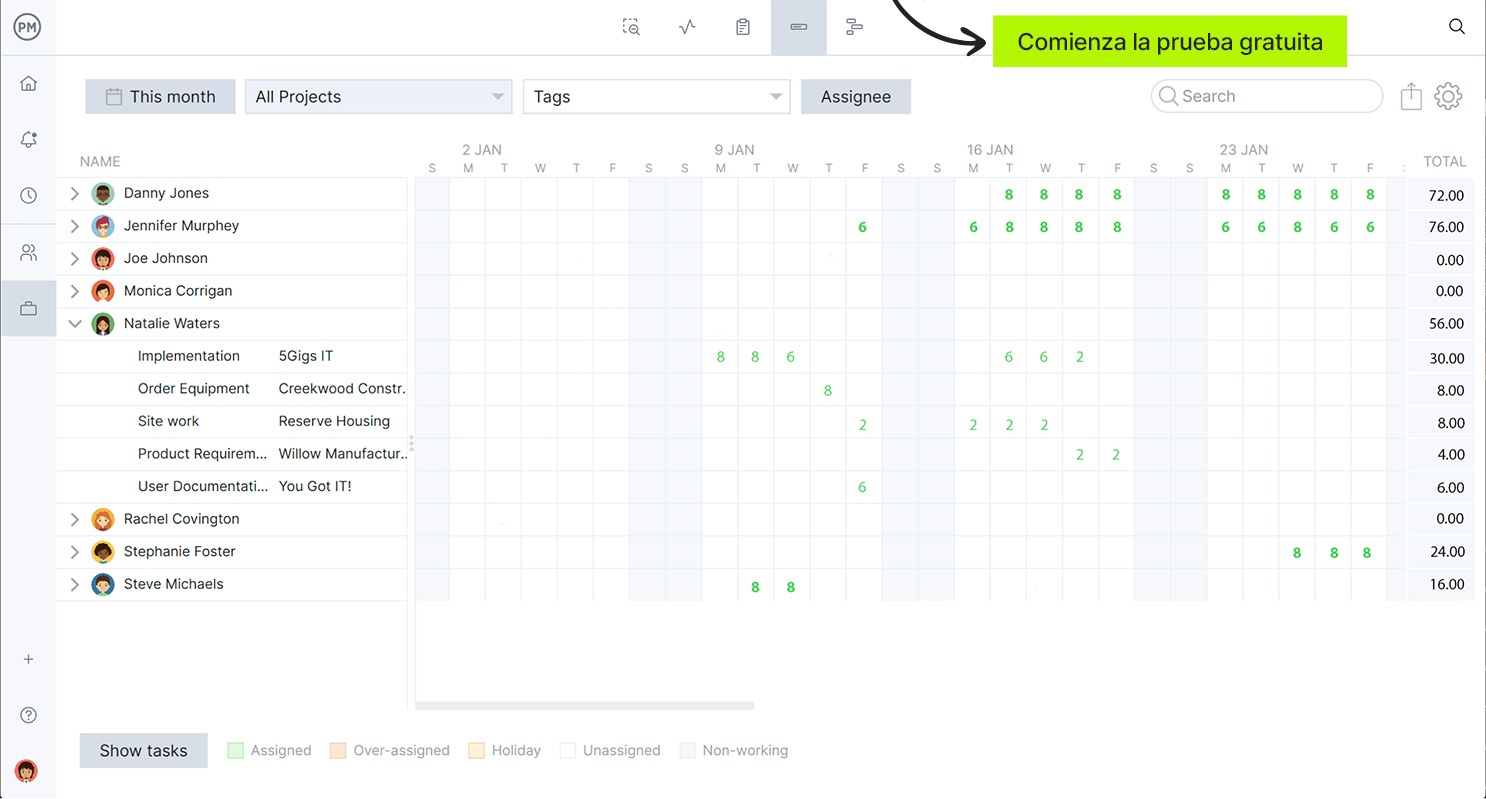
Advanced project management ecosystems—such as platforms offering synchronized Gantt charts, real-time dashboards, and integrated mobile access—allow field workers and office administrators to operate from a single source of truth. When a subcontractor logs an RFI from a mobile device on the job site, project managers can instantly link dependencies, evaluate resource workloads, and monitor response timeframes against baseline schedules.
As the construction industry continues to embrace digital transformation, the humble RFI remains a cornerstone of professional accountability. By pairing clear contractual procedures with modern, real-time software solutions, construction enterprises can successfully navigate project uncertainties, protect their profit margins, and deliver complex structures with precision and confidence.