Navigating the Legal and Safety Realities of Cocaine-Impaired Driving in the Modern Era

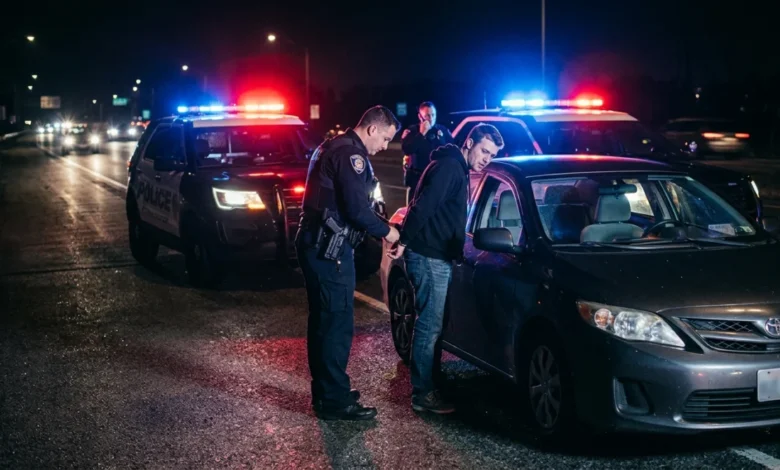
According to the Centers for Disease Control and Prevention, cocaine is a powerful central nervous system stimulant that can affect the body and brain, contributing to significant public health challenges across the United States. In 2024, the nation recorded 21,945 overdose deaths involving cocaine. While there was a notable decline in the cocaine-involved overdose death rate—dropping from 8.6 to 6.3 deaths per 100,000 people between 2023 and 2024—the prevalence of the substance remains a critical factor in law enforcement and traffic safety. Operating a vehicle while impaired by cocaine or other illicit substances is a serious criminal offense, yet it remains one of the most complex areas of traffic law due to the absence of the standardized testing protocols used for alcohol-related impairment.
The Absence of a Per Se Legal Limit
The primary distinction between an alcohol-related Driving While Intoxicated (DWI) charge and one involving stimulants like cocaine is the lack of a "per se" legal limit. In most jurisdictions, a blood alcohol concentration (BAC) of 0.08 percent serves as a clear, bright-line standard that is easy to prove in court and straightforward for juries to comprehend. If a driver tests at or above this threshold, the prosecution has a objective metric to secure a conviction.
Conversely, cocaine and other Schedule II controlled substances are not governed by such a quantitative threshold. There is no federally or state-mandated concentration of cocaine in the bloodstream that automatically equates to legal impairment. Because cocaine metabolizes differently in every individual—depending on body mass, frequency of use, tolerance, and the method of ingestion—legislators have generally opted for a subjective, performance-based approach to defining impairment. Under this framework, a driver is considered impaired if their physical or mental faculties are diminished to the point that they can no longer safely operate a vehicle.
The Mechanism of Prosecution and Field Evidence
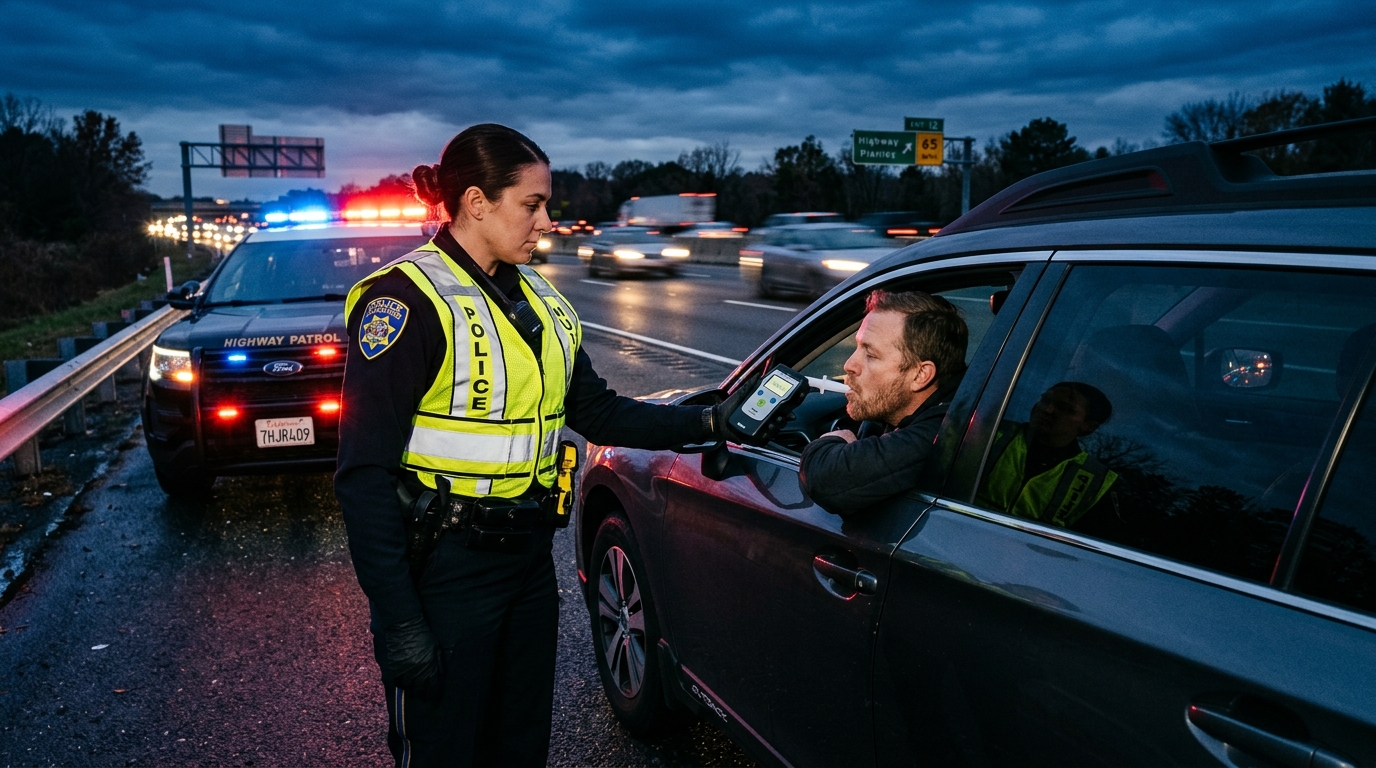
Without a numerical "legal limit," the burden of proof in a cocaine-related DWI case rests entirely on the quality of the field investigation and the strength of the toxicological evidence. When a law enforcement officer initiates a traffic stop on suspicion of drug impairment, they rely on a combination of behavioral observations and standardized field sobriety tests (SFSTs).
Common indicators that often trigger a formal arrest include erratic driving patterns, slurred or rapid speech, tremors, dilated pupils, and an inability to maintain balance during coordination exercises. Once an officer suspects the presence of drugs, the investigation shifts from a routine traffic stop to a criminal inquiry. While these observations provide the initial probable cause, they are rarely sufficient on their own for a conviction. Prosecutors typically rely on the testimony of Drug Recognition Experts (DREs) or toxicologists who can explain how the specific substance found in the defendant’s system would logically have affected their reaction time, decision-making, and motor skills at the time of the incident.
This reliance on expert testimony makes these cases highly contentious. Defense attorneys frequently challenge the nexus between the presence of trace amounts of cocaine—which can linger in the system long after the "high" has dissipated—and the actual behavioral impairment observed by the officer.
Statutory Variations and State-by-State Legal Frameworks
The legal consequences of driving under the influence of cocaine vary significantly by jurisdiction. While the concept of "driving while impaired" is universal, the nomenclature and specific statutes differ. Some states utilize the term Driving Under the Influence (DUI), while others use Driving While Intoxicated (DWI), and some use both to describe different levels of offense.

Furthermore, state statutes often contain "implied consent" laws. By obtaining a driver’s license and operating a vehicle on public roadways, a driver implicitly agrees to submit to chemical testing—such as blood or urine analysis—if they are lawfully arrested for suspicion of drug-impaired driving. Refusing these tests carries severe administrative penalties, including the automatic suspension or revocation of driving privileges, independent of the outcome of the criminal trial.
For example, in regions like Harris County, Texas, the legal system employs a rigid classification system that distinguishes between misdemeanor and felony tiers. This structure dictates how a case proceeds through the judicial system. A first-time offender might face standard misdemeanor charges, but the presence of even small amounts of cocaine can trigger separate, more severe felony charges for controlled substance possession, significantly altering the trajectory of the legal proceedings.
The Cumulative Impact of Concurrent Charges
One of the most daunting aspects of a cocaine-related traffic stop is the likelihood of "stacking" charges. Unlike alcohol, which is a legal substance for adults, the possession of cocaine is a criminal act in every state. Consequently, if an officer finds cocaine in the vehicle during a traffic stop, the driver is almost certain to face two distinct sets of charges: one for the impaired operation of the vehicle and a second for the possession of a Schedule II controlled substance.
These charges often proceed on parallel tracks. While the DWI charge may be adjudicated in a traffic or municipal court, the possession charge may be handled in a criminal court with much harsher sentencing guidelines. In many states, possession of even a small amount of cocaine is classified as a felony. This can lead to a situation where the penalties for the possession charge far exceed the sanctions for the initial traffic violation, creating a complex legal scenario that requires specialized defense counsel.
Chronology of a Typical Impaired Driving Investigation
To understand the gravity of these incidents, one must look at the standard chronology of an encounter with law enforcement:
- The Traffic Stop: Initiated by an observed traffic violation or erratic driving behavior.
- Initial Assessment: The officer makes contact, observing physical indicators such as pupil size, demeanor, and odor.
- Field Sobriety Testing: If impairment is suspected, the driver is asked to perform physical tasks to assess coordination.
- Arrest and Implied Consent: If the officer determines there is probable cause, the driver is arrested and presented with the choice to consent to a toxicology test.
- Booking and Evidence Collection: The suspect is taken to a facility for processing, and biological samples are collected for laboratory analysis.
- Legal Proceedings: Prosecutors build a case using the combination of the police report, officer testimony, and toxicology results.
Public Health and Safety Implications
The decrease in the overall rate of cocaine-involved overdose deaths from 2023 to 2024 is a positive signal for public health, yet it does not necessarily correlate to a decrease in drug-impaired driving incidents. Public health officials emphasize that the unpredictability of cocaine’s effects—ranging from extreme agitation to impaired judgment and heightened risk-taking—makes it a uniquely dangerous substance for operators of motor vehicles.
Law enforcement agencies are increasingly training officers to recognize the specific signs of stimulant-induced impairment, moving away from a reliance solely on breathalyzers. This shift reflects a broader societal recognition that the threats to road safety are evolving. The goal, according to traffic safety advocates, is not merely to punish offenders but to deter the use of stimulants before they reach the driver’s seat.
Conclusion
Driving under the influence of cocaine remains a high-stakes legal and safety issue. The lack of a "legal limit" for stimulants creates a landscape where the prosecution of such cases is highly dependent on expert testimony and the nuances of state-specific drug laws. Because these incidents frequently involve both impaired driving and possession charges, the legal risks to the driver are substantial and multifaceted. As states continue to refine their approach to drug-impaired driving, motorists must be aware that the absence of a numerical limit like that of alcohol does not equate to immunity. Instead, it places the full weight of the investigation on the physical and cognitive evidence of impairment, ensuring that the legal process remains as rigorous as it is complex. Understanding these laws is essential for both public safety and individual legal preparedness in an environment where enforcement strategies are becoming increasingly sophisticated.