Why Modern SaaS Attribution Is Finally Becoming Achievable and Affordable for Growth Teams

Marketing attribution within the Software-as-a-Service (SaaS) sector has long carried a reputation for being excessively complex, prohibitively expensive, and fundamentally unreliable. Over the past fifteen years, the broader technology industry has maintained an intense focus on pipeline performance marketing. Numerous corporate marketing teams have over-indexed on intricate dashboards and reporting infrastructure built primarily to defend advertising spend decisions to executive boards and financial stakeholders. Consequently, marketing departments have burned countless hours debating the merits of first-touch versus last-touch attribution models, diverting valuable time and resources away from meaningful, highly creative top-of-funnel demand generation strategies.
Founders, chief revenue officers, and financial leaders universally recognize that they are deploying significant capital into customer acquisition initiatives. Simultaneously, these same executives understand that tracing precisely which marketing channels actually produce durable, recurring revenue remains one of the most elusive challenges in modern business operations. However, recent developments in data infrastructure, analytics capabilities, and first-party tracking methodologies indicate that the landscape is shifting dramatically. Industry experts argue that achieving absolute mathematical precision is no longer the prerequisite for success; instead, building a high-accuracy, pragmatic attribution model has never been more attainable or cost-effective.
The Structural Mismatch of Traditional Attribution Models
To understand the current state of SaaS analytics, it is necessary to examine the origins of digital attribution. The earliest digital marketing attribution frameworks were engineered specifically for the e-commerce sector rather than subscription-based business models. E-commerce transactions traditionally assumed a remarkably short, linear consumer journey characterized by a straightforward sequence: an ad click, a single browsing session, and an immediate purchase.
In that bygone era, conversions routinely materialized within a single web session. Web browsers permitted tracking scripts to run unhindered, UTM parameters neatly resolved nearly all data collection requirements, and digital ad platforms managed the remaining variables with minimal friction. Subscription software businesses, however, bear almost no resemblance to this transactional archetype. A contemporary SaaS buyer journey frequently spans several weeks or even multiple months. Enterprise software purchases typically involve multiple stakeholders and decision-makers whose collective interactions heavily influence the final contract value. Furthermore, initial product signups often occur on one device or network, while eventual account upgrades happen on entirely separate platforms.
Product-led growth (PLG) dynamics and product activity driven by artificial intelligence shape company revenue long before a human sales representative ever enters the evaluation process. When evaluating the modern buyer journey, analysts must account for a heavily restricted data environment. Standard web browsers block third-party cookies by default, aggressive consent management banners actively suppress tracking scripts, and prospective buyers frequently arrive shielded by ad blockers and virtual private networks. Beyond purely digital footprints, software products are discovered, researched, and recommended through decentralized channels such as private Slack communities, encrypted messaging applications, industry podcasts, video interviews, and peer-to-peer discussions. It is hardly surprising that an escalating share of web traffic appears within conventional analytics dashboards simply as direct or unknown.

Industry analysts emphasize that marketing attribution is not fundamentally broken; rather, legacy attribution models were designed for an operational ecosystem that no longer exists.
Abandoning the Illusion of Perfect Precision
SaaS founders and revenue leaders frequently experience acute pressure to generate exact, flawless attribution figures down to the final decimal point. In practice, achieving absolute precision is entirely impossible. If a prospective enterprise client learns about a software product inside a private WhatsApp group, subsequently notices the brand mentioned positively within a specialized Slack community, and finally executes a formal software signup several days later from a company laptop, no existing technological framework can track that trajectory with absolute fidelity. The underlying data will always possess inherent gaps.
What ultimately drives successful commercial decision-making is data consistency rather than absolute completeness. Organizations that reliably track 60 to 75 percent of user journeys utilizing clean, first-party data can readily identify operational patterns that enable confident, strategic growth decisions. Industry practitioners note that minor discrepancies, blocked tracking scripts, or random technical anomalies are entirely manageable as long as the underlying analytical methodology remains stable and uniform. By establishing a verified approach tested against robust server logs, organizations can comfortably accept that their attribution captures a definitive majority of leads while maintaining a clear understanding of the baseline margin of error. Because campaigns are evaluated using identical parameters, strategic decision-making remains virtually unaffected by the missing fraction of untraceable traffic.
The Structural Shift Toward Accessible SaaS Data
Despite increasingly stringent global privacy regulations and technical countermeasures implemented by browser developers, marketing attribution is paradoxically becoming more accessible. This shift occurs because operational control is steadily migrating back into the hands of internal SaaS engineering and data teams.
First-party data is systematically replacing unreliable third-party tracking mechanisms. The most dependable attribution events—such as user registration, platform login, and core product interactions—occur directly within the software application under the direct administrative control of the enterprise, completely independent of third-party browser constraints. When properly captured and stored, these internal events form an immutable backbone for modern attribution models.
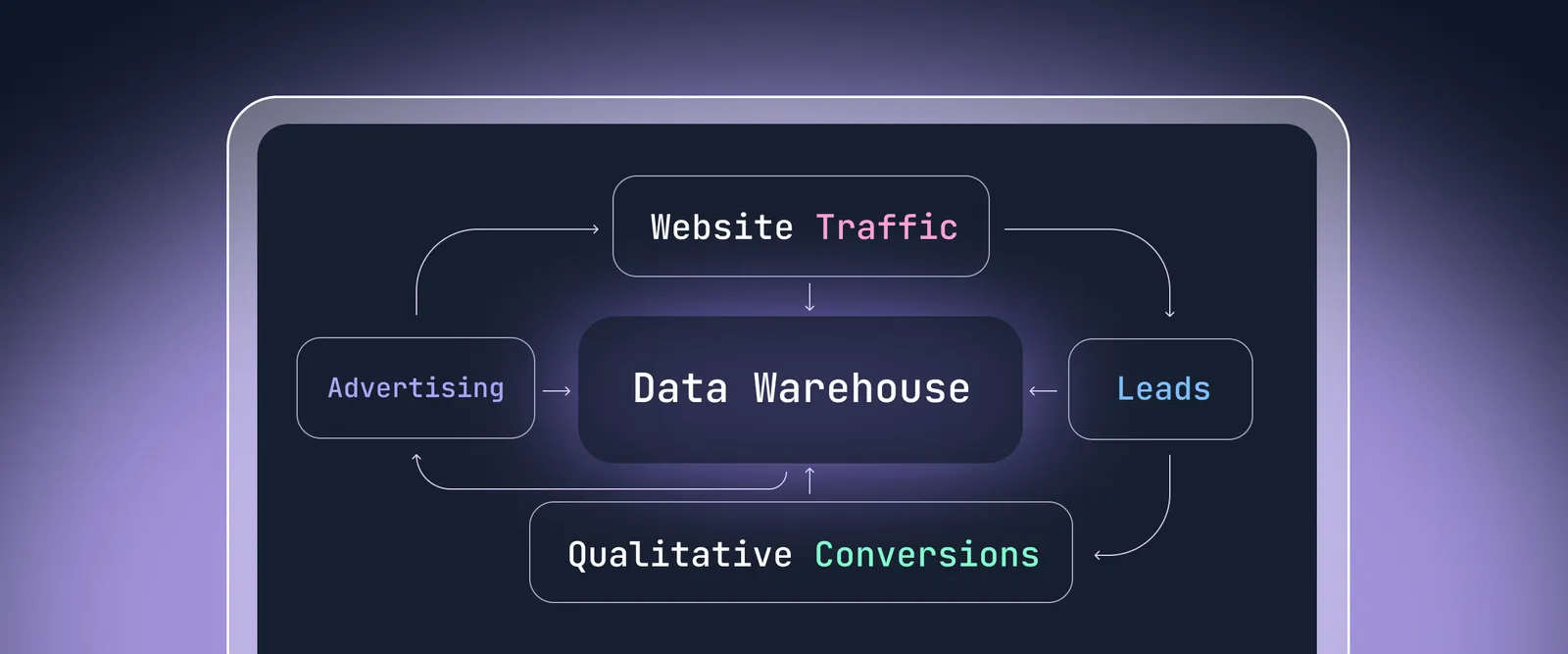
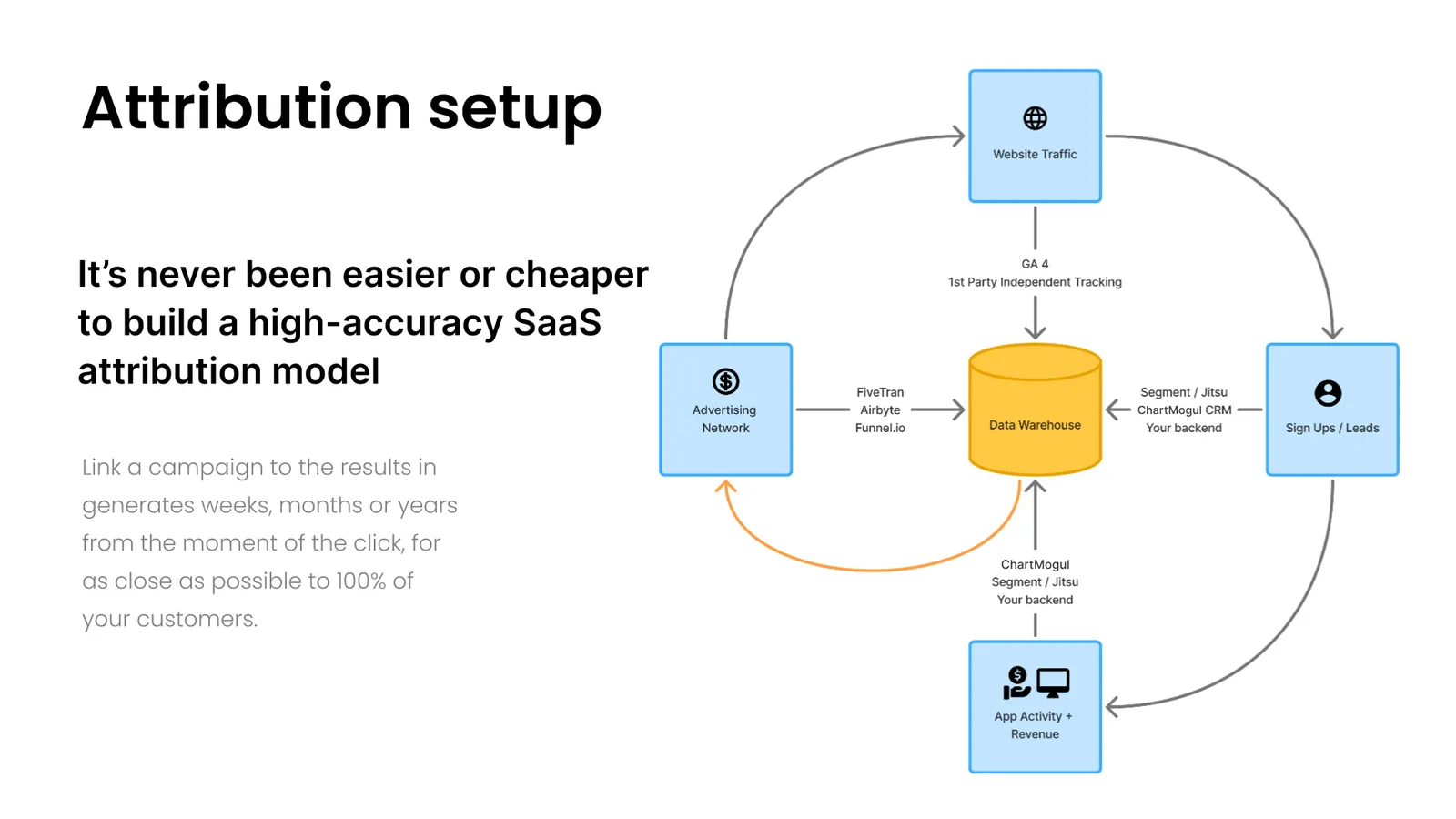
Simultaneously, enterprise-grade data warehouses have transformed from expensive luxury assets into universally accessible utilities. Cloud data platforms such as Snowflake, Google BigQuery, and managed Postgres instances make it remarkably simple and inexpensive for organizations to centralize disparate operational data streams. Tasks that required dedicated data engineering teams a decade ago can now be deployed by standard SaaS growth teams with minimal engineering support.
Furthermore, identity stitching no longer relies exclusively on fragile browser cookies. Once a user formally registers an account or authenticates their session, organizations can seamlessly unify their complete historical journey using proprietary internal identifiers. This continuity persists effectively even if earlier browsing touchpoints occurred within heavily restricted, cookie-blocked environments. Finally, product-led growth data supplies a much richer narrative for attribution systems. In-app behavioral metrics serve as exceptionally strong predictors of user activation, account expansion likelihood, and customer lifetime value. Integrating PLG telemetry directly alongside traditional marketing data within a centralized data warehouse dramatically elevates the accuracy of the overarching attribution model.
Connecting Channel-Level Spend to Customer-Level Outcomes
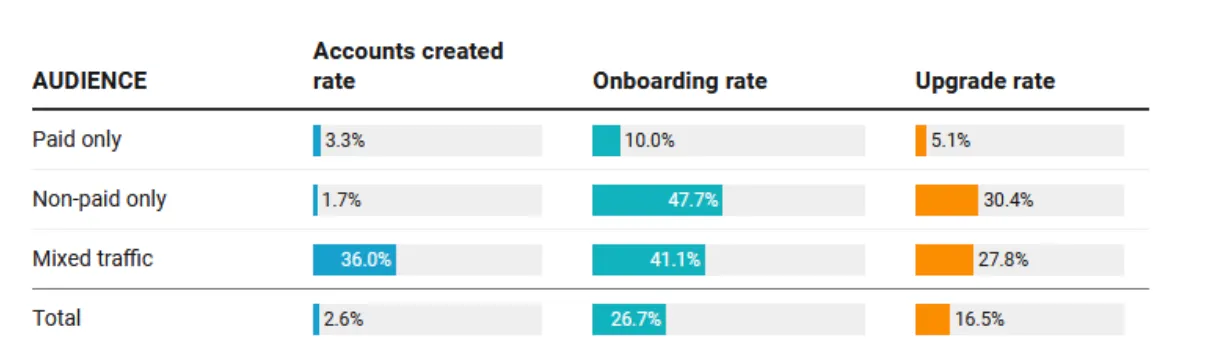
Not all customer acquisition channels generate equivalent business value. While a low-cost paid click might successfully generate a top-of-funnel software signup, the subsequent conversion rates, product activation metrics, and overall customer lifetime value can diverge dramatically from those of a user acquired via organic search, long-form content marketing, or direct peer referrals. Consequently, advanced marketing attribution transcends standard performance analytics to operate as a foundational growth strategy.
Historical data across numerous high-growth SaaS portfolios illustrates a recurring structural pattern: high-volume acquisition channels frequently yield lower average revenue per account, whereas organic or community-driven acquisition streams consistently produce higher retention rates and expanded contract values. Without comprehensive, full-funnel attribution visibility, executive leadership teams risk optimizing organizational performance around misleading vanity metrics such as raw lead volume or unique web sessions, ultimately celebrating top-of-funnel activity that fails to translate into sustainable recurring revenue.
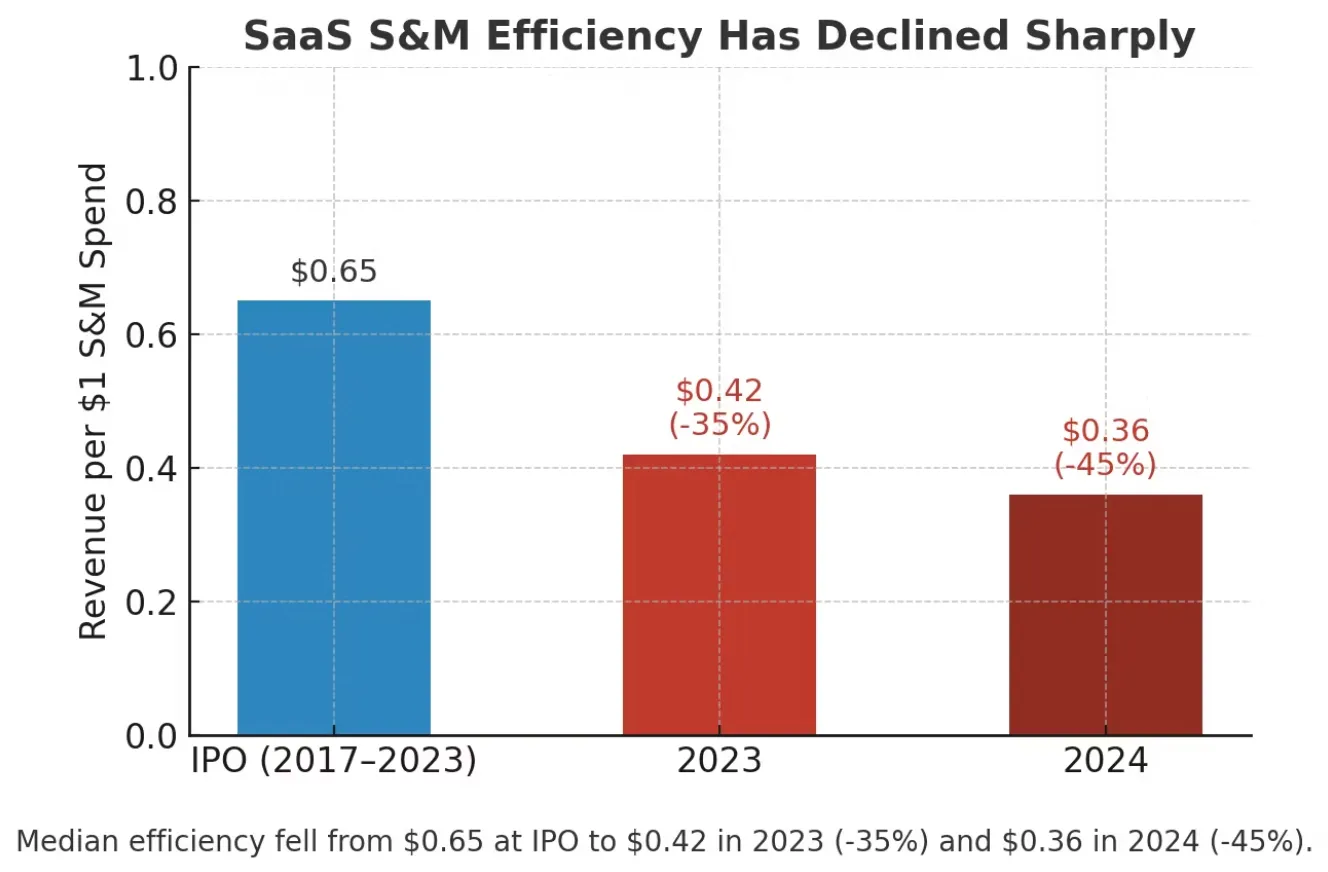
The escalation of customer acquisition costs (CAC) across the global technology sector further underscores the urgency of precise attribution. As sales and marketing efficiency ratios face mounting downward pressure, leadership teams require precise visibility to distinguish high-performing cohorts from unprofitable expenditure. This granular transparency provides the empirical foundation required for optimal capital allocation across marketing portfolios.
A Five-Step Framework for Modern SaaS Attribution
Implementing a pragmatic, high-accuracy attribution model does not mandate massive data engineering teams or expensive enterprise marketing automation suites. Instead, it relies on a structured, warehouse-first methodology executed in sequential phases:
-
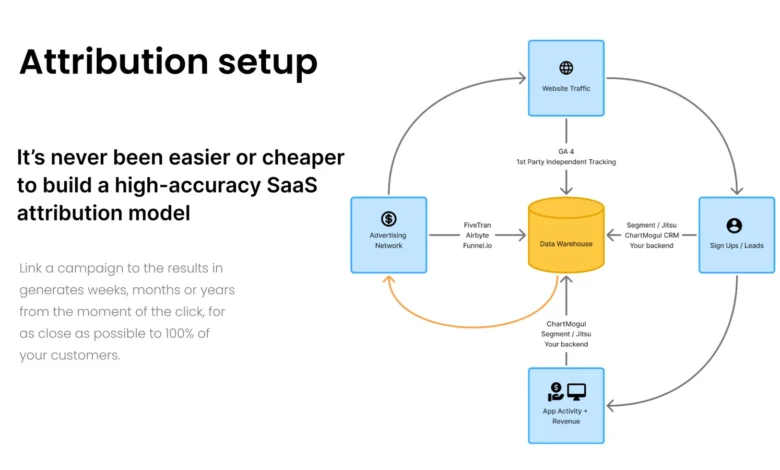
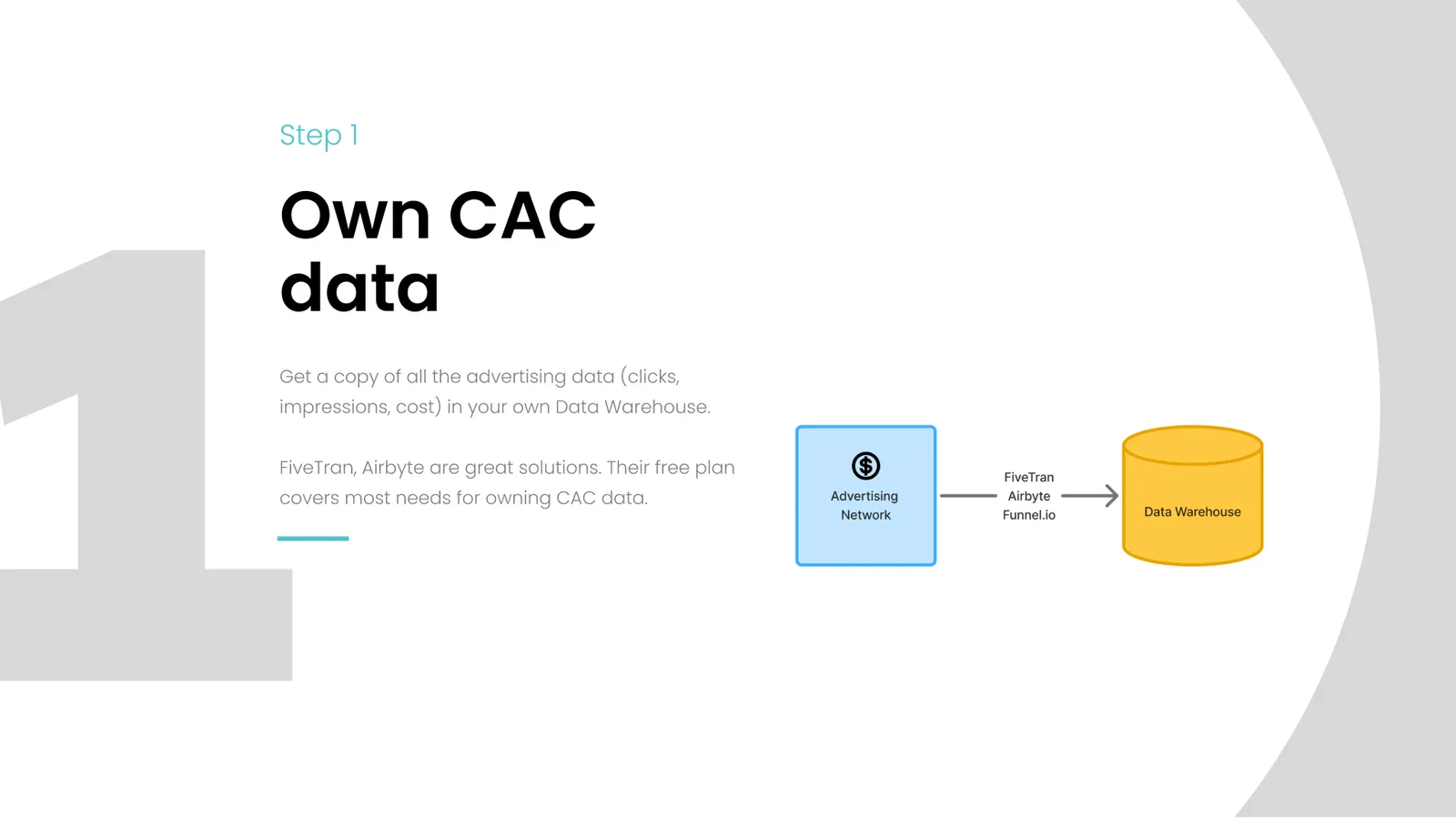
Owning Customer Acquisition Cost Data: Organizations must consolidate core advertising expenditure and performance data directly within their proprietary data warehouse. By bypassing the native reporting interfaces of individual ad networks, businesses eliminate platform bias and establish an independent source of truth for marketing spend.
-
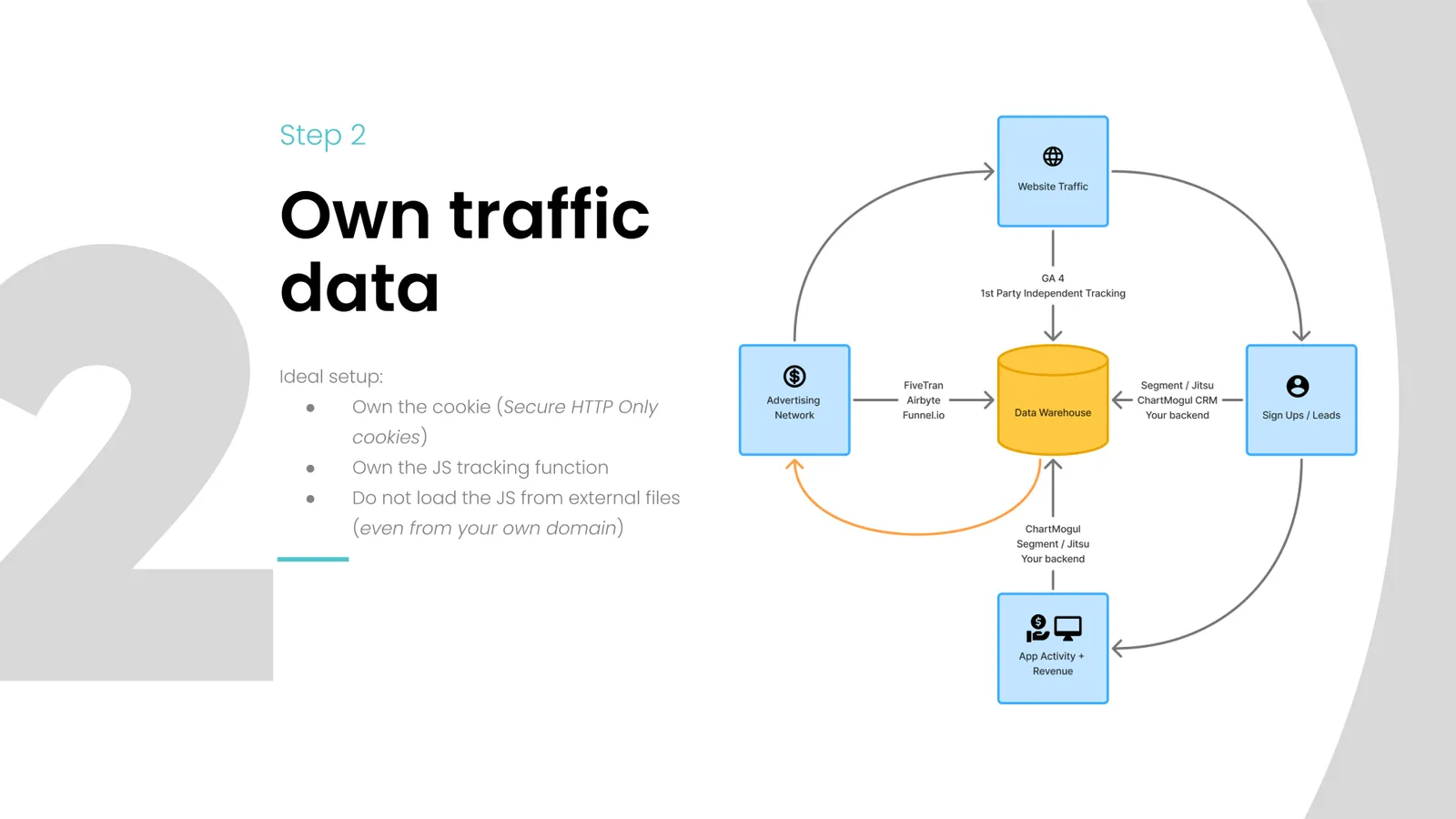
Taking Control of Traffic Data: Companies must assume direct ownership of their web traffic tracking infrastructure. Utilizing server-side tracking implementations and custom-hosted endpoints helps bypass standard ad blockers and browser security scripts that routinely suppress commercial analytics tools.
-
Unifying the Customer Journey: Cookie-based tracking should serve merely as a temporary bridge until a prospective user creates a formal platform account. Following registration, attribution parameters transition smoothly to persistent, logged-in user identifiers, anchoring the ongoing journey to authenticated account data rather than ephemeral browser cookies.
-
Integrating Subscription Revenue and LTV Metrics: Connecting dedicated subscription analytics and recurring revenue platforms ensures that financial outcomes sit directly alongside acquisition telemetry, completing the monetary side of the attribution equation.
-
Computing and Activating the Model: With centralized data encompassing ad spend, traffic interactions, product behavior, and subscription revenue securely housed within the data warehouse, growth teams can execute unified attribution models. This capability empowers organizations to transition away from endless debates regarding touchpoint credit and toward confident, data-driven budget allocation.
Broader Industry Implications
The evolution of SaaS marketing attribution reflects a broader maturation within the technology sector. As venture capital funding environments have grown more disciplined and capital efficiency has superseded raw top-line growth as the primary metric of corporate health, executive leadership can no longer tolerate opaque marketing expenditures.
By embracing warehouse-native, first-party attribution models centered on revenue quality rather than lead quantity, SaaS companies are successfully bridging the historical divide between creative marketing initiatives and rigorous financial accountability. This structural shift ensures that future marketing investments are directed toward channels that demonstrably foster long-term customer value, corporate resilience, and sustainable, profitable enterprise growth.
Related posts: