In the complex landscape of modern project management, maintaining structural integrity across schedules, deliverables, and resource allocations remains a foundational challenge for organizations worldwide. A project timeline serves as the visual backbone of operational execution, mapping tasks and milestones from inception to completion. Originally drafted during the initial planning phases, these scheduling architectures require consistent referencing and dynamic revision throughout the lifecycle of execution. While traditional static tools such as Excel spreadsheets and Google Docs have long provided foundational structures, the evolution of digital collaboration has accelerated the adoption of dynamic, cloud-based project management platforms. Industry analysts note that organizations relying solely on static documentation face persistent bottlenecks in change management, progress tracking, and cross-functional visibility, prompting a widespread industry shift toward automated software solutions.

Historical Evolution of Project Scheduling Instruments
The methodology of project scheduling has undergone significant transformation over the past century. Early engineering and manufacturing initiatives relied on rudimentary bar charts and manual tracking methods, which lacked the capacity to illustrate task interdependencies or critical paths accurately. The introduction of the Gantt chart in the early 20th century revolutionized visual tracking by combining tabular task lists with horizontal time-scaled bar graphs. Subsequent developments, such as the Program Evaluation and Review Technique (PERT) developed by the United States Navy in the 1950s, introduced mathematical probabilities to account for task duration uncertainties in complex defense programs.
As personal computing entered the mainstream in the 1980s and 1990s, spreadsheet applications like Microsoft Excel democratized schedule creation. Project managers began adapting rows and columns into customized timelines, enabling basic forecasting and accountability tracking. However, these static tools frequently demanded labor-intensive manual updates, creating vulnerabilities in fast-paced operational environments where data synchronization is paramount. The subsequent transition to cloud-based ecosystems—typified by Google Workspace utilities and dedicated project portfolio management (PPM) software—has largely superseded standalone spreadsheets, facilitating real-time collaboration across distributed teams and global enterprise environments.
Anatomy of a Project Timeline: Core Formats and Applications
Organizations utilize a diverse array of timeline configurations depending on industry requirements, operational scope, and stakeholder expectations. Understanding the distinct characteristics of each format allows project managers to select the optimal tool for specific deliverables.
Gantt Charts and Hybrid Spreadsheet Models
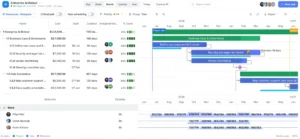
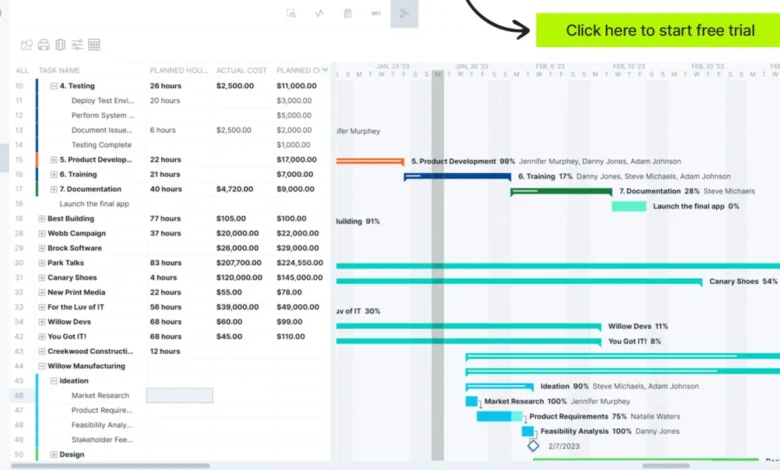
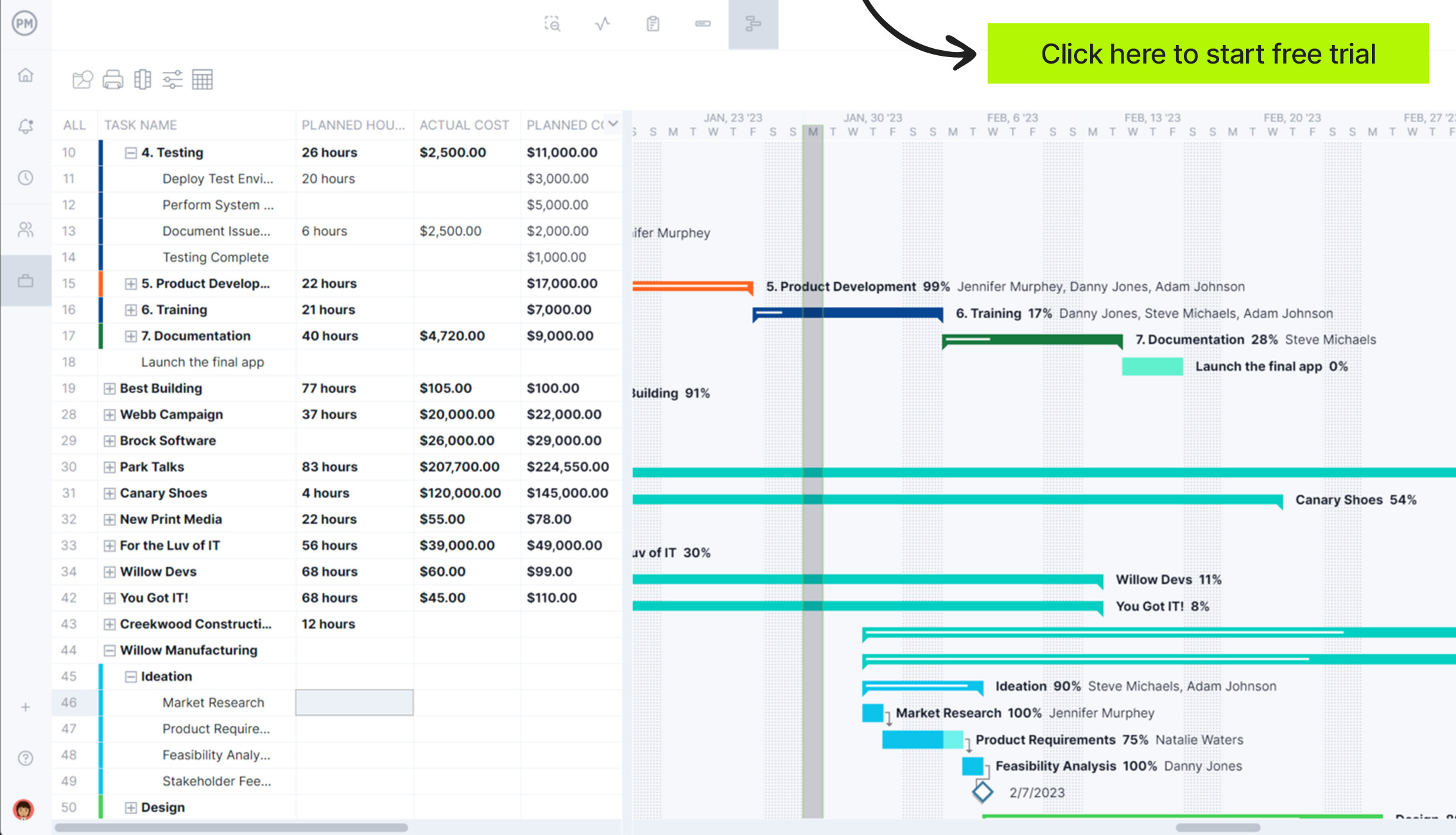
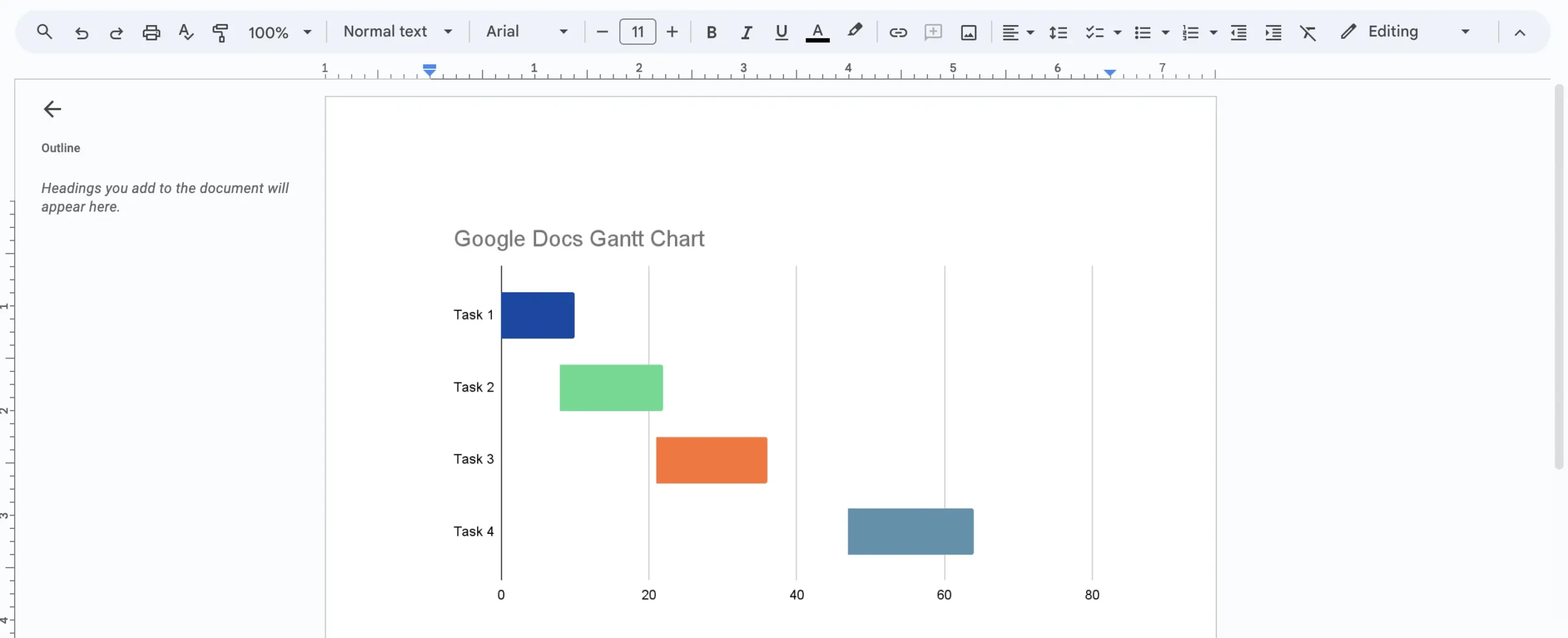
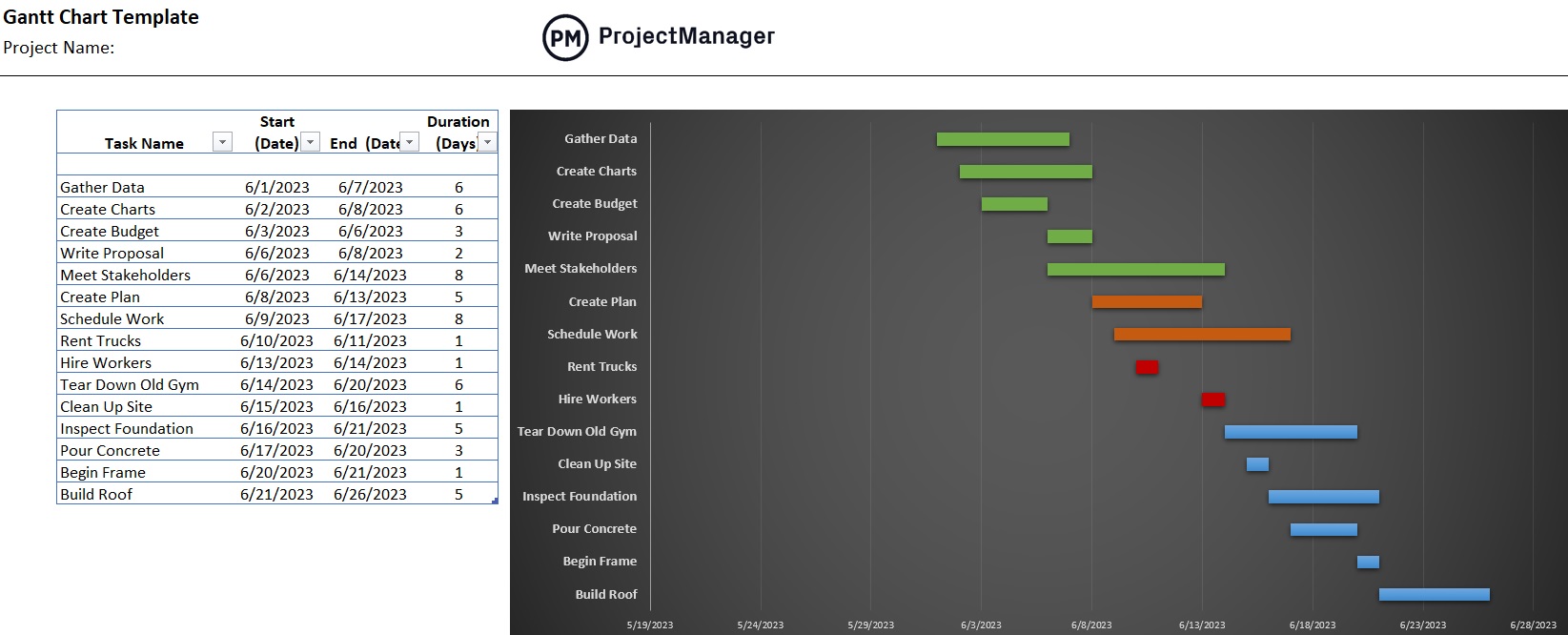
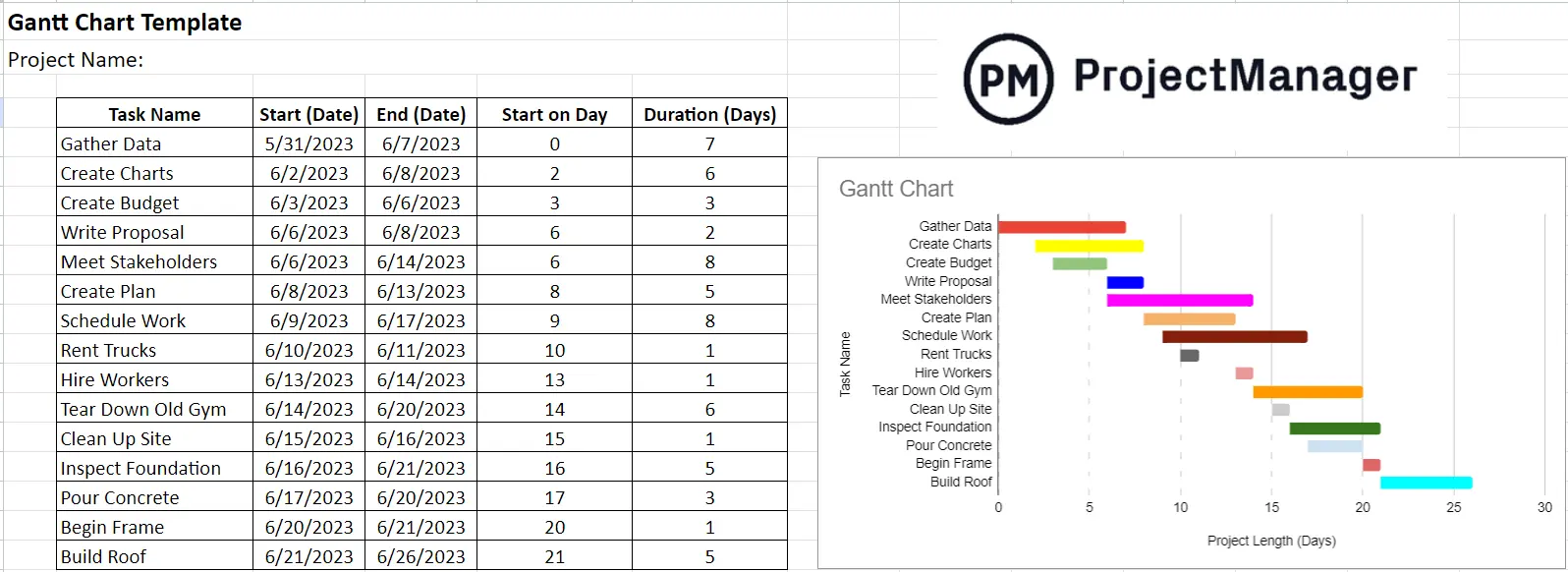
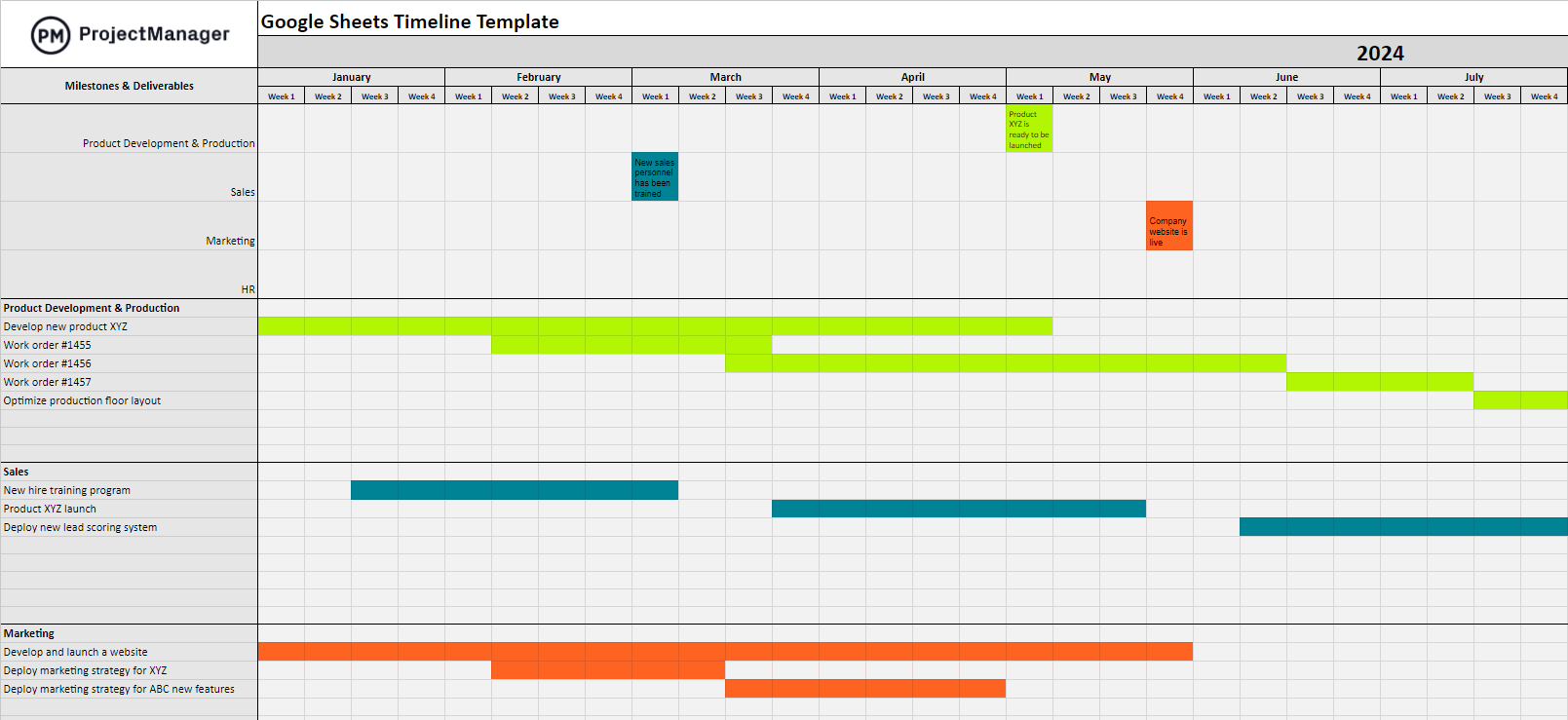
Gantt charts remain the industry standard for visualizing project schedules. By pairing a task breakdown spreadsheet on the left with a time-based bar chart on the right, these frameworks clearly demarcate start dates, end dates, and task durations. While Excel-based Gantt charts offer quick setup for localized teams, Google Docs and Sheets variants introduce cloud-based accessibility, allowing multiple stakeholders to view and comment simultaneously without version-control discrepancies.
Milestone Charts for Executive Governance
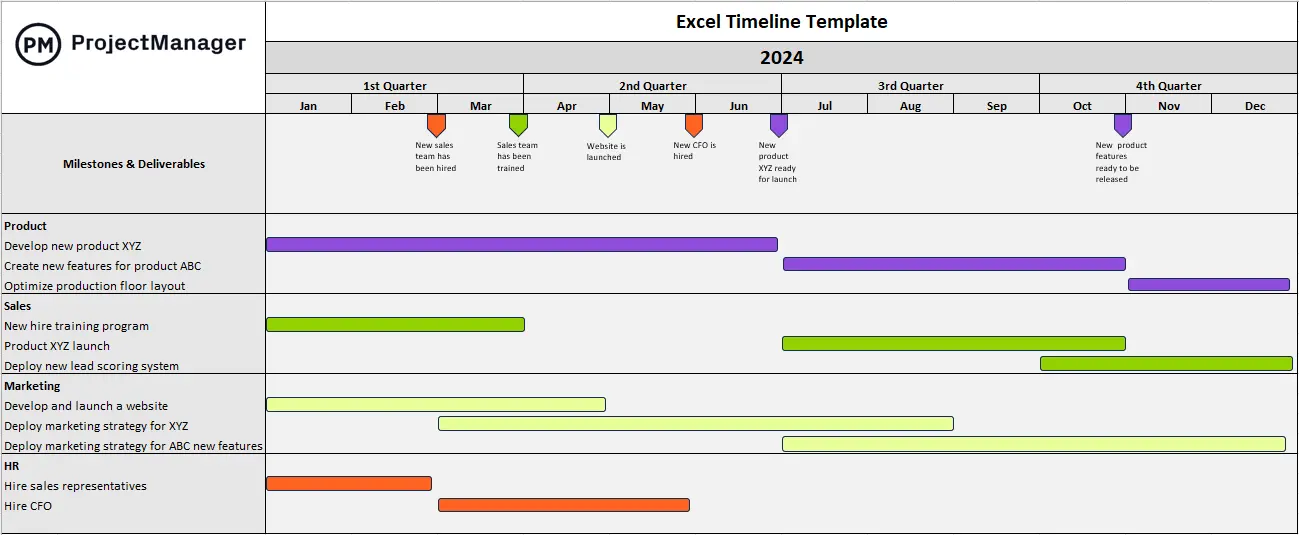
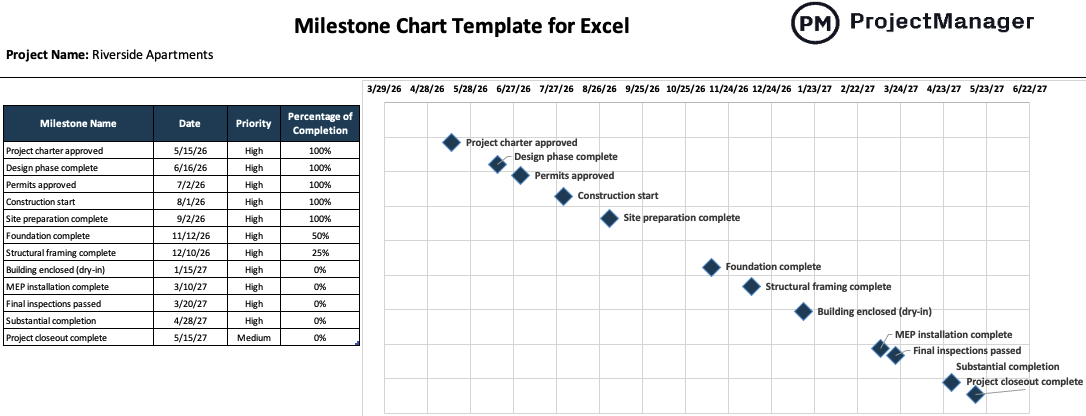
While project managers require granular insight into day-to-day operations, executive leadership and external stakeholders typically require high-level visibility. Milestone charts eliminate operational minutiae, focusing exclusively on critical deliverables, phase completions, regulatory approvals, and hard deadlines. These timeline frameworks emphasize major achievements along a horizontal axis, supporting high-level governance and strategic reporting.
Analytical Frameworks: PERT and Critical Path Method (CPM)
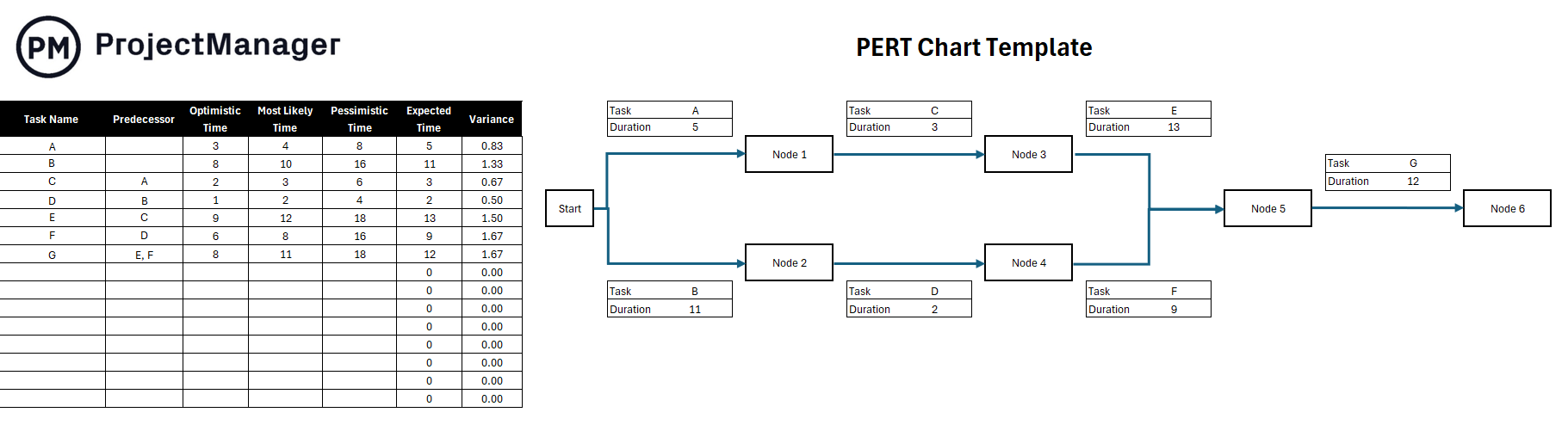
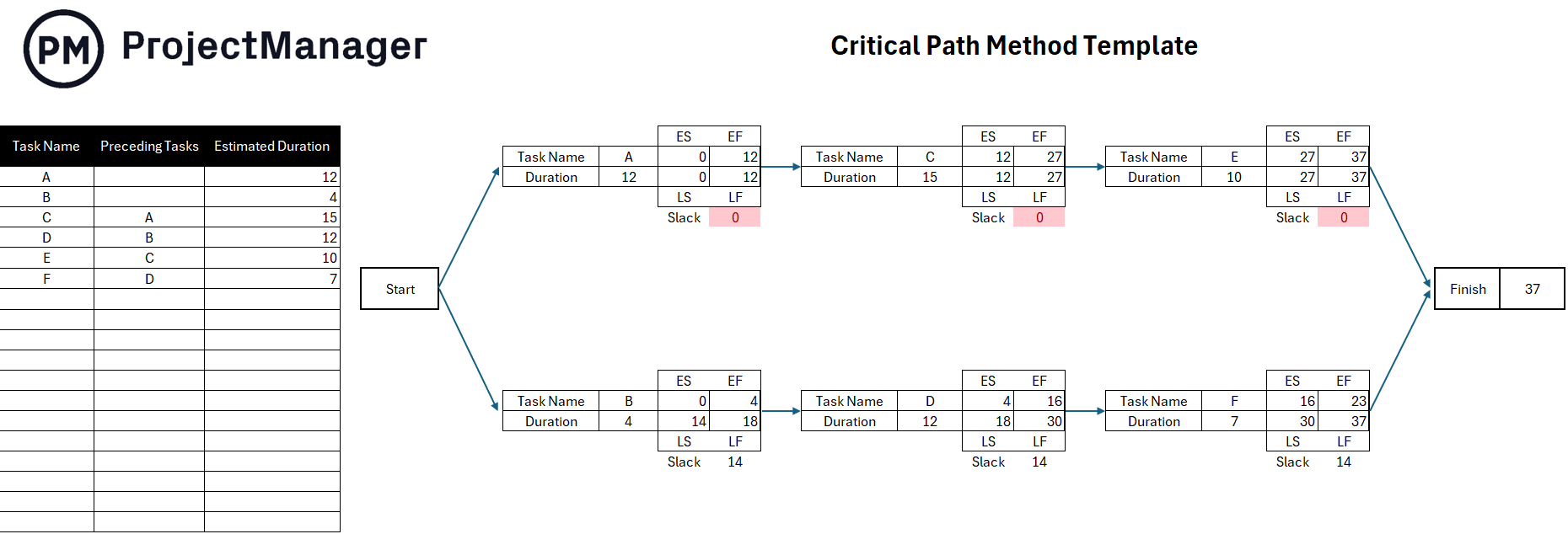
For complex initiatives characterized by strict dependencies and tight deadlines, analytical scheduling tools are essential. PERT charts utilize nodes and directional vectors to map sequential relationships, assisting estimators in calculating minimum project durations. Concurrently, the Critical Path Method identifies the longest sequence of dependent tasks, pinpointing exactly which activities dictate the final completion date. By distinguishing between essential and non-essential tasks, project managers using critical path templates can absorb minor delays or reallocate resources without jeopardizing the final deadline.
Specialized Industry Templates: Construction, Manufacturing, and Events
Different sectors demand tailored scheduling architectures:
- Construction: High-structured environments requiring hierarchical Gantt charts that integrate material costs, labor availability, and rigorous dependency mapping.
- Manufacturing: Master production schedules designed to balance supply and demand curves, mitigating the risk of stockouts while aligning inventory levels with sales projections.
- Event Planning: Time-bound frameworks that coordinate simultaneous workstreams—such as venue booking, vendor management, staffing, and marketing—converging on a single immutable delivery date.
Comparative Analysis: Static Templates Versus Dynamic Software
Despite the widespread availability of downloadable timeline templates, enterprise productivity experts increasingly highlight the operational limitations inherent in static documents. Spreadsheets and document-based templates function as isolated records that require manual intervention to reflect progress. When a single team member completes a task, updating the master file depends on manual communication, increasing the likelihood of oversight and reporting lag.
Furthermore, static templates lack native automation, resource leveling capabilities, and real-time data analytics. Modern project management software directly addresses these inefficiencies by integrating timelines with automated workflows, live notification systems, and centralized document repositories. Platforms such as ProjectManager exemplify this technological evolution, offering award-winning project and portfolio management tools that replace fragmented spreadsheets with synchronized, real-time dashboards.
Resource Management and Workload Optimization
A meticulously designed timeline establishes the theoretical framework for a project, but human capital and physical materials drive execution. Effective resource management ensures that teams operate sustainably at maximum capacity without succumbing to burnout or underutilization.
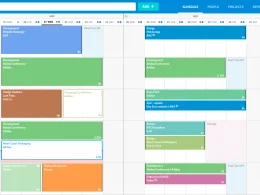
Advanced project management platforms incorporate integrated timesheets and color-coded workload charts that provide unprecedented visibility into labor allocation. By analyzing resource utilization metrics across active programs, managers can identify overallocated personnel and instantly reassign tasks from a centralized interface. This proactive balancing act maintains project momentum while safeguarding employee well-being, a critical factor in reducing turnover within technical and creative industries.
Real-Time Data Integration and Stakeholder Communication
The primary vulnerability of traditional timeline templates is the absence of real-time performance data. In contrast, modern enterprise software links baseline schedules directly to operational metrics. As team members update task statuses, completion percentages automatically adjust taskbars on Gantt charts and propagate through executive dashboards.
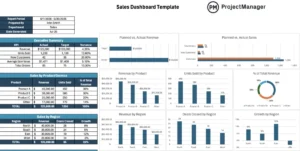
Key performance indicators (KPIs)—including schedule variance, resource costs, and milestone completion rates—are aggregated into customizable reports tailored for diverse audiences. Whether generating high-level summaries for executive boards or granular task reports for departmental leads, digital platforms eliminate the friction associated with manual reporting cycles.
Implications for Enterprise Productivity and Future Outlook
The continuous transition from static templates to integrated project management software underscores a broader economic push toward digital transformation and operational agility. As organizations navigate increasingly complex global markets, supply chain volatilities, and distributed workforce models, the demand for instantaneous data visibility has never been higher.
Industry analysts project that the adoption of automated project portfolio management tools will continue to accelerate, driven by the need for predictive analytics and cross-functional alignment. While free downloadable templates will retain utility for small-scale initiatives, independent contractors, and educational purposes, enterprise-grade operations increasingly view integrated software platforms as mission-critical infrastructure. By unifying scheduling, resource allocation, and real-time reporting into a single collaborative ecosystem, organizations can mitigate operational risk, enhance accountability, and achieve sustainable project success across all commercial sectors.