The Permissionless Pilot: A Paradigm Shift in Enterprise Sales Driving Immediate Customer Value

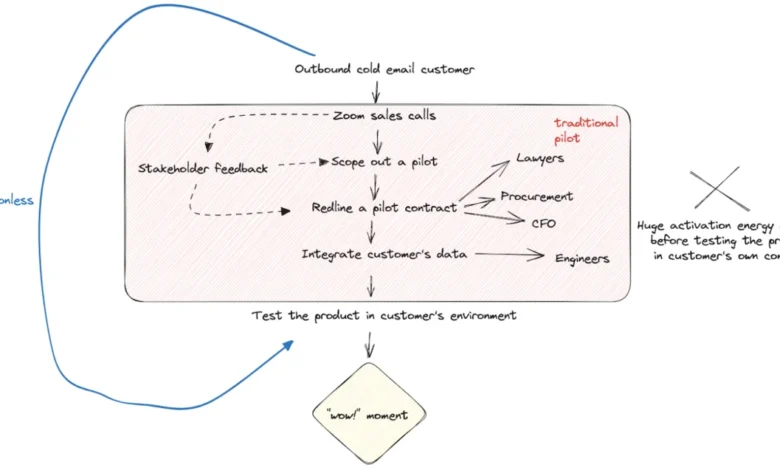
A decade ago, the concept of achieving a "Time to Wow!" was articulated as a crucial metric for SaaS products, emphasizing the impact of a customer’s immediate and profound realization of a product’s value. This foundational idea, which focused on accelerating the delivery of that "wow" moment, has evolved into a new, potent strategy for startups: the permissionless pilot. This innovative approach is fundamentally inverting the traditional, protracted enterprise sales cycle by placing the customer’s "wow" experience at the very outset, rather than at the conclusion of a lengthy engagement.
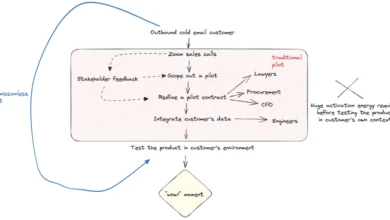
The conventional enterprise sales journey is notoriously arduous. It typically involves a series of lengthy sales calls, intricate procurement processes, complex contract negotiations, and extensive technical integrations. Only after navigating this labyrinthine path can a prospective client truly experience the product’s value proposition and gain confidence in its efficacy for their specific use case. The sheer complexity and duration of this process often make it a wonder that any enterprise sales are closed at all.

The Data Dilemma: A Catch-22 in Enterprise Sales
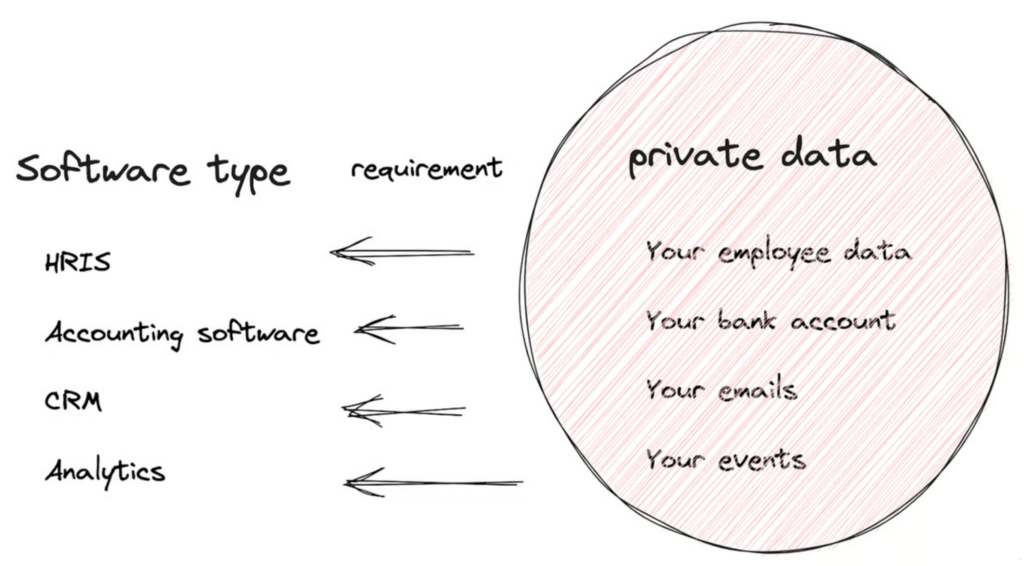
A core impediment to accelerating the "wow" moment lies in the inherent need for enterprise software to interact with customer-specific data. To circumvent the initial hurdle of data access, many product demonstrations rely on simulated or dummy data. However, this approach is akin to a car dealership merely describing a test drive rather than allowing a potential buyer to experience it firsthand. The true impact of a product is rarely felt until it is applied to the prospect’s own unique data and operational context.
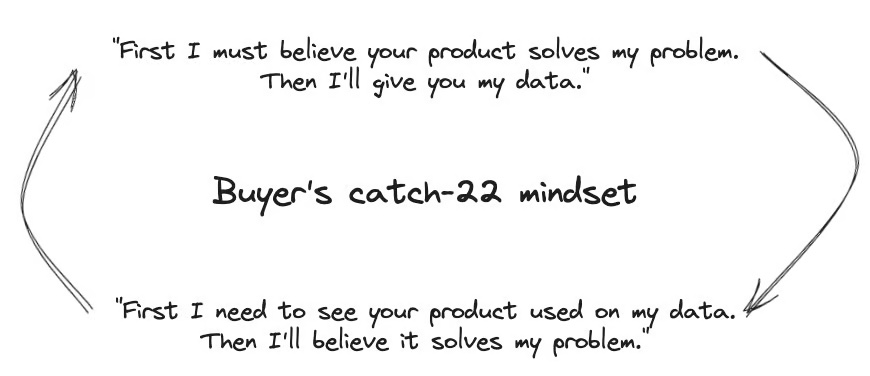
This creates a significant catch-22: clients are hesitant to share their proprietary data until they are convinced of the product’s value, yet the product’s true value is often only demonstrable when it’s applied to that very data. Granting access to or integrating company data with a third-party vendor requires navigating a gauntlet of internal approvals. Prospects must expend considerable social capital to secure political support within their organizations and to clear formal procedural hurdles. Consequently, the moment of genuine customer "wow" is perpetually deferred, often until after substantial investment in time and resources.
The Emergence of the Permissionless Pilot
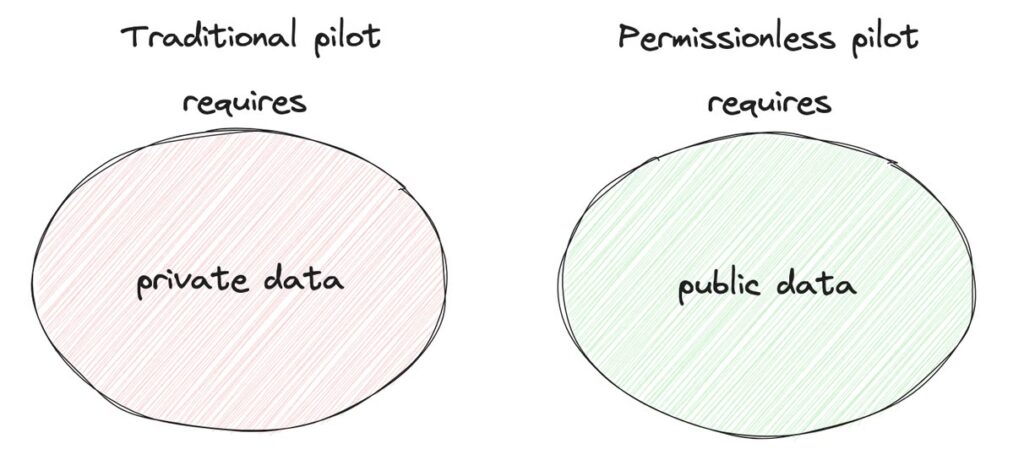
The permissionless pilot offers a strategic bypass to this pervasive challenge. It is a demonstration method designed to render the customer’s time-to-value virtually instantaneous, effectively neutralizing customer skepticism from the initial interaction. By shifting the "wow" moment to the very beginning of the sales process – the moment a prospect first encounters the product – permissionless pilots allow for immediate value demonstration without requiring prior customer consent, configuration, or commitment.
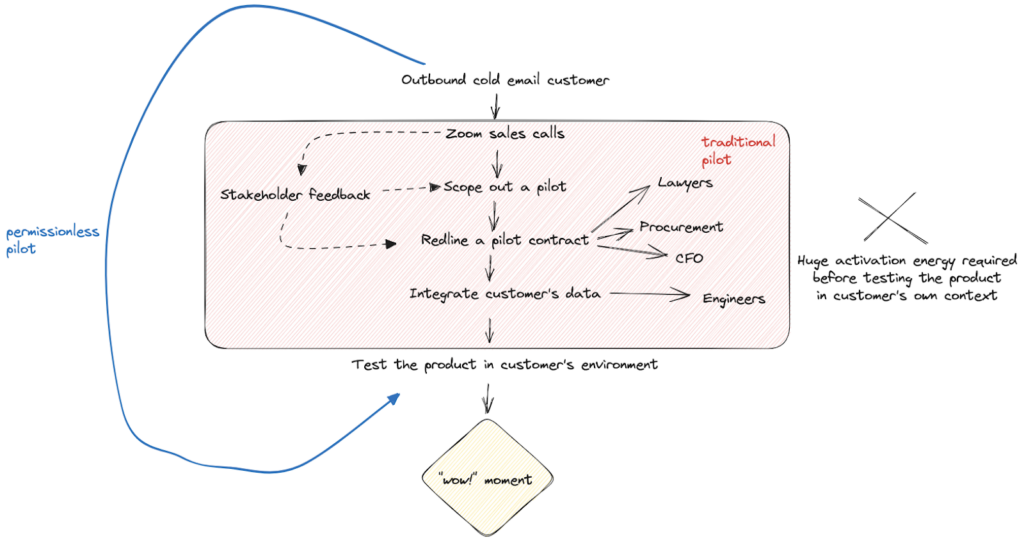
At its core, a permissionless pilot is a product demonstration that leverages publicly available, customer-specific data to deliver an immediate "wow" experience. This approach fundamentally alters the sales dynamic, transforming a slow, deliberative process into an engaging, value-driven encounter from the outset.
Architecting a Permissionless Pilot: Key Steps
The implementation of a permissionless pilot typically involves a three-pronged approach:
-
Identify Public Data Sources: The initial step involves pinpointing publicly accessible data streams that are directly relevant to the target customer’s industry and specific challenges. This could range from publicly available financial filings and industry reports to open-source code repositories and social media trends. The proliferation of data in recent years, coupled with advancements in data processing and AI, has significantly expanded the universe of such sources.
-
Develop a "Cool" Demonstration: The next crucial phase is to engineer a demonstration that showcases the product’s capabilities using this public data in a way that is immediately impressive and insightful. The goal is not necessarily to create a fully polished, revenue-generating application, but rather to illustrate a "cool" or compelling outcome that highlights the product’s potential. This could involve generating novel insights, identifying inefficiencies, or predicting future trends based solely on publicly available information. The emphasis is on demonstrating what the product can do with accessible data, rather than what it would do with proprietary data.
-
Automate and Scale: To maximize impact and efficiency, the process of data ingestion, analysis, and demonstration should be automated. This allows for the creation of numerous, individualized pilot experiences that can be delivered on demand. For instance, a company might develop a system that can instantly analyze any publicly listed mobile app’s performance metrics and provide a tailored report, or a cybersecurity firm could offer real-time vulnerability scans of a prospect’s publicly accessible web assets.
The viability of permissionless pilots is further bolstered by recent advancements in machine learning, particularly in areas like computer vision and natural language processing (NLP) powered by large language models (LLMs). These technologies enable the structuring and analysis of vast amounts of unstructured public data, opening up new avenues for innovative permissionless pilot applications. The exponential growth of data worldwide, as highlighted by sources like Statista, underscores the immense potential for leveraging this information.
Emerge Tools: A Real-World Case Study in Permissionless Pilots
The efficacy of the permissionless pilot strategy is vividly illustrated by the success of Emerge Tools, a portfolio company specializing in mobile application performance management and optimization. Emerge Tools empowers developers to significantly reduce the size of their mobile applications, leading to faster downloads, reduced data consumption, and improved loading times. Within three years, Emerge has secured major clients, including industry giants like DoorDash, Square, Airbnb, Duolingo, Dropbox, and Classpass, often without the intervention of traditional sales representatives.
Emerge’s innovative approach to permissionless pilots leverages a unique and readily available public data source: the binary code of every mobile app available on the iOS and Android app stores. While Emerge’s comprehensive product integrates deeply into a mobile engineering team’s development workflow, this process traditionally entails lengthy sales cycles due to the need for multi-stakeholder buy-in.
To accelerate the "time-to-wow," Emerge developed a system capable of providing instant analysis demos for any prospective client. By reverse-engineering the publicly available versions of native mobile applications, Emerge can demonstrate its product’s value simply by looking up an app by its name. This process requires no integration or data sharing from the prospect.
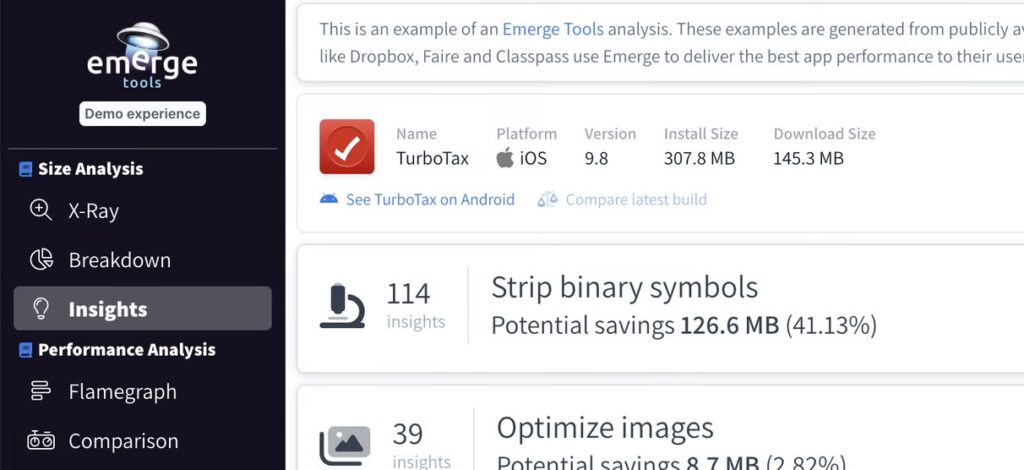
A compelling example is Emerge’s analysis of the TurboTax iOS app. The automated insights revealed potential optimizations that could reduce the app’s size by over 40%. Crucially, Intuit, the multi-billion dollar parent company of TurboTax, was not required to share any proprietary data, negotiate contracts, or engage in internal political maneuvering to consider Emerge’s solution. This instant demonstration of tangible value, derived from public data, bypassed the traditional barriers to entry.
Emerge has systematically scaled this approach. In early 2023, the company began automating its app analyses, creating dedicated web pages for thousands of applications. This initiative has seen Emerge’s analysis scope expand from approximately 500 apps at the start of the year to over 10,000, with analyses conducted on a regular cadence. This vast library of app analyses serves as a powerful content engine. Emerge leverages these analyses to create original blog posts, in-depth reports, and engaging social media threads.
The public nature of these analyses, each residing on a unique URL, transforms them into shareable artifacts that prospects are compelled to explore and often disseminate internally. This organic engagement has led to a significant increase in Emerge’s brand visibility, with a reported 400% surge in Twitter followers, organic search traffic, and impressions since the beginning of the year. This heightened engagement has directly translated into securing substantial contracts, driven by the ability of mobile developers to quickly assess specific insights related to their own applications and immediately implement recommended improvements. For many developers, this hands-on, data-driven experience is far more impactful than traditional sales interactions.

Expanding the Horizon: Potential Applications for Permissionless Pilots
The permissionless pilot model is not confined to specific industries; its adaptability extends across a broad spectrum of sectors where public data can be leveraged to showcase product value. The following examples illustrate the diverse potential:
- Search Engine Optimization (SEO): Companies could offer instant SEO audits by analyzing publicly available Google search result data. This would allow prospects to see potential improvements to their website’s search engine ranking based on their current online presence, similar to the offerings of platforms like Conductor.
- E-commerce Optimization: By cross-referencing vast databases of e-commerce listings, businesses can provide tailored recommendations for enhancing product copy, images, videos, and pricing to drive conversions. This mirrors the journey of companies like Salsify, which has explored the power of permissionless pilots in this domain.
- Cybersecurity and Bug Bounty Hunting: White-hat cybersecurity firms can offer proactive vulnerability and threat detection scanning of a prospect’s publicly accessible web applications, providing immediate insights into potential security weaknesses, akin to the services provided by platforms like HackerOne.
- Hedge Funds and Financial Intelligence: Financial technology companies can develop tools that perform forensic intelligence analysis on public SEC filings. This can uncover hidden fraud indicators or earnings quality issues, drawing parallels with firms like Bedrock AI that specialize in such deep dives.
- Web-Based Marketing Personalization: Companies like Mutiny demonstrate how prospects can preview how their software would personalize landing pages for different audience segments without requiring account creation. This provides an immediate visual of the product’s personalization capabilities.
The underlying principle remains consistent: identify a relevant public data source, develop a compelling demonstration of your product’s capabilities using that data, and automate the process for scalability. The universe of potential data sources is vast, encompassing everything from open-source code repositories and rental listings to YouTube videos and public job postings.
Cultivating Innovation: The "Cool Factor" in Permissionless Pilots
When conceptualizing permissionless pilots, the guiding principle should be to identify public data sources relevant to one’s product or industry and then ask: "What compelling demonstration can my product perform using only these public sources?" The aim is to create a demo that elicits an immediate, positive reaction – what is often termed the "cool factor." This "coolness" doesn’t necessitate perfection or immediate commercial viability; it’s about sparking imagination and demonstrating raw potential. A "cool" outcome that showcases the product’s unique capabilities is often a sufficient starting point for a successful permissionless pilot.
Conclusion: Building Trust Through Immediate Value
Permissionless pilots represent a potent strategic tool for startups seeking to accelerate enterprise sales cycles and establish immediate credibility. By prioritizing the customer’s early experience of value, this approach bypasses traditional sales bottlenecks and fosters a more efficient and engaging customer acquisition process. It is imperative, however, that these pilots are deployed in a manner that enhances brand reputation rather than undermining it. The tone and user experience of the permissionless pilot should align with the desired brand perception, ensuring that the initial encounter leaves prospects with a positive and lasting impression of the product’s capabilities and the company’s innovative approach. As the landscape of data continues to evolve, the permissionless pilot stands poised to become an increasingly vital component of successful go-to-market strategies.