Tag Sustainable Seafood
Tagging Sustainable Seafood: A Comprehensive Guide to Traceability and Responsible Sourcing
The burgeoning demand for seafood, coupled with growing awareness of environmental and social impacts, has propelled the concept of sustainable seafood to the forefront of culinary and ecological discussions. However, the journey from ocean to plate is often complex and opaque, making it challenging for consumers and businesses alike to verify the sustainability claims of seafood products. This is where seafood tagging, encompassing a range of technologies and practices, becomes indispensable. Seafood tagging refers to the methods used to identify, track, and communicate information about seafood throughout its supply chain, crucially including details about its origin, harvest method, and sustainability status. This article delves into the multifaceted world of seafood tagging, exploring its technological underpinnings, its role in promoting transparency, its benefits for various stakeholders, and the challenges that need to be addressed for its widespread and effective implementation.
At its core, seafood tagging is about creating an irrefutable link between a specific seafood product and verifiable information about its journey. This information can include a wealth of data points, such as the species of fish or shellfish, the location of harvest (both geographically and the specific fishery), the vessel used, the fishing gear employed, the date of catch, processing details, and, most importantly, indicators of its sustainability. These sustainability indicators are typically derived from independent assessments by credible organizations that evaluate fisheries based on criteria like stock health, environmental impact, and management effectiveness. Without robust tagging systems, the term "sustainable seafood" risks becoming a marketing buzzword rather than a guarantee of responsible practice.
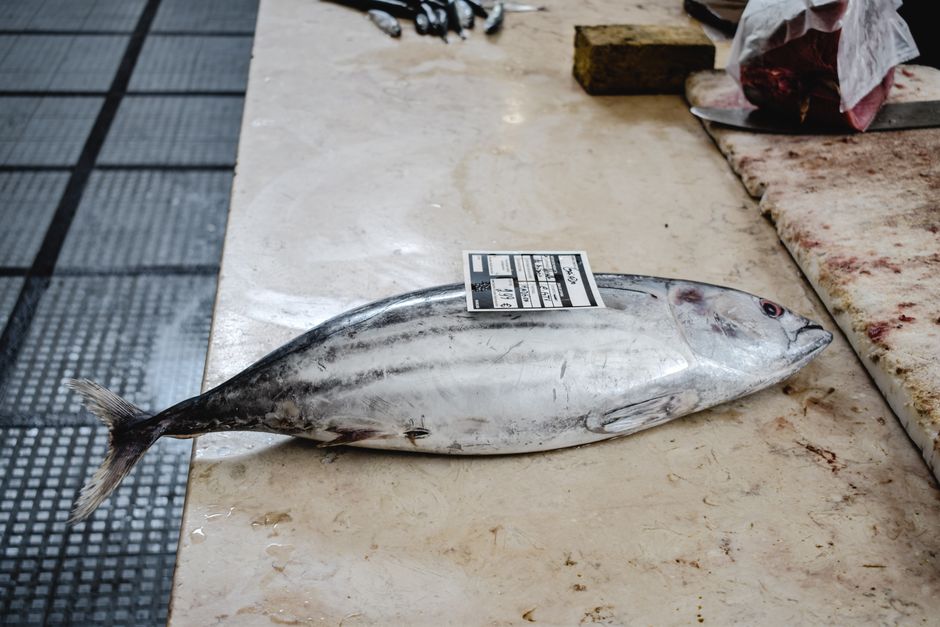
The technological landscape of seafood tagging is diverse and evolving. One of the most fundamental methods is traditional labeling, which relies on printed labels attached to individual products or packaging. These labels often display a specific certification logo (e.g., Marine Stewardship Council – MSC, Aquaculture Stewardship Council – ASC) along with species identification. While accessible and widely understood, traditional labels are susceptible to counterfeiting and can be easily detached or altered. To combat these vulnerabilities, more advanced technologies are being integrated.
Unique identifiers and serialization represent a significant leap forward. Each batch or even individual seafood product can be assigned a unique serial number or barcode. This allows for granular tracking at different points in the supply chain, from the fishing vessel to the processor, distributor, retailer, and ultimately, the consumer. When combined with digital platforms, these serial numbers can unlock detailed product histories.
Radio-Frequency Identification (RFID) tags offer a contactless and automated approach to tracking. RFID tags, embedded in labels or packaging, can be read by scanners without direct physical contact, making them efficient for inventory management and rapid data capture. These tags can store a significant amount of information, which can be accessed and updated as the product moves through the supply chain. The durability and water-resistance of RFID tags make them particularly well-suited for the often harsh and wet environments of the seafood industry.
Blockchain technology is emerging as a transformative force in seafood traceability. Blockchain creates a decentralized, immutable ledger where transactions and data are recorded chronologically and transparently. Each step in the seafood supply chain, from catch to consumer, can be recorded as a block on the chain. This creates an auditable and tamper-proof record, significantly enhancing trust and accountability. For instance, a consumer can scan a QR code on a seafood product and access its entire history on the blockchain, verifying its sustainability credentials and origin. This level of transparency is unparalleled with traditional methods.
Near-Field Communication (NFC) tags, similar to RFID but with a shorter range, are also being utilized. These tags can be easily read by smartphones, enabling direct consumer interaction with product information. A simple tap of a phone can reveal the story behind the seafood, including its sustainability certifications and provenance. This direct consumer engagement is crucial for building trust and encouraging informed purchasing decisions.
The benefits of effective seafood tagging are far-reaching, impacting consumers, seafood businesses, governments, and the environment. For consumers, tags provide the crucial assurance that their seafood choices align with their values. They can confidently select products that are harvested or farmed responsibly, minimizing their environmental footprint and supporting ethical labor practices. This empowers consumers to become active participants in driving positive change in the seafood industry. The ability to access information about the species, origin, and sustainability status also helps consumers avoid mislabeled or fraudulently marketed products, ensuring they receive what they pay for.
For seafood businesses, implementing robust tagging systems offers significant advantages. It fosters transparency and trust with their customers, leading to increased brand loyalty and market competitiveness. Traceability also enables better supply chain management, allowing businesses to identify bottlenecks, reduce waste, and optimize logistics. In the event of a product recall or safety issue, rapid and accurate traceability facilitated by tagging systems can significantly mitigate risks and minimize damage to reputation. Furthermore, businesses that can verifiably demonstrate their commitment to sustainability are better positioned to meet the growing demand from retailers and food service providers who are increasingly scrutinizing their sourcing practices.
Governments and regulatory bodies benefit from seafood tagging through enhanced enforcement of fisheries regulations. Traceability systems make it easier to monitor fishing activities, combat illegal, unreported, and unregulated (IUU) fishing, and ensure compliance with quotas and conservation measures. This contributes to the long-term health of fish stocks and marine ecosystems. Moreover, accurate tagging data can inform policy decisions and scientific research related to fisheries management and seafood sustainability.
The environmental benefits of sustainable seafood tagging are paramount. By clearly identifying and promoting seafood from well-managed and environmentally responsible fisheries, tagging systems directly incentivize sustainable practices. This can lead to a reduction in overfishing, the protection of marine habitats, and the preservation of biodiversity. For aquaculture, tagging helps ensure that farmed seafood is produced with minimal environmental impact, such as through responsible feed sourcing and waste management. The ability to trace products also helps identify and address unsustainable practices in real-time, allowing for corrective actions before significant damage occurs.
Despite the clear advantages, the widespread adoption and effective implementation of seafood tagging face several challenges. Cost is a significant barrier, particularly for small-scale fishers and businesses in developing countries. The investment in technology, training, and data management can be prohibitive. Data standardization and interoperability are also crucial. Different tagging systems and data formats can create silos, hindering the seamless flow of information across the entire supply chain. A lack of universally accepted standards can lead to confusion and mistrust.
Infrastructure and technological literacy can be another hurdle. In many regions, the necessary technological infrastructure, such as reliable internet access and the availability of scanning devices, may be lacking. Furthermore, training individuals across the supply chain on how to use and manage these new technologies is essential. Data integrity and verification are paramount to the credibility of any tagging system. Ensuring that the data entered into the system is accurate and has been independently verified is a continuous challenge. Robust auditing mechanisms and third-party verification processes are vital.
Scalability is also a concern. As the seafood industry is vast and diverse, developing tagging systems that can effectively scale to accommodate the millions of tons of seafood traded globally is a complex undertaking. Consumer awareness and education are critical for the success of any tagging initiative. Consumers need to understand what the tags and certifications mean and how to use them to make informed choices. Without this understanding, the value of the tagging system is diminished.
Finally, collaboration and stakeholder buy-in are essential for overcoming these challenges. Effective seafood tagging requires a concerted effort from all players in the supply chain, including fishers, processors, distributors, retailers, technology providers, certification bodies, governments, and NGOs. Building trust and fostering partnerships are key to developing and implementing sustainable and effective tagging solutions. International cooperation is also vital, given the global nature of seafood trade.
Looking ahead, the future of seafood tagging will likely involve a greater integration of multiple technologies, creating comprehensive and seamless traceability solutions. The development of user-friendly mobile applications will empower both businesses and consumers to access and contribute to data. Greater emphasis will be placed on ensuring that tagging systems are inclusive and accessible to all participants in the supply chain, particularly small-scale producers. The role of artificial intelligence and machine learning in analyzing traceability data to identify trends, predict potential issues, and further enhance sustainability assessments will also become increasingly important. The ultimate goal of seafood tagging is to create a transparent, accountable, and sustainable seafood system that benefits both people and the planet. By understanding the technologies, acknowledging the benefits, and actively addressing the challenges, we can collectively build a future where the journey of seafood from ocean to plate is a story of responsibility and environmental stewardship.
