The High Cost of the Yes-But Mentality Why Leaders Struggle to Celebrate Success and the Strategic Impact on Organizational Culture

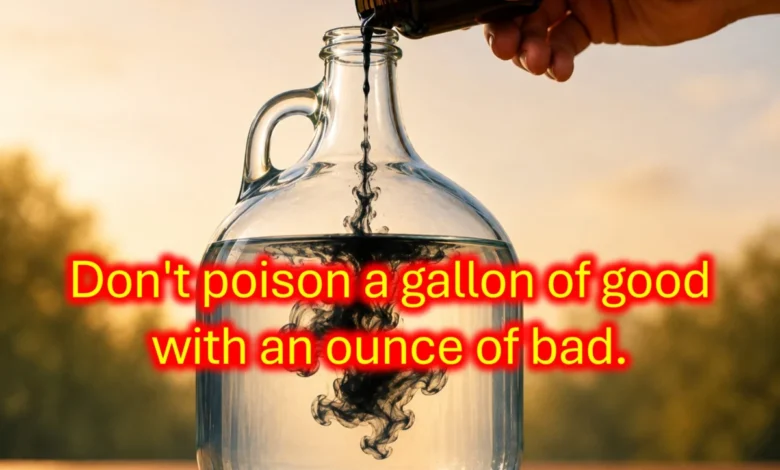
The internal dialogue of a high-achieving leader often operates as a double-edged sword, where the same drive that propels a team to victory simultaneously undermines the collective sense of accomplishment. At the precise moment a team reaches a milestone, many leaders find themselves besieged by a persistent inner critic that whispers, "We could have done better." This psychological phenomenon, while rooted in a commitment to excellence, often manifests as a "Yes-But" leadership style that can inadvertently poison organizational morale. By introducing a "single ounce of bad" into a "gallon of good," managers risk neutralizing the motivational gains of a hard-won success. To maintain long-term momentum, organizational experts argue that leaders must learn to decouple the act of celebration from the process of critical analysis, ensuring that success is fully savored before the machinery of continuous improvement is restarted.
The Psychological Barrier to Celebration
The struggle to celebrate is rarely a product of malice; rather, it is frequently a byproduct of the very traits that elevate individuals into leadership positions. High standards, a relentless focus on the future, and an acute sensitivity to inefficiency are essential for building competitive teams. However, when these qualities are applied with poor timing, they transform from assets into liabilities. Behavioral psychologists note that the human brain is evolutionarily wired with a "negativity bias," making us significantly more likely to notice a single error than a dozen successes. In a corporate environment, this translates to a leader focusing on a minor logistical hiccup during a major product launch instead of the record-breaking sales figures the launch produced.
This cognitive dissonance creates the "Yes-But" leader. This individual acknowledges the achievement—the "Yes"—but immediately follows it with a "But" that shifts the focus to what was missing, what was late, or what could be optimized in the next iteration. This transition happens so rapidly that the team never experiences the dopamine reward associated with completion. Instead, they are immediately thrust back into a state of deficiency. Over time, this cycle leads to "celebration fatigue," where employees stop viewing milestones as rewards and begin viewing them as precursors to the next round of criticism.
Historical Context and the Evolution of Management Styles
The tendency to bypass celebration in favor of immediate critique has roots in early 20th-century industrial management. The Taylorist model of scientific management focused almost exclusively on efficiency, output, and the elimination of waste. In this framework, "success" was simply the expected baseline, and any deviation from perfection was a problem to be solved instantly. There was little room for emotional resonance or collective reflection because the assembly line never stopped.
As the global economy shifted toward knowledge work and creative industries, the limitations of this "non-stop improvement" model became apparent. In the modern era, where employee engagement and retention are primary drivers of value, the emotional climate of a workplace is a strategic asset. According to data from the Gallup State of the Global Workplace report, organizations with high levels of employee engagement see 21% higher profitability. A key driver of that engagement is the feeling that one’s contributions are seen and valued. When a leader "poisons the gallon of good," they directly strike at the heart of this engagement, creating a culture where employees feel that no matter how hard they work, it will never be "enough."

The Strategic Danger of the Ounce of Bad
The metaphor of the "ounce of bad in a gallon of good" illustrates the disproportionate impact of negative feedback during sensitive moments. In chemistry, a small amount of contaminant can render a large volume of pure liquid unusable. In leadership, a single critical comment during a victory toast can overshadow the entire celebration. When a leader says, "The presentation was flawless, but I wish we had used the updated branding on slide twelve," the team does not walk away thinking about the "flawless" performance. They walk away obsessing over slide twelve.
This creates a "Recognition Gap." According to research published by the Harvard Business Review, while many leaders believe they are providing enough positive reinforcement, a significant majority of employees report feeling underappreciated. The "Yes-But" habit is a primary contributor to this gap. The leader feels they have checked the box of "celebration" because they said "Yes," but the employees only felt the sting of the "But."
Three Pillars of Professional Celebration
To combat the "Yes-But" instinct, organizational consultants suggest a disciplined three-part framework for handling success. This approach does not ignore the need for improvement; rather, it categorizes and schedules it appropriately.
1. The Discipline of Specificity
Vague praise like "Good job, everyone" often feels hollow or perfunctory. To make a celebration meaningful, leaders must dig into the specificities of the achievement. This involves identifying the particular hurdles that were overcome, the innovative solutions that were developed, and the individual contributions that made the difference. By articulating exactly why something was a success, the leader demonstrates that they were paying attention. This builds trust and validates the effort the team invested. Specificity transforms a generic "well done" into a powerful tool for reinforcing desired behaviors and cultural values.
2. The Preservation of the "Gallon of Good"
The second pillar is the conscious decision to withhold criticism during the celebratory window. Leaders must resist the urge to add their "ounce of bad" to the moment. This requires a high degree of emotional intelligence and self-regulation. If a leader notices a flaw during a success, they should document it privately for later discussion rather than voicing it in the heat of the moment. The goal is to allow the team to fully inhabit the space of victory. This period of "untainted good" is essential for psychological recovery and the prevention of burnout.
3. The Implementation of "Make it Better" Meetings
The final pillar is the institutionalization of feedback through dedicated "Make it Better" meetings. Constant improvement is necessary for any organization to survive, but it should not happen during the party. By scheduling a separate, formal session—ideally 24 to 48 hours after the initial celebration—leaders create a safe space for critical analysis. In this context, the "But" is expected and productive. The team has had time to rest and enjoy their win, making them more resilient and receptive to feedback regarding how the next project can be even more successful. This separation ensures that improvement is viewed as a strategic evolution rather than a personal or collective failure.

Data-Driven Insights on Recognition and Retention
The impact of these leadership choices is measurable. A study conducted by Great Place to Work found that "personal recognition" was the most important driver of great work, outranking even salary increases and promotions for many demographic groups. Furthermore, teams that receive regular, untainted recognition are 31% more likely to have lower voluntary turnover rates.
Conversely, the "Yes-But" culture contributes to what sociologists call "Quiet Quitting," where employees perform the minimum requirements of their jobs but withdraw their discretionary effort. If an employee knows that their best work will only be met with a list of what could have been better, they lose the incentive to go above and beyond. The "ounce of bad" effectively acts as a tax on innovation and effort.
Broader Implications for Organizational Culture
Beyond individual team dynamics, the way a leader handles success sets the tone for the entire organizational culture. A culture that celebrates generously and improves thoughtfully is one characterized by psychological safety. In such environments, employees are not afraid to take risks because they know that success will be honored and that critiques will be handled with professional timing.
In contrast, a culture that allows the "ounce of bad" to dominate creates an atmosphere of anxiety. When the voice of improvement is the loudest voice after a victory, the organization becomes risk-averse. Employees begin to fear the "But" that follows every "Yes," leading to a defensive posture where the primary goal is to avoid criticism rather than achieve excellence.
Conclusion: The Leader’s Choice
The transition from a "Yes-But" leader to a "Celebrate-Then-Improve" leader requires a fundamental shift in perspective. It requires acknowledging that celebration is not an indulgence or a sign of complacency; it is a vital management tool. Success provides the fuel for the next journey. If a leader constantly drains that fuel with immediate critique, the team will eventually stall.
By savoring success and deferring improvement to the appropriate time, leaders protect the emotional well-being of their teams and ensure that the "gallon of good" remains pure. The loudest voice after a victory should be one of gratitude and specific recognition. The work of making it better is never-ending, but for a team to remain motivated, the work of feeling successful must be given its own dedicated space. In the competitive landscape of modern business, the ability to celebrate like a pro is not just a soft skill—it is a strategic necessity that distinguishes enduring organizations from those that burn out in the pursuit of a perfection they never stop to enjoy.