The Matrix Growth Academy Zero to 100 Playbook: Navigating B2B Scale from Startup to $100 Million

While the Lean Startup methodology successfully revolutionized how entrepreneurs approach product development and validate product-market fit, enterprise and business-to-business (B2B) founders quickly discover that achieving initial traction is only half the battle. In the complex landscape of B2B commerce, establishing a product that customers want is merely the starting line. The true test of longevity and venture-scale success lies in an entrepreneur’s ability to engineer a repeatable, scalable, and profitable growth engine before aggressively stepping on the accelerator.
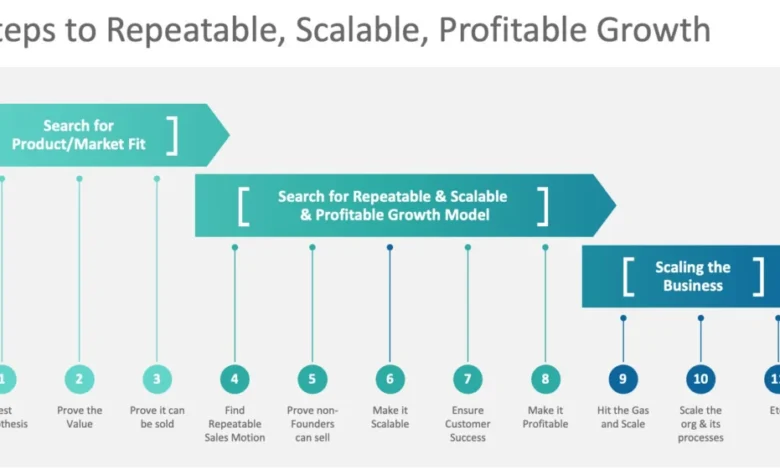
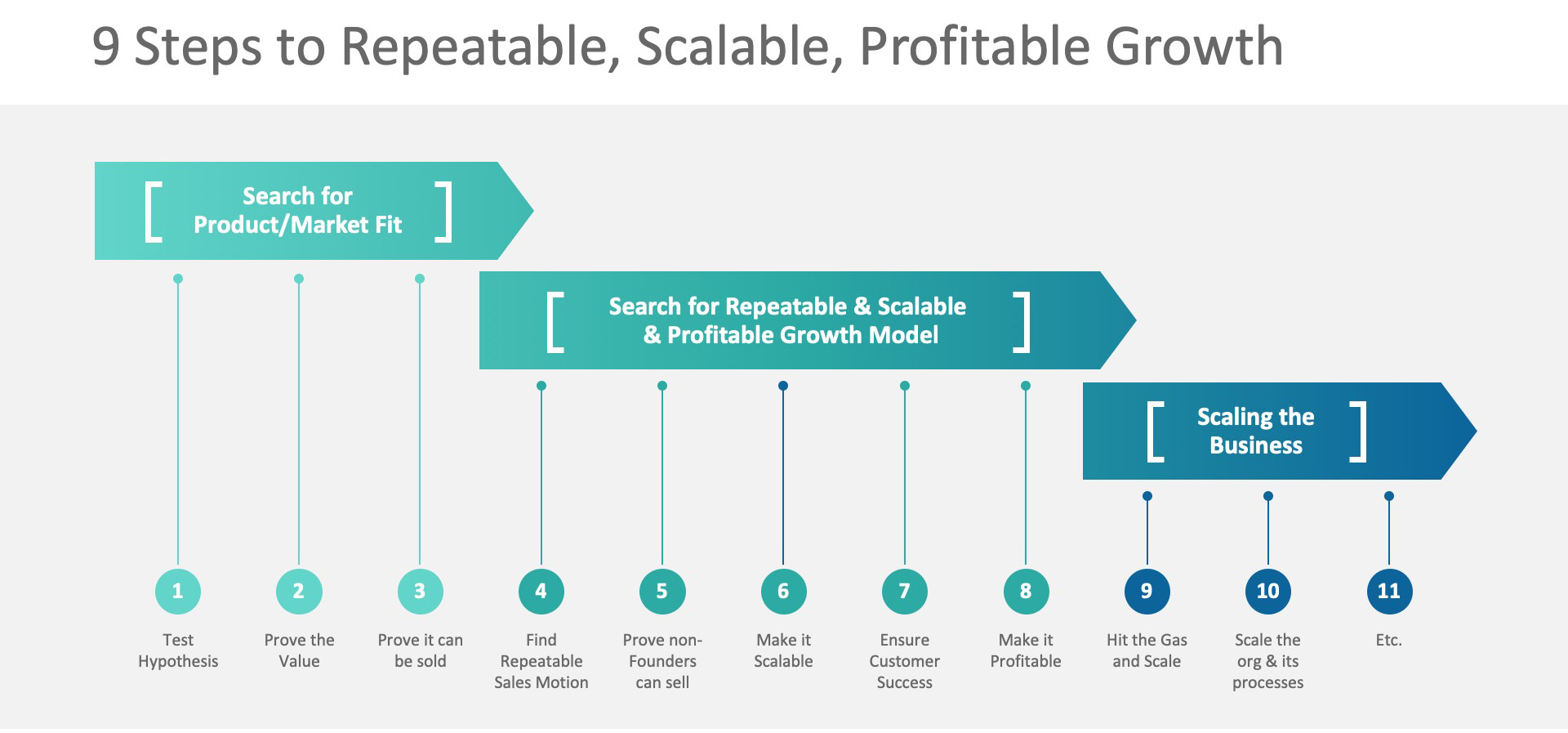
Attempting to force rapid expansion by bypassing foundational developmental steps remains the single most common and often fatal miscalculation made by early-stage entrepreneurs. To address this critical industry vulnerability, veteran venture capitalist and entrepreneur David Skok, alongside a curated roster of industry experts, developed the "Zero to 100" framework. This comprehensive educational initiative—initially presented at a flagship Matrix Growth Academy event in San Francisco—breaks down the treacherous journey from inception to $100 million in recurring revenue into nine distinct, sequential stages, offering a tactical playbook designed to mitigate costly missteps.
Background Context and the Genesis of Zero to 100
The conceptual foundation of the Zero to 100 framework stems from decades of hard-earned lessons within the venture capital and startup ecosystems. David Skok, a general partner at Matrix Partners and a serial entrepreneur with multiple successful exits, drew heavily upon his own professional triumphs and failures when designing the curriculum. Throughout his career as both a founder and a board member observing hundreds of early-stage companies, Skok identified recurring patterns of failure that consistently derailed promising enterprises.
Many founders, fueled by initial venture funding and early customer enthusiasm, attempt to scale their sales and marketing operations prematurely. Without a proven, repeatable sales motion or optimized unit economics, pouring capital into a broken acquisition funnel simply accelerates cash burn without generating sustainable revenue. Recognizing the immense financial and psychological toll these mistakes exacted on founding teams, Skok partnered with Matrix Growth Academy to codify a structured roadmap. The objective was clear: provide B2B founders with a transparent, phase-by-phase blueprint to navigate the chaotic transition from a fledgling startup to an established, highly profitable market leader.
The Anatomy of the Nine-Stage Playbook
The Zero to 100 framework meticulously deconstructs the enterprise growth lifecycle into nine chronological phases, ensuring founders master each critical milestone before advancing to the next. The curriculum addresses core operational pillars, including founder-led selling, go-to-market model selection, sales team construction, SaaS unit economics, and executive leadership transition.
Phase 1: Founder-Led Selling and Product-Market Fit
Before a startup can even contemplate hiring a dedicated sales force, the founding team must personally validate the sales process. Led by insights from Pete Kazanjy, founder of TalentBin and author of Founding Sales, the initial stages of the Zero to 100 playbook emphasize the absolute necessity of founder-led selling.

Founders frequently harbor apprehension toward sales, viewing it as secondary to product development. However, Kazanjy and Skok argue that early-stage founders must intimately understand the buyer’s journey, objections, and value proposition through direct engagement. Only by personally closing deals can a founder accurately determine true product-market fit and identify the repeatable patterns necessary to eventually hand off the sales motion to professional representatives.
Phase 2: Formulating a Repeatable Growth Process
Once product-market fit is established, the focus shifts toward transforming sporadic wins into a systematic, predictable revenue engine. Skok’s curriculum dives deep into the mechanics of building a repeatable growth process, cautioning founders against the dangers of treating sales as an art rather than a science.
This stage involves analyzing conversion rates across every touchpoint of the customer acquisition funnel. Founders must identify and repair broken funnels, optimize customer onboarding to dramatically shorten the "Time to Wow"—the moment a user realizes the core value of the product—and leverage the product itself as an active participant in the sales and retention process.
Phase 3: Choosing the Right Go-to-Market Model
A critical pivot point in the Zero to 100 roadmap is the deliberate selection of an appropriate go-to-market (GTM) model. Whether an enterprise pursues a high-velocity, self-serve product-led growth (PLG) motion, a transactional inside sales model, or a complex enterprise field sales strategy, the chosen model dictates nearly every subsequent operational decision. Misaligning the GTM model with the product’s Average Selling Price (ASP) and customer acquisition cost (CAC) invariably leads to unsustainable unit economics.
Phase 4: Constructing a Scalable Sales Organization
Transitioning from founder-led sales to a structured, scalable organization requires specialized leadership and rigorous hiring frameworks. Stephanie Schatz, former Chief Revenue Officer at Xamarin, contributed extensive operational insights to the playbook regarding the architecture of high-performing sales teams.
Schatz’s curriculum outlines the step-by-step process of recruiting the right profile of sales development representatives (SDRs) and account executives (AEs), establishing compensation plans that incentivize desired behaviors, and implementing robust training programs. Building a sales organization is presented not as a haphazard hiring spree, but as the systematic replication of the playbook established during the founder-led selling phase.
Phase 5: Mastering SaaS Business Models and Unit Economics
For modern B2B companies, particularly those operating on a Software-as-a-Service (SaaS) model, financial discipline is paramount. Skok dedicates significant portions of the playbook to demystifying SaaS metrics and unit economics.
Founders must master key performance indicators such as Customer Acquisition Cost (CAC), Lifetime Value (LTV), Monthly Recurring Revenue (MRR) churn, and the magic number. Understanding the delicate balance between CAC payback periods and net revenue retention allows management teams to gauge whether their growth engine is genuinely profitable and ready for aggressive capital deployment. Mark Gally further bridges theory and practice in the curriculum, offering actionable guidance on translating high-level metrics into day-to-day operational execution.
Phase 6: The Evolving Role of the CEO
As a startup successfully navigates the early phases of scaling and transforms into a mid-market enterprise, the responsibilities of the Chief Executive Officer undergo a profound transformation. Skok addresses the psychological and structural shifts required of founders as they transition from "doers" to "builders of systems." The CEO’s primary role evolves from executing tactical tasks to recruiting elite executive talent, establishing corporate culture, managing board relationships, and maintaining a clear strategic vision across the organization.
Industry Implications and Broader Impact
The dissemination of frameworks like Matrix Growth Academy’s Zero to 100 has fundamentally altered how early-stage B2B startups approach venture capital fundraising and operational planning. In previous decades, startups often relied on intuition and brute-force capital injections to scale prematurely, resulting in exceptionally high failure rates when market headwinds emerged.
By providing a transparent, data-driven methodology, industry leaders like David Skok have democratized access to institutional-grade operational knowledge. Venture capital firms increasingly look for adherence to structured growth milestones during due diligence, favoring founders who demonstrate a disciplined understanding of unit economics and repeatable sales processes over those promising uncalculated hyper-growth.
Ultimately, the Zero to 100 playbook serves as an enduring reminder that sustainable enterprise value is built on methodical execution rather than shortcuts. By respecting the chronological sequence of growth—validating product fit, establishing repeatable sales motions, optimizing unit economics, and systematically building out executive leadership—B2B founders can successfully navigate the treacherous waters from startup obscurity to $100 million in scale.