Waymo Robotaxi Service Resumes in San Francisco After Brief Stoppage Amidst Citywide Power Outage

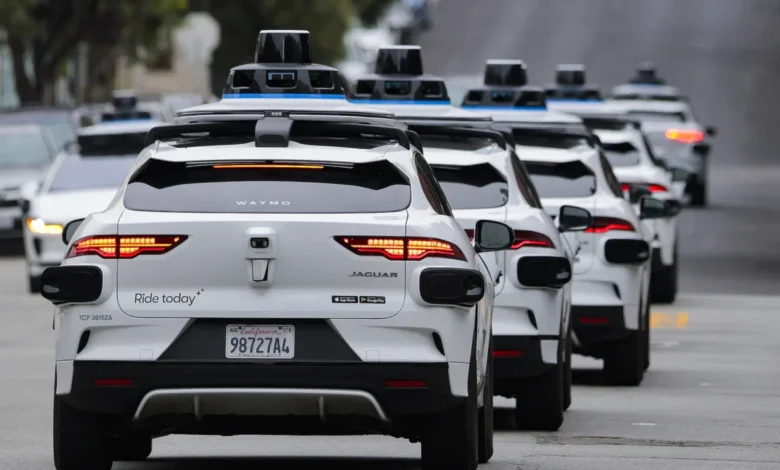
San Francisco, CA – July 18, 2026 – Waymo, the autonomous vehicle subsidiary of Alphabet Inc., announced today that its robotaxi service has resumed operations in San Francisco following a temporary pause necessitated by a significant power outage impacting approximately 7,000 Pacific Gas and Electric (PG&E) customers across the city. The company cited "temporary adjustments" made to its service in response to the local conditions as the reason for the brief disruption.
The incident, which began earlier today, led to a temporary suspension of Waymo’s public-facing robotaxi operations, particularly affecting freeway routes. Initial reports surfaced on social media platforms, with a screenshot indicating that Waymo had informed its San Francisco customers of the "temporary pause" and the unavailability of freeway travel. This disruption underscores the ongoing challenges and complexities associated with deploying autonomous vehicle technology in dynamic urban environments, especially when faced with external infrastructure failures.
In a statement provided to TechCrunch, a Waymo spokesperson confirmed the adjustments. "We are making temporary adjustments to our service while we monitor local conditions," the statement read. "We know riders depend on us, and we will return to normal operations as soon as possible." Following the initial publication of this report, Waymo elaborated further, stating that the company "decided to pause service for approximately one hour to assess the scale of the power outage affecting a large portion of San Francisco and coordinate with local officials." This proactive measure, while brief, demonstrates a cautious approach to ensuring passenger safety and operational integrity during unforeseen events.
The power outage itself, attributed to issues within the PG&E network, affected various neighborhoods within San Francisco, causing disruptions to businesses and residents alike. While the exact cause of the PG&E outage is still under investigation, such events invariably highlight the interconnectedness of urban infrastructure and the potential ripple effects on advanced technologies like autonomous transportation. The number of affected customers, while significant, represents a fraction of the city’s total population, but the impact on critical services and transportation networks can be disproportionately large.
This is not the first instance where power outages have directly impacted Waymo’s operations in San Francisco. The city has previously witnessed similar scenarios that led to service interruptions. Notably, in December 2025, a widespread blackout caused a number of Waymo vehicles to stall on city streets, leading to a suspension of service. Another incident occurred on the Fourth of July in 2025, when a similar blackout coincided with a major fireworks display, causing traffic congestion and further highlighting the vulnerabilities of autonomous fleets to external disruptions. These recurring challenges have intensified scrutiny on the reliability and resilience of robotaxi services.
The repeated disruptions have fueled a growing debate among city officials regarding the regulation of autonomous vehicles. San Francisco Mayor Daniel Lurie has been a vocal advocate for stricter state-level oversight. Following past incidents, Mayor Lurie has indeed called for "tougher state regulations" to "adequately address how autonomous vehicles operate during major incidents, planned or not." This sentiment reflects a broader concern about ensuring that autonomous vehicle deployment prioritizes public safety and maintains operational continuity, even during unforeseen circumstances. The recent power outage serves as another data point in this ongoing discussion, potentially prompting further regulatory action or policy adjustments aimed at enhancing the robustness of autonomous vehicle operations in the face of infrastructure challenges.
Background: The Evolving Landscape of Autonomous Vehicles in San Francisco
San Francisco has been a proving ground for autonomous vehicle technology for years. Waymo, along with other players like Cruise (before its operational suspension and eventual withdrawal from the city), has been steadily expanding its driverless ride-hailing services. The city’s complex urban environment, characterized by dense traffic, varied road conditions, and frequent weather changes, presents a unique set of challenges for AI-driven vehicles. Regulatory bodies, including the California Public Utilities Commission (CPUC) and the California Department of Motor Vehicles (DMV), have been instrumental in shaping the framework for these operations, granting permits and setting operational parameters.

However, the expansion has not been without controversy. Public perception and trust are critical for the widespread adoption of autonomous vehicles. Incidents that disrupt public transit or cause traffic bottlenecks can erode this trust. The power outage, while an external factor, still directly impacts the public’s perception of Waymo’s reliability. The company’s ability to quickly resume service and communicate transparently is crucial in mitigating any negative sentiment.
Chronology of the Incident
- Morning/Early Afternoon, July 18, 2026: A significant power outage begins to affect various parts of San Francisco, impacting approximately 7,000 PG&E customers.
- Midday, July 18, 2026: Reports emerge on social media indicating that Waymo’s robotaxi service in San Francisco has been temporarily paused. A screenshot suggests that freeway routes are unavailable.
- Afternoon, July 18, 2026: Waymo confirms to TechCrunch that it is making "temporary adjustments" to its service due to local conditions and aims to return to normal operations as soon as possible.
- Late Afternoon, July 18, 2026: Waymo provides further clarification, stating that the service was paused for approximately one hour to assess the power outage and coordinate with local officials.
- Evening, July 18, 2026: Waymo announces that its robotaxi service has resumed normal operations in San Francisco.
Supporting Data and Context
The reliance of autonomous vehicle systems on stable power infrastructure is a fundamental aspect of their design and operation. While vehicles are equipped with on-board power sources and backup systems, the broader urban power grid plays a critical role in supporting charging infrastructure, communication networks, and overall urban functionality. The PG&E outage affecting 7,000 customers highlights a vulnerability in this interconnected system.
Waymo’s operational data, though not publicly detailed in real-time for specific incidents, likely includes metrics on vehicle uptime, service availability, and incident response times. The decision to pause service for about an hour suggests a deliberate risk assessment process. This period would have been used to:
- Assess the scope of the outage: Determining which areas were affected and the potential duration.
- Evaluate vehicle status: Ensuring all operating vehicles were safe and in a recoverable state.
- Coordinate with authorities: Liaising with city officials and emergency services to understand the broader impact and potential safety concerns.
- Plan for service resumption: Strategizing the safest and most efficient way to bring the fleet back online.
The fact that Waymo was able to resume operations within approximately one hour indicates a relatively swift resolution of the immediate impact of the outage on their fleet and a successful assessment of the situation. However, the need for such a pause underscores the importance of contingency planning for infrastructure failures.
Official Responses and Broader Implications
The recent incident is likely to add further momentum to discussions around the regulation and oversight of autonomous vehicles in California. Mayor Lurie’s prior calls for stricter regulations are relevant here, as they address the need for clear protocols during "major incidents." This incident provides a real-world example of such an incident, where an external factor like a power outage directly impacts the operation of autonomous vehicles.
The implications of this event extend beyond Waymo and the immediate disruption:
- Public Trust and Acceptance: Consistent and reliable service is paramount for building public trust. While Waymo’s swift response is commendable, repeated disruptions, even if due to external factors, can fuel public skepticism.
- Infrastructure Resilience: The incident underscores the need for greater resilience in urban infrastructure, including power grids, to support the increasing integration of advanced technologies.
- Regulatory Framework: This event could prompt a closer examination of the existing regulatory framework for autonomous vehicles, potentially leading to mandates for more robust contingency plans and communication protocols during emergencies.
- Operational Adaptability: Waymo’s ability to adapt its service in real-time demonstrates a level of operational flexibility. However, the industry as a whole needs to develop strategies that minimize disruption and prioritize safety during unforeseen events.
- Future of Mobility: As autonomous vehicles become more prevalent, their interaction with existing urban infrastructure and their resilience during disruptions will be critical factors in their successful integration into the broader transportation ecosystem.
The incident serves as a reminder that the deployment of autonomous vehicles is not solely about the technology within the vehicles themselves, but also about their seamless and safe integration within the complex and sometimes unpredictable environment of a major city. Waymo’s experience today highlights both the advancements in their operational management and the persistent challenges that require ongoing collaboration between technology providers, utility companies, and municipal authorities. The company’s commitment to returning to normal operations as soon as possible, and the speed at which they achieved this, will likely be a key factor in how this event is perceived by the public and regulators alike. The ongoing dialogue in San Francisco about the future of autonomous vehicle regulation will undoubtedly incorporate lessons learned from such operational disruptions.
Related posts: