Navigating the Legal Complexities and Public Safety Risks of Cocaine-Related Impaired Driving

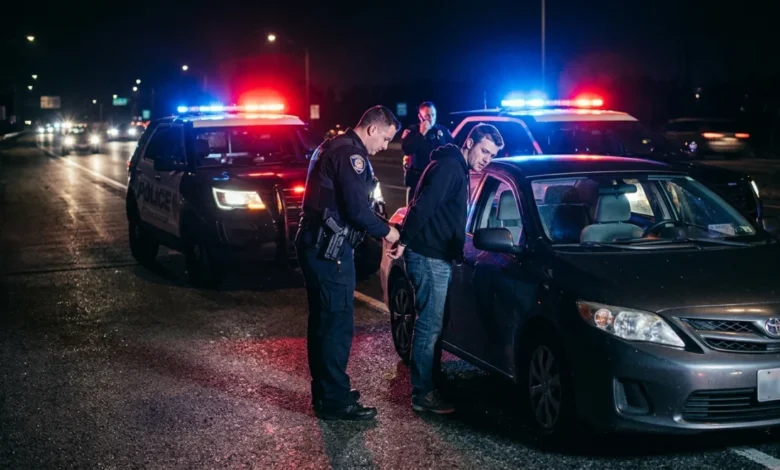
According to the Centers for Disease Control and Prevention (CDC), cocaine remains one of the most potent central nervous system stimulants, capable of inducing profound physiological and psychological changes that severely compromise an individual’s ability to operate a motor vehicle. As of 2024, the scope of the substance’s impact on public health remains significant, with 21,945 overdose deaths involving cocaine recorded throughout the year. While the national rate of cocaine-involved overdose deaths saw a positive downward trend, shifting from 8.6 to 6.3 deaths per 100,000 people between 2023 and 2024, the danger posed by the drug on the nation’s roadways remains a critical point of concern for law enforcement and public safety officials. Unlike alcohol, which has standardized legal thresholds for impairment, cocaine-related driving offenses exist in a complex legal gray area that presents unique challenges for prosecutors, defense attorneys, and the motorists involved.
The fundamental distinction between alcohol-related impaired driving and drug-influenced driving lies in the absence of a per se limit. For alcohol, the 0.08 percent blood alcohol concentration (BAC) standard acts as a "bright-line" rule that simplifies the prosecution process. If a driver’s BAC is at or above this level, the law presumes impairment. Conversely, there is no universally accepted scientific threshold for cocaine that automatically equates to legal intoxication. Because cocaine’s effects on the human body—such as increased heart rate, elevated blood pressure, heightened alertness followed by sudden fatigue, and impaired motor coordination—vary wildly depending on the individual’s tolerance, metabolism, and the quantity consumed, the legal system relies heavily on subjective evidence of physical and mental impairment.
The Evolution of Drug-Impaired Driving Enforcement
Historically, the enforcement of impaired driving laws was almost exclusively focused on alcohol. However, as toxicology testing has become more sophisticated and the prevalence of polysubstance use has increased, law enforcement agencies have adopted more rigorous protocols to detect narcotics. The modern approach to a cocaine-related DWI or DUI case is rarely based on a single piece of evidence. Instead, it is built upon a multifaceted investigation that begins at the traffic stop.
When a law enforcement officer observes signs of erratic driving—such as drifting across lanes, excessive speed, or erratic braking—they initiate a traffic stop. Upon interacting with the driver, the officer looks for "indicia of impairment," which may include slurred speech, confusion, tremors, or dilated pupils. These observations are supplemented by Standardized Field Sobriety Tests (SFSTs). While these tests were originally designed for alcohol, they are frequently utilized in drug-impaired cases to document a driver’s inability to perform physical and cognitive tasks.
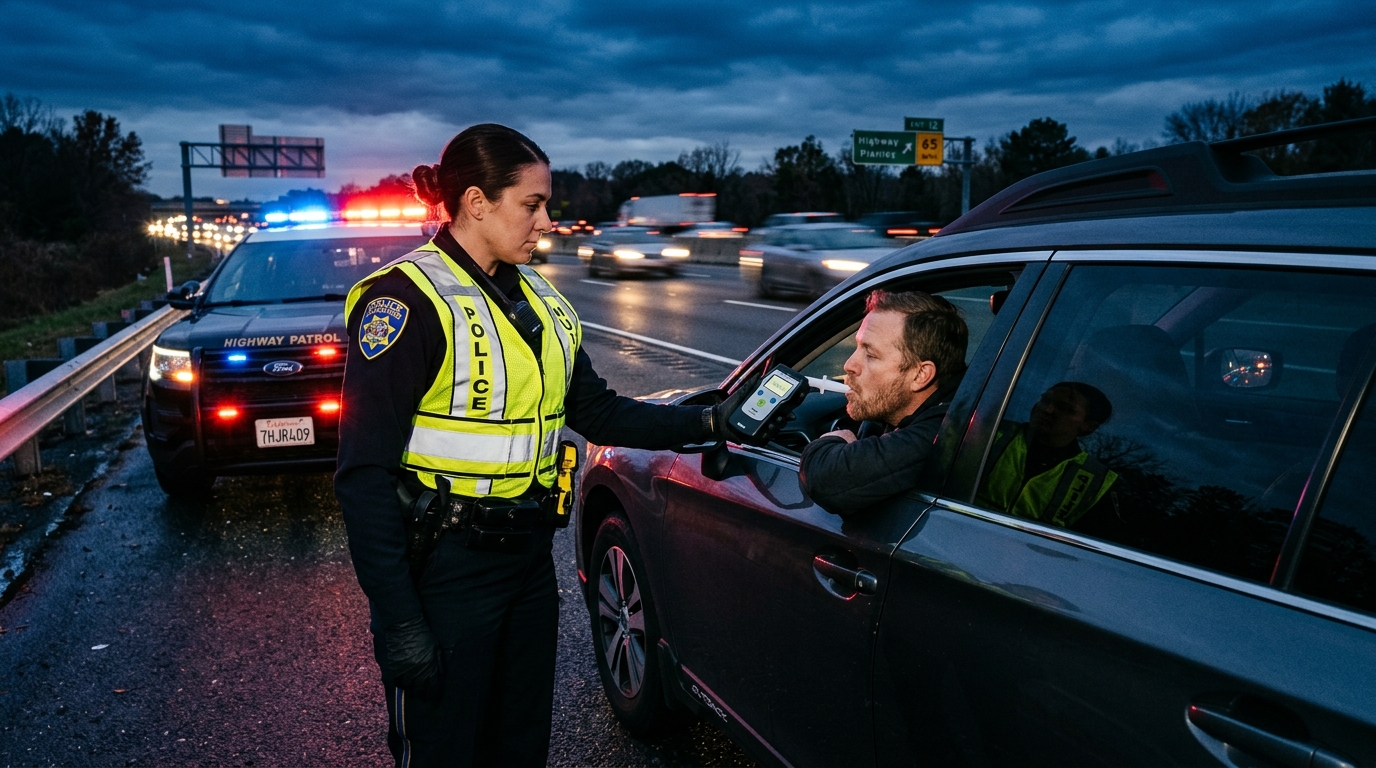
The chronology of such a case typically follows a specific, rigorous path. First, the initial stop and field observation occur. If the officer suspects drug influence, the suspect is placed under arrest, and the vehicle is searched. This is the stage where the situation often escalates; the discovery of cocaine in the vehicle transforms a simple traffic violation into a dual-charge scenario involving both impaired driving and possession of a controlled substance. Subsequent to the arrest, the driver is taken to a facility for toxicological analysis, such as a blood or urine test, to verify the presence of the drug in the system.
The Evidentiary Challenge in the Courtroom
Because there is no per se limit for cocaine, the courtroom battleground is vastly different from that of an alcohol-related case. Prosecutors must rely on expert testimony to bridge the gap between the toxicology report and the driver’s behavior. They must convince a jury that the specific concentration of cocaine found in the suspect’s system was sufficient to impair their ability to operate a vehicle safely at the time of the stop.
Defense attorneys often target this link, arguing that the presence of a substance in a person’s blood does not necessarily mean they were impaired at the exact moment of operation. They may point to the half-life of the drug or argue that the driver’s behavior was caused by fatigue, medical conditions, or other environmental factors. This ambiguity makes these cases significantly more difficult to prosecute and more expensive to litigate, often leading to protracted court battles that require specialized expert witnesses, including pharmacologists and accident reconstructionists.
The Legal Consequences of Dual Charging
One of the most severe aspects of a cocaine-related driving arrest is the potential for "stacking" charges. In many jurisdictions, the moment a driver is arrested for operating under the influence, the vehicle is subject to an inventory search. If any amount of cocaine is found, the driver is almost certain to face a secondary charge of drug possession.
In many states, even small quantities of cocaine are classified as Schedule II controlled substances, which often carry felony status. While the initial DWI/DUI might be processed as a misdemeanor, the accompanying drug possession charge can elevate the entire case to a felony level. This can result in significantly harsher sentencing guidelines, mandatory drug education programs, the loss of driving privileges, and long-term implications for employment and housing.

Furthermore, state laws vary dramatically in how they structure these penalties. For instance, in some jurisdictions, a first-time drug-impaired driving charge may be eligible for a diversion program, whereas in others, the statutory minimums are rigid. Because of this lack of national uniformity, legal experts emphasize that the outcome of a case is highly dependent on the local statutes of the county or state where the arrest occurred. For example, cases in urban centers like Harris County, Texas, may follow a different procedural trajectory than those in smaller, rural jurisdictions, largely due to the differences in local court caseloads and the availability of specialized drug courts.
Implied Consent and Administrative Penalties
The procedural hurdles do not end with the criminal court. Almost every state operates under "implied consent" laws. By obtaining a driver’s license and operating a vehicle on public roads, a driver is legally understood to have consented to chemical testing if they are lawfully arrested on suspicion of impairment.
Refusing a chemical test in a drug-related case triggers immediate administrative consequences. These often include the automatic suspension of the driver’s license, regardless of whether the individual is eventually convicted of the underlying criminal charge. These administrative penalties are designed to be swift and serve as a deterrent, but they also complicate the defense process. A driver may find themselves unable to drive to work or school long before their day in court arrives, adding a layer of socioeconomic pressure to an already complex legal situation.
Broader Public Health Implications
The decline in the rate of cocaine-involved overdose deaths from 2023 to 2024 is a statistically significant development, but public health officials caution against complacency. The relationship between substance use and road safety is a critical component of the national conversation on drug policy. As the availability of potent stimulants remains a concern, the burden on law enforcement to identify impaired drivers in the absence of a breathalyzer-style device for narcotics will likely continue to grow.
Legislators are increasingly looking toward "Drug Recognition Experts" (DREs) to fill this gap. DREs are police officers specially trained to conduct a 12-step evaluation process that can identify the category of drug causing impairment. While this has become the gold standard for many agencies, the training and implementation are resource-intensive.
The complexity of these cases highlights a broader issue in the criminal justice system: the difficulty of aligning public safety objectives with the nuances of pharmacology and law. As the legal landscape continues to evolve, the focus remains on the "totality of the circumstances." Whether it is a routine traffic stop or a high-speed collision, the law continues to prioritize the removal of impaired drivers from the road, while the legal system struggles to find a balance that is both fair to the individual and protective of the public.
For those navigating such charges, the complexity is not merely legal but life-altering. Given the potential for felony drug charges to be paired with DWI accusations, the advice from legal professionals remains consistent: the nuances of state law are paramount. There is no substitute for a thorough understanding of local jurisdiction, as a simple traffic stop can quickly cascade into a life-defining legal crisis. The lack of a "legal limit" for cocaine is not a loophole, but rather a reminder of the subjective, volatile, and dangerous nature of operating a vehicle while under the influence of potent stimulants.
Related posts: