Beyond the Hotel Key: Why Historic Mansions Are Redefining Group Travel Economics

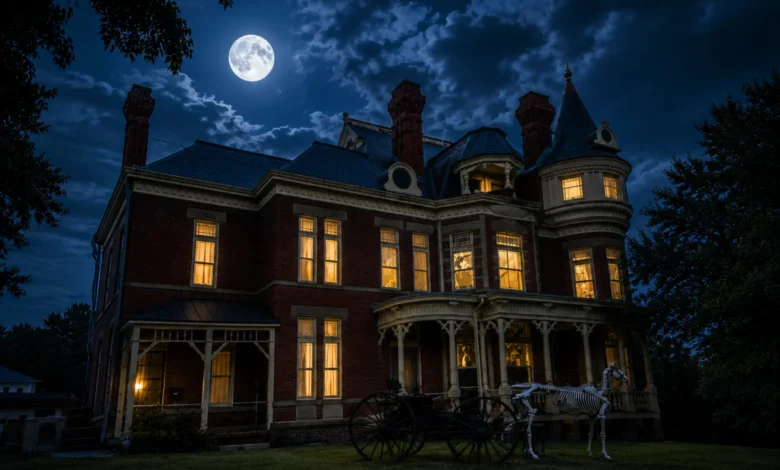
Planning a group getaway often devolves into a logistical and financial headache once participants begin comparing the disparate costs of individual hotel rooms. For a group of ten to twenty people, standard accommodations priced at $200 per night can quickly escalate into a four-figure expenditure, excluding the inevitable add-on costs of dining, transportation, and entertainment. However, a shifting trend in the hospitality sector suggests that travelers are increasingly bypassing traditional chain hotels in favor of historic estates, haunted landmarks, and legacy mansions. These properties, while often steeped in local lore or architectural significance, offer a compelling alternative that combines communal living with unique, immersive experiences that are, in many cases, more cost-effective than fragmented hotel bookings.
The economic rationale for this shift is rooted in the model of shared utility. When a group secures a private, historic property for a flat nightly rate, the cost-per-head is inherently lower than the aggregate cost of multiple individual rooms. Beyond the balance sheet, there is the intangible value of the "shared experience." In an era where digital fatigue is prevalent, spending a weekend within the walls of a property that features original Victorian woodwork, Gilded Age architecture, or, in some cases, a documented history of paranormal activity, provides a focal point for group cohesion that a standard hotel lobby cannot replicate.
Chronology and Context: The True-Crime Destination
The rise of the "haunted stay" is not merely a product of the travel industry’s diversification; it is deeply intertwined with the growing cultural fascination with true-crime narratives and American history.
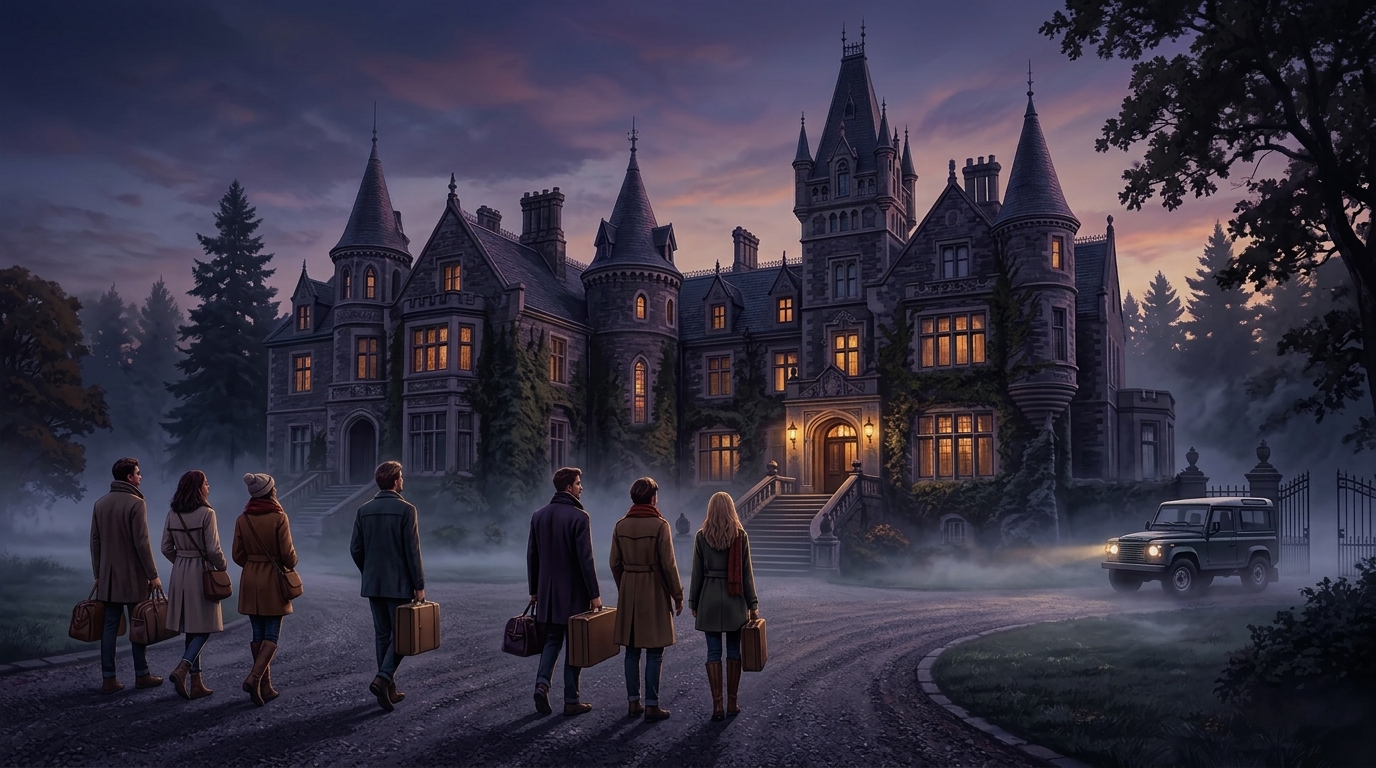
The Villisca Axe Murder House in Iowa stands as the preeminent example of this phenomenon. On the night of June 9, 1912, eight individuals—including six children—were discovered murdered in the residence. The investigation, which spanned years, failed to yield a conviction, leaving the crime as one of the most enduring mysteries in American history. Today, the property operates as a historical site and overnight rental. By allowing groups to book the house for an evening, the operators have converted a site of tragedy into a controlled, immersive environment. The cost structure—typically $599 for an initial group of five, with incremental fees for additional guests up to a capacity of twelve—highlights the shift from traditional hospitality to experience-based rental.
Similarly, the Lizzie Borden House in Fall River, Massachusetts, offers a glimpse into the 1892 trial that gripped the nation. The acquittal of Lizzie Borden following the brutal slayings of her father and stepmother turned the house into a monument of 19th-century legal drama. By operating as a boutique, historic accommodation, the house invites guests to inhabit the very geography of a historic crime scene, providing a tangible connection to the past that standard hotel rooms fail to offer.
Regional Case Studies: Architecture and Paranormal Tourism
In the Midwest, the McInteer Villa in Atchison, Kansas, serves as a bridge between high-end architectural interest and the paranormal tourism market. Constructed between 1889 and 1890, the villa is an example of intricate Victorian design. Beyond its aesthetic appeal, it is a primary destination for enthusiasts of the supernatural. The logistics of such a rental are significant: for a group of twenty, a $900 nightly rate translates to a per-person cost of $45—a fraction of what would be spent on ten hotel rooms.
In Pennsylvania, the Brickhouse Inn in Gettysburg provides a more grounded, though equally historical, experience. Because the property includes the Welty House, which was occupied by Confederate sharpshooters during the 1863 Battle of Gettysburg, it serves as a living museum. Unlike some of the more rugged, "no-plumbing" ghost-hunting locations, properties like the Brickhouse Inn offer modern amenities alongside their historical pedigree. This indicates a bifurcation in the market: travelers can choose between "primitive" immersive historical sites or "luxury" historic hotels that provide the same, if not higher, level of comfort than major hotel chains.
Luxury Heritage: The Alternative to the "Haunted" Model
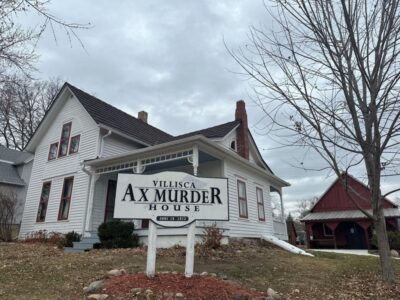
Not all historic mansion stays are predicated on the presence of ghosts or true-crime narratives. For groups seeking upscale, luxury experiences, properties such as Oheka Castle in New York, the Wentworth Mansion in South Carolina, and The Chanler at Cliff Walk in Rhode Island offer a different value proposition.
Oheka Castle, completed in 1919, represents the zenith of Gilded Age opulence. It caters to a demographic looking for grandiosity and formal service. Similarly, the Wentworth Mansion in Charleston, built in 1886, leverages its history as a luxury boutique hotel to offer guests an "all-inclusive" feel by providing Southern-style breakfasts and afternoon refreshments. These amenities, while bundled into the price, often result in a net savings on food and beverage costs for the group, reinforcing the economic argument for choosing a single, grand property over a distributed hotel stay.
Analysis of Financial Implications and Market Trends
When analyzing the financial feasibility of these stays, travelers must consider several variables beyond the nightly rate. The total cost calculation must account for:
- Capacity and Occupancy: The value proposition increases exponentially as the group size approaches the maximum occupancy of the house.
- Operational Overhead: Historic homes often require professional maintenance, and guests should be aware that some "haunted" sites have specific usage policies, such as the prohibition of certain types of candles or the requirement to bring personal sleeping gear.
- Hidden Costs: Unlike hotels, where taxes and resort fees are standardized, private mansion rentals may include significant cleaning fees or strict cancellation policies that can penalize last-minute changes.
- Logistical Convenience: Booking a property that allows for a central gathering point reduces the need for ride-sharing or multiple vehicles, further lowering the total trip cost.
Professional Observations on Group Dynamics
Industry analysts observe that the shift toward historic property rentals reflects a broader movement toward "experiential travel." Groups are no longer satisfied with the commoditized uniformity of hotel chains. They seek narratives, authenticity, and a sense of place.
"The demand for properties with a story is on the rise," notes a spokesperson for a regional hospitality association. "Whether that story is a haunting or a piece of architectural history, guests are looking to be part of the property’s timeline, rather than just occupying a neutral space for the night."
This trend is further supported by the proliferation of online booking platforms that allow smaller, independent owners to compete with larger hospitality brands. By providing transparency in pricing and clear expectations regarding the level of luxury—or lack thereof—these owners have effectively tapped into a segment of the market that prioritizes the "story" of the destination over the brand recognition of a global hotel chain.
Conclusion: Evaluating the Investment
For travelers, the decision to book a historic mansion requires a thorough assessment of the group’s priorities. If the objective is to maximize cost-efficiency while fostering a high-engagement, shared environment, historic properties are undoubtedly superior to traditional hotels. However, if the group requires the reliability of 24/7 concierge service, high-speed business infrastructure, or standardized room layouts, the trade-offs of an older, historic property must be carefully weighed.
Ultimately, the surge in popularity of these locations suggests that the travel industry is experiencing a necessary correction. By bridging the gap between historical education and group leisure, these mansions provide a multifaceted utility. As more travelers realize that the most memorable nights are often those spent in the company of friends—in rooms that are as much a part of history as they are a place to rest—the traditional hotel model may find itself facing long-term competition from the very ghosts and grand architectures of the past. When planning the next group venture, the math is clear: the most hauntingly affordable options are rarely found on the standard booking sites of global chains, but rather within the silent, storied halls of America’s historic estates.