Mastering Customer Health Scores: A Strategic Framework for Sustainable Growth and Retention

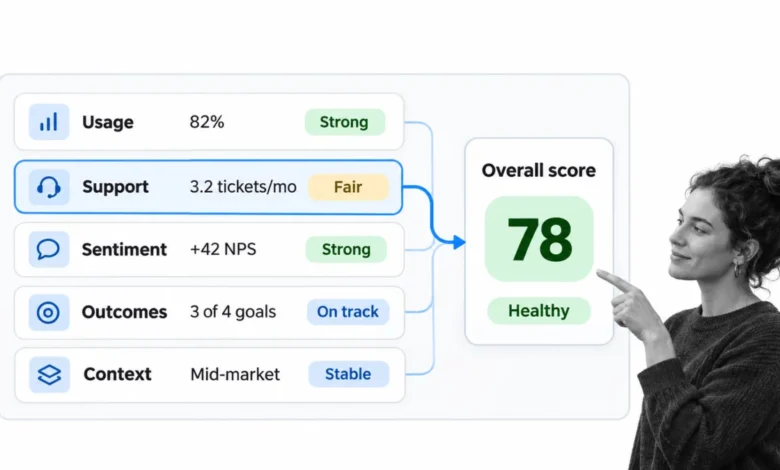
In the competitive landscape of subscription-based business models, the ability to predict account attrition before it manifests as a lost contract is the primary differentiator between market leaders and those struggling with high churn rates. A customer health score serves as the central nervous system for a Customer Success (CS) organization, aggregating disparate data points—ranging from product telemetry and support ticket volume to sentiment analysis and business outcome attainment—into a single, actionable metric. While industry terminology often fluctuates between account health scores and customer success scores, the objective remains constant: identifying the precise moment an account transitions from a healthy state to one requiring intervention.
The evolution of these scoring systems has tracked alongside the maturation of the Software-as-a-Service (SaaS) industry. In the early 2010s, companies relied on rudimentary spreadsheets to track manual check-ins. By the 2020s, the integration of automated CRM data and AI-driven predictive analytics transformed these scores from static historical records into dynamic, real-time indicators. Despite this progress, there is no universal industry standard for a "perfect" score, as every product delivers value differently. Consequently, organizations must architect a bespoke model that mirrors their unique customer journey and value proposition.
Foundational Indicators of Account Wellbeing
To construct a robust health score, firms must look beyond superficial metrics. While the Net Promoter Score (NPS) has long been the industry’s favorite "single metric," research from institutions like the American Customer Satisfaction Index (ACSI) suggests that NPS is insufficient when used in isolation. NPS functions as a lagging indicator of sentiment, whereas true predictive power lies in a balanced scorecard approach.
The seven primary indicators that form the core of a modern health model include:
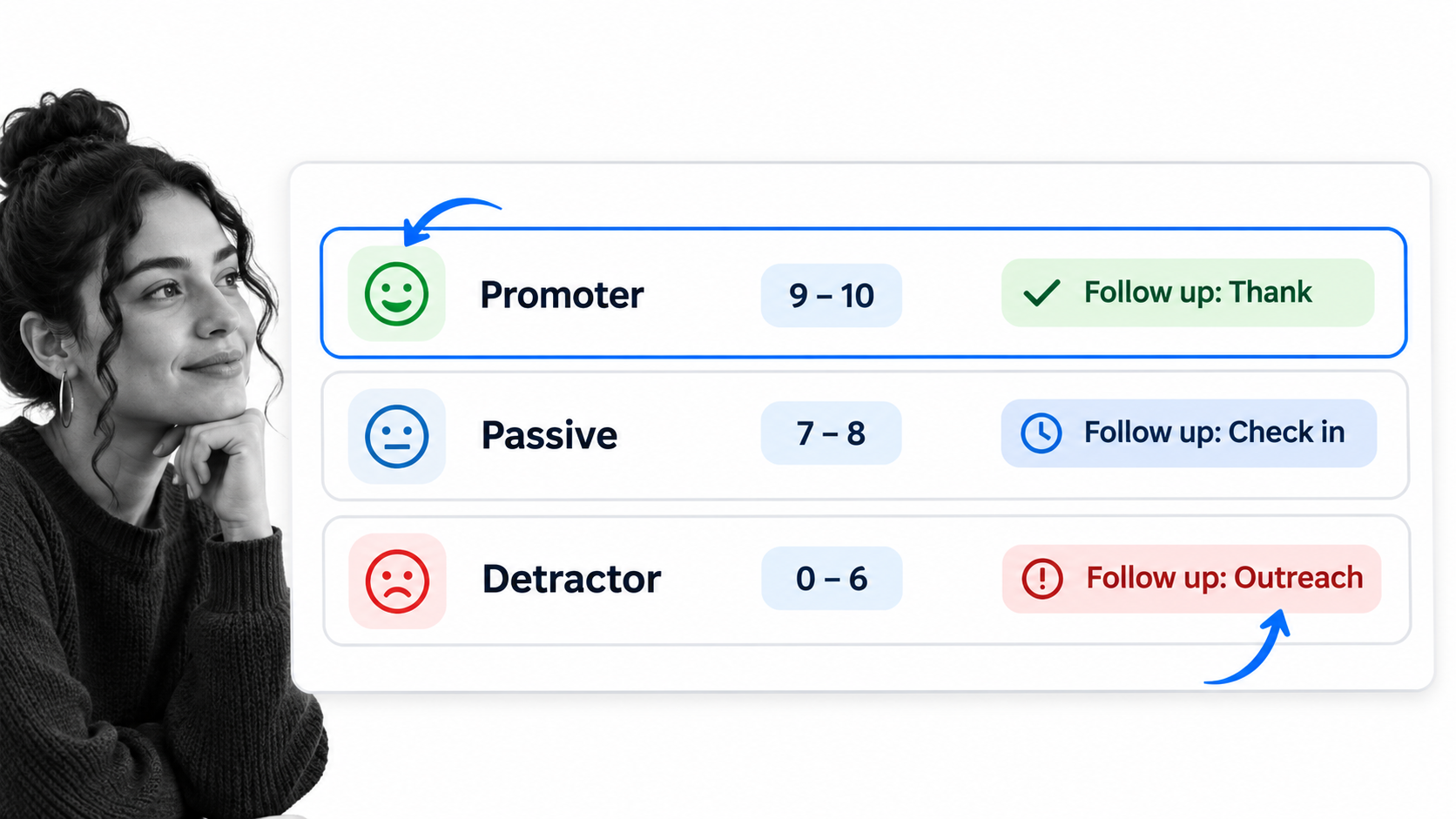
- Net Promoter Score (NPS): Used to gauge customer loyalty via the "likelihood to recommend" query. While useful for high-level sentiment tracking, it must be contextualized with behavioral data to avoid the pitfalls of survey bias.
- Product Usage Rate: This measures both the breadth (number of licensed users actively logging in) and depth (frequency and intensity of feature utilization). A drop in usage is often the first warning sign of an impending cancellation.
- Customer Success Manager (CSM) Pulse: Often overlooked, the qualitative intuition of a dedicated CSM—who possesses the human context of an account—serves as an essential override for algorithmic data.
- Churn Probability: By analyzing historical trends, companies can calculate the statistical likelihood of an account churning within a specific timeframe, allowing for proactive outreach.
- Support Ticket Metadata: High volume or recurring "severity-one" tickets are indicative of friction. Efficient resolution of these tickets is crucial, as modern consumers expect providers to possess full visibility into their support history.
- Customer Satisfaction Score (CSAT): Unlike NPS, which measures long-term loyalty, CSAT is transactional. It captures satisfaction immediately following a specific interaction, such as a support call or onboarding milestone.
- Industry Fit and External Market Dynamics: Using methodologies such as SWOT (Strengths, Weaknesses, Opportunities, Threats) or Porter’s Five Forces, companies can assess whether a client’s business model remains aligned with the product offering in a shifting market.
The Five-Step Calculation Methodology
Transforming raw data into a composite score requires a disciplined, five-step implementation process. First, organizations must define the outcome. Whether the objective is to secure a renewal, drive expansion, or ensure successful adoption, the goal must be observable and time-bound. A vague goal such as "make the customer happy" cannot be measured; a goal such as "achieve 90% feature adoption within the first 90 days" provides a clear KPI for the score to track.
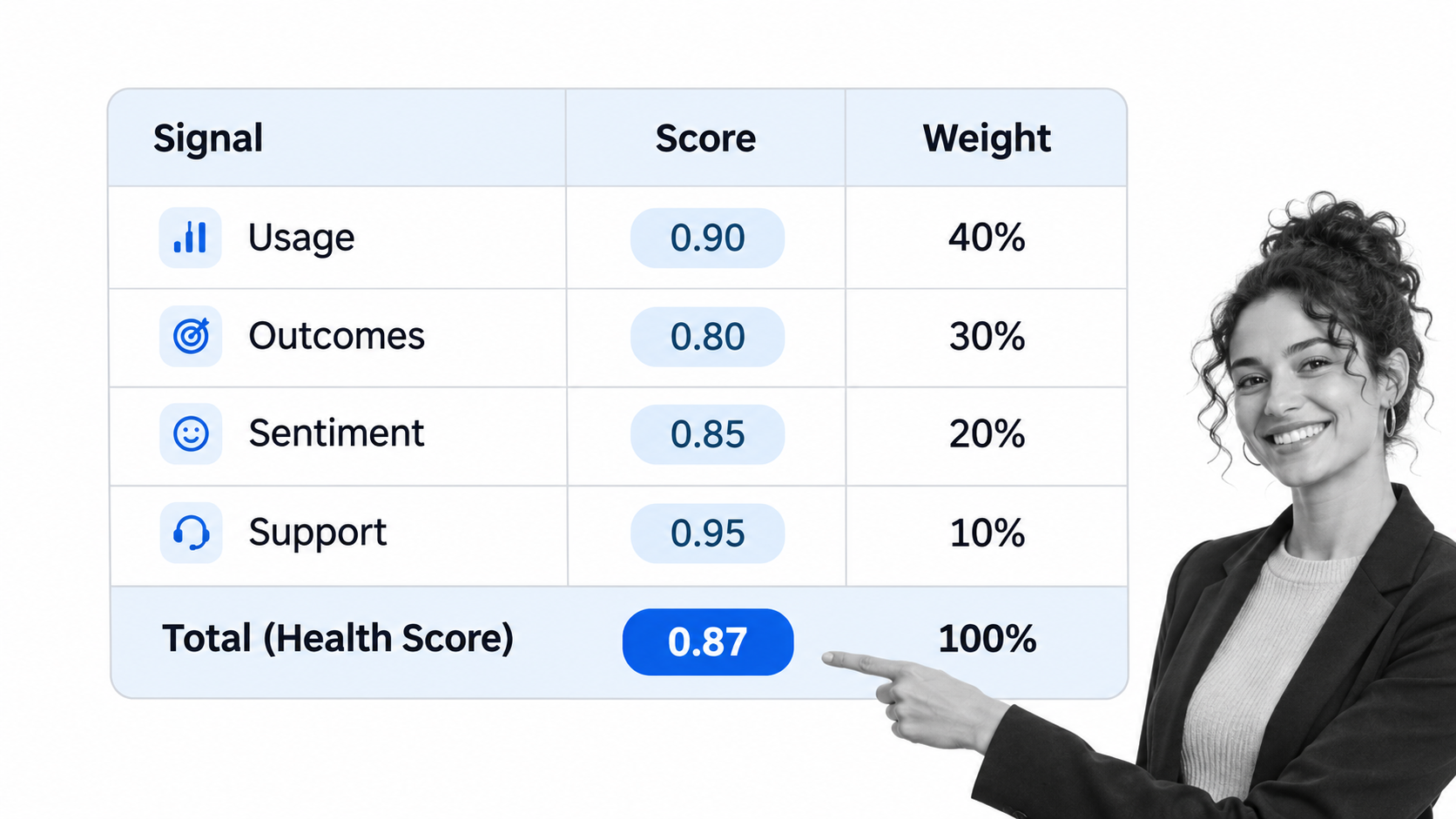
Second, teams must select their predictive signals. Leading indicators, such as onboarding milestone completion, should be prioritized over lagging indicators like past revenue. Third, weighting is essential. Not all signals carry equal importance; for instance, a lack of executive engagement might be weighted more heavily than a minor support ticket regarding documentation.
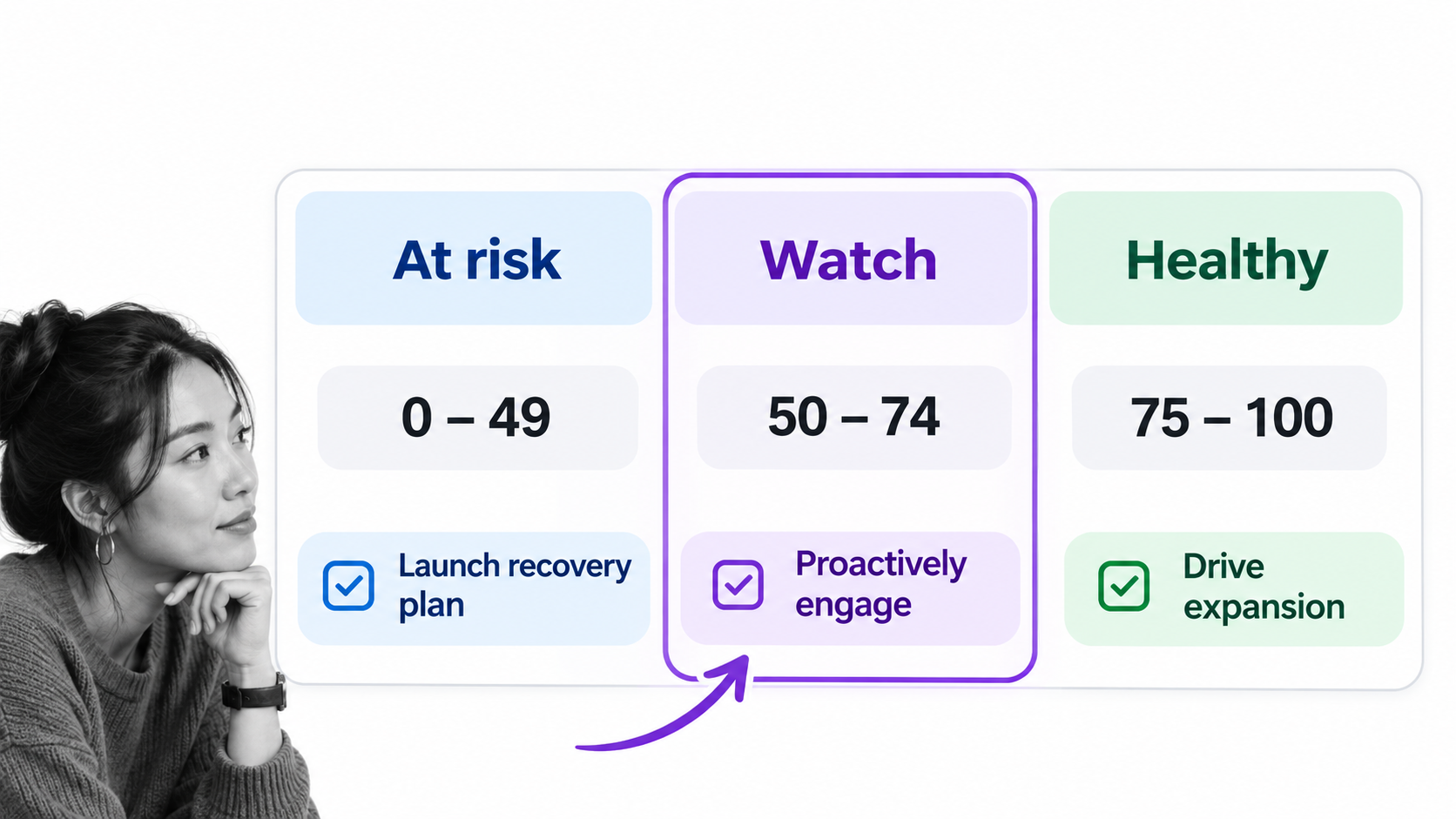
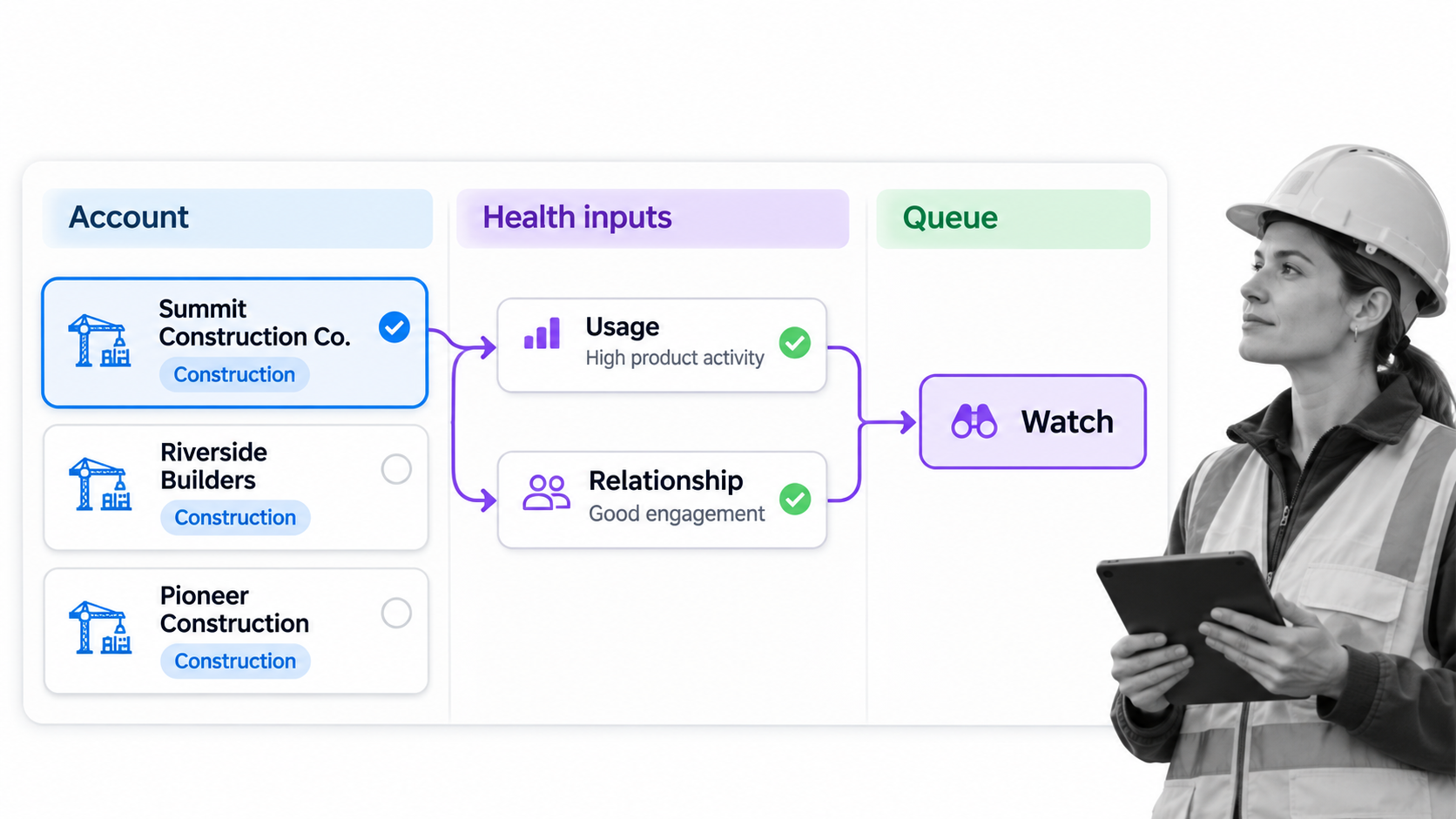
Fourth, the model must be mapped to distinct health bands. A typical framework classifies accounts into three tiers: Healthy (70-100), Watch (40-69), and At-Risk (0-39). Each band should trigger an automated operational response. Finally, the fifth step is the connection to action. A health score that sits on a dashboard without an associated workflow is merely "vanity data." It must trigger specific, repeatable playbooks—such as an automated recovery plan for at-risk accounts or an advocacy campaign for healthy ones.
Scaling from Startup to Enterprise
As organizations transition from early-stage startups to mature enterprises, the complexity of their health scoring models often increases. Startups often rely on "gut check" methodologies and simple spreadsheets, which provide the agility required for rapid pivots. However, as the customer base scales, manual tracking becomes a bottleneck.
Data from recent enterprise software deployments indicates that companies utilizing dedicated Customer Success platforms see a significant improvement in churn reduction compared to those relying on siloed data. Large organizations frequently employ sophisticated, AI-driven platforms that integrate directly with the customer’s tech stack. Despite the sophistication of these tools, the core discipline remains the same: the human-in-the-loop requirement. Data can identify that an account is at risk, but only a human, armed with that data, can resolve the underlying relationship friction.
The Role of Process and Automation
In modern operations, the integration of Business Process Management (BPM) tools has become standard. By documenting the "Churn Prevention" or "Renewal" workflows, organizations ensure that the response to a low health score is consistent across the entire team. Features such as "Stop Tasks"—which prevent a user from moving forward until a specific, critical action is completed—and "Conditional Logic" ensure that the customer success team follows a rigorous, error-proof process.
The impact of this consistency is measurable. McKinsey & Company research consistently finds that consistency in the customer experience can boost revenue by up to 15% and increase overall satisfaction scores by as much as 20%. When a company can prove that a specific workflow reduces churn by even a few percentage points, the return on investment for the health scoring model is realized.
Implications and Future Outlook
The strategic implication of sophisticated health scoring is a shift from reactive firefighting to proactive value delivery. When a company knows exactly which accounts are struggling, they can deploy resources—such as specialized training sessions or executive-level check-ins—where they are most needed.
Looking forward, the integration of generative AI is poised to revolutionize this space. AI is already being used to summarize thousands of support tickets, sentiment-analyze call recordings, and suggest the most effective "next best action" for a CSM. While the underlying metrics of usage, satisfaction, and outcomes remain the pillars of the score, the speed at which these inputs are processed and acted upon is accelerating.
Ultimately, the goal of any customer health scoring initiative is to minimize the "black box" nature of account management. By making the metrics transparent, the weighting explainable, and the resulting actions repeatable, businesses build an institutional memory that persists beyond individual employees. This creates a resilient organization capable of weathering market volatility and maintaining a stable, growing customer base.
In conclusion, the modern Customer Success team must view their health scoring model not as a static report, but as a living operating system. It requires quarterly iterations, constant calibration, and a commitment to data integrity. As market expectations for service quality continue to rise, those who master the science of measuring customer health will be the ones who successfully navigate the complexities of long-term retention and sustainable, predictable revenue growth.