The Rise of Prompt Tracking: Why Traditional SEO Ranking No Longer Guarantees AI Visibility

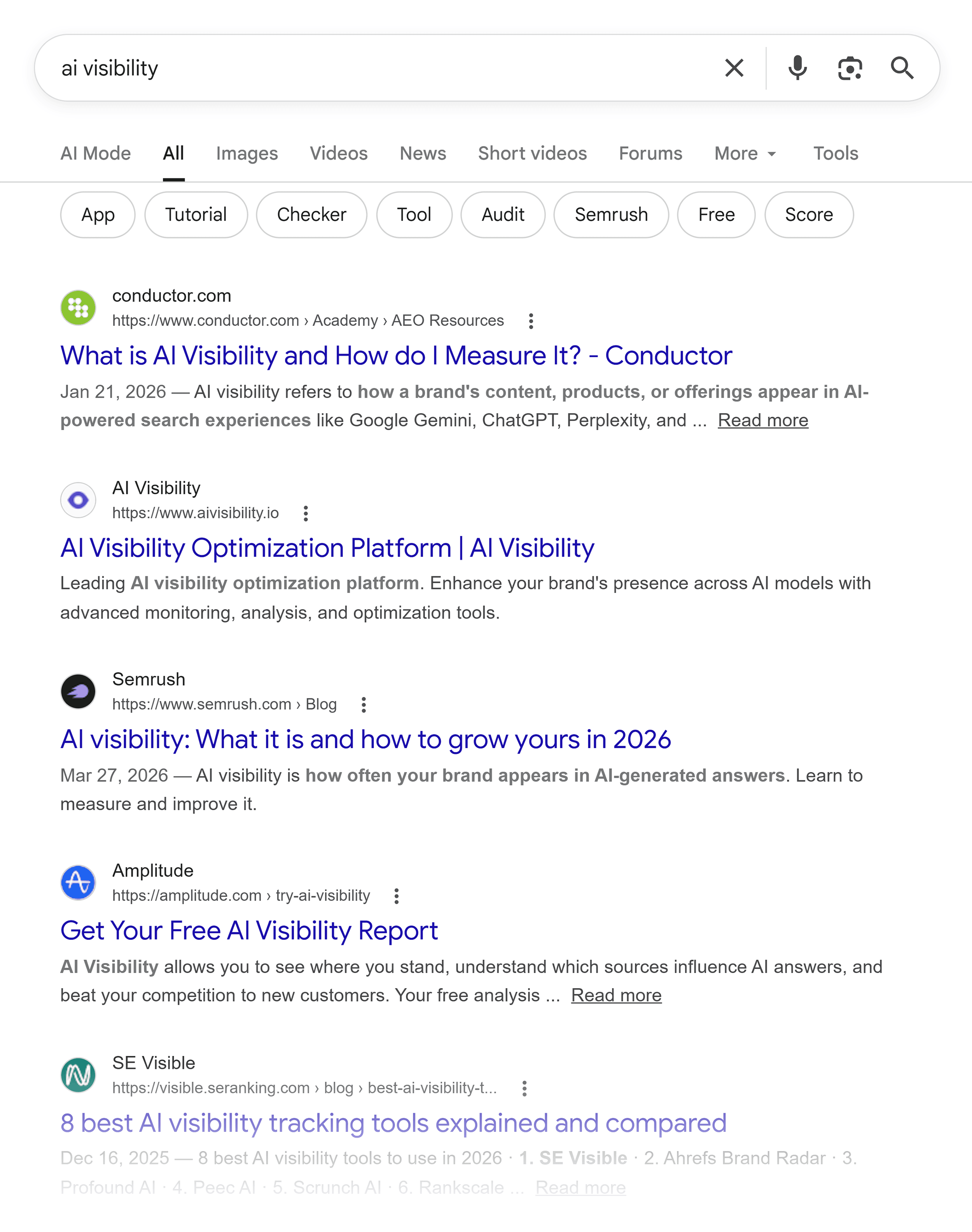
The digital marketing landscape is undergoing its most profound structural shift since the mainstream adoption of search engines. For over two decades, the holy grail of online visibility was simple: secure the number-one organic ranking on Google, capture the majority of click-through traffic, and convert that traffic on-site. Today, a brand can maintain the top position on traditional search engine results pages (SERPs) while remaining completely invisible to the modern consumer.
This paradox is driven by the rapid evolution of artificial intelligence search tools and large language models (LLMs). As millions of internet users transition from traditional keyword queries to conversational, AI-driven discovery platforms like ChatGPT, Google Gemini, and Perplexity, the mechanics of how brands are discovered have fundamentally changed. Consequently, digital strategists are shifting their focus from conventional URL rank tracking to a new methodology known as prompt tracking, or LLM visibility tracking.
The Shift from Static Links to Dynamic Answers
To understand why traditional search engine optimization (SEO) metrics are no longer sufficient, one must examine the core architectural differences between standard search engines and generative AI. Traditional search engines operate on a deterministic model, returning a static list of blue links anchored to specific URLs in response to a keyword.
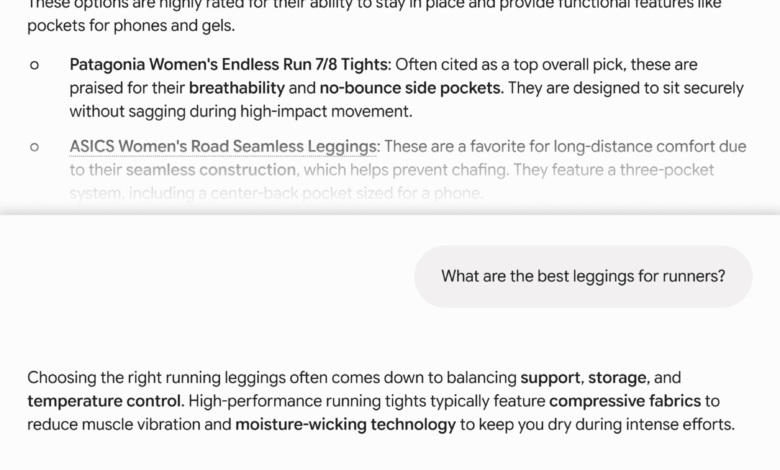
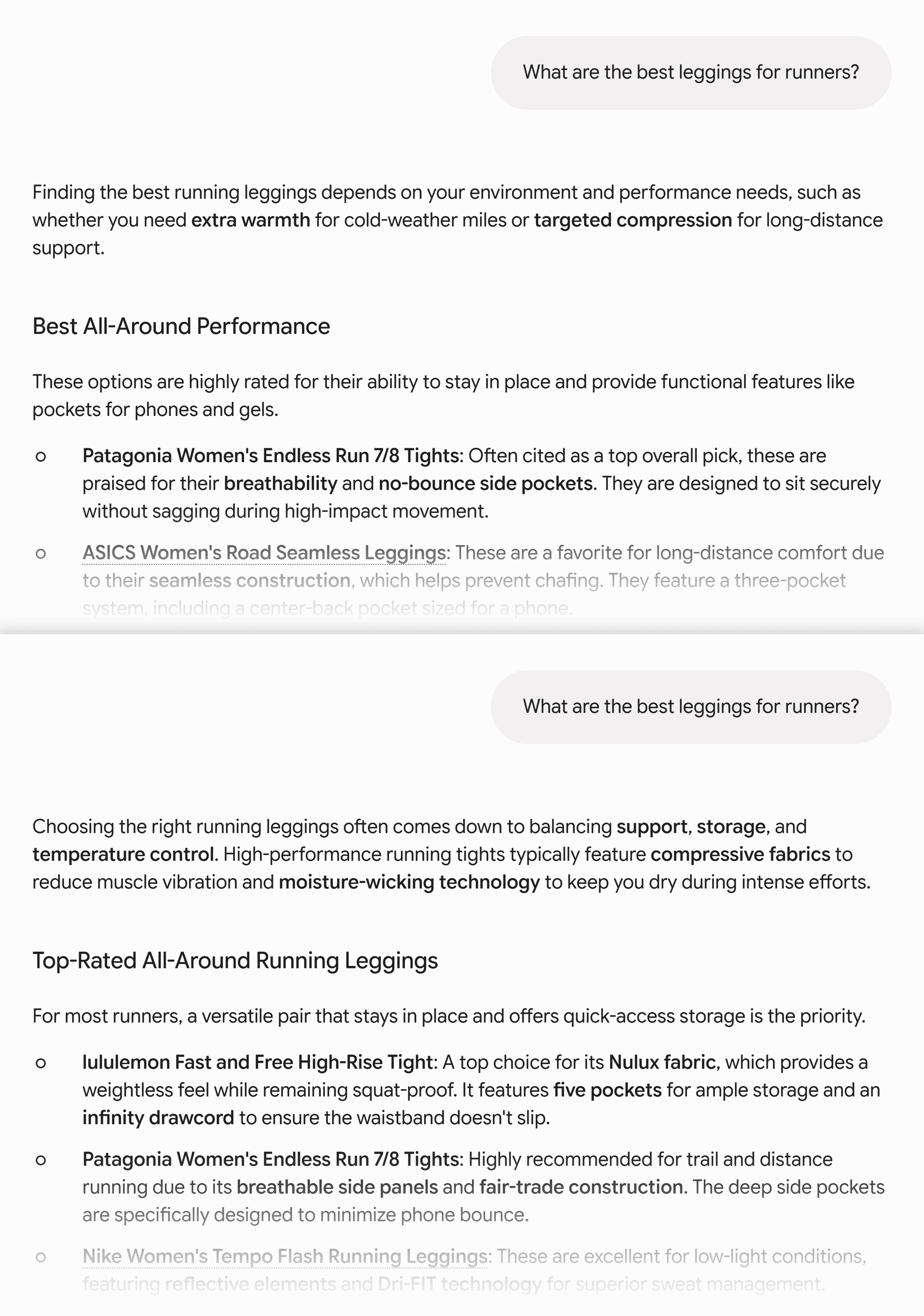
In contrast, LLMs do not serve static lists. Instead, they synthesize vast datasets in real time, generating unique, conversational responses tailored to the specific user and context of a dialogue. A user can input the exact same prompt twice and receive two entirely different answers, often highlighting different competing brands, citing varying third-party sources, and framing product recommendations through unique contextual lenses.
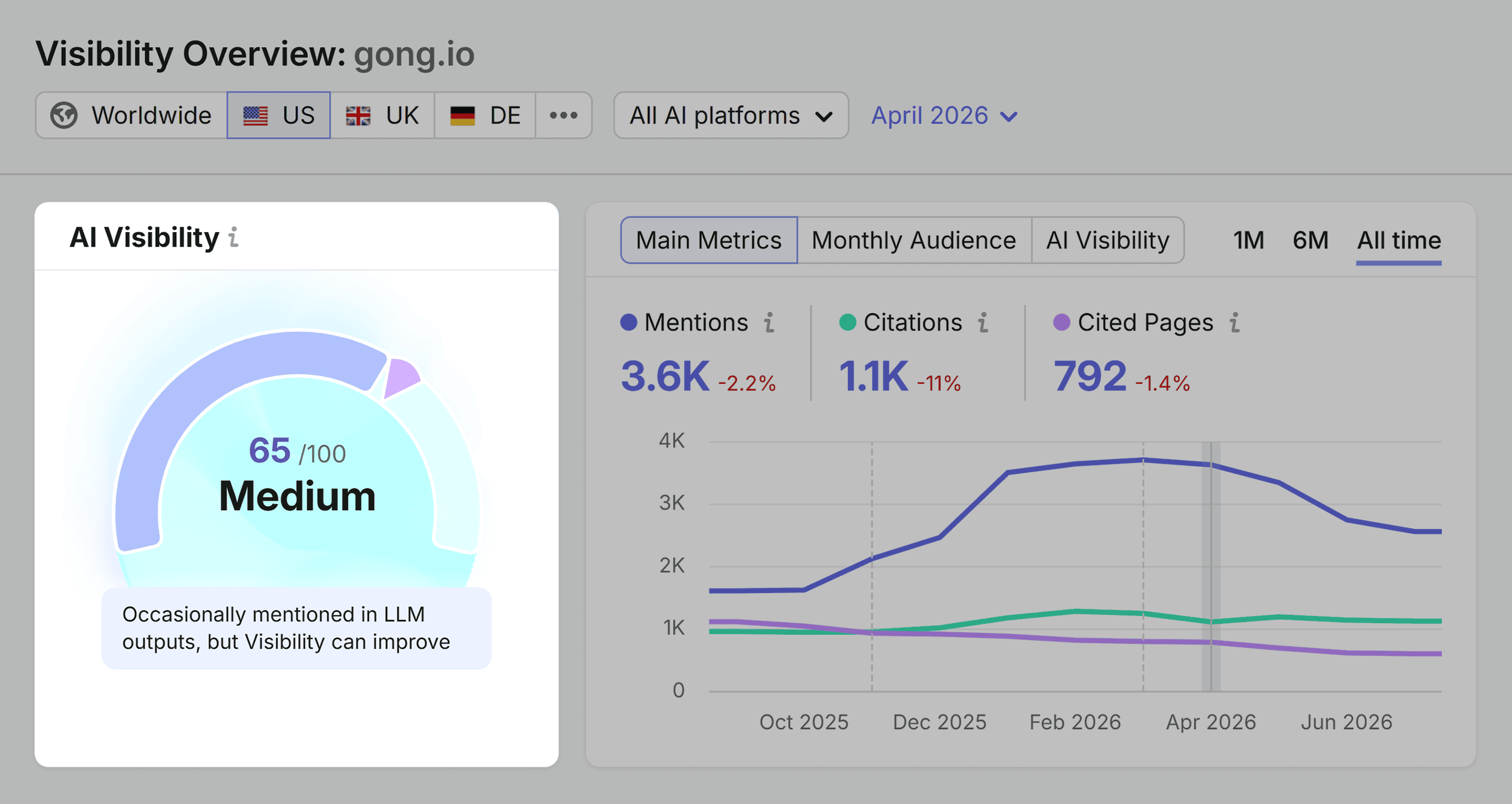
Industry data underscores the urgency of this transition. According to a recent adoption survey conducted by Orbit Media, over 55 percent of U.S. internet users now rely on AI as their primary or frequent research tool, with nearly a third using these platforms explicitly for product recommendations. Furthermore, a 2026 insight report from G2 revealed that 71 percent of B2B software buyers currently depend on AI chatbots for initial product research, marking a sharp increase from previous years.
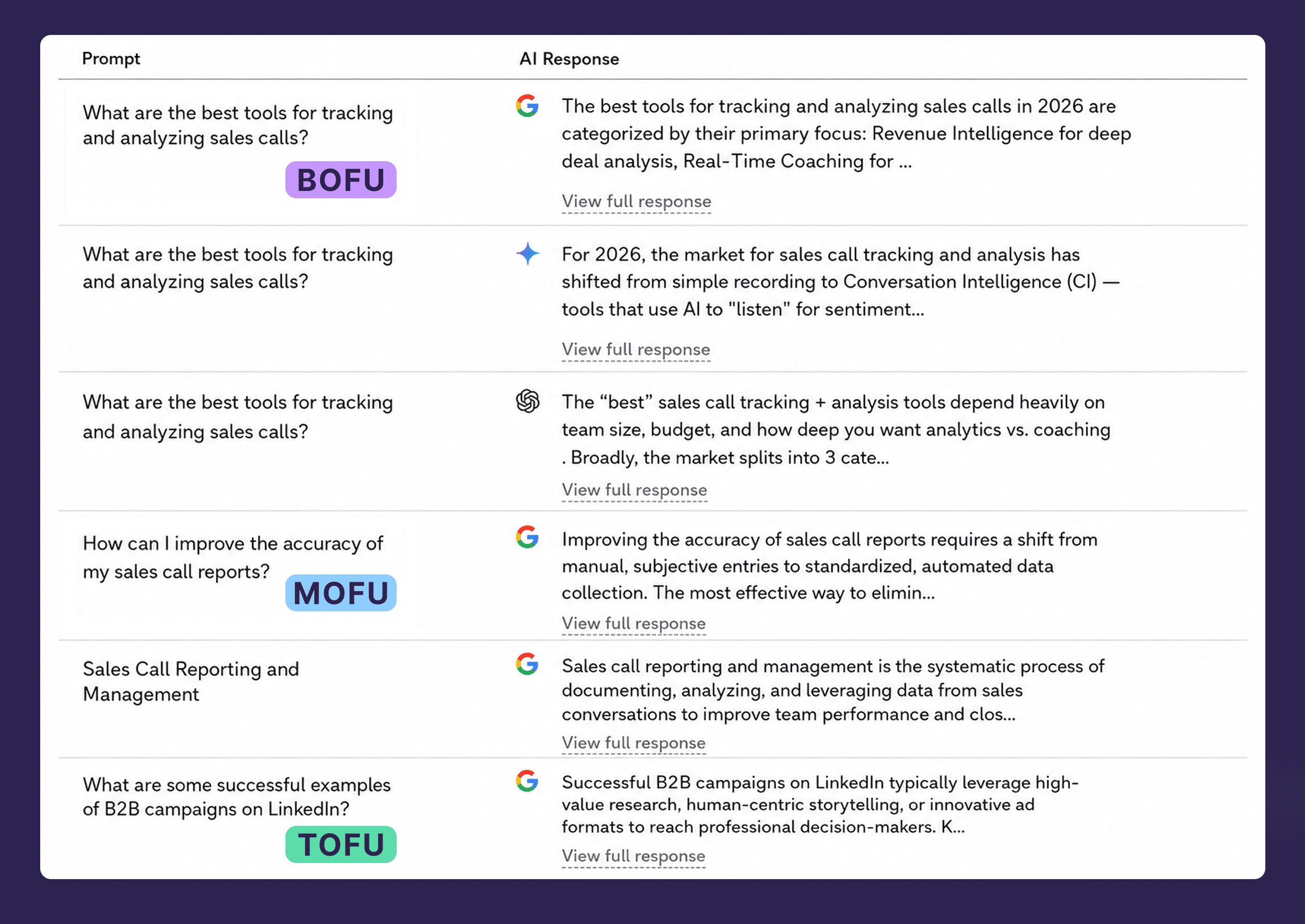
When a prospective buyer asks an LLM for the best software solution in a specific category, the model provides a synthesized narrative recommendation. If a brand is absent from that narrative, or worse, if the AI pulls outdated, incorrect, or unflattering information about the company, the sale may be lost before the consumer ever visits the brand’s official website.
Defining Prompt Tracking and Its Core Mechanics
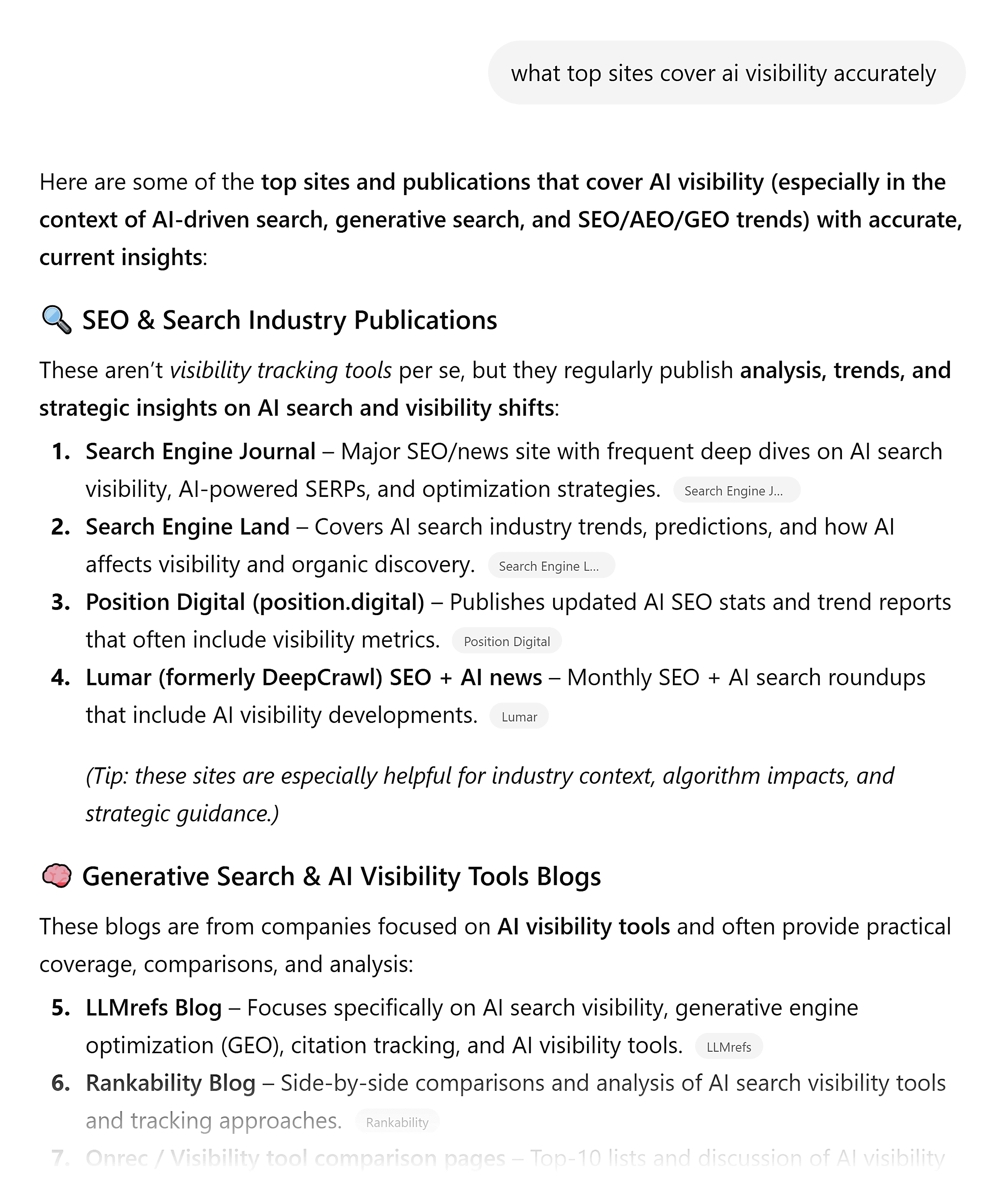
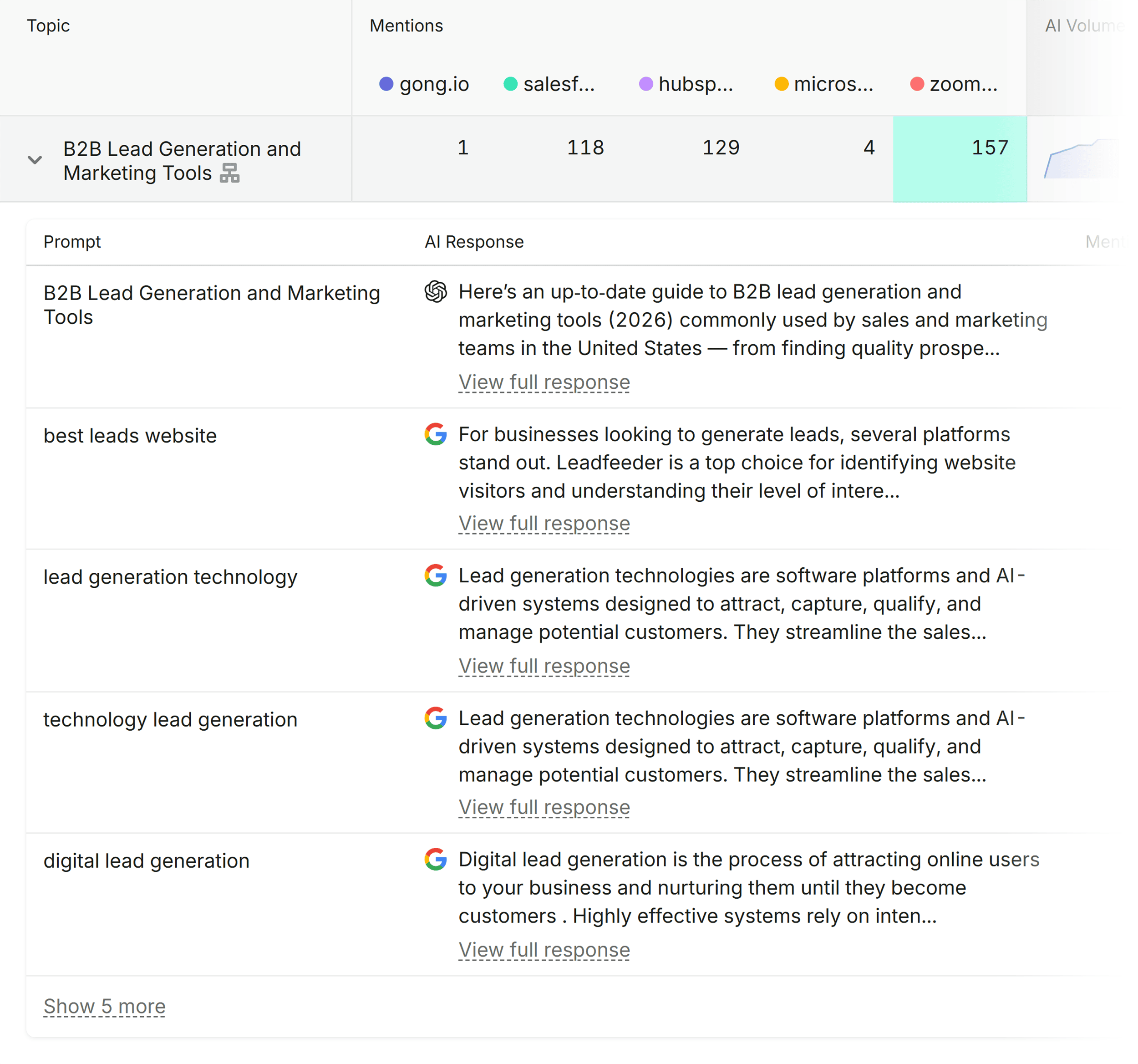
Prompt tracking is the systematic process of monitoring how a brand appears within AI-generated responses over time, measured through mentions, sentiment, and authoritative citations. Unlike rank tracking—which asks how close a URL is to the number-one position for a specific keyword—prompt tracking measures the consistency, accuracy, and framing of a brand’s presence across a vast matrix of category-related questions.
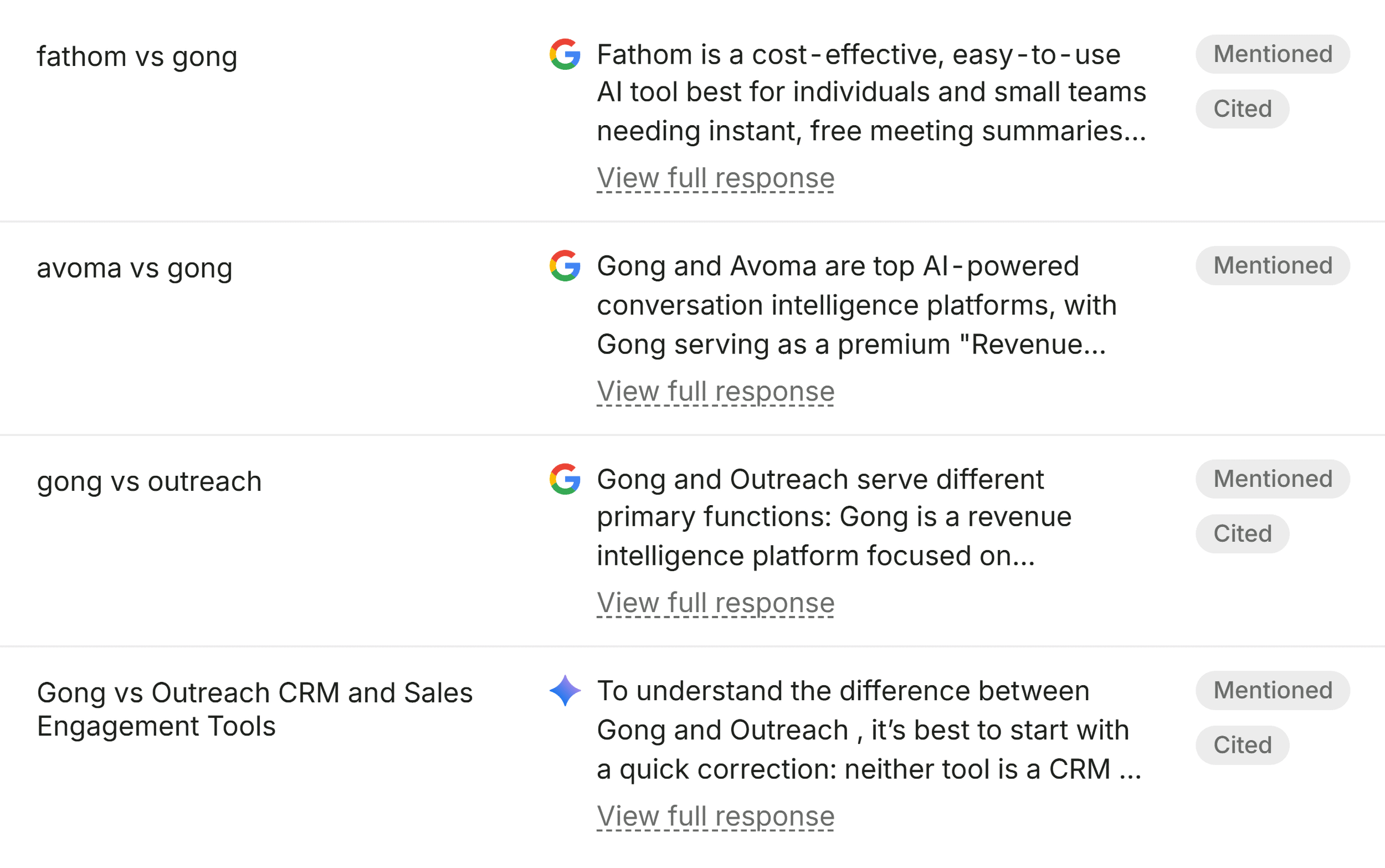
Industry experts emphasize that the primary objective of prompt tracking is not necessarily to secure the first mention in every AI output, but to ensure that true, positive, and accurate portrayals of the brand are delivered consistently to the correct target audience across multiple prompt variations.
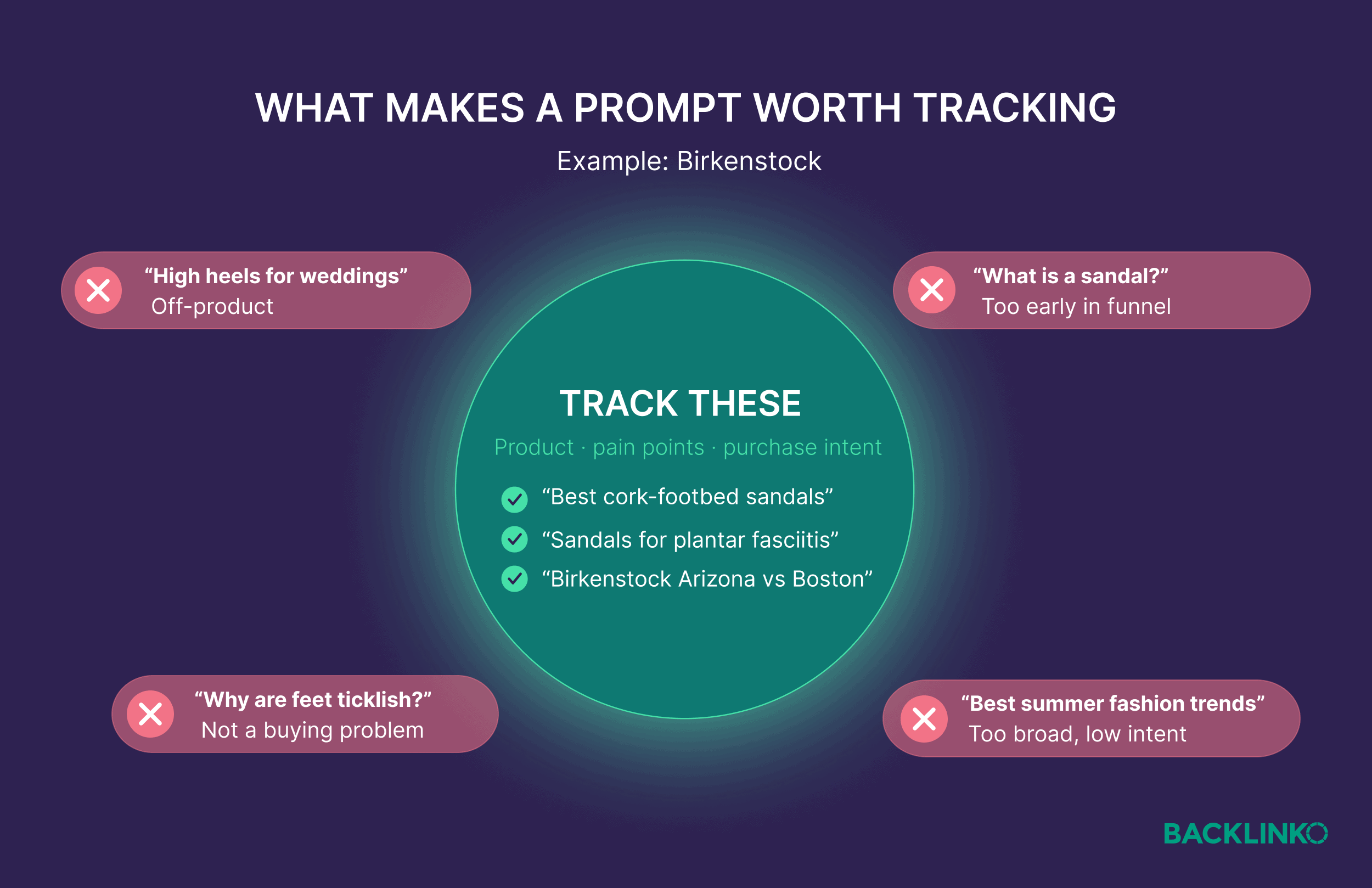
Building an Effective Prompt Set
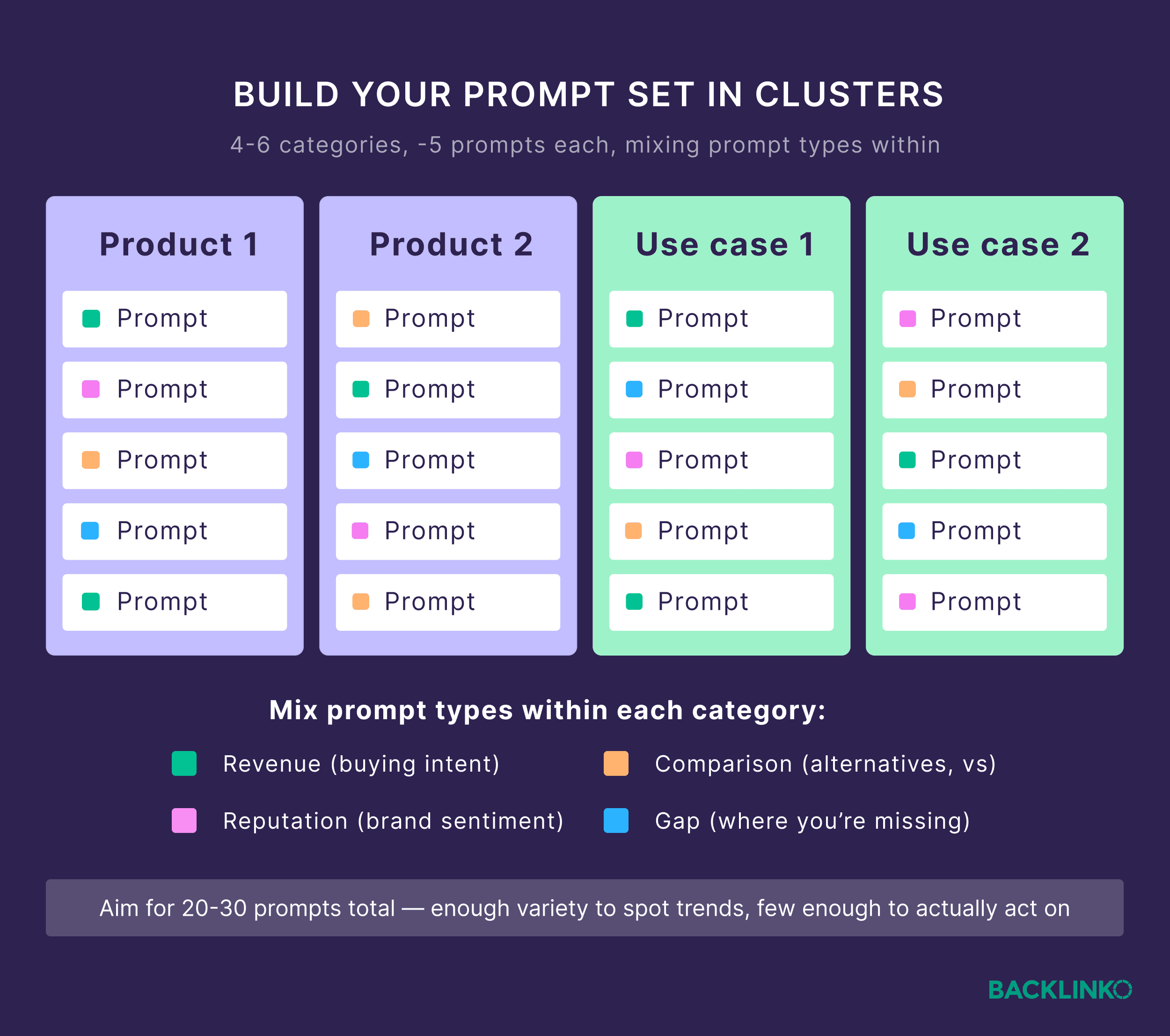
Digital marketing leaders advise against attempting to track every conceivable query a consumer might input. Instead, organizations must curate a targeted prompt set that maps directly to their product offerings, specific audience pain points, and high-intent buyer journeys.
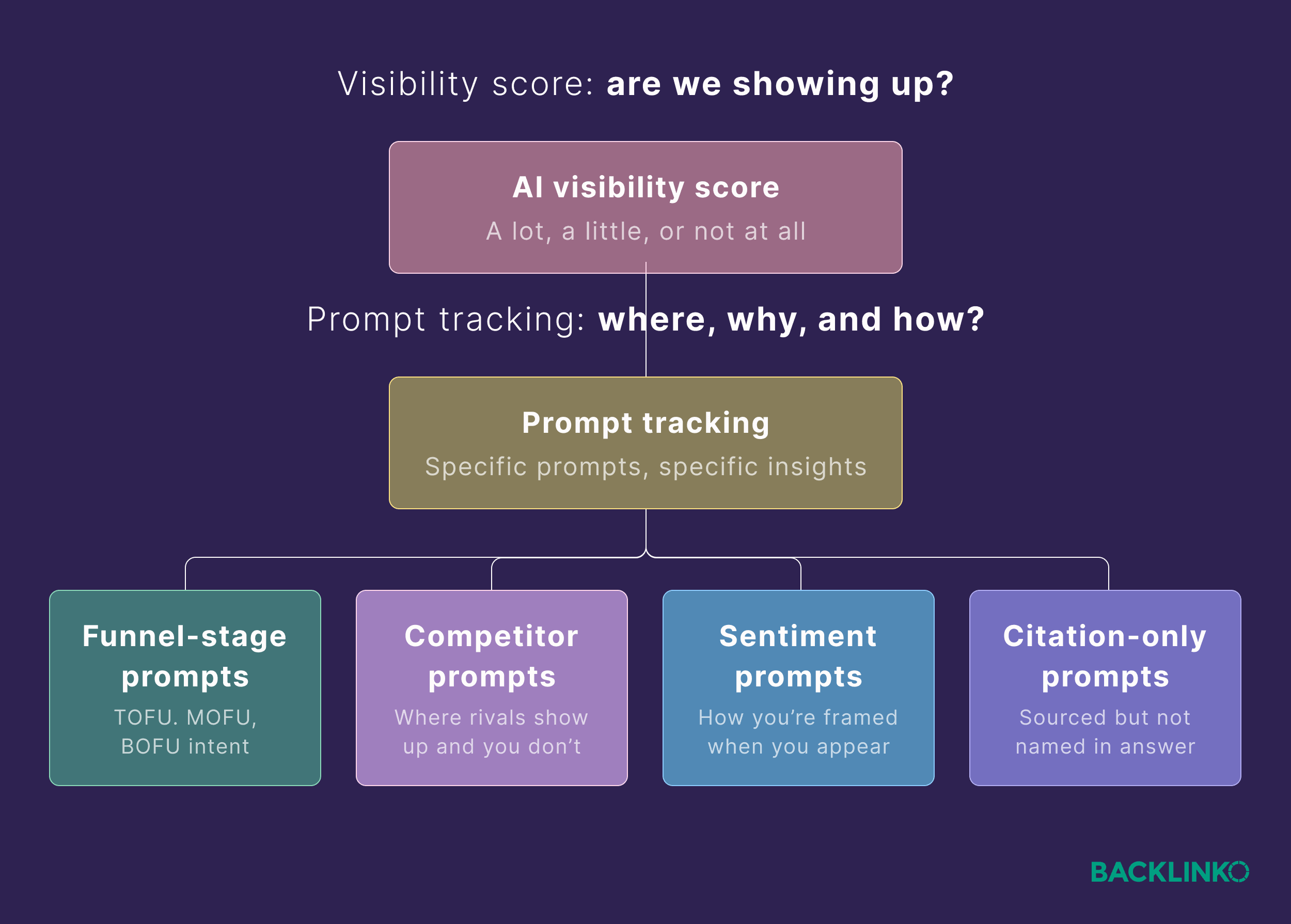
Effective prompt sets typically focus on four distinct categories:
- Evaluation Prompts: Queries where users ask for the best tools or solutions for a specific task (e.g., "Best project management software for marketing teams").
- Comparison Prompts: Direct comparative queries between a brand and its primary competitors (e.g., "How does Brand A compare to Brand B?").
- Reputation and Sentiment Prompts: Queries evaluating user satisfaction, pricing fairness, or software reliability (e.g., "Is Brand A worth the price for enterprise teams?").
- Gap Prompts: Queries targeting adjacent use cases where competitors currently dominate the conversational output.
By organizing these prompts into structured clusters—often categorized by product lines, user personas, or funnel stages—brands can isolate areas of strength and diagnose specific visibility gaps.
Methodologies and Tools for Monitoring LLM Visibility
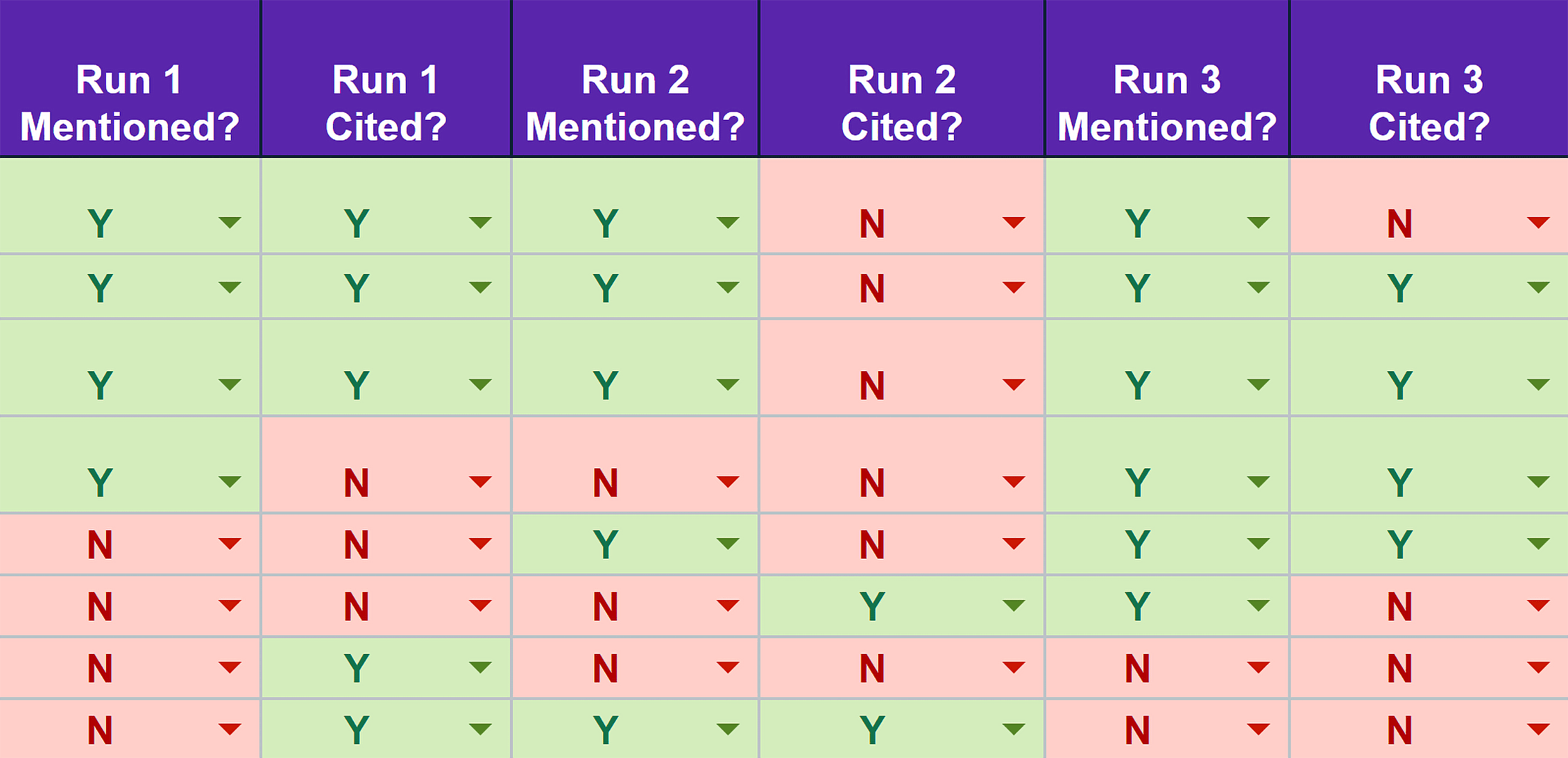
Executing a prompt tracking strategy requires a disciplined, repeatable methodology. Because generative AI outputs are non-deterministic, digital strategists generally employ a multi-step tracking framework:
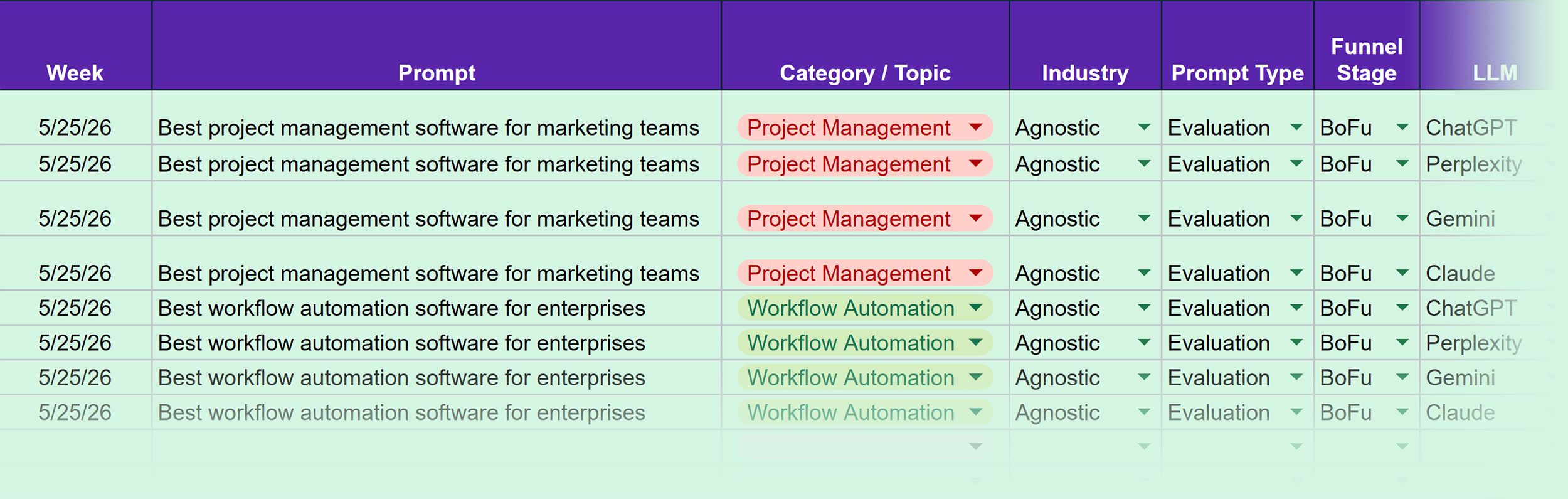
- Inventory Selection: Establishing an initial set of 20 to 30 high-intent prompts mapped to commercial and transactional search intent.
- Cross-Platform Execution: Running these prompts across all major consumer-facing LLMs—including ChatGPT, Gemini, and Perplexity—to account for differing training data, retrieval-augmented generation (RAG) sources, and platform demographics.
- Frequency and Trend Analysis: Monitoring mention rates and citation sources weekly, while avoiding premature strategic pivots based on single-week anomalies. Industry best practices recommend observing trends over a sustained four-week period before implementing content or public relations interventions.
- Automation and Scaling: While manual spreadsheet tracking serves as a viable entry point for small teams, enterprise organizations increasingly rely on specialized automated platforms, such as Semrush’s AI Visibility tools, to track thousands of prompts, analyze competitor performance, and map cited sources at scale.
Strategic Implications and Actionable Responses
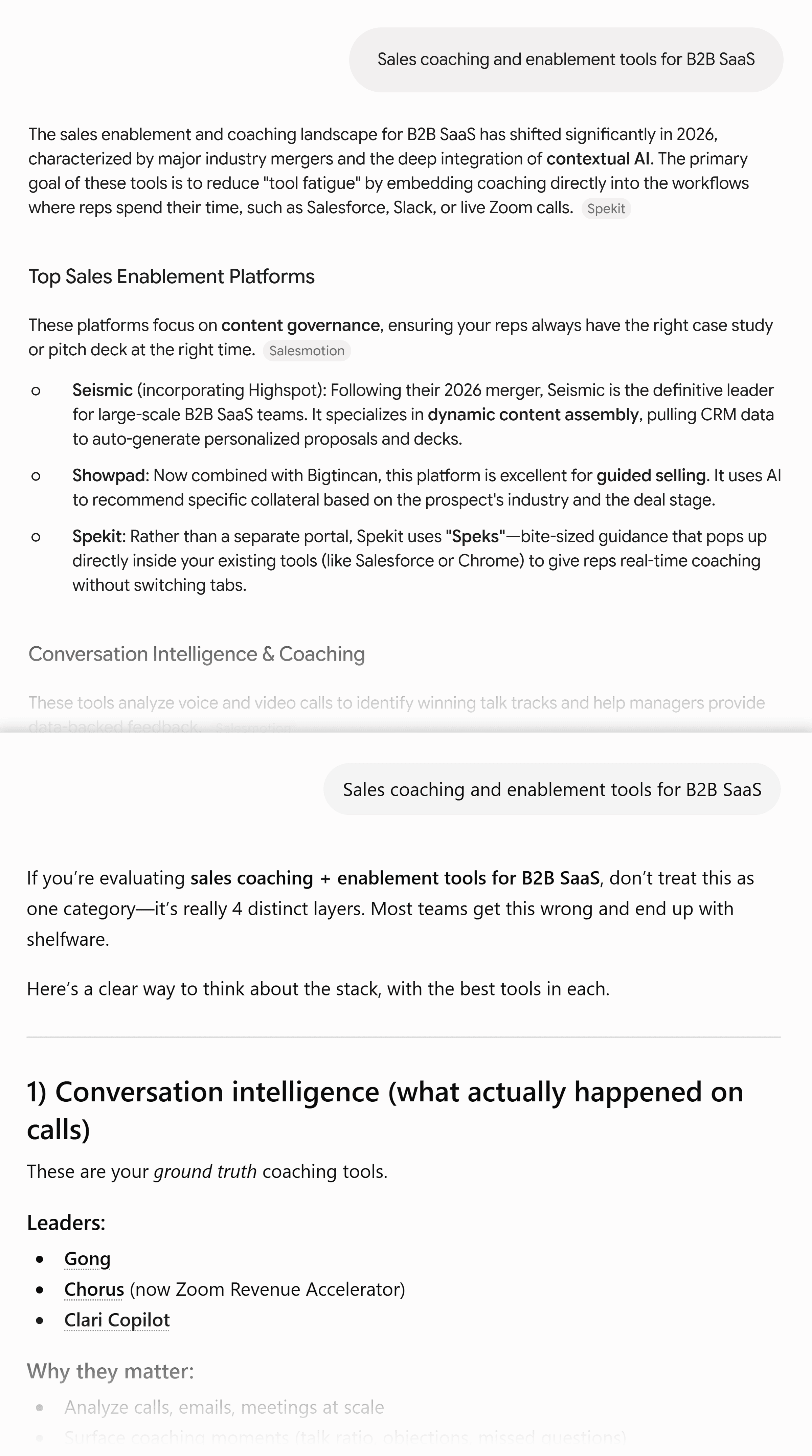
When prompt tracking reveals a sustained decline in AI visibility or a high frequency of "ghost ranking"—a phenomenon where a brand’s content is cited in the AI’s source panel, but a competitor is explicitly recommended in the text—digital teams must act decisively.
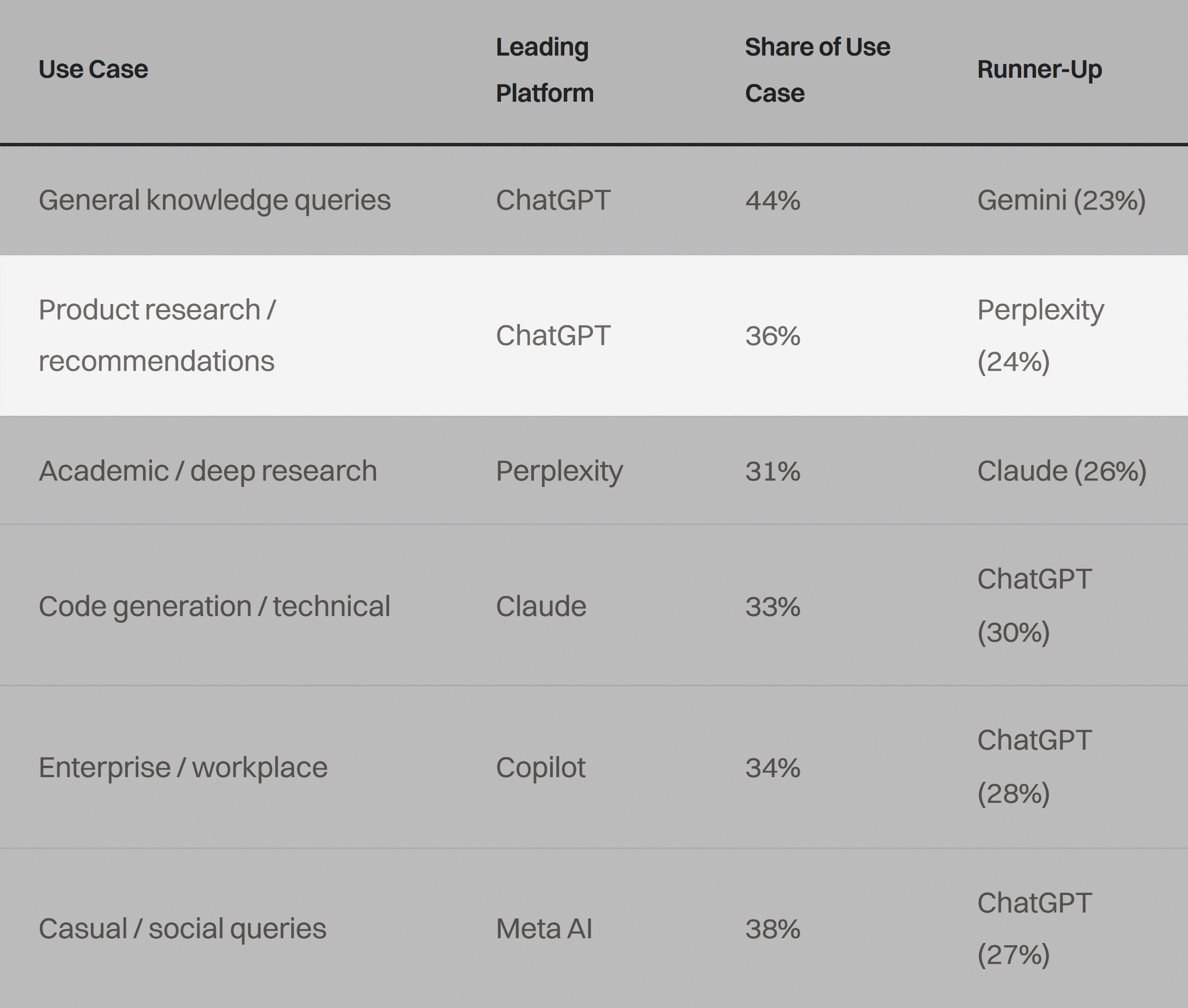
Analysis of successful enterprise strategies points to the critical importance of third-party authority. Research indicates that a significant majority of brand mentions in LLM outputs originate from trusted third-party domains, such as review aggregation sites, industry publications, and community forums like Reddit and LinkedIn. Consequently, optimizing for AI visibility often extends far beyond on-site SEO; it requires targeted public relations, active reputation management on review platforms, and strategic contributions to the digital ecosystems that LLMs heavily index for trust.
As artificial intelligence continues to reshape the architecture of global information discovery, prompt tracking is transitioning from an experimental tactic to an essential enterprise function. Organizations that fail to monitor and manage their conversational AI footprint risk navigating the digital economy blindfolded, ceding market share to competitors who understand how to make themselves heard in the age of automated answers.