Global Coronavirus Pandemic Relief Efforts Infographic
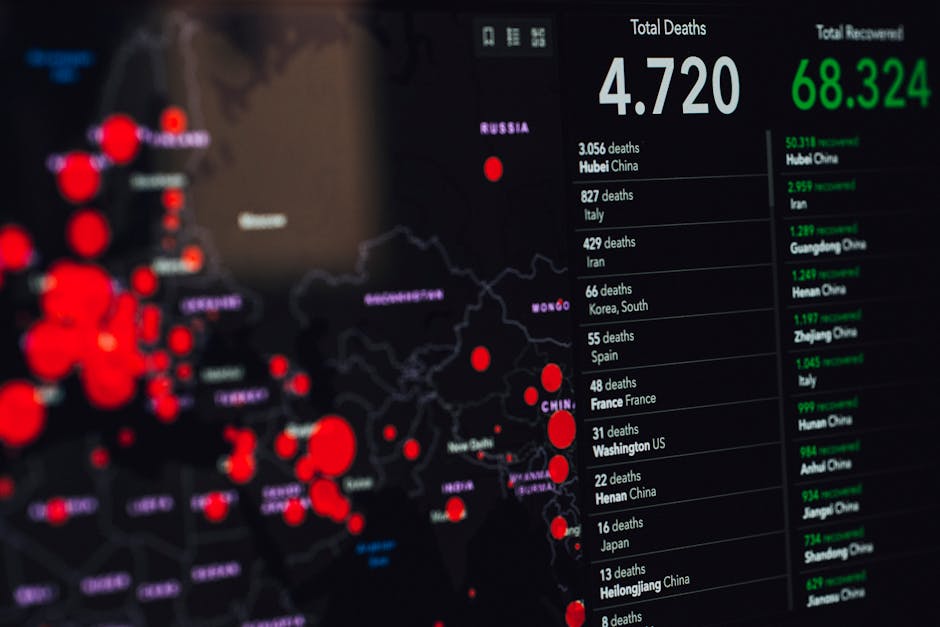
Global Coronavirus Pandemic Relief Efforts: An Infographic Analysis
The COVID-19 pandemic, a global health crisis of unprecedented scale, necessitated an equally unprecedented global response. This infographic analysis delves into the multifaceted relief efforts undertaken by governments, international organizations, NGOs, and private entities to mitigate the devastating impacts of the virus. Understanding these coordinated actions, their scope, and their effectiveness is crucial for post-pandemic recovery and preparedness for future health emergencies. The data presented within such infographics often showcases the immense financial commitments, the logistical challenges overcome, and the diverse categories of support provided, painting a comprehensive picture of humanity’s collective struggle against a common enemy. From immediate healthcare interventions to long-term economic stabilization, these relief measures represent a critical chapter in modern history.
The primary pillars of global pandemic relief efforts, as typically visualized in infographics, revolve around several key areas: public health and healthcare system strengthening, economic support and stimulus, humanitarian aid and social protection, and vaccine development and distribution. Public health initiatives encompassed immediate responses like testing, contact tracing, and the provision of personal protective equipment (PPE) to frontline workers. Infographics often highlight the rapid scaling up of testing capacity globally, with figures indicating millions of tests conducted daily at the peak of the pandemic. They also detail the surge in demand for ventilators, ICU beds, and other critical medical supplies, alongside efforts to bolster healthcare workforces through training and recruitment. The infographic would likely present data on the financial investment in these areas, often in the trillions of dollars, underscoring the immense resources mobilized.
Economic relief constituted another colossal component of the global response. Governments worldwide implemented massive fiscal stimulus packages to cushion the economic blow of lockdowns and widespread business closures. These measures included direct payments to citizens, enhanced unemployment benefits, loans and grants to small and medium-sized enterprises (SMEs), and support for larger industries. Infographics would quantify these expenditures, illustrating the sheer scale of financial intervention aimed at preventing economic collapse. The infographic might also track the implementation of measures to ensure supply chain continuity for essential goods, including food and medical supplies, acknowledging the disruptions caused by travel restrictions and factory shutdowns. The ripple effect of these economic measures on inflation, national debt, and global trade would also be a significant area of focus for any comprehensive infographic.
Humanitarian aid and social protection programs played a vital role in supporting vulnerable populations disproportionately affected by the pandemic. This included food distribution to those who lost their livelihoods, cash transfers to families struggling to meet basic needs, and support for refugees and displaced persons who often faced compounded vulnerabilities. Infographics would likely display the number of individuals reached by these programs and the types of assistance provided. The focus on mental health support, a critical but often overlooked aspect of relief, would also be a key element, with data on the expansion of telehealth services and counseling initiatives. The infographic might also touch upon the challenges faced in delivering aid to conflict zones or areas with pre-existing humanitarian crises, where the pandemic exacerbated existing problems.
The unprecedented race for vaccine development and equitable distribution stands as a monumental achievement of global collaboration. Infographics would meticulously detail the timeline of vaccine research, clinical trials, and regulatory approvals, often highlighting the speed at which multiple effective vaccines were brought to market. The subsequent efforts to procure and administer these vaccines on a global scale are a central theme. Data on the number of doses manufactured, distributed, and administered would be prominently featured, along with the varying vaccination rates across different countries and regions. The infographic would also address the challenges of vaccine equity, illustrating the disparities in access between high-income and low-income nations, and the initiatives undertaken to bridge this gap, such as COVAX.
The infographic would likely categorize relief efforts by the actors involved. International organizations like the World Health Organization (WHO), the United Nations (UN) and its agencies (e.g., UNICEF, World Food Programme), and multilateral development banks (e.g., World Bank, IMF) played crucial coordination and funding roles. The WHO’s leadership in providing guidance, coordinating research, and advocating for equitable access to health tools would be a key focus. The UN’s broader efforts in humanitarian aid, economic recovery, and peacebuilding would also be showcased. Infographics might depict the financial contributions of these organizations and the reach of their programs.
National governments, of course, were the primary implementers of relief measures within their own borders. The infographic would showcase the diverse approaches taken by different countries, reflecting varying economic capacities, healthcare infrastructures, and political systems. This could include comparisons of stimulus package sizes, lockdown stringency, and vaccination strategies. The role of central banks in managing monetary policy and providing liquidity to financial markets during the crisis would also be a significant aspect.
Non-governmental organizations (NGOs) and civil society organizations were instrumental in delivering on-the-ground support, particularly in reaching marginalized communities. Their efforts in food distribution, healthcare provision, and community engagement would be highlighted, demonstrating their agility and reach. The infographic might quantify the number of beneficiaries reached by specific NGO campaigns and the types of services they provided.
The private sector also contributed significantly, both through direct financial donations and in-kind contributions, and by adapting their operations to support relief efforts. Pharmaceutical companies were at the forefront of vaccine development, while many businesses redirected resources to produce PPE, provide essential services, or offer financial support to employees and communities. The infographic might illustrate corporate social responsibility initiatives and the role of technological innovation in the pandemic response.
Geographically, relief efforts were global but often uneven. Infographics would likely display regional breakdowns of financial aid, vaccine distribution, and healthcare investments, revealing disparities and highlighting areas of greatest need. The specific challenges faced by developing nations, with limited resources and pre-existing vulnerabilities, would be a recurring theme. The infographic might also touch upon the impact of the pandemic on global supply chains and trade, and the efforts to restore and strengthen them.
The long-term implications of these relief efforts are profound and would be a critical element of the infographic’s narrative. Infographics might project the economic recovery trajectories of different nations, the evolving landscape of global health governance, and the lessons learned for future pandemic preparedness. The sustainability of debt incurred during the crisis, the potential for renewed investments in public health infrastructure, and the need for international cooperation in addressing future threats are all key considerations.
Data visualization techniques are paramount in conveying the complexity of these global relief efforts. Infographics employ a range of visual elements, including bar charts, pie charts, line graphs, maps, and icons, to present data in an easily digestible format. For instance, a bar chart might compare the total relief spending by different countries, while a line graph could track the cumulative number of vaccine doses administered over time. Maps are essential for illustrating geographical distribution of aid or disease burden. Icons can represent different types of aid, such as food, medicine, or financial assistance. The effective use of color palettes and typography enhances readability and engagement.
The metrics and indicators used in such infographics are diverse and constantly evolving. They include financial figures (e.g., total spending, aid per capita), health indicators (e.g., testing rates, mortality rates, vaccination coverage), economic data (e.g., GDP growth, unemployment rates, inflation), and social metrics (e.g., number of people reached by humanitarian aid, food security levels). The infographic would aim to present a holistic picture, demonstrating the interconnectedness of these different aspects.
Challenges in presenting accurate and comprehensive data are inherent in such complex global endeavors. Infographics rely on data collected and reported by various national and international bodies, which can sometimes be inconsistent or incomplete. The infographic would ideally acknowledge these limitations and strive for the most up-to-date and verifiable information available. The rapidly changing nature of the pandemic also means that infographic data can quickly become historical, emphasizing the need for continuous updates and dynamic visualizations.
In conclusion, a comprehensive infographic on global coronavirus pandemic relief efforts provides an invaluable tool for understanding the scale, scope, and impact of humanity’s response to this unprecedented crisis. By visually representing complex data across public health, economic stimulus, humanitarian aid, and vaccine development, these infographics offer crucial insights into the coordinated efforts of international organizations, governments, NGOs, and the private sector. They highlight both the remarkable achievements in mitigating the pandemic’s devastating effects and the persistent challenges of equitable distribution and long-term recovery. Such visualizations serve as a critical resource for policymakers, researchers, and the public, fostering a deeper understanding of global solidarity and resilience in the face of existential threats. The data, meticulously compiled and artfully presented, forms a crucial historical record, offering lessons learned for navigating future global health emergencies and reinforcing the imperative for sustained international cooperation and investment in public health infrastructure. The infographic is not merely a collection of facts; it is a narrative of a world united in adversity, demonstrating the power of collective action and innovation in the face of a shared threat.
