The Paradox of Senior Wealth and Heat Safety Why Frugality and Inertia Pose Lethal Risks to the Elderly

The intersection of aging, personal finance, and climate change has revealed a startling irony in modern demographics: the wealthiest segment of the population is frequently the most vulnerable to preventable environmental hazards. Despite possessing the highest net worth of any age group, many seniors live in conditions of significant physical discomfort or danger, often due to a combination of lifelong frugality and a psychological phenomenon known as "activation energy inertia." This trend has come into sharp focus as global temperatures rise, turning lack of home maintenance from a minor inconvenience into a matters of life and death.
The Growing Crisis of Heat-Related Mortality Among Seniors
As global heatwaves increase in frequency and intensity, the elderly have emerged as the primary victims of rising temperatures. Data from the World Health Organization (WHO) indicates that heat stress is now the leading cause of climate-related death in the European region, claiming more than 175,000 lives annually. In Europe alone, more than 60,000 people die from heat-related causes every summer.
The biological vulnerability of the elderly is well-documented. As the human body ages, its ability to thermoregulate—the process of maintaining an internal core temperature through sweating and blood flow—diminishes significantly. Pre-existing conditions, such as cardiovascular and respiratory diseases, are severely aggravated by extreme heat. However, the tragedy lies in the fact that approximately 85% to 90% of these deaths occur among individuals over the age of 65, a demographic that statistically holds the most significant financial resources to mitigate such risks through air conditioning and home modifications.
The Psychological Barrier: Activation Energy and Inertia
Financial experts and gerontologists suggest that the failure of wealthy seniors to invest in safety and comfort is rarely a matter of liquidity. Instead, it is a matter of "activation energy"—the mental and physical effort required to initiate a change or repair. For a retiree in their 80s, the process of modernizing a home or repairing a vehicle involves a complex series of steps: researching contractors, vetting quotes, supervising labor, and managing the potential for financial exploitation.

When faced with these logistical hurdles, many seniors default to "status quo bias." This psychological state leads individuals to prefer their current circumstances, even if they are objectively deteriorating. Over time, seniors adapt to discomfort, normalizing broken appliances, leaking pipes, or non-functional air conditioning. This adaptation creates a dangerous "mind-body incongruency," where the individual believes they are more resilient than their aging physiology actually allows.
Case Study: The High Cost of Minimal Maintenance
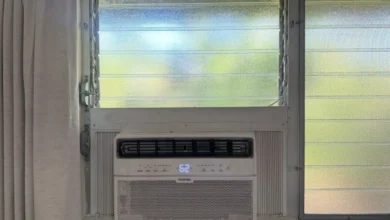
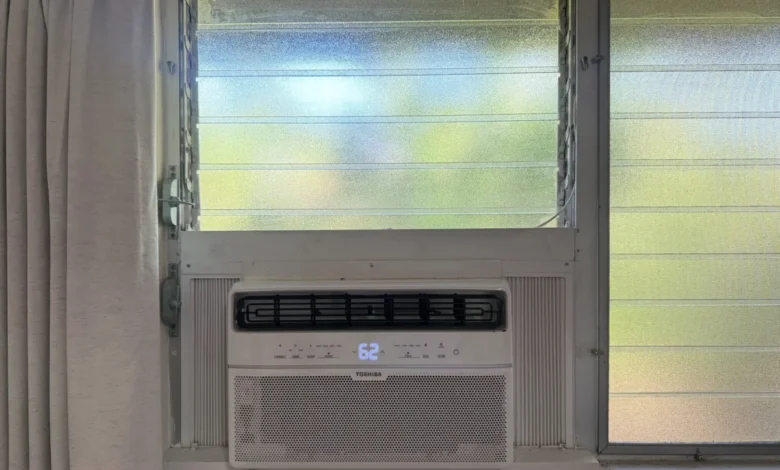
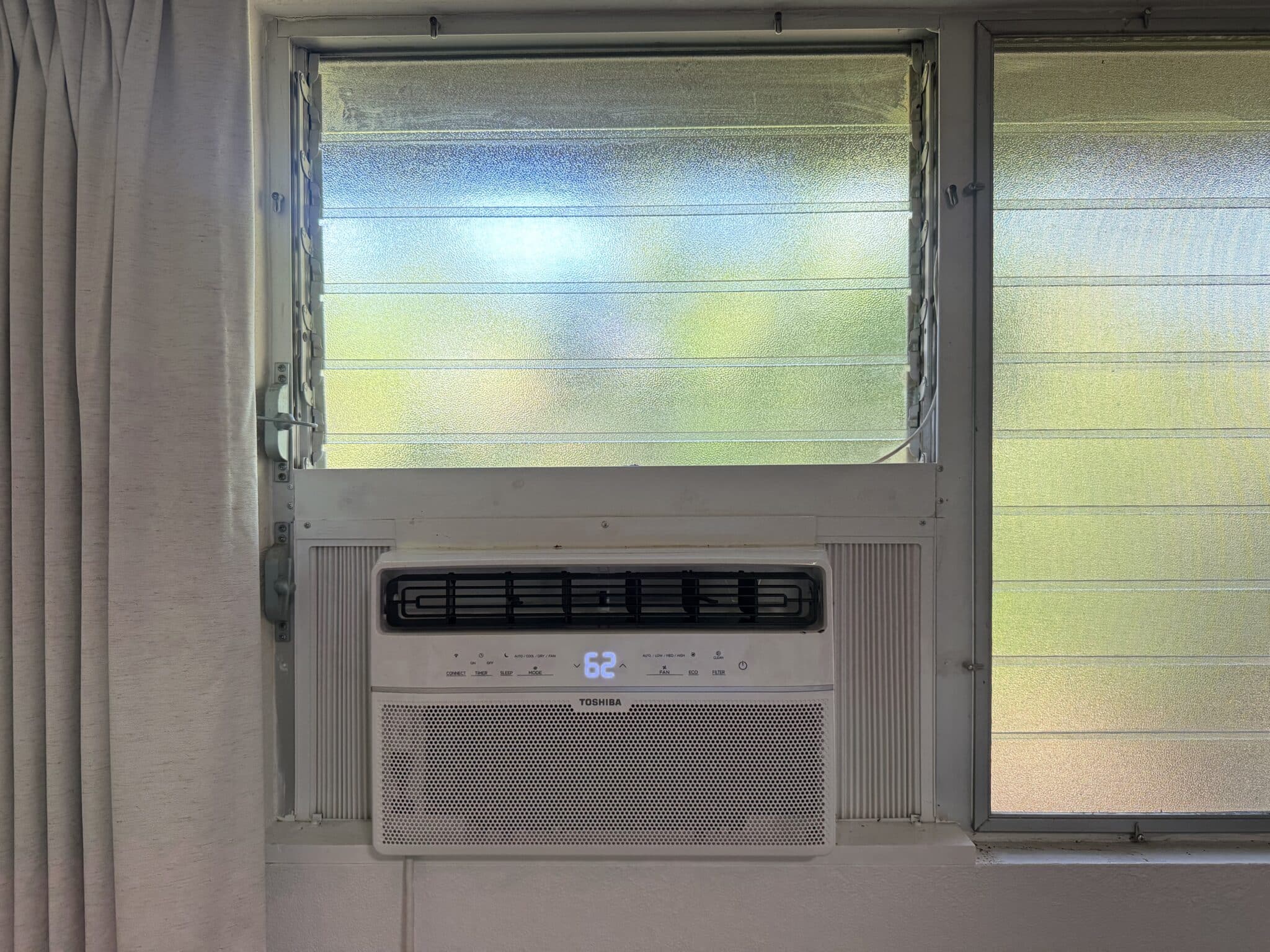
Recent observations in high-heat environments like Honolulu, Hawaii, illustrate the disparity between available wealth and living conditions. In many instances, a nominal investment of $400—covering the cost of a modern window air conditioning unit and professional installation—can be the difference between a safe living environment and a high risk of heatstroke.
The narrative of the "hot box car" serves as a poignant example. Many seniors continue to operate vehicles that are decades old, lacking modern safety features and functional climate control. In one instance, a 28-year-old Toyota Avalon with a non-functional AC system created a cabin environment exceeding 100 degrees Fahrenheit. While the owner possessed the government pensions and savings to replace the vehicle or repair the system, the "inertia of familiarity" prevented action until external intervention occurred. The eventual fix—a $80 refrigerant recharge—eliminated a catastrophic health risk in less than 24 hours, highlighting that the obstacle was never financial.
The Dangers of Extreme Frugality and Social Isolation
The risks of senior neglect are not limited to environmental factors. A high-profile, cautionary scenario involving the late-life circumstances of public figures underscores the danger of "wealthy neglect." Reports have surfaced of high-net-worth individuals living in squalor or hazardous conditions because they lacked the cognitive drive or social support to manage their estates.
In extreme cases, such as the tragic discovery of individuals living in pest-infested or diseased environments despite having tens of millions of dollars in assets, the failure is twofold: a loss of personal agency and a breakdown in family oversight. Diseases like hantavirus, spread by rodent droppings, and the complications of advanced Alzheimer’s can turn a luxury estate into a death trap if the "activation energy" to hire cleaners, pest control, and caretakers is absent.
A Chronology of Domestic Decay
The transition from a well-maintained home to a hazardous environment often follows a predictable timeline:
- The Adaptation Phase: Minor issues, such as a flickering light or a slow-draining sink, are ignored. The resident "gets used to" the inconvenience.
- The Workaround Phase: Serious failures occur, such as a leaking pipe. Instead of a repair, the senior implements a manual workaround, such as placing a bucket under the leak.
- The Cognitive Gap: The senior no longer notices the deterioration. Blurry televisions, stained carpets, and rusted appliances become the "new normal."
- The Critical Failure: A life-threatening event occurs—such as a heatwave or a structural collapse—and the individual lacks the infrastructure to survive it.
The Vital Role of Adult Children and Caretakers
As the "Sandwich Generation" assumes responsibility for aging parents, the focus must shift from giving advice to providing "activation energy." Geriatric advocates suggest that adult children should not ask for permission to make safety repairs but should instead take a proactive "doer" approach.
Professional recommendations for adult children include:
- Extended Observation: Short visits often fail to reveal the true state of a senior’s living conditions. Stays of a week or more are necessary to identify broken systems and safety hazards.
- Logistical Absorption: Rather than providing a to-do list, adult children should handle the research, scheduling, and supervision of repairs.
- Incremental Modernization: Introducing conveniences like grocery delivery, ride-sharing apps, and smart home thermostats can gradually lower the physical demands on the senior.
- Check-in Rhythms: Establishing a daily or weekly contact schedule serves as "insurance" against undiscovered accidents or health crises.
Broader Socioeconomic Implications
The refusal of the wealthy elderly to spend on their own well-being has broader economic consequences. It contributes to the "frozen capital" problem, where significant wealth remains in savings accounts rather than circulating through the service economy for home improvement, healthcare, and comfort.
Furthermore, this trend challenges the traditional understanding of "lifestyle inflation." While younger generations are often criticized for spending excessively on luxuries, the elderly demographic demonstrates the risks of "lifestyle deflation," where a refusal to upgrade essential systems leads to a decline in life expectancy.

Conclusion: Money as a Tool for Survival
The primary takeaway for financial planners and families is that money is a tool whose value is zero if it cannot buy safety. The "Depression-era" mindset of extreme saving served many seniors well during their accumulation years, but it becomes a liability in the "decumulation" phase of life.
Protecting a family in the modern era requires more than just a robust portfolio; it requires the willingness to pay small, routine costs to eliminate catastrophic risks. Whether it is $80 for car freon, $400 for a bedroom AC, or the monthly premium for life insurance, these expenditures represent the "activation energy" required to maintain life in an increasingly volatile world. As the population continues to age, the ability of families to bridge the gap between senior wealth and senior safety will become a defining challenge of the 21st century.