The modern construction landscape is characterized by its inherent vastness, complexity, and formidable challenges. From navigating stringent regulatory frameworks and ensuring paramount safety standards to managing intricate equipment logistics and coordinating diverse teams across multiple sites, maintaining project control and adhering to deadlines demands sophisticated solutions. In this environment, a robust and dynamic construction planning software is not merely an advantage but an operational imperative for successful project delivery.
The Evolving Landscape of Construction Project Management

Historically, construction project planning relied heavily on manual processes, paper-based schedules, and siloed communication. While functional for smaller, less complex endeavors, this approach became increasingly inefficient and prone to errors as projects scaled in size, scope, and technological integration. The past two decades have witnessed a profound digital transformation within the construction sector, driven by the need for greater efficiency, transparency, and real-time insights. This shift has propelled the development and adoption of specialized software designed to streamline every facet of project lifecycle management.
Defining Construction Planning Software
At its core, construction planning software refers to digital platforms that empower project teams to meticulously create, manage, and monitor construction schedules. These solutions integrate a suite of powerful tools such as interactive Gantt charts, comprehensive project calendars, detailed task lists, and intuitive dashboards. The right platform centralizes critical functions, enabling users to efficiently assign tasks, track progress against baselines, manage resource allocation—including both personnel and equipment—and promptly identify and address potential delays, all within a unified, accessible environment. This holistic approach ensures that all stakeholders possess a shared, up-to-date understanding of project status, fostering proactive decision-making and mitigating risks.

Key Features Driving Success in Construction Planning
To be considered effective in the dynamic construction industry, planning software must offer a comprehensive set of functionalities. Our evaluation for the leading tools in 2026 focused on several concrete criteria, analyzing the quality of their planning, scheduling, tracking, and collaboration capabilities. The following features represent the industry standards that were instrumental in comparing and ranking each solution:
- Advanced Scheduling & Gantt Charts: The ability to create detailed, visual project timelines with drag-and-drop functionality, enabling users to set start/end dates, durations, and manage complex task dependencies. Critical path method (CPM) analysis is vital for identifying crucial activities that impact overall project duration.
- Resource Management: Tools for allocating and tracking labor, equipment, and materials across tasks, including resource leveling to prevent over-allocation and optimize utilization.
- Real-time Tracking & Reporting: Dashboards and reports that provide live updates on project progress, budget variances, and performance against established baselines, eliminating the need for manual reporting.
- Collaboration & Communication: Features that facilitate seamless communication among project teams, subcontractors, and stakeholders, including document sharing, comment sections, and notification systems.
- Cost Control & Budgeting: Integration with financial tools to track actual costs against estimated budgets, manage invoices, and process payments.
- Mobile Accessibility: Robust mobile applications for field teams to update tasks, access plans, conduct inspections, and communicate from any job site.
- Risk Management: Tools for identifying, assessing, and mitigating potential project risks that could impact schedules and budgets.
- Integration Capabilities: The ability to integrate with other essential construction software, such as BIM (Building Information Modeling) platforms, accounting systems, and CRM tools, to create a connected ecosystem.
Market Overview: A Look at the Top Contenders for 2026

The market for construction planning software is diverse, catering to a wide range of needs from small residential builders to large-scale infrastructure developers. Below is an in-depth look at 15 leading solutions, highlighting their strengths, limitations, and ideal applications for the year 2026.
1. ProjectManager: The Apex of Real-time Project Tracking
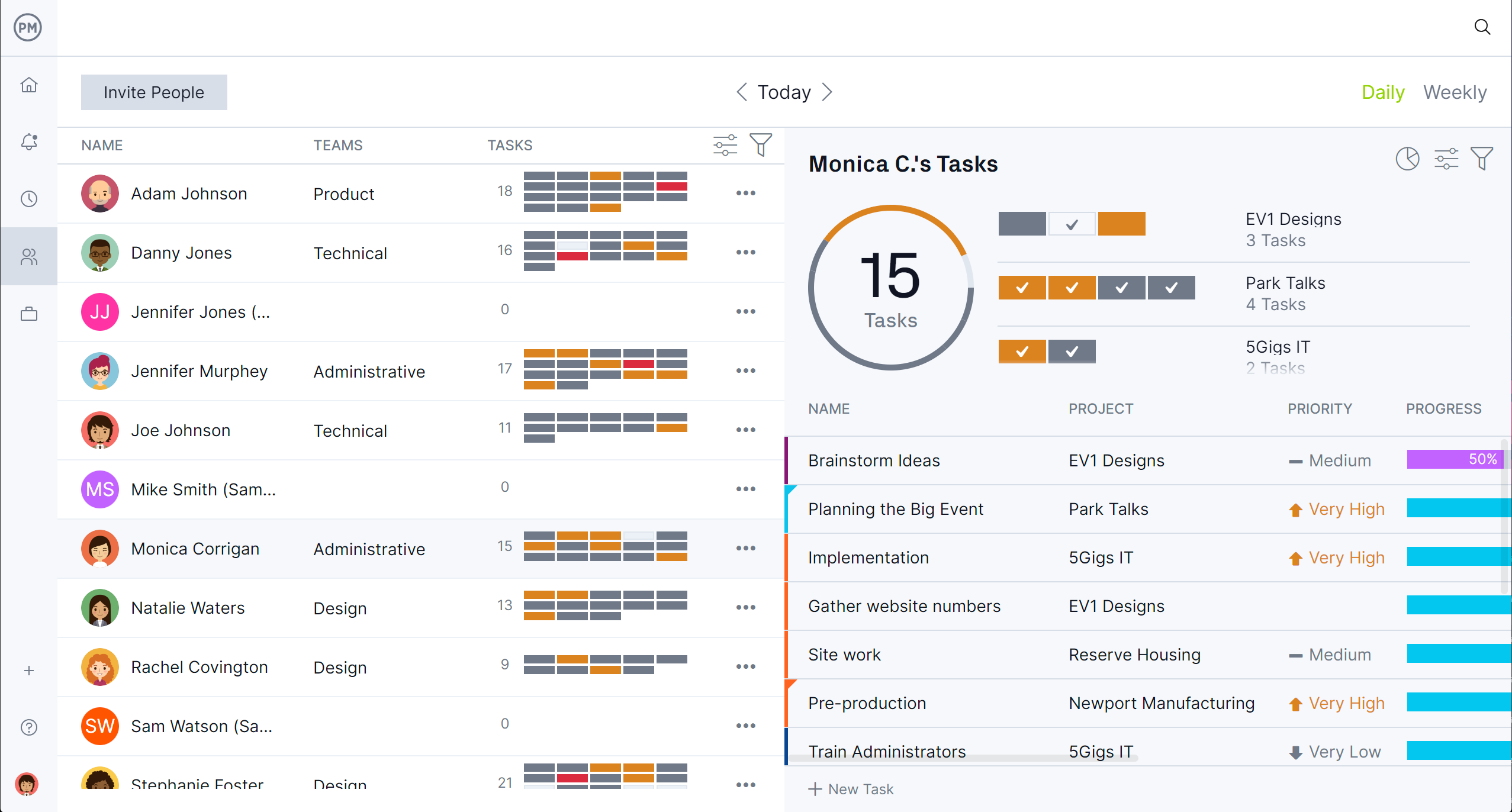
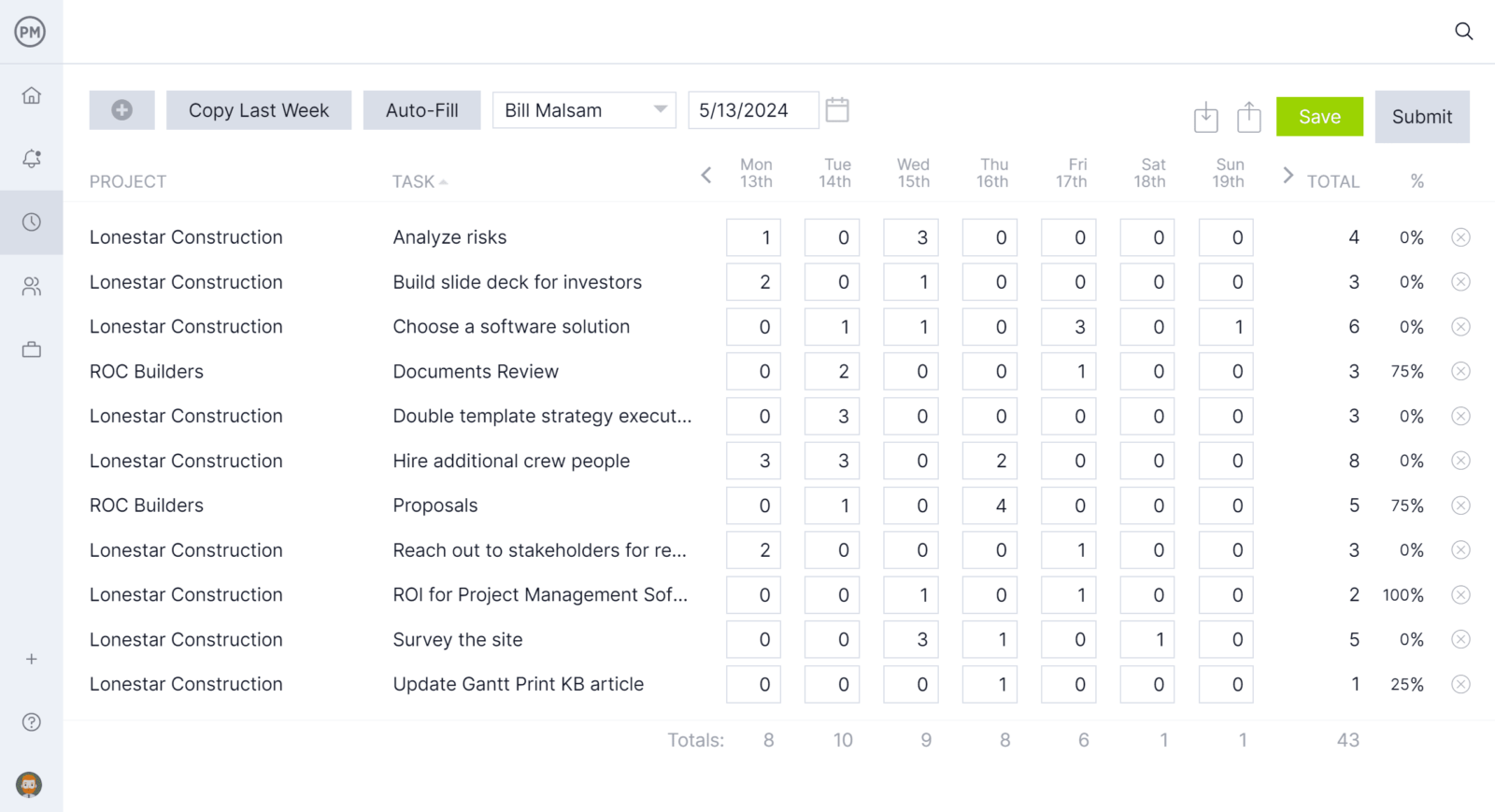
ProjectManager stands out as an award-winning online project management software meticulously engineered for teams that demand real-time planning, scheduling, and tracking. Construction teams globally leverage its comprehensive features to manage every aspect, from team assignments and task dependencies to resource allocation and cost monitoring, all within a singular, universally accessible platform. The platform’s commitment to user experience is underscored by a generous 30-day free trial, allowing prospective users to experience its capabilities firsthand.
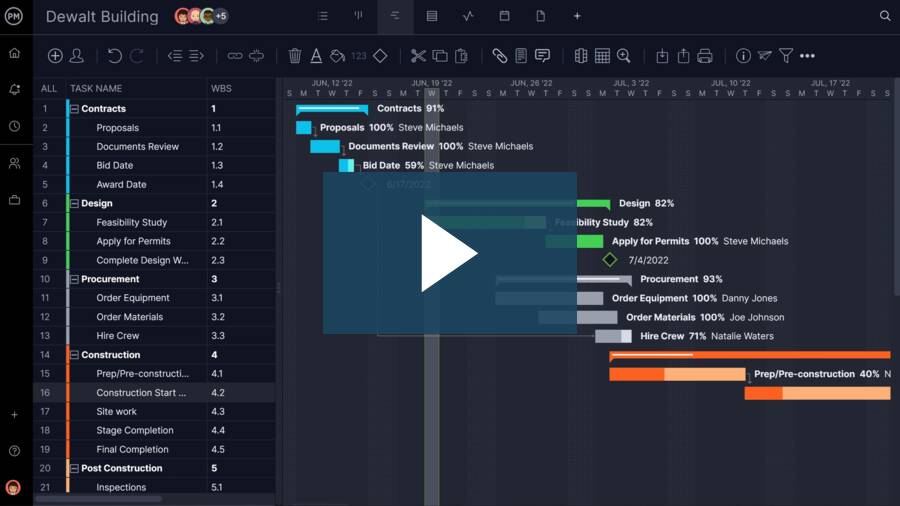
At the core of ProjectManager’s construction planning prowess is its intuitive online Gantt chart. Tasks are visually mapped onto a timeline, featuring adjustable start dates, end dates, and durations via a simple drag-and-drop interface. Users can establish critical dependencies to avert bottlenecks, designate milestones to mark key project phases, and activate automatic critical path detection, ensuring a constant awareness of activities driving the schedule. Beyond scheduling, ProjectManager excels in resource management, offering tools to visualize team availability, assign labor and equipment efficiently, and balance workloads to preempt over-allocation. Post-planning, the software facilitates real-time progress tracking through timesheets updated directly from the field, integrating seamlessly with project cost tracking. Live dashboards provide managers with an immediate overview of schedule performance, cost variances, and progress against baselines, eliminating the need for laborious manual reporting.
- Strengths: Robust online Gantt charts with critical path analysis, comprehensive resource management, real-time dashboards, integrated timesheets for cost tracking, multi-project views, and strong collaboration features.
- Limitations: While highly versatile, its general project management framework may require some initial configuration for highly specialized construction workflows compared to purely construction-specific platforms.
- Verdict: Best construction planning software for real-time project tracking and comprehensive management across diverse construction projects.
2. Procore: The Comprehensive Platform for Large Enterprises
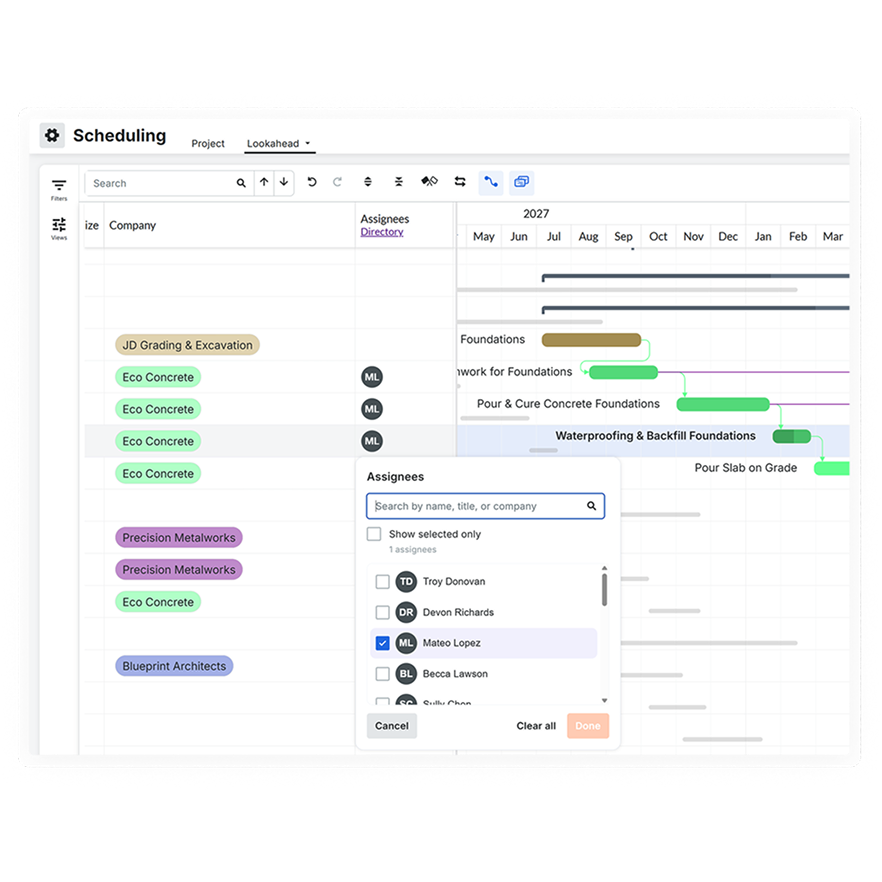
Procore is a dominant force in the construction management software sector, widely adopted by large general contractors to oversee the entire project lifecycle, from bidding to handover. It offers a centralized cloud-based platform for project controls, documentation, field workflows, budgeting, RFIs, submittals, and scheduling.
As a planning tool, Procore provides basic to intermediate scheduling functionalities through Gantt charts, calendar views, and real-time task updates. While its scheduling capabilities suffice for most general contractors, it may not match the depth of dedicated CPM tools. Advanced resource leveling, variance analysis, and in-depth critical path insights often necessitate imports from specialized software like Microsoft Project or Primavera P6. Nevertheless, for large organizations seeking an all-encompassing platform to manage every facet of a construction project, Procore remains one of the most complete options available.
- Strengths: Comprehensive suite of construction management tools, robust document control, strong field integration, extensive customization, and enterprise-grade scalability.
- Limitations: Steep learning curve, high cost (pricing based on annual construction volume), and basic native CPM capabilities.
- Verdict: Best construction planning software for large teams and general contractors requiring an integrated, end-to-end platform.
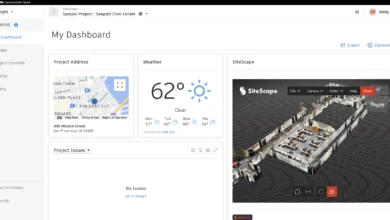
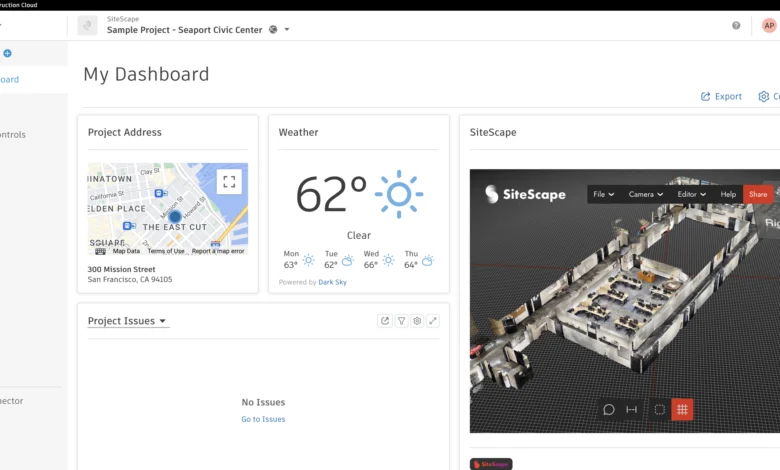
3. Autodesk Construction Cloud (ACC): Bridging Design and Field Execution
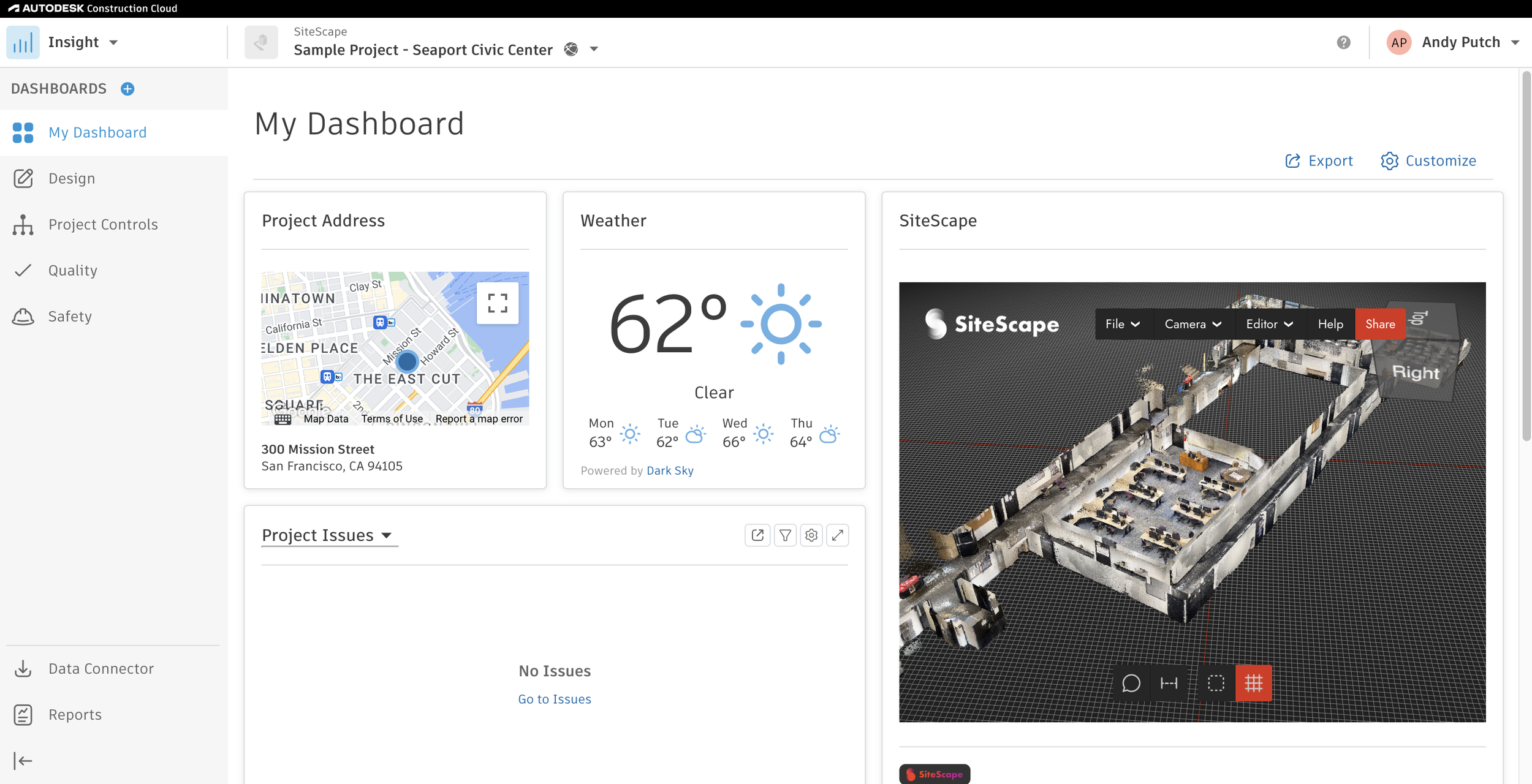
Autodesk Construction Cloud (ACC) is a powerful cloud platform that interconnects design, coordination, document management, field execution, and cost control throughout the entire construction lifecycle. It is widely embraced by general contractors, owners, and design-build teams who seek a unified environment for managing construction data from pre-construction to project completion.
ACC’s planning capabilities lean more towards coordination-oriented task management rather than a dedicated scheduling engine. It lacks native CPM logic, advanced Gantt functionalities, baseline management, and resource-driven scheduling. Teams requiring rigorous CPM planning often pair ACC with Primavera P6 or Microsoft Project. However, for large organizations already invested in the Autodesk ecosystem, ACC serves as an invaluable hub for linking design data with field operations.
- Strengths: Seamless integration with Autodesk design tools (BIM), centralized document management, strong field collaboration for coordination, robust issue tracking, and comprehensive data analytics.
- Limitations: High cost, complex navigation, steep learning curve, and limited native advanced CPM scheduling features.
- Verdict: Best construction planning software for design-build projects and large organizations deeply integrated into the Autodesk ecosystem.
4. Microsoft Project: Advanced Schedule Control for Professionals
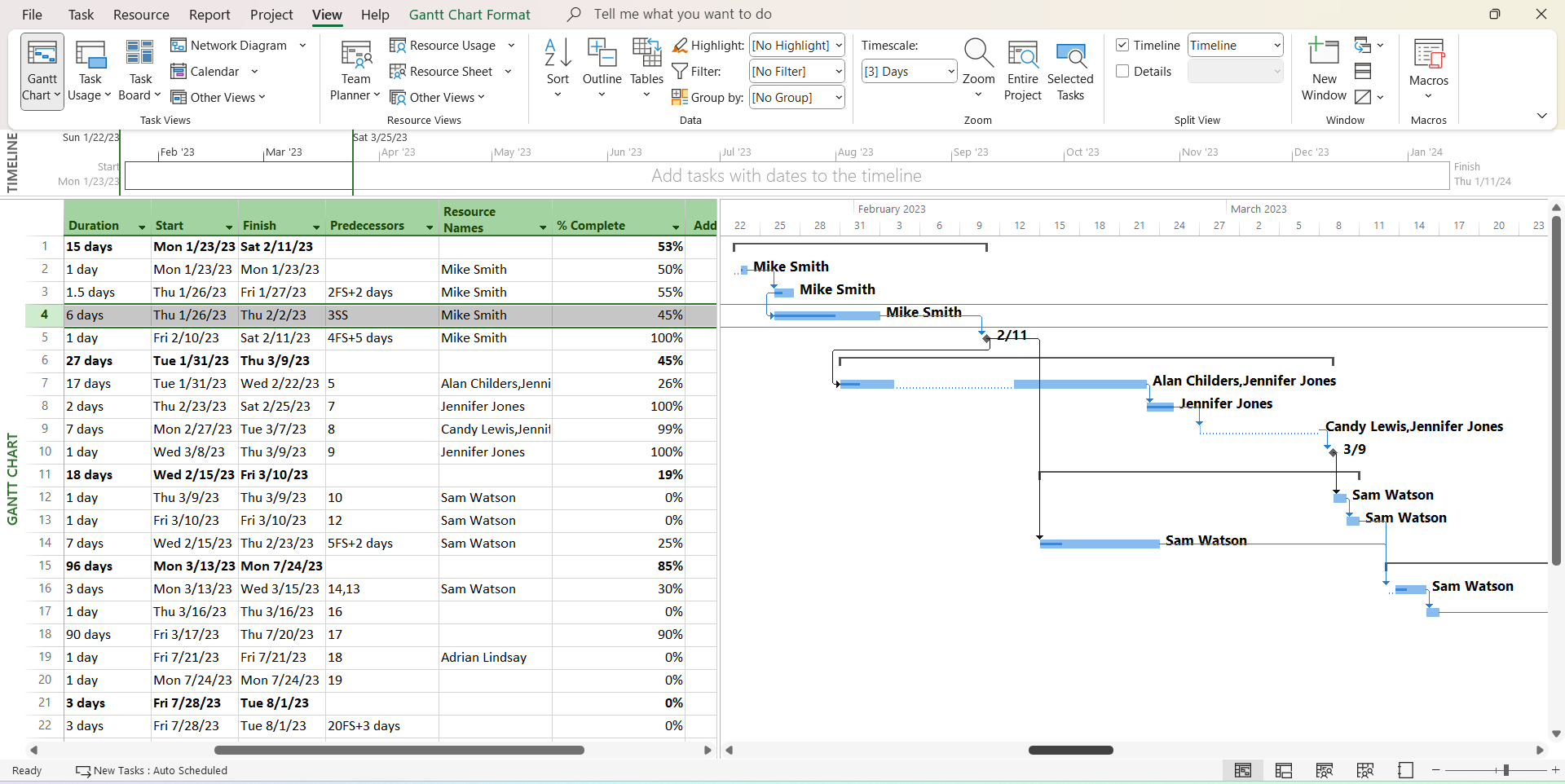
Microsoft Project has been a professional project management and scheduling tool for decades, serving as an industry benchmark for formal project planning across construction, engineering, and infrastructure sectors. It excels at creating detailed schedules, managing tasks, resources, and costs, and applying CPM-based planning methodologies.
For construction planning, Microsoft Project offers solid traditional CPM capabilities, supporting dependencies, baselines, progress tracking, and resource management. Its primary limitations stem from its generalist design, a somewhat dated interface, and a lack of construction-specific field integration. For teams needing rigorous CPM without the enterprise-level cost of specialized tools, it remains one of the most capable options.
- Strengths: Powerful CPM engine, extensive scheduling features, robust resource management, strong baseline control, and broad integration with other Microsoft products.
- Limitations: Steep learning curve, aging desktop interface, limited real-time field collaboration, and potentially high cost for advanced versions.
- Verdict: Best construction planning software for advanced schedule control and rigorous CPM analysis.
5. Primavera P6: The Standard for Complex Schedules
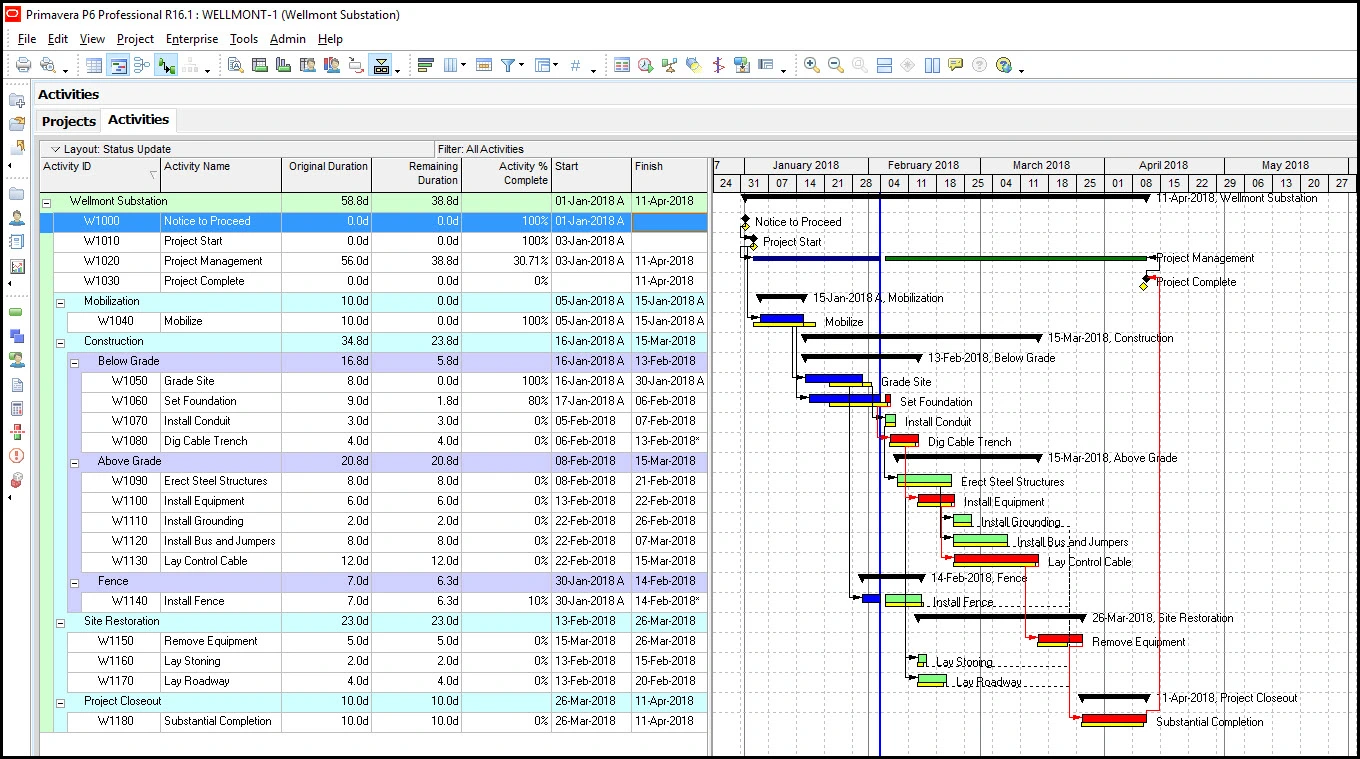
Primavera P6 is an enterprise-level portfolio, program, and project management tool widely adopted in construction, engineering, and infrastructure. Designed for CPM scheduling, complex schedule modeling, and controlling large-scale multi-project programs, it is often considered the definitive standard for professional construction planners.

Primavera P6 excels in CPM logic, managing dependencies, baselines, and portfolio planning. However, its strengths come with inherent trade-offs: significant complexity, a steep learning curve, limited usability, and a strong reliance on trained planners. For massive infrastructure, oil & gas, or capital projects where schedule precision is paramount, it is difficult to match. For most contractors, its capabilities are often excessive.
- Strengths: Unparalleled CPM scheduling depth, robust portfolio management, comprehensive risk analysis, strong baseline management, and industry-standard for large-scale projects.
- Limitations: Extremely complex, steep learning curve, dated user interface, high cost, and significant training requirements.
- Verdict: Best construction planning software for complex schedules and enterprise-level program management.
6. Buildertrend: Residential Construction Specialist
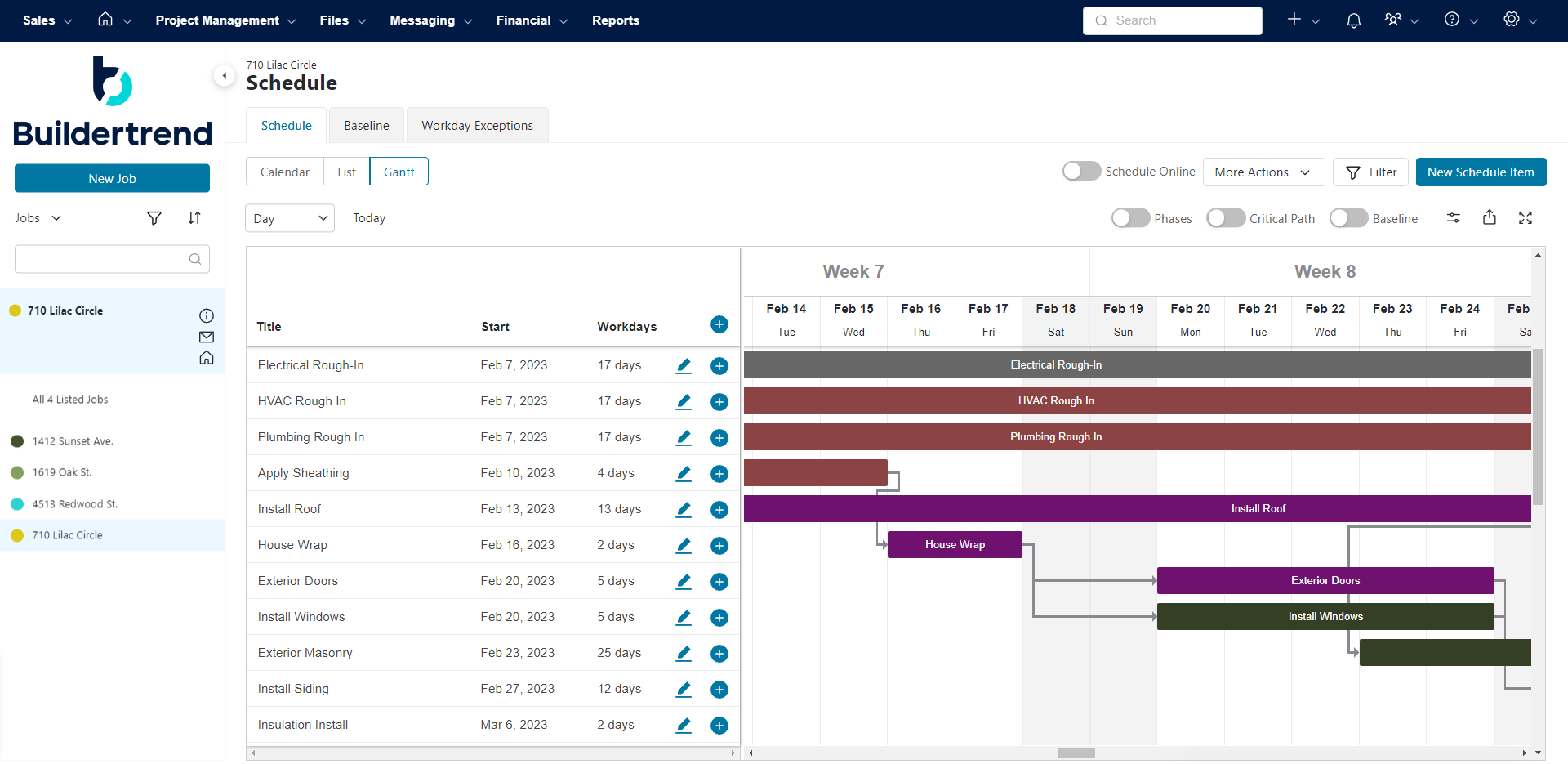
Buildertrend is a leading cloud-based construction management platform specifically tailored for residential builders, remodelers, and specialty contractors. Utilized by over 20,000 contractors and prevalent in more than half of new residential constructions in the U.S., it unifies scheduling, financials, client communication, daily logs, and project documentation into a single platform.
As a construction planning tool, Buildertrend offers basic to intermediate schedule management with task dependencies, critical path visualization, templates, and multi-view functionalities (Gantt/Calendar). It lacks advanced CPM capabilities such as comprehensive dependency types, in-depth variance analysis, multi-project resource visibility, and robust baseline tracking. However, for residential construction teams, it proficiently covers essential planning needs.
- Strengths: Strong client communication features, robust financial management, good for residential workflows, integrated scheduling, and daily logs.
- Limitations: Complex interface, significant manual data entry, high cost for smaller contractors, and limited advanced CPM features.
- Verdict: Best construction planning software for residential builders and remodelers.
7. Monday.com: Flexible Collaboration for Diverse Teams
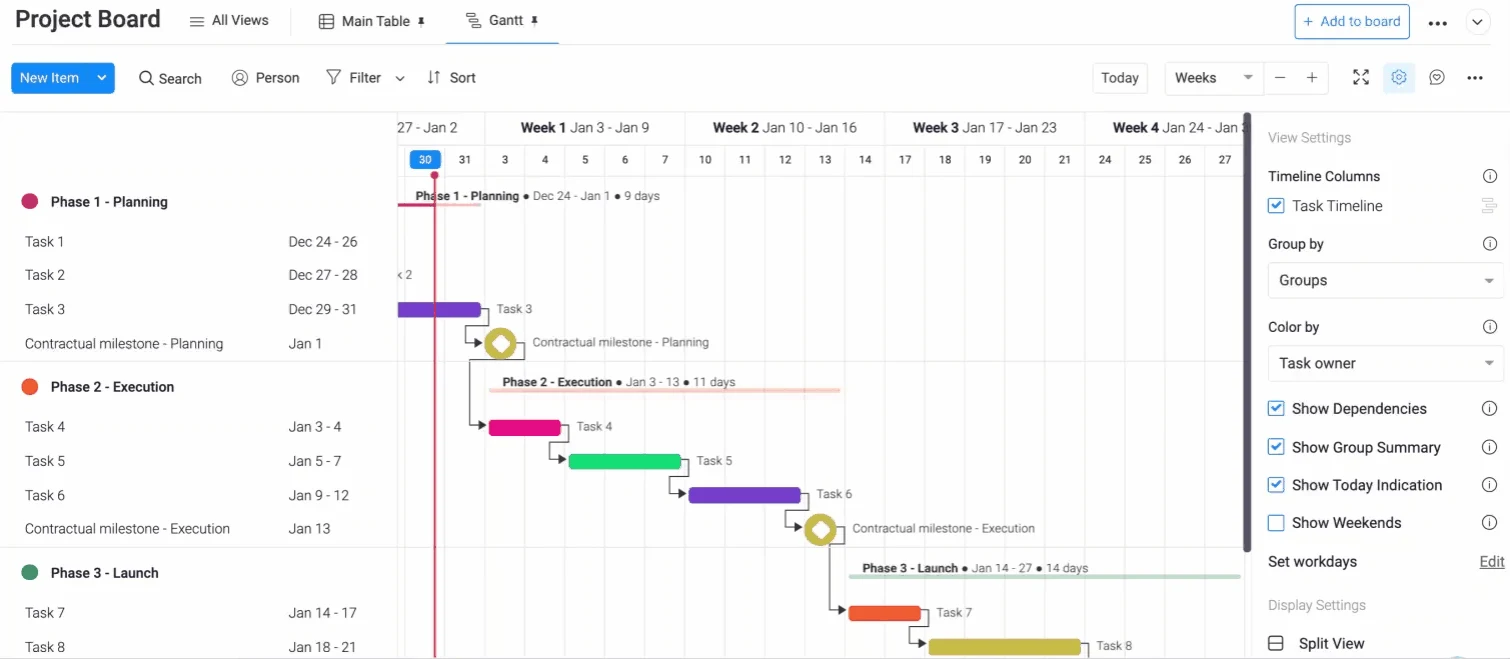
Monday.com has emerged as one of the world’s most popular work management platforms, employed by teams across various industries for project planning, task assignment, progress tracking, and workflow automation. With a dedicated construction use case, ready-to-use templates, and highly customizable project boards, it has become a favored option for construction teams seeking flexibility without the complexity of traditional planning tools.
For construction planning, Monday.com provides Gantt-like timelines with drag-and-drop scheduling, task dependencies, critical path visualization, and baseline comparisons. While not a dedicated CPM tool (lacking margin analysis, loaded cost planning, and advanced resource management), it offers a solid and intuitive planning experience for teams prioritizing ease of use and collaboration, backed by a large and well-supported platform.
- Strengths: Highly visual and intuitive interface, flexible and customizable boards, strong collaboration features, good integration ecosystem, and workflow automation.
- Limitations: Performance slowdowns on very large boards, core functionalities often locked behind higher-tier plans, and not a dedicated CPM engine.
- Verdict: Best construction planning software for flexible team collaboration and visual project management.
8. Smartsheet: Spreadsheet-Inspired Project Tracking
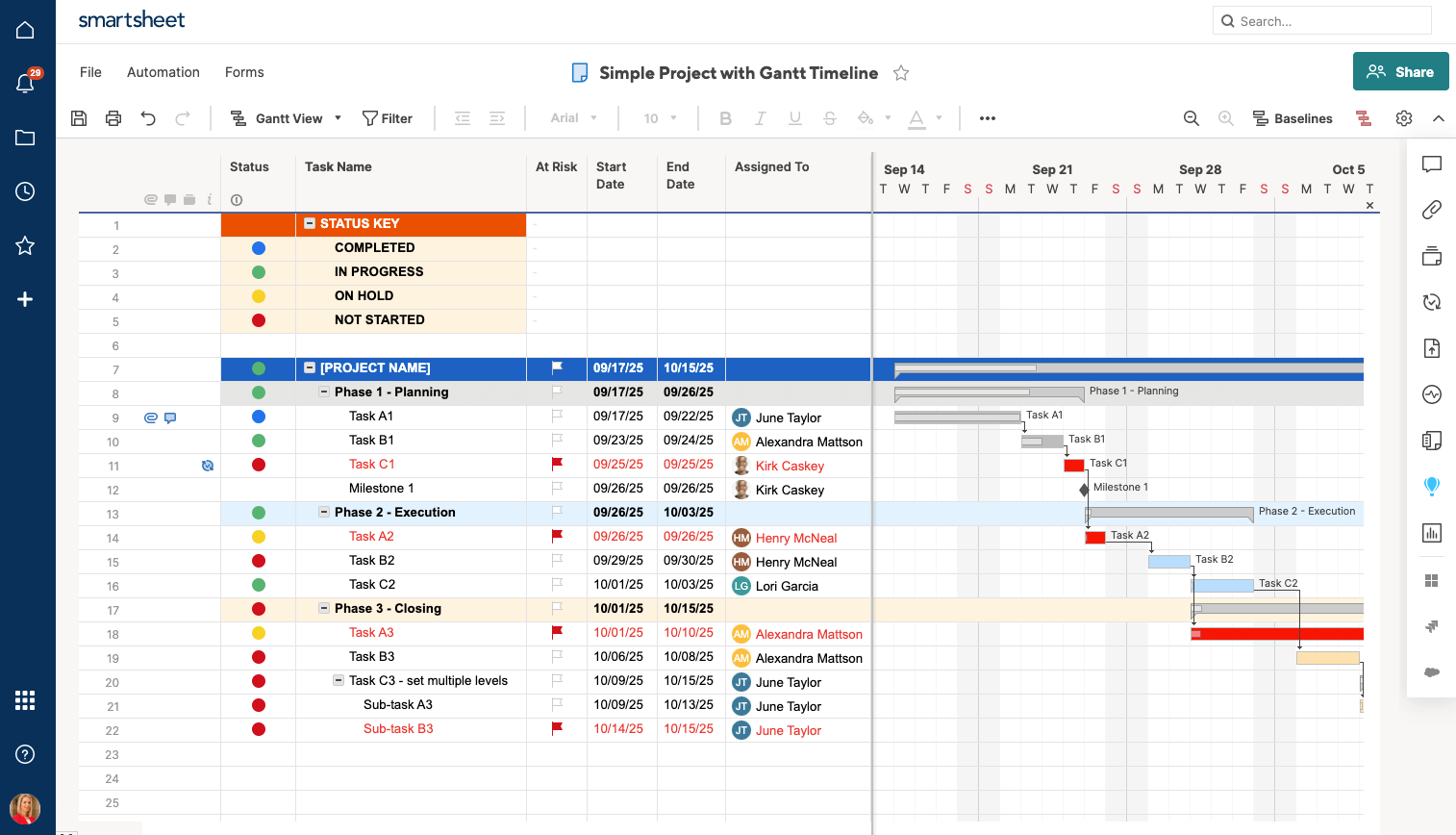
Smartsheet is a cloud-based work management platform used by over 85% of Fortune 500 companies. Inspired by spreadsheets but significantly more powerful, it helps construction, operations, and IT teams plan projects, track tasks, report progress, and automate workflows, including scheduling, budgeting, checklists, and bid management.
As a construction planning software, Smartsheet delivers intermediate spreadsheet-based planning with Gantt charts, dependencies, and baselines. It falls short of professional CPM tools (no margin visualization, advanced resource planning, or construction-specific cost integration). However, for teams transitioning from Excel or requiring flexible project tracking, it offers a solid entry point with robust automation and collaboration capabilities.
- Strengths: Familiar spreadsheet-like interface, powerful automation, strong collaboration, customizable templates, and good integration with common business tools.
- Limitations: Steep learning curve for advanced features, performance issues with very large sheets, complex licensing, and limited advanced CPM functionality.
- Verdict: Best construction planning software for spreadsheet-driven planning and flexible project tracking.
9. Fieldwire: Field-First Coordination
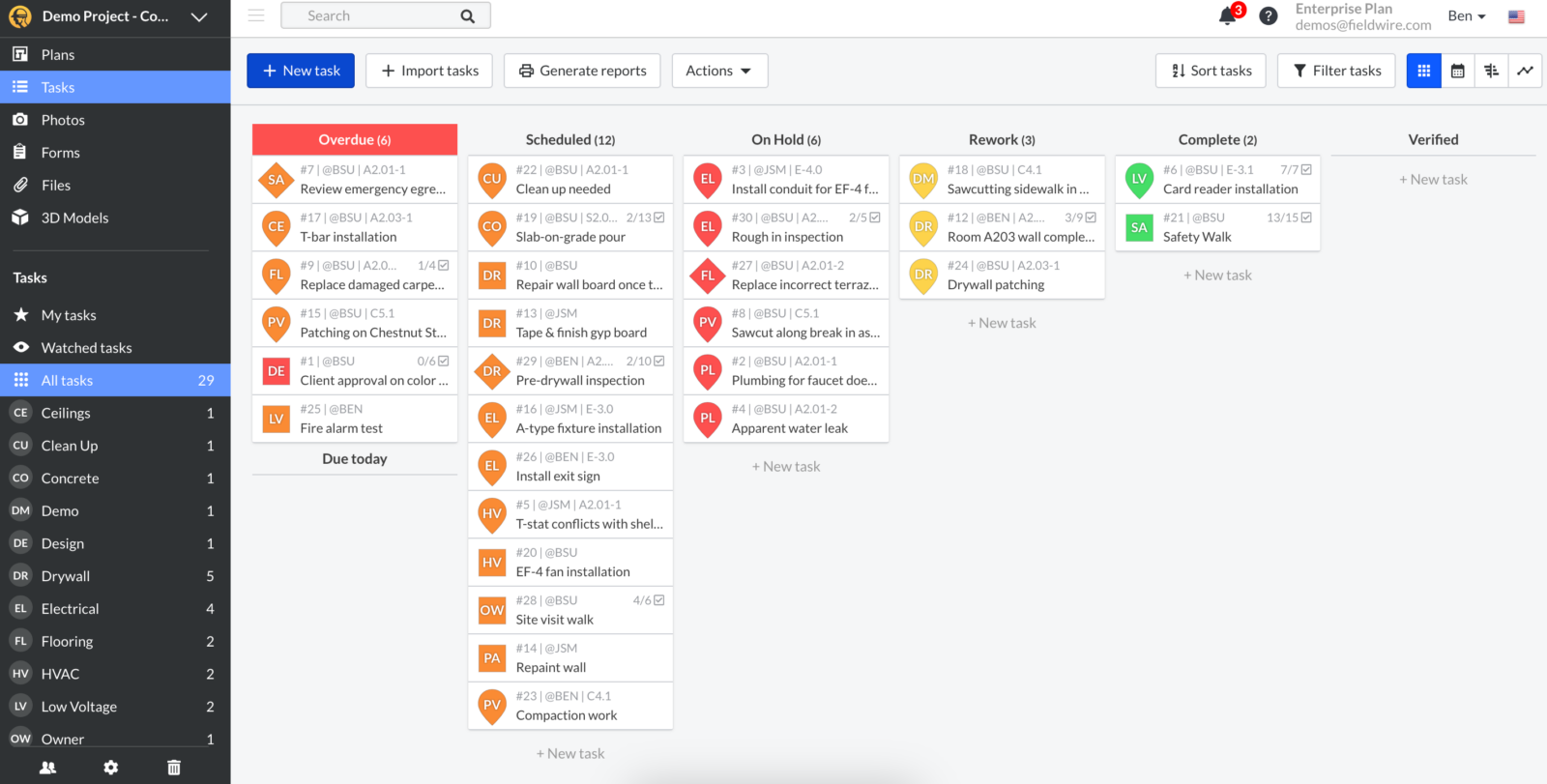
Fieldwire, now integrated with Hilti, is a construction field management platform primarily used for task coordination, plan viewing, inspections, and job site checklists. It is engineered to facilitate collaboration among field teams around plans, issues, and daily work execution, where it excels.

As a construction planning software, Fieldwire is not a true scheduling tool. It supports task assignment and due dates but lacks CPM logic, Gantt charts, baselines, dependency management, and schedule analysis. Its planning features are task-oriented and operational, excellent for field coordination but not for developing or managing a formal construction schedule. Most teams use it as a complement to a dedicated planning tool.
- Strengths: Excellent for plan viewing and markups, real-time field collaboration, intuitive mobile interface, robust issue tracking, and easy to adopt for field teams.
- Limitations: Not a true scheduling or CPM tool, limited reporting depth, and cost per user can add up for larger teams.
- Verdict: Best construction planning software for field coordination and daily site management.
10. Workyard: Precision Labor Tracking
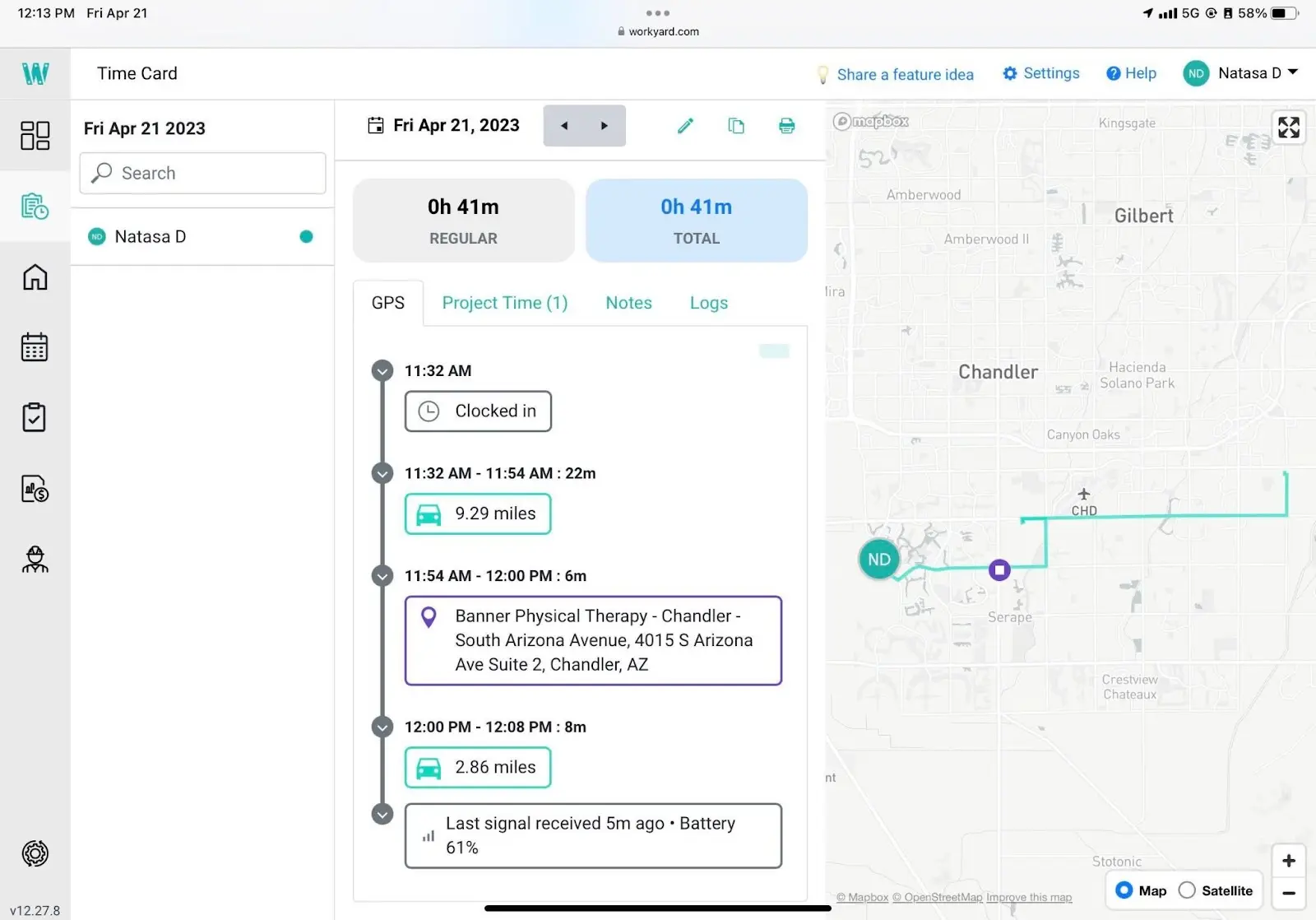
Workyard is a construction workforce management platform focused on team scheduling, GPS-based time tracking, and capturing labor cost data. Utilized by contractors to assign work, monitor team locations in real-time, and link time and cost data from the field to the office, it is designed for the day-to-day operational management of a workforce.
As a construction planning software, Workyard offers basic scheduling tools centered on team assignments and workforce dispatch. It lacks formal CPM logic, Gantt visualization, baselines, and portfolio planning. Its scheduling is limited to field team scheduling and calendar views, not formal project schedule development. For contractors requiring precise labor cost tracking and GPS accountability, it fulfills a crucial need but does not replace a comprehensive scheduling tool.
- Strengths: Accurate GPS time tracking, efficient workforce scheduling, real-time labor cost data, mobile-friendly for field crews, and simple to use for daily operations.
- Limitations: Limited project planning depth, not a CPM tool, primarily focused on workforce management rather than detailed project schedules, and some GPS issues reported.
- Verdict: Best construction planning software for labor tracking and workforce management.
11. InEight: Enterprise Project Control
InEight is an enterprise construction project control platform trusted by over 850 companies to manage more than $1 trillion in projects globally. Primarily designed for large contractors in infrastructure, transportation, energy, nuclear, and oil & gas, it focuses on investment planning, cost management, estimating, schedule integration, risk, and performance controls.
As a construction planning software, InEight is control-oriented rather than planning-focused. It integrates imported schedules for forecasting, risk analysis, and performance analysis but does not function as a standalone CPM engine. It lacks native advanced Gantt modeling, full CPM authoring, and schedule creation workflows. Teams using InEight for cost control will typically continue to use Primavera P6 or Microsoft Project for actual schedule development.
- Strengths: Robust cost control and forecasting, advanced risk analysis, strong integration with financial systems, designed for large, complex capital projects, and comprehensive performance management.
- Limitations: High cost, long implementation cycles, steep learning curve, not a native CPM planning tool, and primarily for enterprise-level users.
- Verdict: Best construction planning software for enterprise construction project control and cost management.
12. Jobber: Field Service Contractor’s Ally
Jobber is a field service management platform used by over 250,000 service businesses, including plumbers, electricians, landscapers, and small construction contractors. It centralizes client communication, quoting, invoicing, scheduling, and basic job planning, making it one of the most effective tools for trade and service businesses managing recurring jobs.
As a construction planning tool, Jobber is not designed for advanced project schedule management. Its scheduling module focuses on calendar views and appointment management rather than Gantt charts, critical path analysis, baselines, or resource-intensive planning. For simple assignments and team dispatch, it works well. For complex, multi-week construction project schedules, it is insufficient.
- Strengths: Excellent for client communication, efficient quoting and invoicing, user-friendly for field service teams, good for managing recurring jobs, and integrated scheduling for appointments.
- Limitations: Limited scalability for large projects, lacks advanced project planning features (Gantt, CPM), not suitable for complex construction schedules, and limited reporting depth.
- Verdict: Best construction planning software for field service contractors and small trade businesses.
13. Contractor Foreman: Affordable All-in-One for SMEs
Contractor Foreman is an affordable, all-in-one construction management platform for small to mid-sized contractors. Starting from $49/month for the entire company, it combines scheduling, estimating, cost accounting, time tracking, documents, and client communication, replacing multiple disconnected applications with a single platform.

As a construction planning software, Contractor Foreman offers basic to intermediate scheduling with Gantt charts, task dependencies, milestones, and progress tracking. It lacks the depth of advanced CPM tools (no margin visualization, robust baselines, or portfolio-level planning). However, for small contractors needing reliable daily planning without enterprise-level pricing, it significantly exceeds expectations.
- Strengths: Highly affordable, comprehensive feature set for small to mid-sized contractors, includes estimating and cost accounting, good mobile access, and positive user reviews for value.
- Limitations: Can have a cluttered interface, some users report performance slowdowns on larger projects, and a learning curve for new users.
- Verdict: Best construction planning software for small to mid-sized contractors seeking an affordable, all-in-one solution.
14. Microsoft Planner: Simple Task Management within Microsoft 365
Microsoft Planner is a lightweight task management tool included with Microsoft 365 subscriptions. It is primarily used for team task tracking, to-do lists, and simple work planning via boards, buckets, and due dates, rather than formal project schedules. Its tight integration with Teams and Outlook makes it a natural first tool for organizations deeply embedded in the Microsoft ecosystem.
As a construction planning software, Microsoft Planner falls well short of professional scheduling standards. It lacks CPM logic, Gantt charts, baselines, dependencies, and resource planning. For construction teams, it functions only as a task list and light collaboration aid, not a tool for building, analyzing, or managing construction schedules. However, for very small teams using Microsoft 365 who need basic task tracking, the zero additional cost is compelling.
- Strengths: Included with Microsoft 365, easy to use for simple task management, strong integration with Teams and Outlook, good for light team collaboration, and no additional cost for existing subscribers.
- Limitations: Limited customization, shallow reporting, not suitable for complex project planning, lacks Gantt charts and CPM, and quickly becomes restrictive as project complexity grows.
- Verdict: Best construction planning software for simple task management and light collaboration within the Microsoft 365 ecosystem.
15. Wrike: Versatile Project Management for Cross-Functional Teams
Wrike is a cloud-based work management and collaboration platform used across industries to plan projects, manage tasks, track progress, and automate workflows. With a solid feature set including Gantt charts, dependencies, baselines, and resource management, it is popular among marketing, operations, and professional services teams. It can be adapted for construction planning with the right configuration.
As a construction planning software, Wrike offers generalist planning rather than construction-grade CPM. While it includes Gantt charts, dependencies, and baselines, it lacks CPM rigor, margin visualization, advanced resource planning, and construction-specific cost integration. For versatile construction teams needing robust project tracking and reporting without a steep learning curve, Wrike is a solid option. However, dedicated planners may find its CPM capabilities too light.
- Strengths: Highly customizable workflows, strong collaboration and communication tools, good reporting and analytics, supports multiple project views (Gantt, Kanban), and robust integration capabilities.
- Limitations: Complex setup for advanced configurations, can lead to notification overload, pricing model scales quickly, and less specialized for construction-specific needs compared to dedicated tools.
- Verdict: Best construction planning software for versatile teams requiring robust project management and collaboration features.
Types of Construction Planning Software
Construction planning software comes in various forms, tailored to different project sizes, complexities, and user requirements. Choosing the right type depends on your specific workflows, team structure, reporting needs, and the level of detail required for your schedules.

- Dedicated CPM (Critical Path Method) Tools: These are highly specialized tools focused on intricate schedule modeling, dependency management, and critical path analysis (e.g., Primavera P6, Microsoft Project). Ideal for large, complex projects where schedule precision is paramount.
- Integrated Construction Management Platforms: These comprehensive solutions offer a broad suite of functionalities beyond just scheduling, including cost control, document management, field operations, and client communication (e.g., Procore, Buildertrend, Contractor Foreman). Suited for general contractors and firms seeking an all-in-one solution.
- General Project Management Software with Construction Adaptations: Versatile tools that can be configured to manage construction projects, often excelling in collaboration and ease of use (e.g., ProjectManager, Monday.com, Smartsheet, Wrike). Good for teams prioritizing flexibility and integration with broader business tools.
- Field Management & Workforce Scheduling Tools: Focused on daily operations, task coordination, time tracking, and communication for field teams (e.g., Fieldwire, Workyard, Jobber). Typically complement a more robust planning tool.
- Enterprise Project Control Systems: Designed for large organizations to manage portfolios, costs, and risks across numerous projects, often integrating with external scheduling tools (e.g., InEight).
Strategic Selection: Choosing the Right Tool
The selection of appropriate construction planning software is a highly subjective decision, as no single tool fits every organization perfectly. To make an informed choice, it is crucial to begin by thoroughly assessing your organization’s actual planning requirements before comparing specific features or vendors.
When evaluating construction planning tools and features, consider these critical aspects:
- Project Complexity & Scale: Do you manage small residential renovations or large-scale infrastructure projects? This dictates the required depth of CPM and resource management features.
- Team Size & Collaboration Needs: How many users will access the system, and what level of real-time collaboration and communication is essential?
- Budget & Pricing Model: Understand not just the per-user cost but also potential hidden fees for advanced modules, training, and support.
- Integration Ecosystem: Does the software integrate seamlessly with your existing accounting, BIM, CRM, or other essential business systems?
- User Experience & Learning Curve: Is the interface intuitive enough for your team, or will extensive training be required? Adoption rates are critical.
- Mobile Accessibility: For field-heavy operations, a robust and user-friendly mobile application is indispensable.
- Reporting & Analytics: What kind of insights do you need to generate for stakeholders, and how customizable are the reports?
- Vendor Support & Community: Reliable customer support and an active user community can be invaluable for troubleshooting and maximizing software utility.
The Broader Impact of Digital Transformation in Construction
The adoption of advanced construction planning software has far-reaching implications beyond mere scheduling. It represents a significant step in the digital transformation of the construction industry, driving:
- Enhanced Productivity: Streamlined workflows, automated tasks, and real-time data lead to more efficient resource utilization and faster project completion.
- Improved Risk Management: Better visibility into project timelines and dependencies allows for proactive identification and mitigation of potential delays and cost overruns.
- Superior Cost Control: Integrated financial tracking and detailed reporting provide precise insights into project expenditures, fostering better budget adherence.
- Greater Transparency & Accountability: Centralized data and clear task assignments ensure all stakeholders are informed and accountable for their roles.
- Stronger Collaboration: Facilitated communication across diverse teams, including subcontractors and clients, minimizes misunderstandings and enhances teamwork.
- Data-Driven Decision Making: Access to real-time performance metrics and historical data empowers managers to make informed strategic and operational decisions.
In a competitive industry where margins are often tight and delays costly, leveraging the right planning software can significantly improve project outcomes, enhance client satisfaction, and bolster a firm’s competitive edge.
Frequently Asked Questions about Construction Planning Software
Choosing the right software to plan your construction projects is a significant decision. Here are some of the most frequently asked questions about construction project planning software.
What is the best construction planning software?
ProjectManager is recognized as a leading construction project planning software. It offers a comprehensive suite of planning, resource, and cost-tracking tools tailored for construction teams, backed by a 30-day free trial.
How much does construction planning software cost?
The pricing for construction planning software varies significantly. Entry-level tools or task managers may be free or cost less than $20 per user per month. Mid-range platforms with Gantt charts, collaboration, and basic scheduling typically range from $9 to $30 per user per month. Advanced construction scheduling software with CPM, portfolio management, and enterprise controls are usually quote-based and can cost several thousand dollars annually, depending on users, modules, and project volume.
How does construction planning software work?
Construction project planning software functions by organizing project activities into a structured timeline that displays task sequences, durations, and dependencies. Teams create schedules using Gantt charts, calendars, or task lists, then allocate labor, equipment, and costs to each activity. As work progresses, real-time updates from the field adjust schedules. More advanced tools calculate critical paths, track variances against baselines, and provide dashboards to help managers anticipate delays, coordinate trades, and keep stakeholders aligned.
Managing construction projects is a vast domain that necessitates robust and dynamic project management software to handle all its components effectively. ProjectManager is a construction project management software equipped with the necessary tools to plan, track, and report on every phase of the project lifecycle. It is particularly well-suited for construction due to its visual workflow features like Kanban boards and online Gantt charts that facilitate planning and team collaboration. Experience its capabilities firsthand with a 30-day free trial.