KBCM Technology Group SaaS Survey – COVID Edition Reveals Shifting Landscape for Software Companies


The 2020 KBCM Technology Group SaaS Survey, now in its eighth year, offers a critical examination of the Software-as-a-Service (SaaS) industry’s performance and resilience amidst the unprecedented disruption of the COVID-19 pandemic. This year’s report, a collaboration between forEntrepreneurs and KBCM Technology Group (formerly Pacific Crest Securities), delves into the operational and financial metrics of over 500 private SaaS companies, providing vital benchmarks for business leaders and investors. The survey’s primary focus is to understand how the pandemic has reshaped the SaaS landscape, identifying companies that are prospering, those facing challenges, and the strategies being employed in response.
This comprehensive report analyzes baseline performance for 2019 and the year-to-date period through May 31, 2020, with data collection occurring from mid-June to early July. Recognizing the dynamic and evolving nature of the market disruptions, KBCM has committed to follow-up analyses, employing unique, anonymized code names to maintain data integrity and confidentiality across subsequent reports.
A Legacy of Benchmarking
The Pacific Crest SaaS Survey, initiated by KeyBanc in 2010, has historically served as a cornerstone for industry analysis. Its objective has always been to furnish SaaS companies and their stakeholders with meaningful data to assess performance, optimize operations, and guide strategic and financial decision-making. Over the past decade, it has evolved into the industry’s preeminent benchmarking resource, offering invaluable insights into key performance indicators such as revenue growth, customer acquisition costs, churn rates, and profitability.
The 2020 edition, however, was fundamentally shaped by the global health crisis. The survey’s redesign this year was a direct response to the urgent need to understand how the pandemic was impacting SaaS businesses. Questions were framed to gauge the extent of change, define what constitutes "outperformance" in this new environment, and identify the specific factors contributing to success or struggle. This marks a significant departure from previous years, where the focus was on tracking established growth trajectories.
Key Findings and Emerging Trends
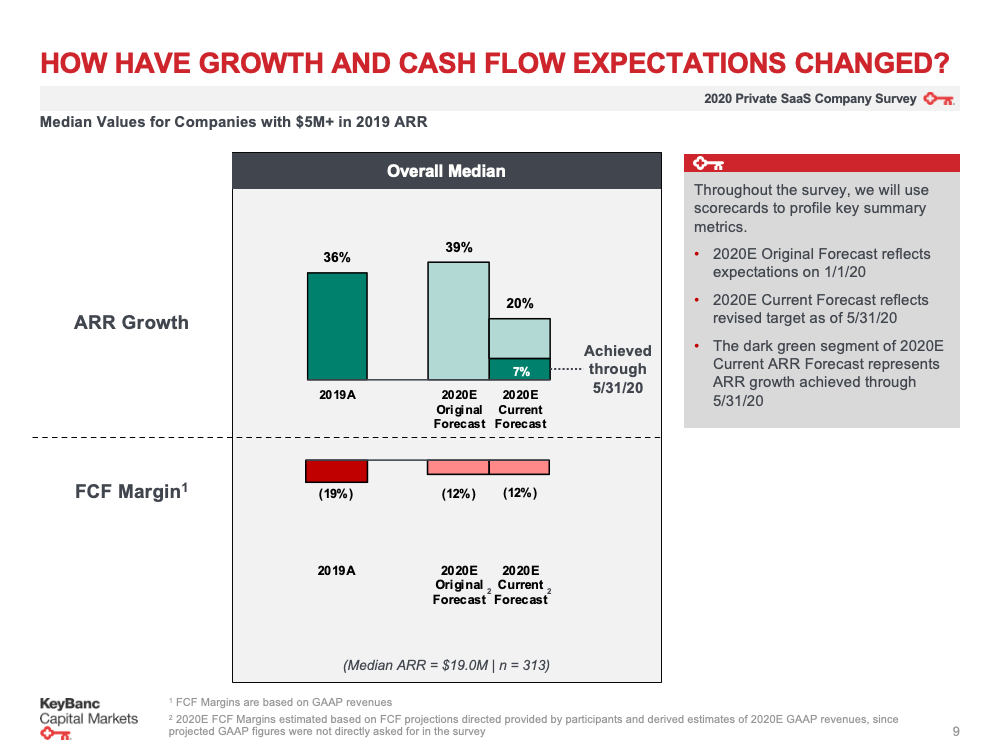
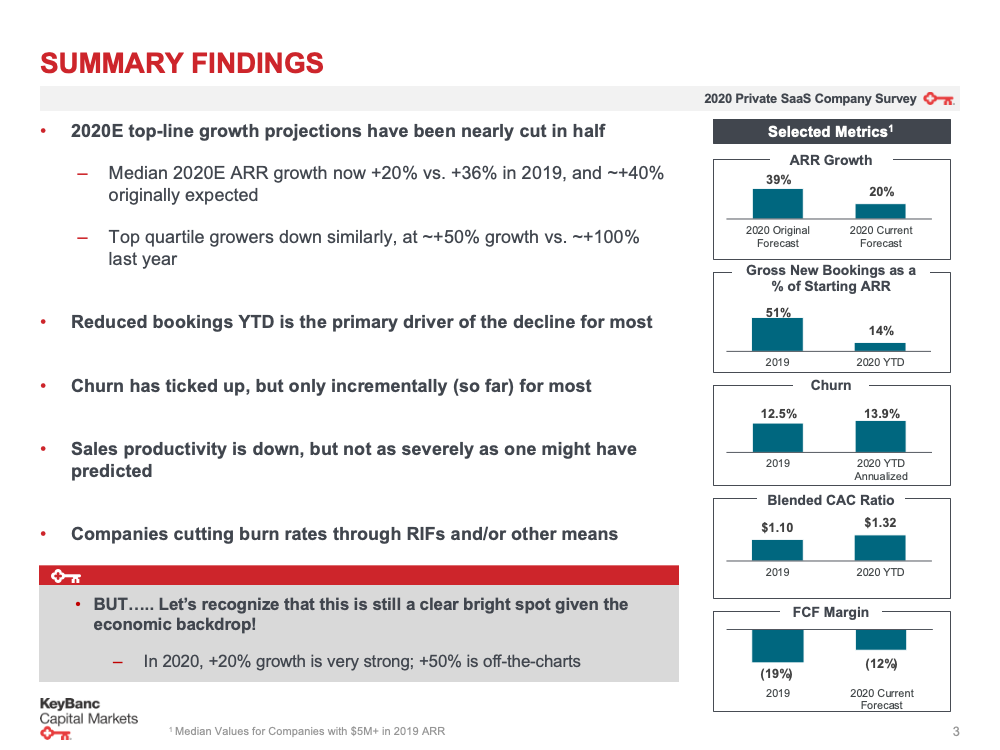
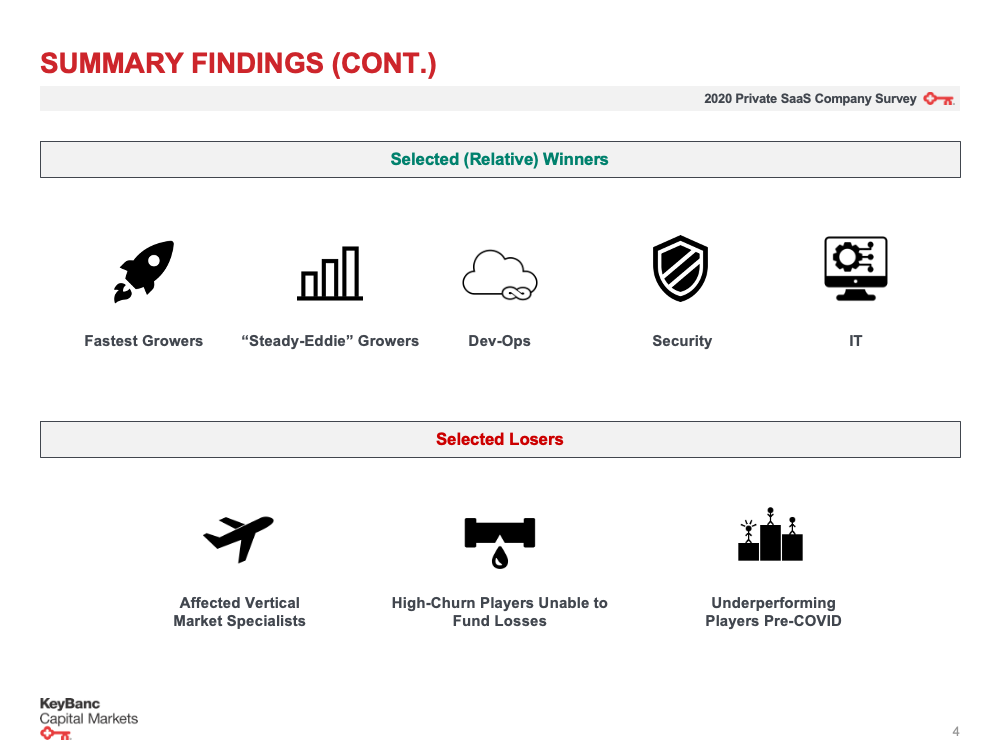
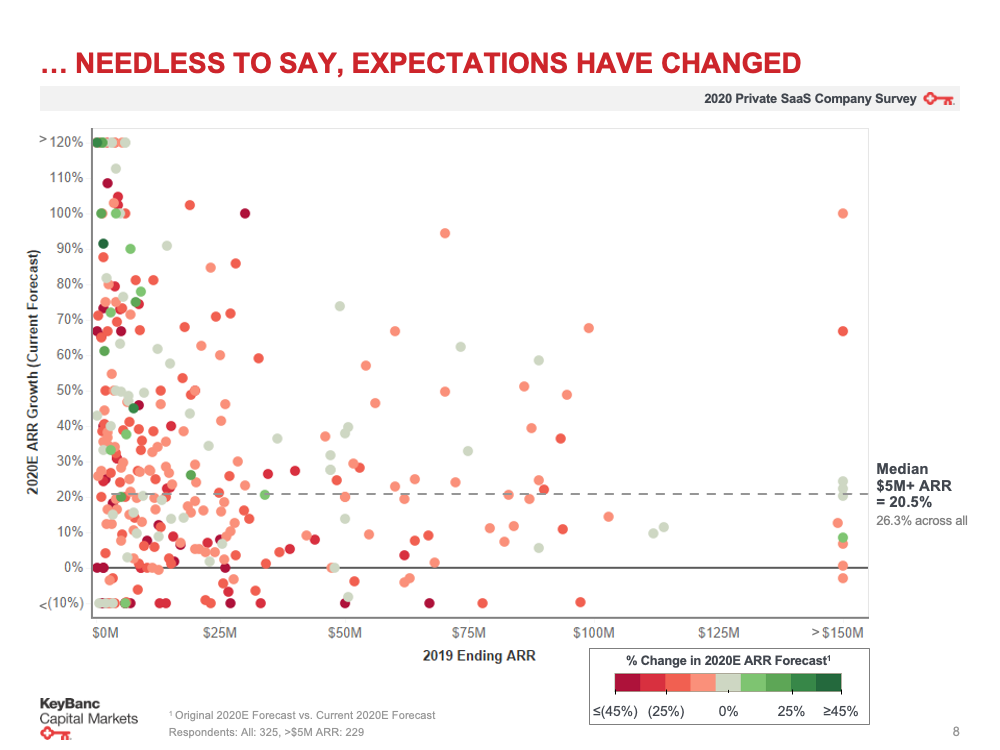
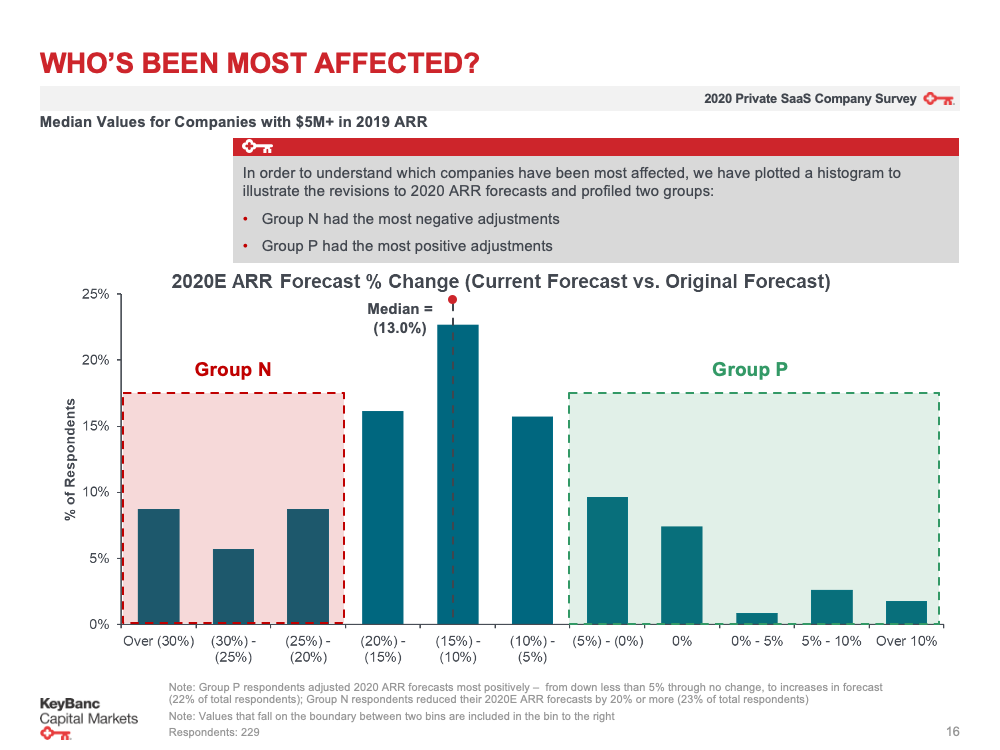
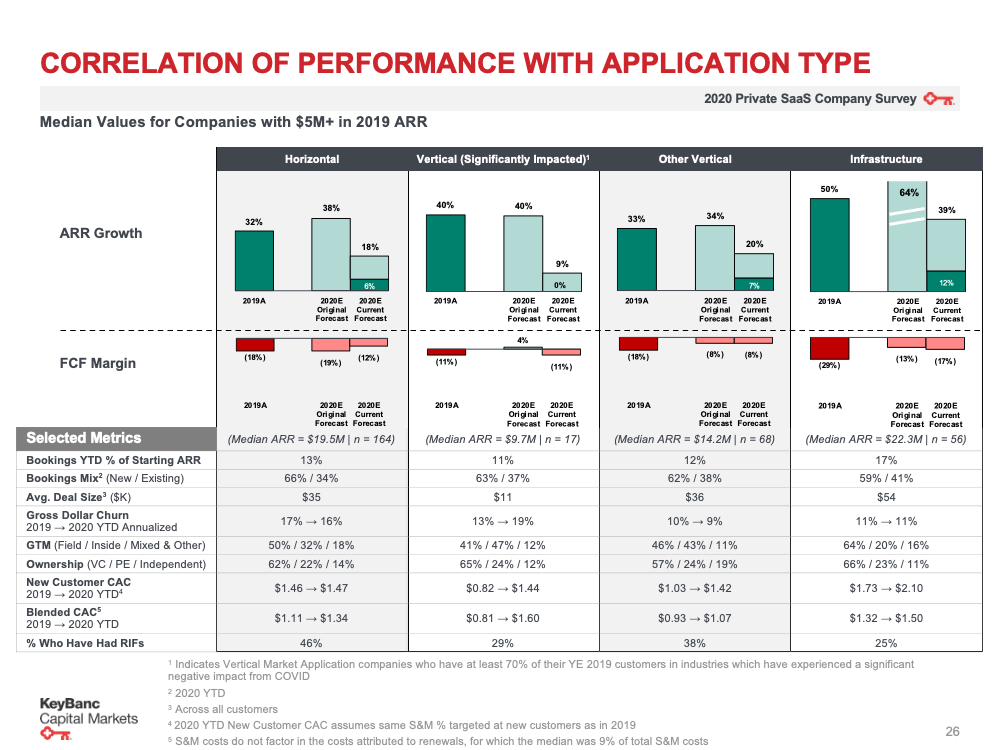
The initial report, based on data collected in the first half of 2020, reveals a bifurcated market. While some SaaS companies have demonstrated remarkable agility and even accelerated growth by capitalizing on the accelerated digital transformation trend, others have faced significant headwinds. The data suggests that companies offering solutions critical to remote work, cloud infrastructure, cybersecurity, and digital collaboration have generally fared better. Conversely, those serving industries heavily impacted by lockdowns and reduced consumer spending have experienced more pronounced challenges.
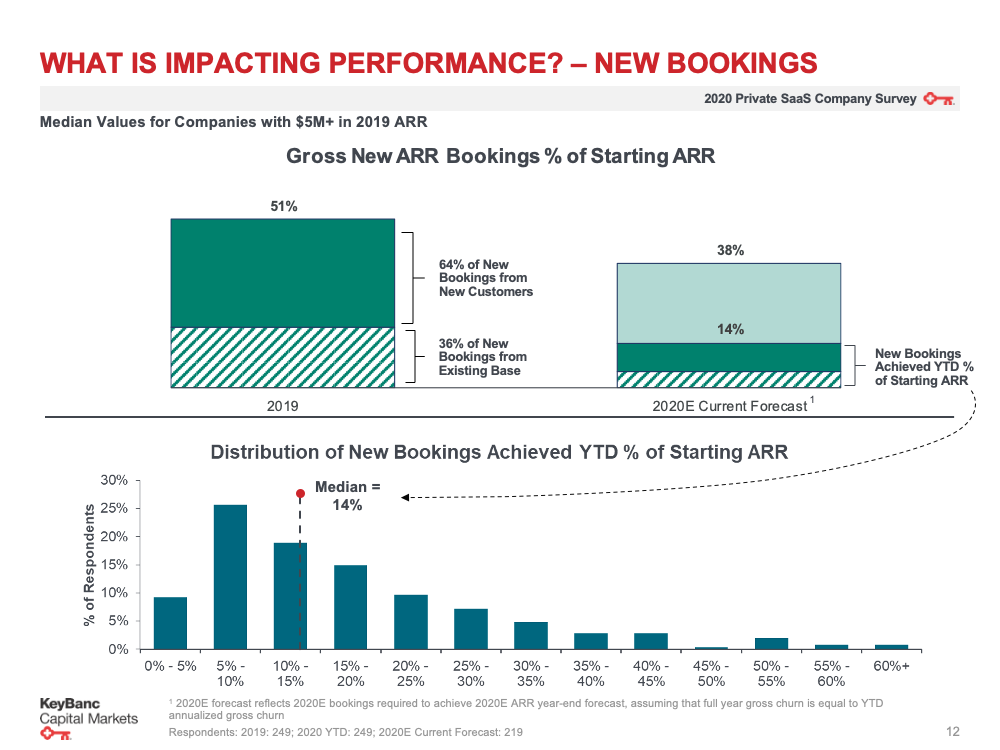
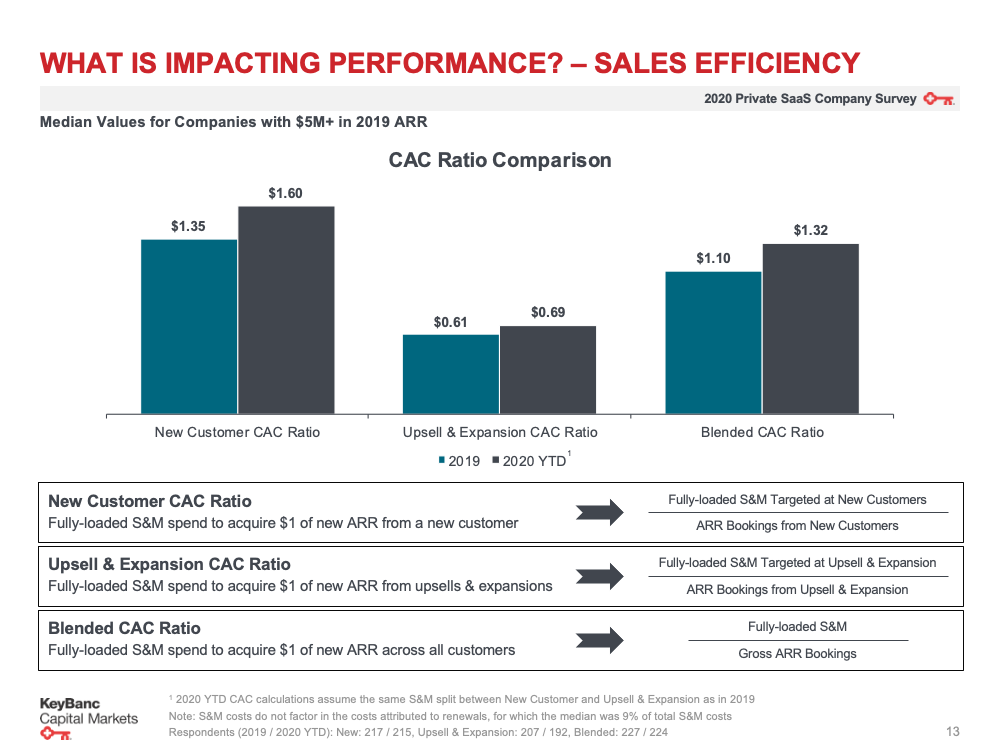
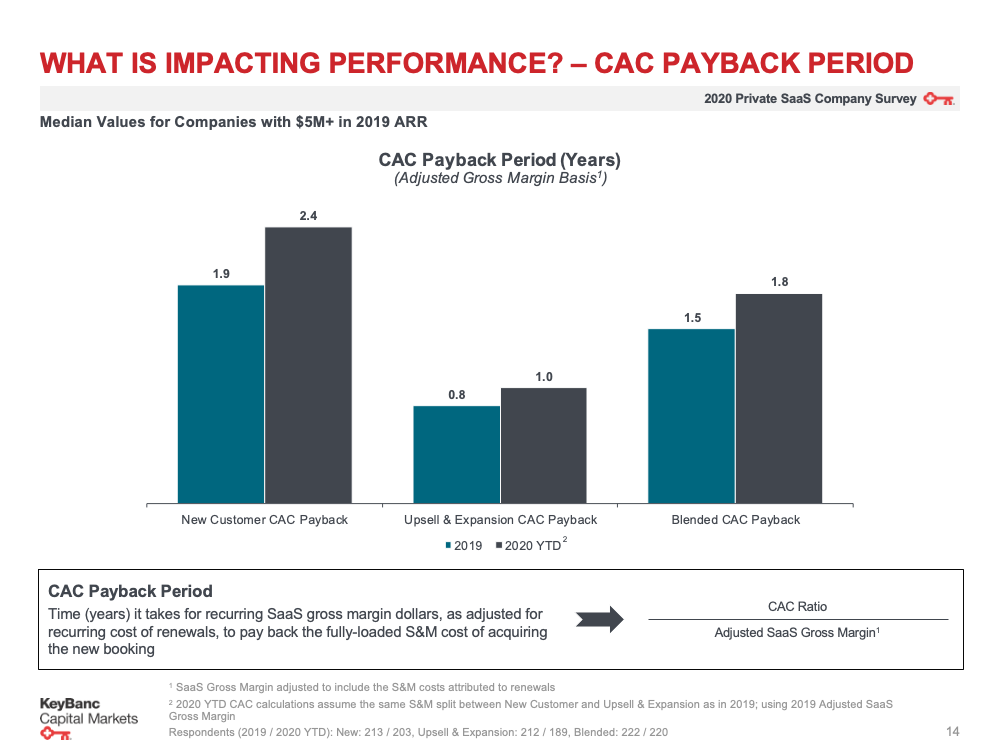
The survey highlights the critical importance of robust financial management and a strong understanding of customer lifetime value (CLTV) and customer acquisition cost (CAC) in the current climate. Companies with efficient sales and marketing engines and a clear path to profitability are better positioned to weather economic uncertainty. Furthermore, the report touches upon the increasing focus on essential software solutions that drive tangible value and cost savings for businesses.
The impact of COVID-19 is not a monolithic experience across the SaaS sector. The report’s detailed segmentation (though not fully elaborated in the initial release) likely reveals nuanced performance differences based on company size, target market, product type, and geographical presence. This granular data is crucial for investors and executives seeking to pinpoint specific areas of strength and vulnerability.
Navigating the Unprecedented: A Chronological Perspective
The emergence of COVID-19 in early 2020 triggered a rapid and dramatic shift in global economic activity. By March 2020, widespread lockdowns and social distancing measures were implemented across the globe, fundamentally altering how businesses operated and how consumers behaved.
- Early 2020: Initial signs of the pandemic’s impact begin to surface, with early adopters of remote work and cloud-based solutions showing increased demand for related SaaS products. However, uncertainty pervades the market, leading to a cautious investment climate.
- March – May 2020: The full force of the pandemic hits. Many businesses, particularly those in non-essential sectors, experience significant revenue declines, leading to budget cuts and a heightened focus on cost optimization. This period sees a surge in demand for SaaS solutions that enable remote collaboration, digital communication, and business continuity.
- Mid-June – Early July 2020: Survey data collection for the 2020 KBCM SaaS Survey takes place. This period represents a critical snapshot of the market’s response and initial performance adjustments in the wake of the pandemic’s first wave. Companies are reporting on their 2019 performance and their year-to-date results through May 31st.
- Late 2020 and Beyond: The survey acknowledges that the market is still in the early stages of disruption. Subsequent reports are planned to track the ongoing evolution of the SaaS sector, providing a longitudinal view of its adaptation and recovery.
Supporting Data and Industry Context
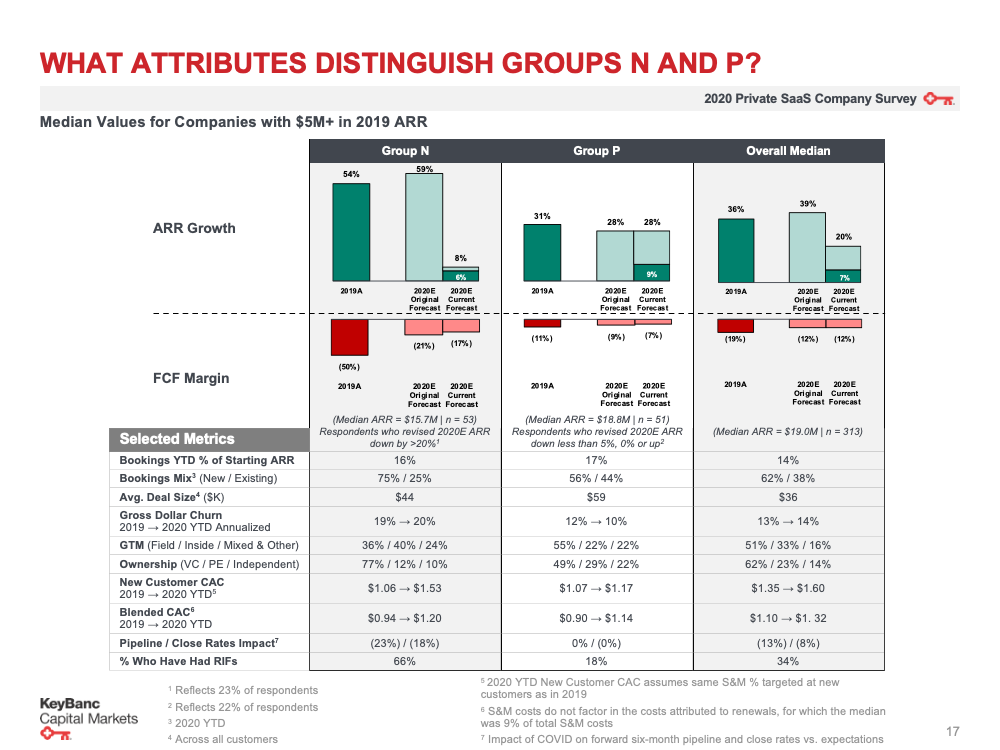
While the provided content does not include specific numerical data points from the survey’s charts and graphs, it emphasizes the survey’s purpose: to provide benchmarks. Historically, the SaaS survey has tracked metrics such as:
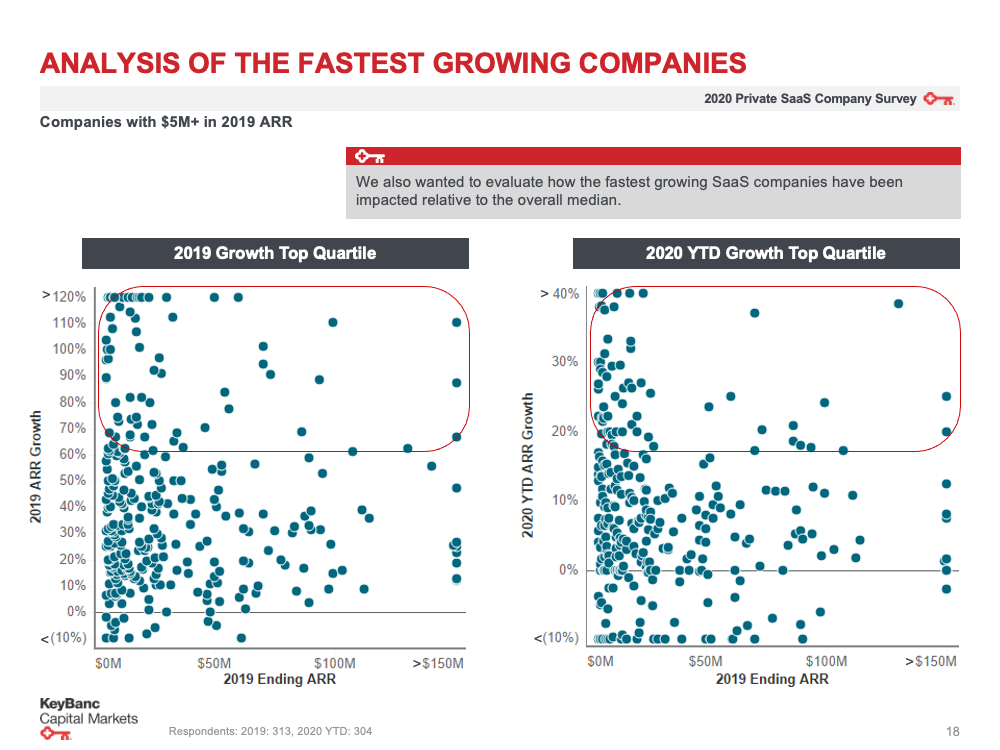
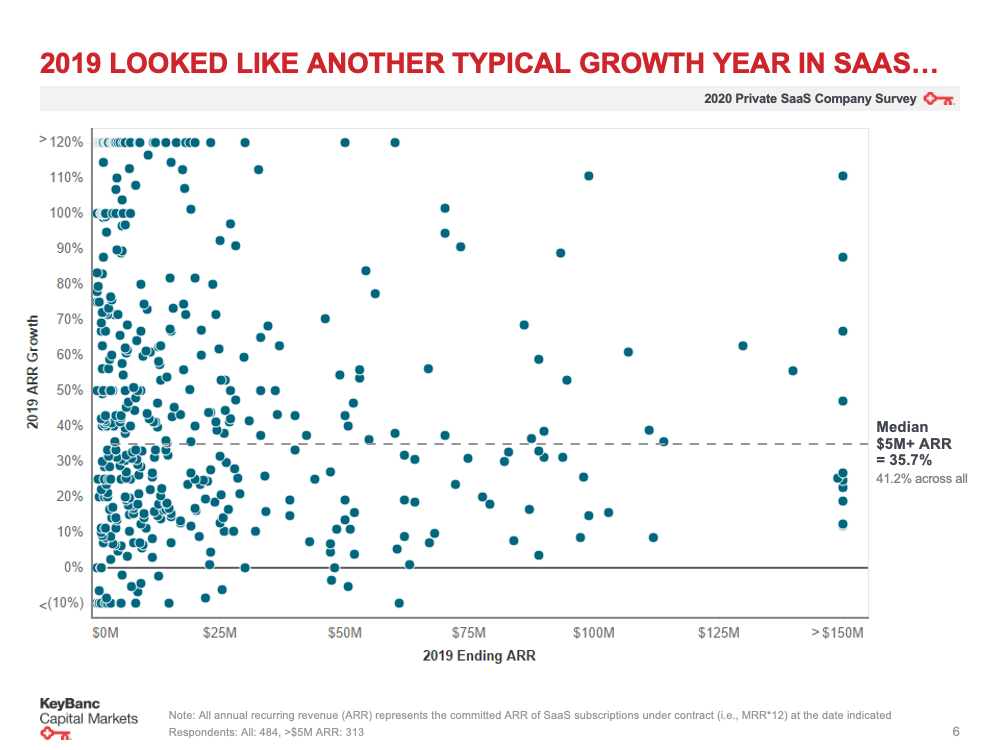
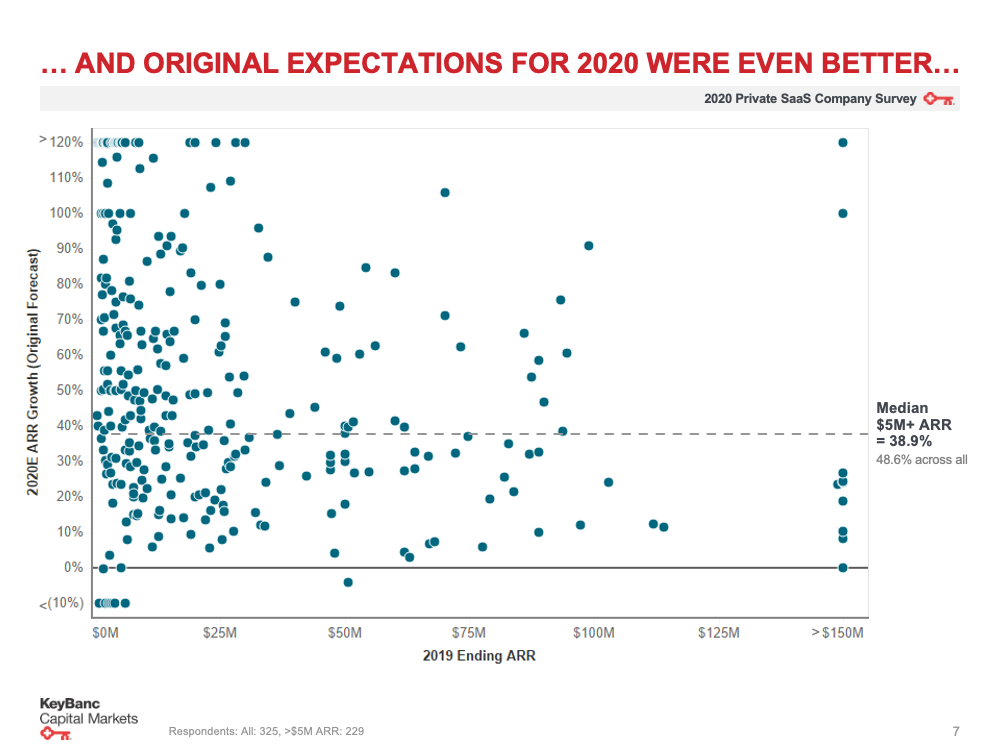
- Annual Recurring Revenue (ARR) Growth: The rate at which companies are increasing their predictable revenue streams.
- Gross Margin: The profitability of core SaaS offerings before operating expenses.
- Customer Acquisition Cost (CAC): The expense incurred to acquire a new customer.
- Customer Lifetime Value (CLTV): The total revenue a customer is expected to generate over their relationship with the company.
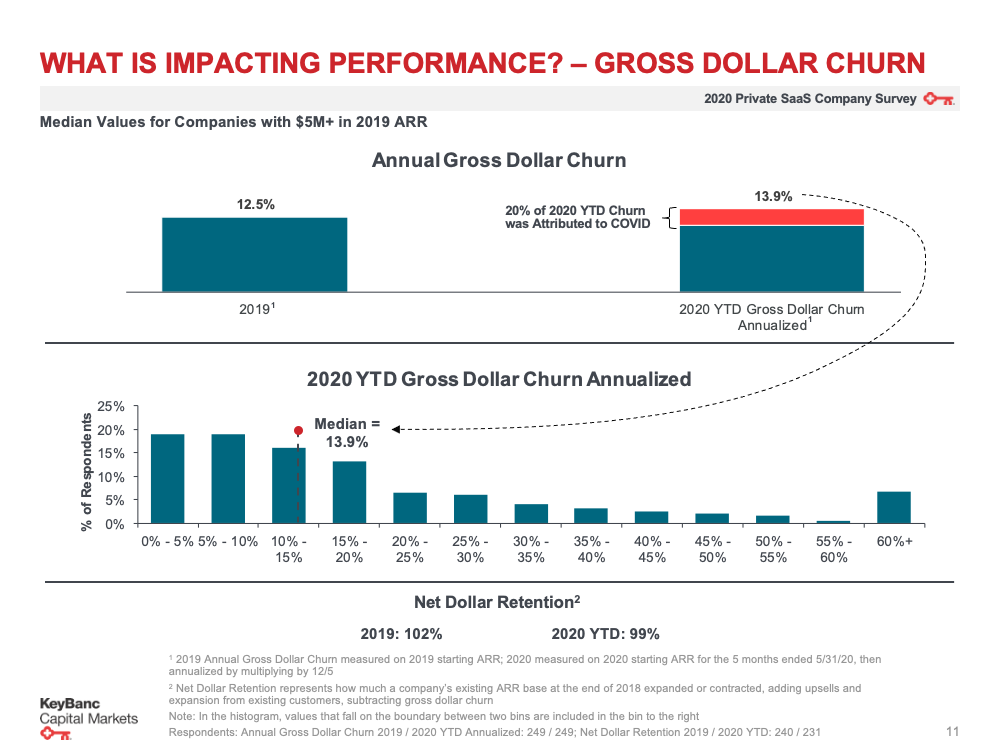
- Churn Rate: The percentage of customers who stop using a service over a given period.
- Sales Efficiency: Metrics like the CLTV:CAC ratio and Magic Number, which assess the effectiveness of sales and marketing efforts.
The broader SaaS market, prior to 2020, had experienced a decade of robust growth, driven by increasing cloud adoption, the subscription economy, and the inherent scalability of the SaaS model. Companies like Salesforce, Microsoft (with its Azure and Office 365 offerings), and Adobe had demonstrated the power and profitability of SaaS. This established foundation provided many companies with a degree of resilience when the pandemic hit, but it also highlighted the importance of product-market fit and operational efficiency.
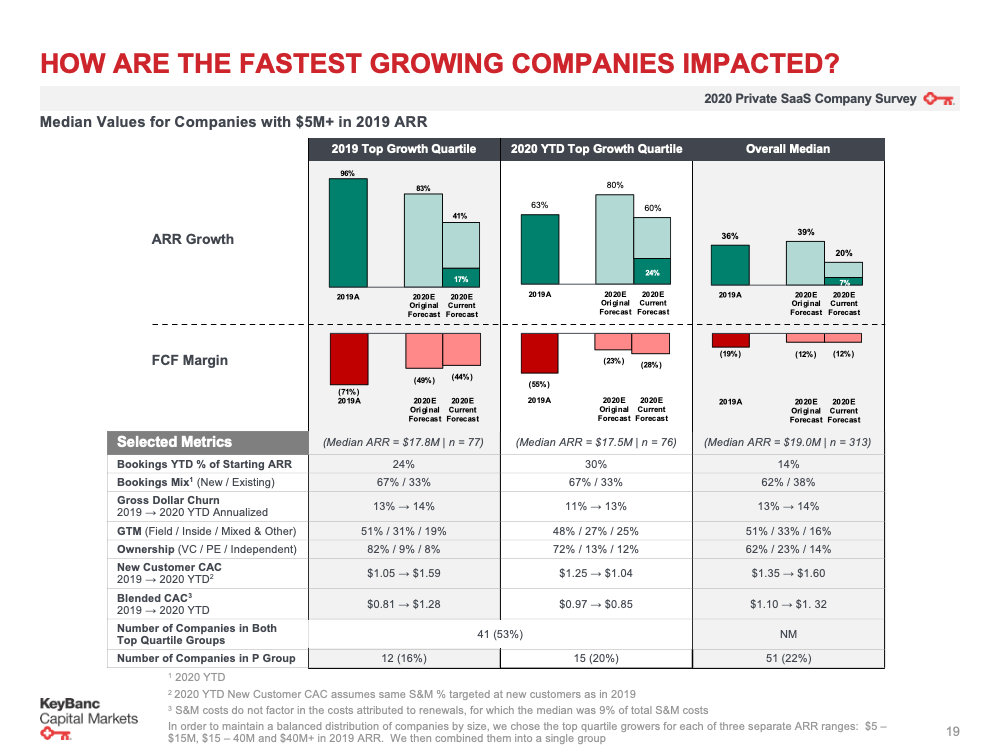
The pandemic accelerated pre-existing trends, such as digital transformation, remote work, and the reliance on cloud-based services. Gartner, for instance, projected in 2020 that worldwide end-user spending on public cloud services would grow significantly, underscoring the sustained demand for cloud-based solutions. This surge in demand for digital tools directly benefited many SaaS providers.
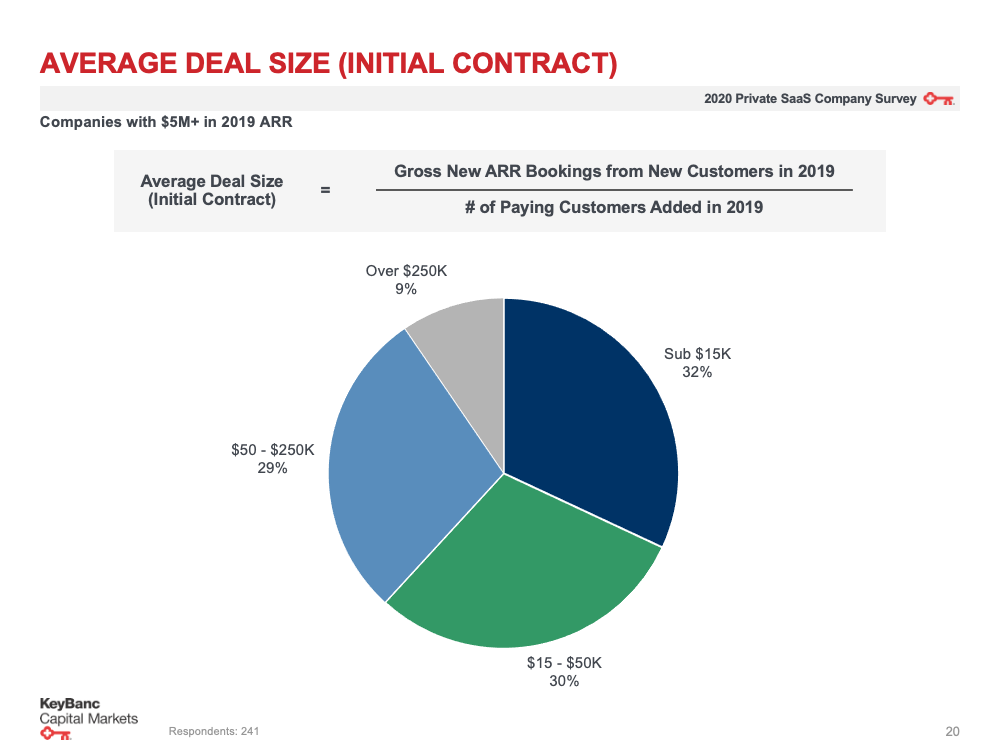
Analysis of Implications: Resilience and Adaptation
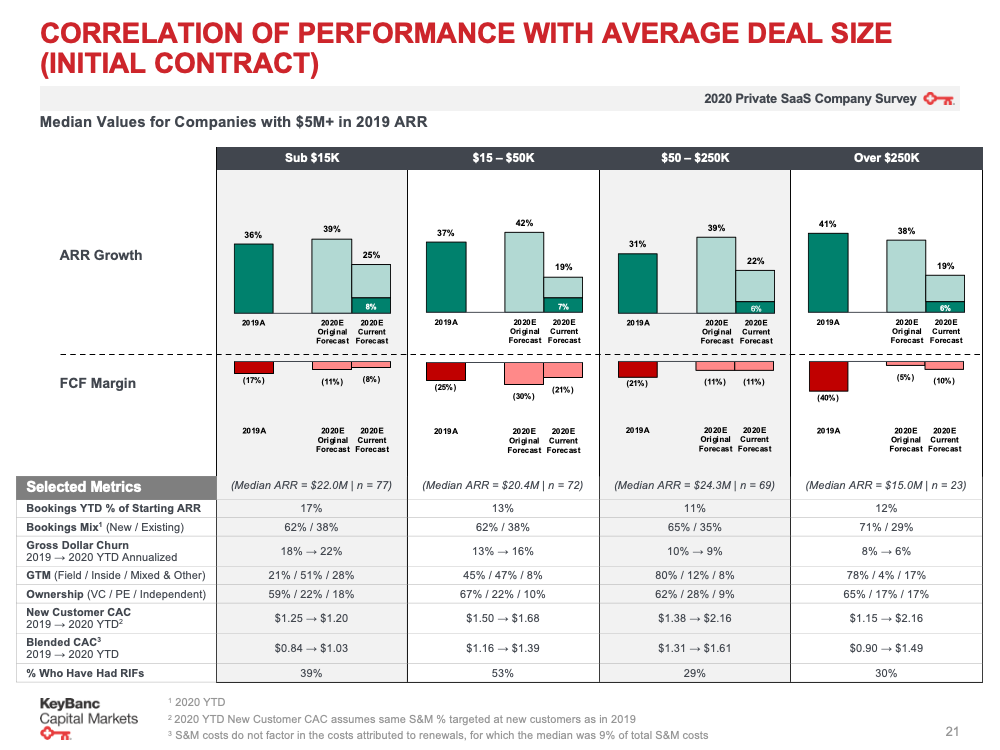
The 2020 KBCM SaaS Survey underscores a crucial shift in the SaaS industry’s dynamics. The pandemic has acted as an accelerant for digital adoption, creating opportunities for companies that align with these emerging needs. The survey’s focus on identifying "who is prospering and who is struggling" is paramount for understanding the competitive landscape.
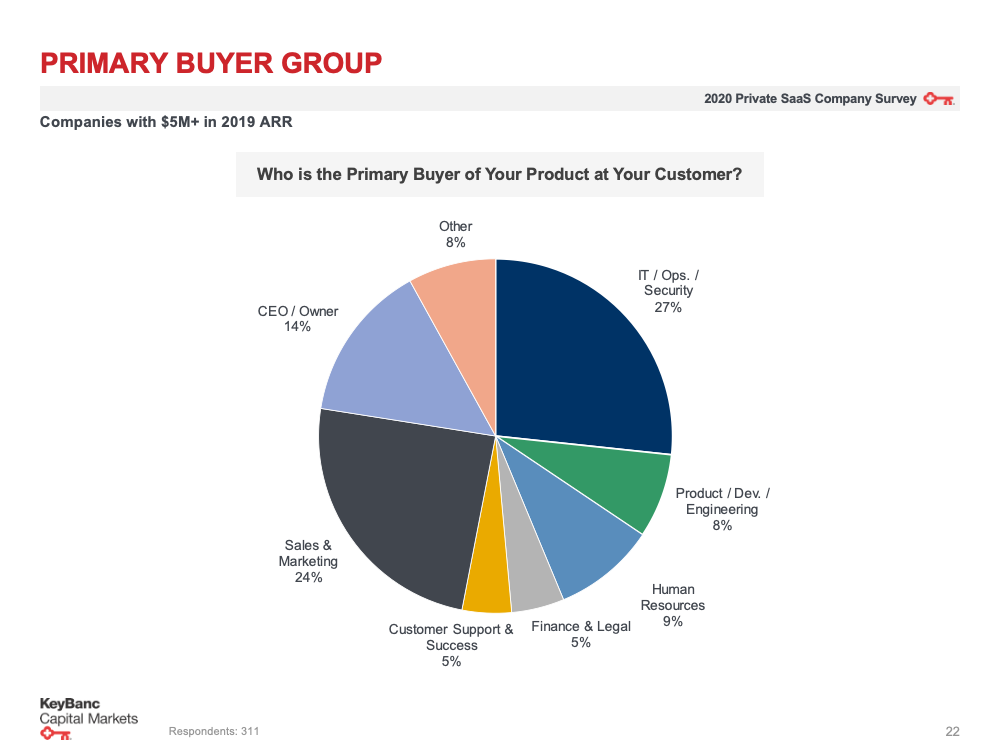
Companies that have successfully navigated the challenges are likely those with:
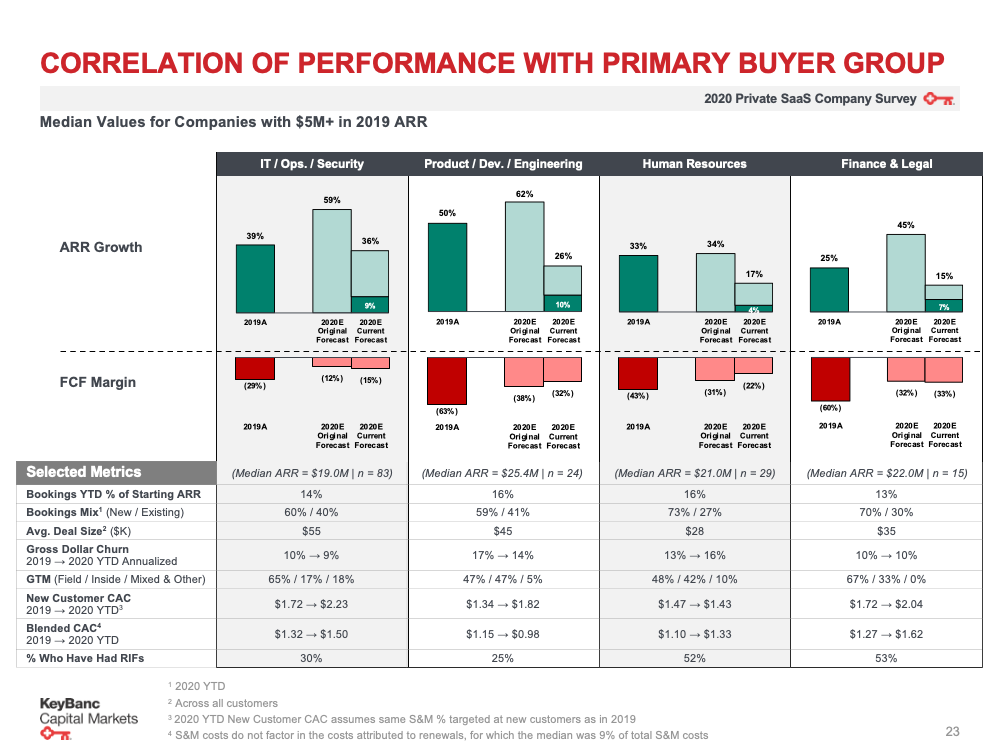
- Strong Product-Market Fit for the "New Normal": Solutions that directly address the needs of a distributed workforce, enhanced cybersecurity requirements, or increased digital engagement.
- Efficient Operations and Financial Discipline: A focus on profitable growth, with a keen eye on CAC and churn. Companies that can demonstrate a clear return on investment for their customers are more likely to retain and attract new business.
- Agile Sales and Marketing Strategies: The ability to pivot to virtual sales processes, leverage digital marketing channels effectively, and adapt messaging to current economic realities.
- Resilient Business Models: SaaS, by its nature, offers recurring revenue, which provides a level of predictability. However, the ability to adapt product roadmaps and service offerings in response to evolving customer needs is critical.
The implications for investors are significant. The survey provides a data-driven framework for identifying high-potential SaaS companies and understanding the key metrics that indicate resilience and growth potential in a post-pandemic world. For SaaS executives, the report serves as a vital tool for benchmarking their performance against peers and identifying areas for strategic improvement.
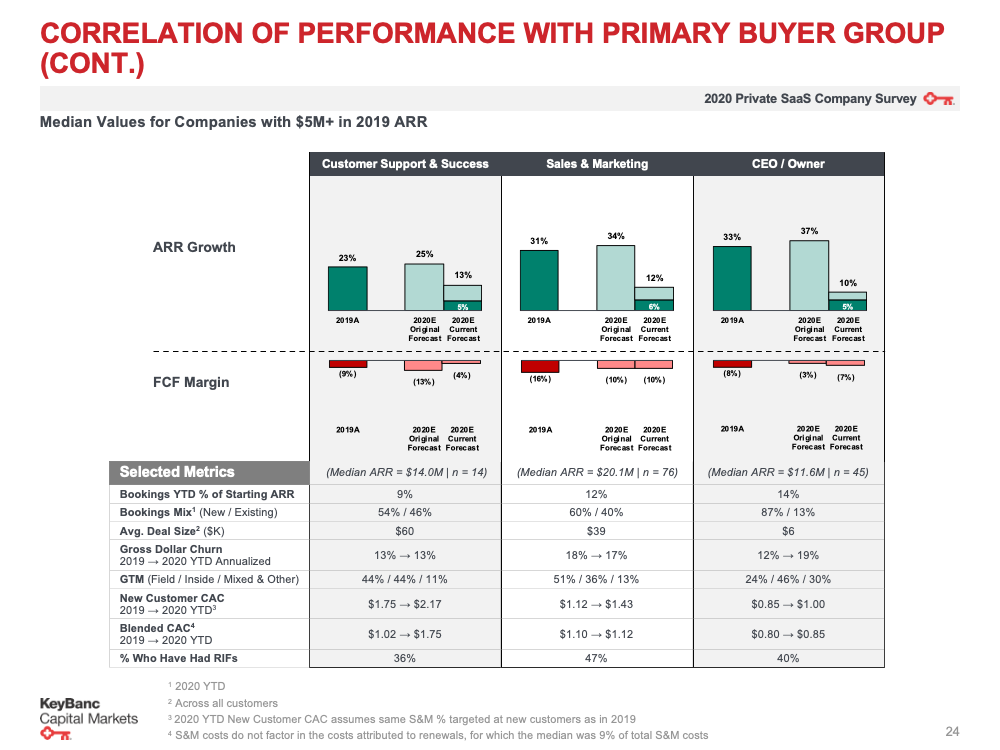
The commitment to follow-up reports is particularly noteworthy. The pandemic’s long-term effects are still unfolding, and understanding the sustained impact and the emergence of new trends will be crucial. This ongoing dialogue through anonymized data collection will provide a dynamic and evolving picture of the SaaS industry’s journey through this period of unprecedented change.
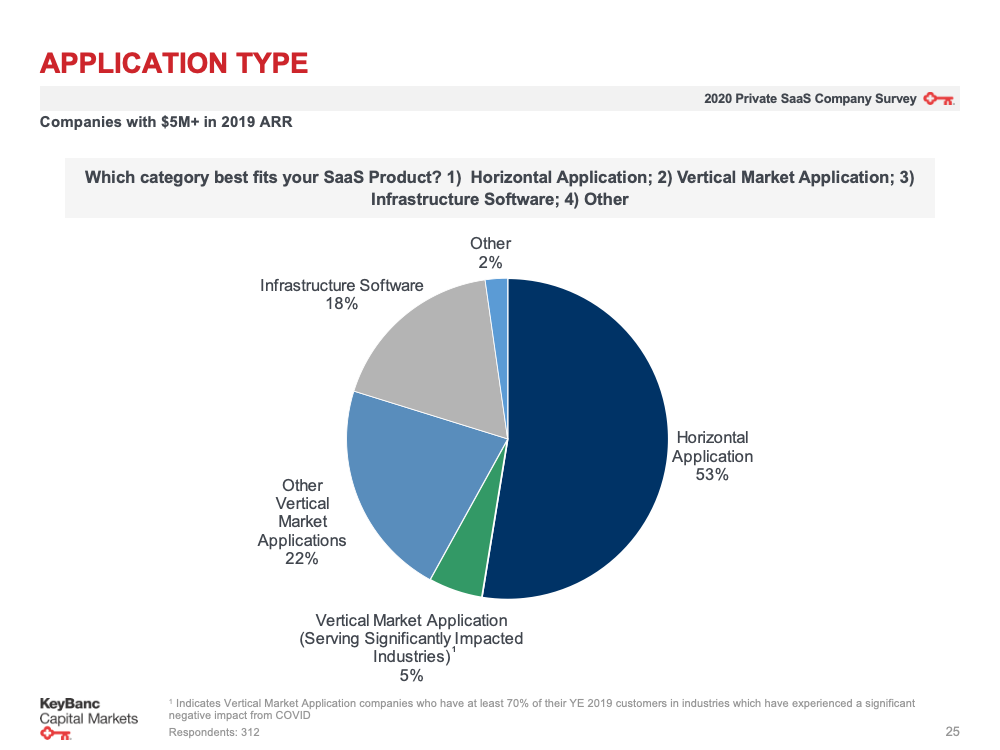
The report’s recommendation to download the full PDF document suggests that the visual representations of data—charts, graphs, and comparative analyses—are integral to fully grasping the survey’s findings. These visual aids likely offer a more detailed breakdown of performance metrics across different segments of the SaaS market, providing actionable insights for businesses and investors alike. The "Last Year Vs. This Year" comparison, prominently mentioned, is expected to highlight the dramatic shifts in key performance indicators, offering a stark contrast between pre-pandemic operations and the realities faced in 2020.
In conclusion, the 2020 KBCM Technology Group SaaS Survey – COVID Edition is more than just a data report; it is a crucial diagnostic tool for an industry at a critical inflection point. It provides a much-needed, data-backed perspective on how the SaaS sector is adapting to a profoundly altered global economic and operational landscape, setting the stage for future resilience and innovation.