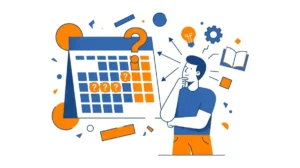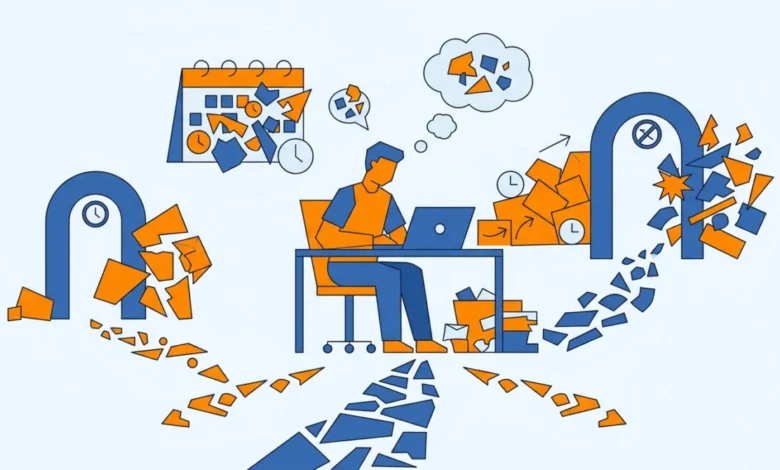
In an era defined by rapid technological advancement and the proliferation of digital communication tools, a paradoxical trend has emerged: despite a significant reduction in total annual working hours over the past several decades, the subjective experience of time poverty has reached an all-time high. According to recent data cited by BBC Science Focus, approximately 80% of the population reports feeling a persistent lack of time. This sentiment stands in stark contrast to historical labor statistics, which indicate that the average work year has shortened by 514 hours over the last 70 years. This phenomenon suggests that the contemporary crisis is not one of time volume, but of cognitive intensity and digital fragmentation.
A Historical Shift in Labor Dynamics
The decline in total working hours is well-documented by labor economists. Following the post-World War II industrial boom, the 40-hour work week became the standard in many Western economies, eventually decreasing as productivity gains allowed for longer vacations, shorter work days, and the rise of flexible labor models. However, the nature of the work performed during those hours has undergone a fundamental transformation.
In the mid-20th century, labor was largely characterized by physical presence and task-based output. The arrival of the internet, followed by the mobile revolution, dismantled the physical boundaries of the workplace. Today, the integration of Slack, Microsoft Teams, WhatsApp, and professional email into daily life has created a state of perpetual connectivity. For many professionals, the workday no longer concludes when they leave the office; it persists through "digital bleed," where the lines between professional obligations and personal time are rendered almost invisible.
The Psychology of Digital Intensity
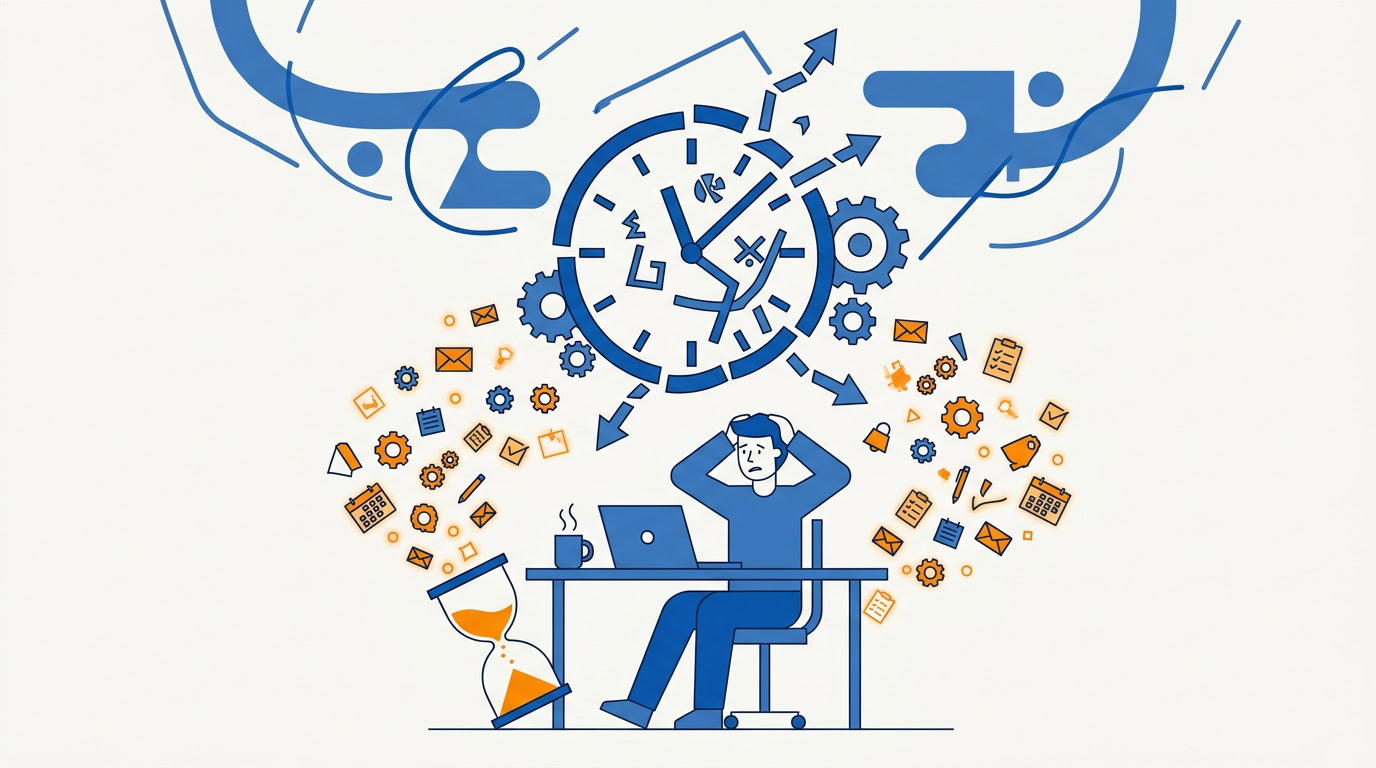
The perception of being "time-poor" is increasingly linked to what behavioral psychologists term "context switching." Every time an individual shifts their attention from a primary task to address a notification, they incur a "switching cost." Research suggests that it can take upwards of 20 minutes to return to a state of deep focus after an interruption.
While the total hours spent at a desk may have decreased, the number of micro-interactions—notifications, instant messages, and emails—has skyrocketed. This creates a psychological environment where the brain remains in a heightened state of alertness. Checking work email from a bedroom late at night is not merely a task; it is a physiological signal that the day has not ended, preventing the necessary neurological recovery required to feel rested. This constant state of readiness mimics the stress response associated with heavy workloads, even when the actual volume of completed tasks remains manageable.
Analyzing the Selection Bias in Productivity Trends
The productivity industry often exacerbates these anxieties by focusing on a specific demographic: individuals who are already experiencing burnout. Productivity coaches and consultants typically interact with a population that is inherently "time-poor," which can skew the broader understanding of societal trends.
Critics of the current productivity narrative suggest that this creates a selection bias. Just as an observer might misjudge the nature of a society by visiting a single type of venue at a specific time of day, the productivity industry often projects the anxieties of the overwhelmed onto the general public. While many individuals certainly struggle with workload management, it is crucial to distinguish between systemic overwork and the perceived intensity caused by poor digital hygiene.
Diagnostic Strategies: The Time Audit
To address this perception gap, experts recommend a transition from subjective feeling to objective data collection. A "time audit" serves as a diagnostic tool, allowing individuals to review their previous behavior rather than relying on faulty memory.
The methodology for a robust time audit involves logging activities in 30-minute increments over a period of several days. Experts advise excluding Mondays and Fridays, as these days often contain atypical administrative tasks or end-of-week pressures. By reviewing these logs, individuals can identify the specific points of digital intrusion—the moments when focus was sacrificed for reactive communication. This process often reveals that what feels like a "lack of time" is actually a lack of sustained, uninterrupted focus.
Bridging the Perception Gap: The I Did List
A common psychological driver of time poverty is the failure to acknowledge completed work. The human brain is evolutionarily predisposed to focus on open loops—incomplete tasks that present a threat or a requirement. Consequently, people tend to focus on their "To-Do" list, which represents the infinite nature of future work, while ignoring the "I Did" list, which represents the reality of finished output.
Maintaining an "I Did" list is a cognitive reframing technique. By recording three to five accomplishments at the end of each day, individuals can objectively visualize their productivity. This practice is supported by organizational psychologists who argue that acknowledging progress is essential for preventing the cortisol-driven stress associated with the feeling of constantly being behind.
Implementing Digital Friction
The most effective modern interventions involve the introduction of "friction"—deliberate barriers between the user and their digital devices. Devices such as the "Brick" or the use of NFC tags to trigger automated focus modes on smartphones serve as physical commitment devices.
The effectiveness of these tools lies in their ability to make distraction difficult. If a user must physically walk to another room to disable an app-blocker, the likelihood of impulsive checking decreases. While critics argue that these tools are merely "training wheels," proponents suggest that they function like dietary supplements: they provide the necessary support to build the underlying habit of single-tasking. The ultimate goal is to reach a state where focus can be maintained without external digital aids, a skill that is increasingly rare in the modern economy.
Leveraging Artificial Intelligence for Goal Execution
Beyond managing daily tasks, the "blank page syndrome"—the paralysis experienced when beginning a complex project—remains a major barrier to productivity. The rise of Large Language Models (LLMs) has provided a new mechanism for overcoming this initial resistance.
By utilizing AI as a consultant rather than a simple chatbot, individuals can break down large, audacious goals into actionable milestones. This effectively offloads the cognitive burden of project planning. A user can prompt an AI to act as a mentor, asking it to generate a three-year roadmap or a set of immediate daily tasks based on established best practices in their field. This transition from "figuring out the how" to "executing the steps" provides the momentum necessary to overcome the paralysis of perfectionism.
Broader Implications for the Workforce
The shift from physical work to cognitive, hyper-connected labor has created a crisis of perception. If the average person is working fewer hours but feeling more overwhelmed, the solution must lie in the management of attention rather than the management of time.
The implications for organizations are significant. As remote and hybrid work models become permanent, the burden falls on both employers and employees to establish boundaries. Organizations that foster a culture of "deep work"—where constant connectivity is not expected—may see significant improvements in employee well-being and actual output.
Ultimately, the feeling of being time-poor is a modern condition that requires a modern approach. By auditing how time is actually spent, tracking accomplishments, introducing physical friction to digital habits, and leveraging technology to simplify complex planning, individuals can reclaim their attention. The objective data suggests that we have more time than our predecessors; the challenge of the next decade is simply learning how to inhabit that time without the constant, draining hum of the digital world.