An employee development plan acts as a strategic roadmap, bridging the gap between an individual’s current capabilities and the evolving needs of an organization. Far from being a static document relegated to an annual performance review, a well-executed plan integrates professional skill acquisition, academic growth, and personal development into the daily operational flow of a business. By aligning individual ambitions with organizational objectives, companies can foster a culture of continuous improvement that enhances retention, bolsters morale, and secures future leadership pipelines.
The Anatomy of Strategic Development
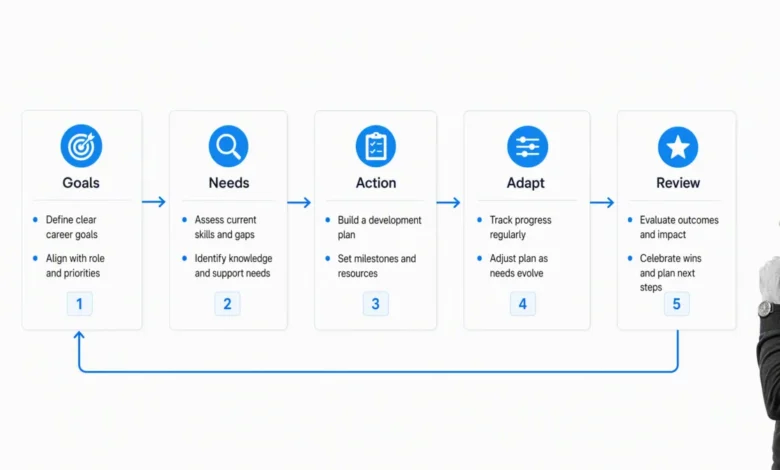
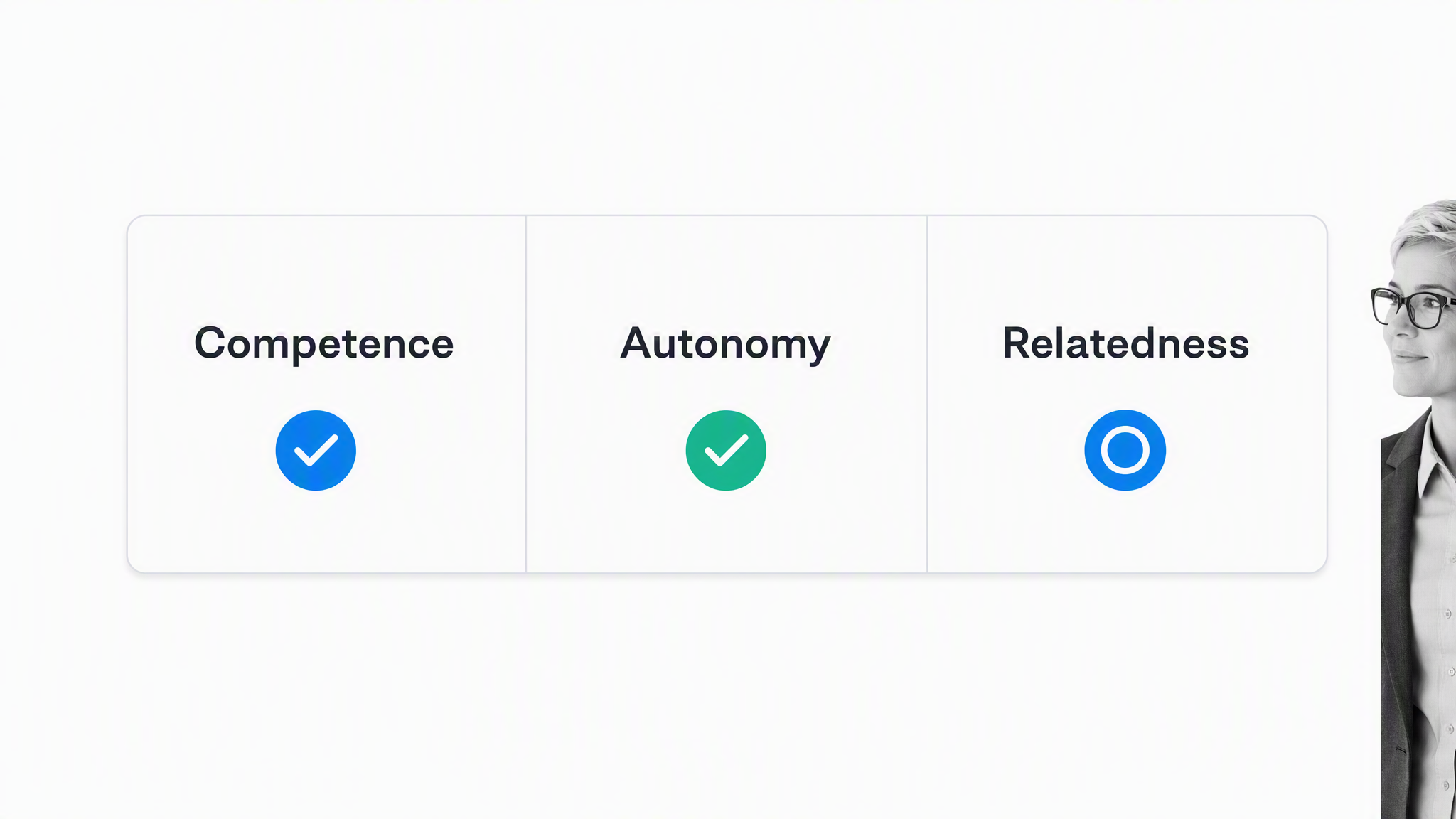
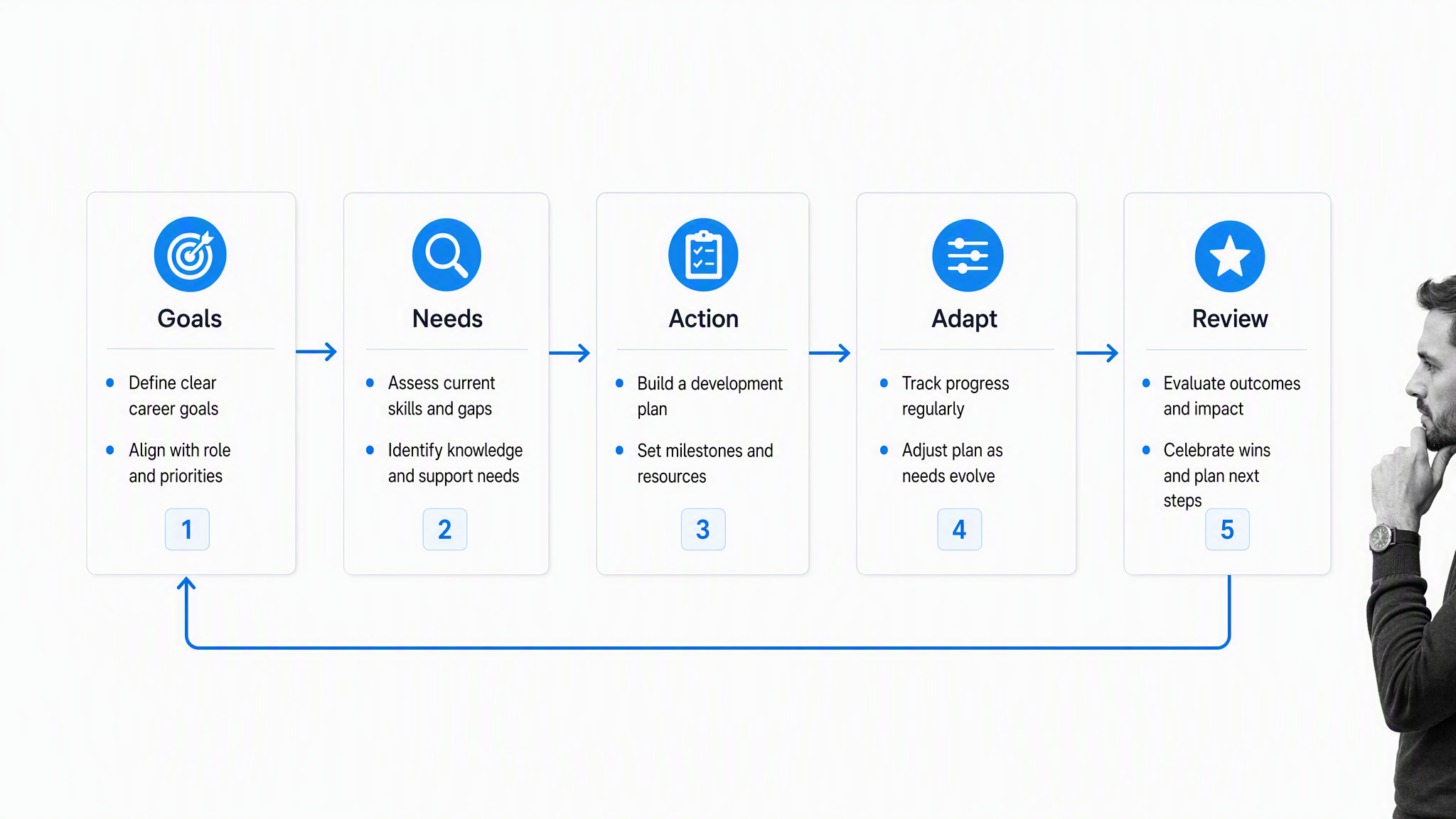
At its core, a robust development plan serves as a living contract between a manager and an employee. It transitions the concept of "training" from a passive, one-off activity into a proactive, measurable process. According to industry standards in organizational development, effective plans must capture five essential components: the target goal, the underlying business or personal rationale, the baseline capability, actionable development steps, and clear evidence of progress.
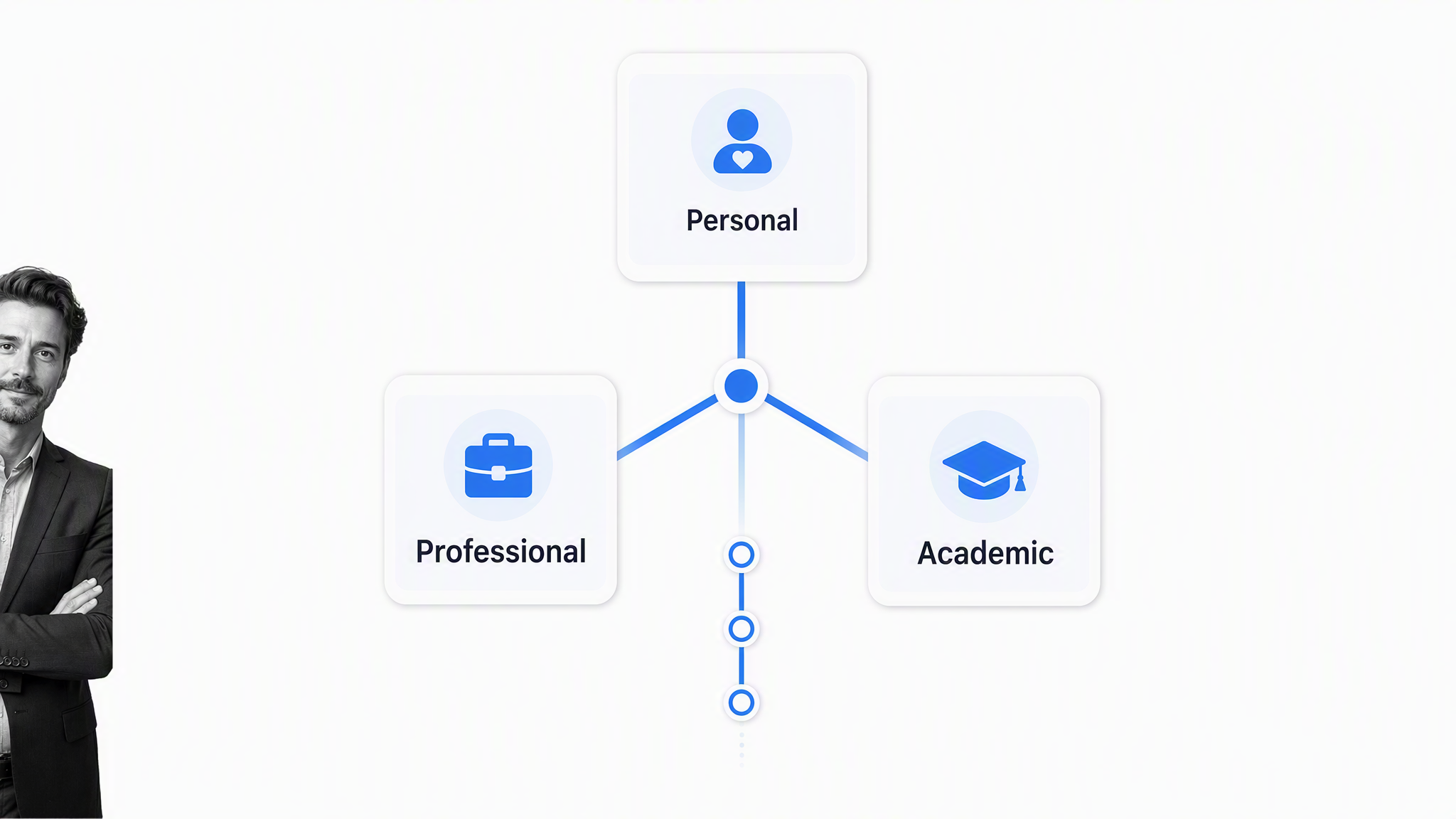
Historically, organizations viewed professional development through a narrow lens—usually limited to mandatory certification or technical training. However, modern human resources frameworks have expanded this to include the "whole-person" approach. This involves recognizing that factors such as communication, emotional intelligence, time management, and even physical well-being directly correlate with an employee’s output. By acknowledging these variables, managers can curate growth opportunities that are both personally fulfilling and professionally advantageous.
A Chronology of Leadership Strategy: The Patagonia Model
The integration of values-led development is best exemplified by the tenure of Rose Marcario at Patagonia. From 2008 to 2020, Marcario navigated a transformative period for the outdoor apparel giant, serving first as CFO and later as CEO. Her approach to leadership development was fundamentally rooted in the idea that an organization’s performance is inextricably linked to the integrity and capability of its people.
When Marcario assumed the role of CEO, the business landscape was shifting toward a model where sustainability and corporate social responsibility were no longer peripheral concerns but core business drivers. By 2013, Patagonia had tripled its profits, with revenue hitting the $600 million mark. Analysts suggest that this success was not merely a result of market trends but the direct outcome of a workforce that was empowered through clear, mission-driven development.
Marcario famously challenged the traditional "archetype" of the CEO. Instead of encouraging executives to mimic legacy leaders, she fostered a culture that rewarded authenticity and systems thinking. This shift in internal development strategy had a ripple effect: by training leaders to prioritize long-term environmental and ethical impacts over short-term quarterly gains, she created a high-retention environment where top talent felt invested in a higher purpose. This case study illustrates that when development plans are tied to a clear organizational mission, they become tools for strategic endurance rather than mere administrative checklists.
Data-Driven Performance and the Business Case
The argument for formalizing development plans is supported by significant economic data regarding talent acquisition and retention. A 2023 report from the Society for Human Resource Management (SHRM) suggests that employees who feel their company invests in their professional growth are 30% more likely to remain with the firm for more than five years. The cost of replacing an employee—often estimated at 50% to 200% of their annual salary—makes the implementation of a structured development plan a vital hedge against turnover.
Furthermore, the application of self-determination theory provides a psychological framework for these business outcomes. The theory posits that human motivation is sustained by three pillars: competence, autonomy, and relatedness.
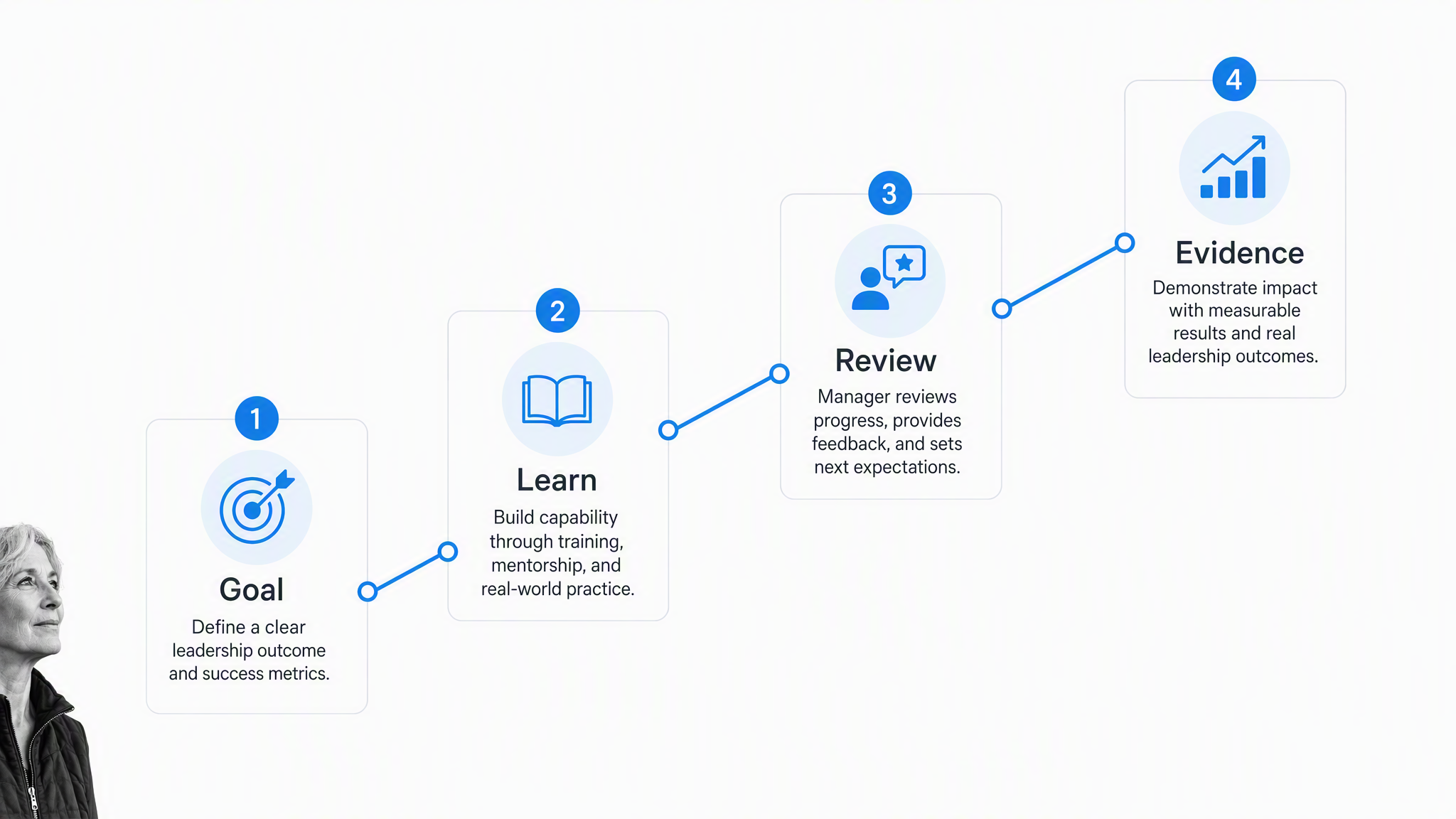
- Competence: Achieved when employees master new skills through structured practice.
- Autonomy: Achieved when employees have agency in selecting their learning paths.
- Relatedness: Achieved when the manager provides consistent, empathetic feedback and guidance.
When these conditions are met, performance increases. A data analyst, for instance, who is tasked with improving their public speaking through a structured plan involving mentoring and low-stakes presentations, is more likely to develop lasting competence than one who is simply sent to a generic seminar.
Operationalizing Growth: Beyond the Annual Review
For many organizations, the primary hurdle to effective development is administrative bloat. The transition from a "form-filling" exercise to an operational process requires the use of modern workflow platforms. Using digital tools—such as those offered by Process Street—allows for the documentation of development paths as repeatable workflows.
These platforms enable managers to:
- Assign Roles: Clearly delineate between the manager’s responsibility to provide resources and the employee’s responsibility to execute tasks.
- Use Conditional Logic: Create adaptive paths where the development plan shifts based on the progress made or the changing needs of the business.
- Track Evidence: Move beyond completion certificates to log actual work products, such as improved project cycle times or successful cross-functional collaborations.
By integrating these features, development becomes a "governed operating process." This ensures that when a manager leaves or an employee changes teams, the history of that person’s growth—and the knowledge they have acquired—remains within the organizational ecosystem.
Addressing the Professional vs. Personal Boundary
A common point of friction in development planning is the tension between personal ambition and organizational need. Managers must exercise discretion when navigating this landscape. While it is beneficial to support an employee’s desire to learn a new language or take an academic course, the workplace plan must remain anchored in the professional reality of the role.
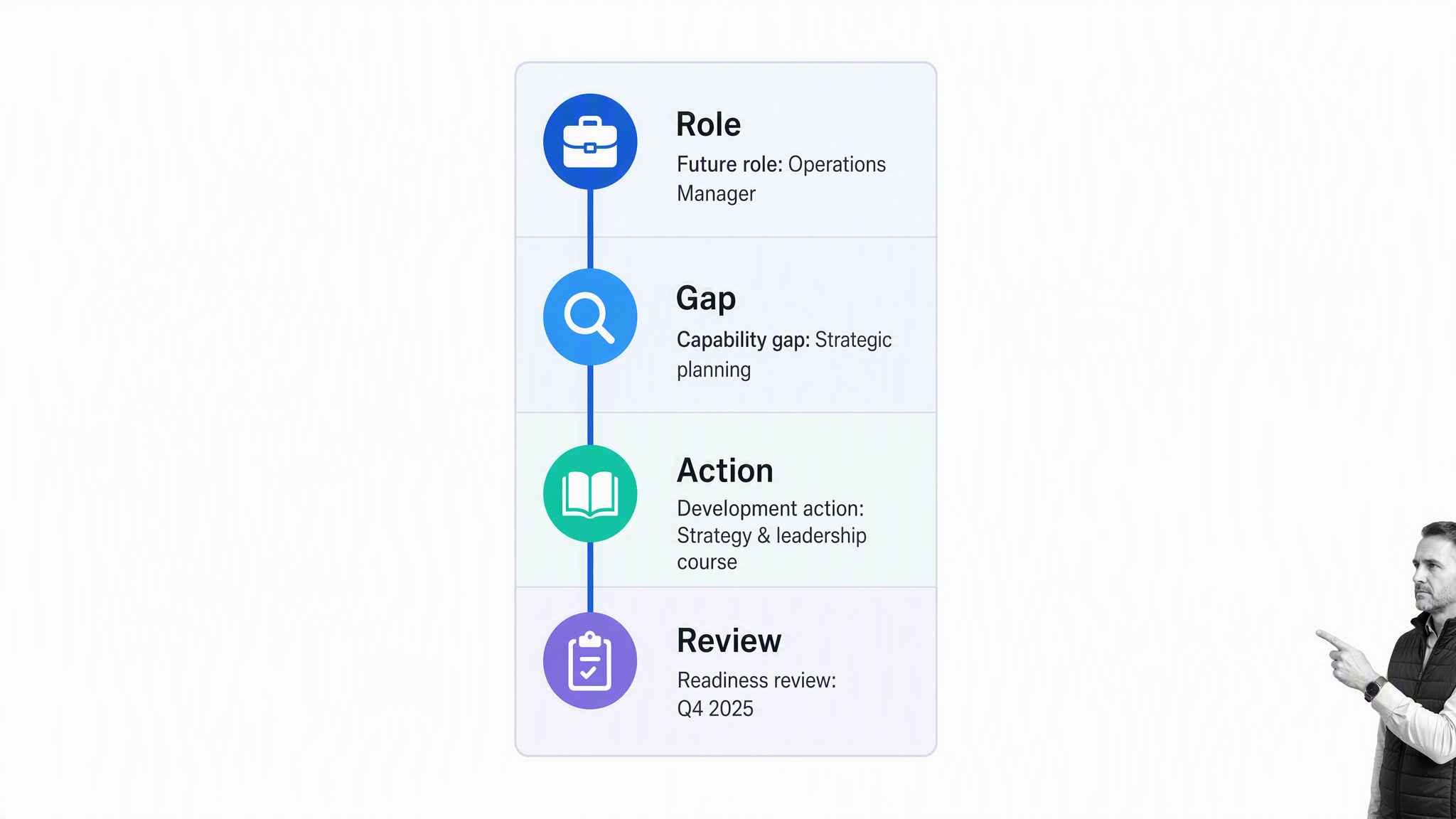
The most successful plans adopt a "bridge" strategy: identifying how a personal goal can satisfy a professional gap. For example, if an employee expresses interest in creative writing, a manager might suggest they lead the documentation of a new internal operating procedure. The employee satisfies their personal creative urge, while the organization gains a well-written manual and a more confident communicator. This approach maintains professional boundaries while acknowledging the employee as a multifaceted individual.
Future-Proofing the Workforce
As the global labor market faces rapid shifts due to artificial intelligence and distributed work environments, the ability to rapidly upskill becomes a competitive necessity. Succession planning, often treated as a secretive or exclusionary exercise, should be demystified and incorporated into the standard development framework.
When organizations aggregate themes from individual development plans, they gain a high-level view of their "intellectual capital." If multiple employees express a desire to learn data visualization, the organization can identify a clear, systemic need to invest in a specific software suite or an internal workshop. This proactive planning prevents the "vacuum effect," where a company is caught off-guard by a talent shortage in a critical area.
Final Implications for Management
Ultimately, the effectiveness of an employee development plan is measured not by the complexity of the forms used, but by the consistency of the dialogue between manager and direct report. The most sophisticated technology is merely a support structure for what must remain a human-centric interaction.
Leaders must recognize that development is an ongoing commitment to the workforce. It requires protecting time for practice, providing constructive feedback without the looming threat of performance discipline, and being transparent about what the organization can and cannot offer. In an era where top talent prioritizes growth over almost all other benefits, the companies that succeed will be those that treat their people as assets to be cultivated rather than resources to be consumed. By making development a transparent, evidence-based, and recurring part of the work week, organizations can build a resilient, motivated, and highly skilled team capable of navigating the uncertainties of the future.