The Rise of Permissionless Pilots: How Modern B2B Startups Are Inverting the Enterprise Sales Cycle

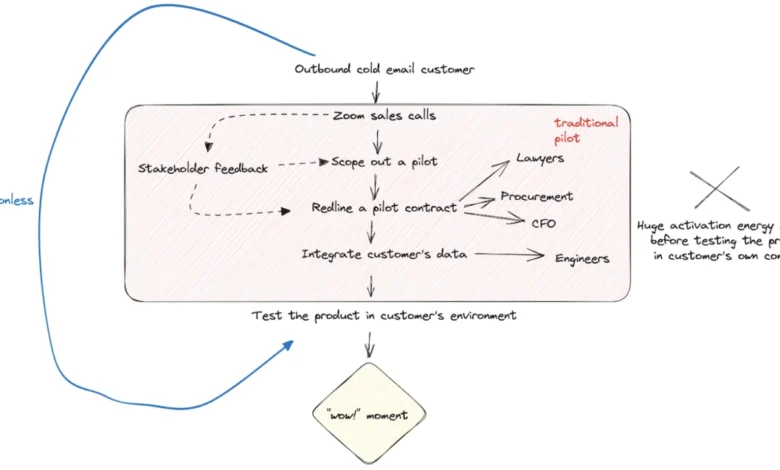
The traditional enterprise software sales cycle has long been defined by friction, bureaucratic delays, and a grueling sequence of steps. For decades, B2B software-as-a-service (SaaS) companies have relied on a familiar playbook: initial introductory calls, extensive stakeholder mapping, security reviews, legal negotiations, and procurement hurdles. Only after navigating this labyrinth would a prospective buyer finally experience a product’s core value proposition—what SaaS legend David Skok famously termed the Time to Wow! moment. However, a growing cohort of agile startups is successfully dismantling this conventional model. By deploying what industry observers call "permissionless pilots," forward-thinking founders are shifting the customer’s defining realization of value from the conclusion of the sales process to its very inception.
The Structural Flaw of the Traditional Enterprise Sales Cycle

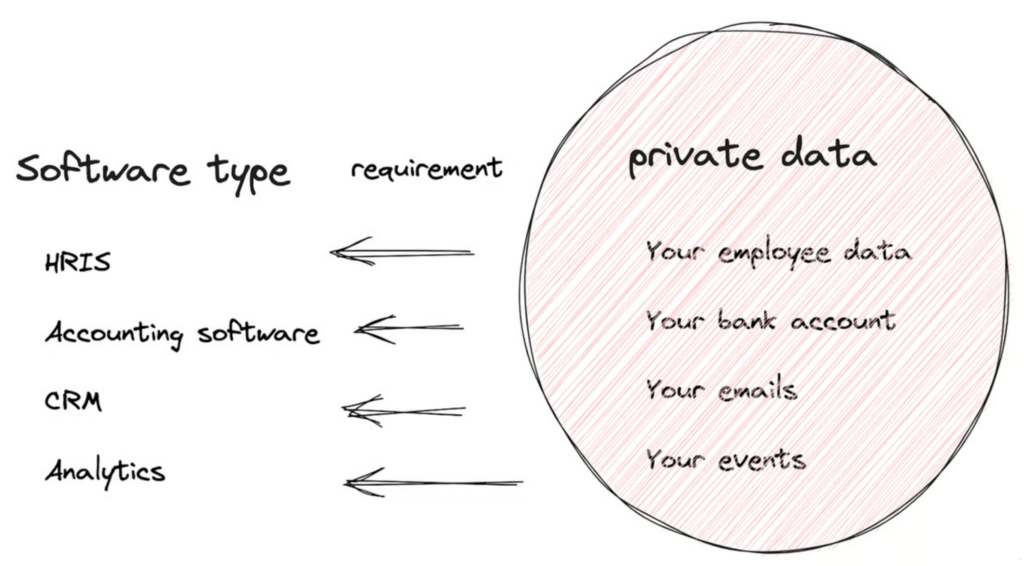
For years, the software industry operated on the accepted premise that product demonstrations must rely on synthetic, generic datasets. Because enterprise solutions typically require proprietary internal data to function correctly, sales engineers historically resorted to mock environments. This approach has frequently been compared to watching a car commercial rather than taking a test drive; it conveys capability in theory, but fails to provide the visceral confidence of real-world application.
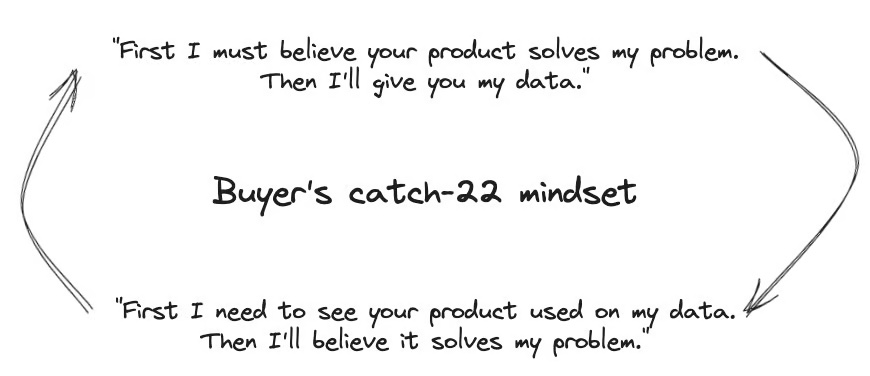
This dynamic creates a profound catch-22 for prospective buyers. Enterprise software purchasers are naturally reluctant to surrender sensitive corporate data to an unproven third party. Doing so requires expending significant internal social capital, securing cross-departmental buy-in, and navigating rigorous compliance frameworks. Conversely, buyers rarely achieve complete conviction in a product until they witness it operating within their specific operational context. Consequently, countless potential deals stall during the exploratory phase, bogged down by administrative inertia before the buyer ever truly experiences the utility of the software.
Defining the Permissionless Pilot
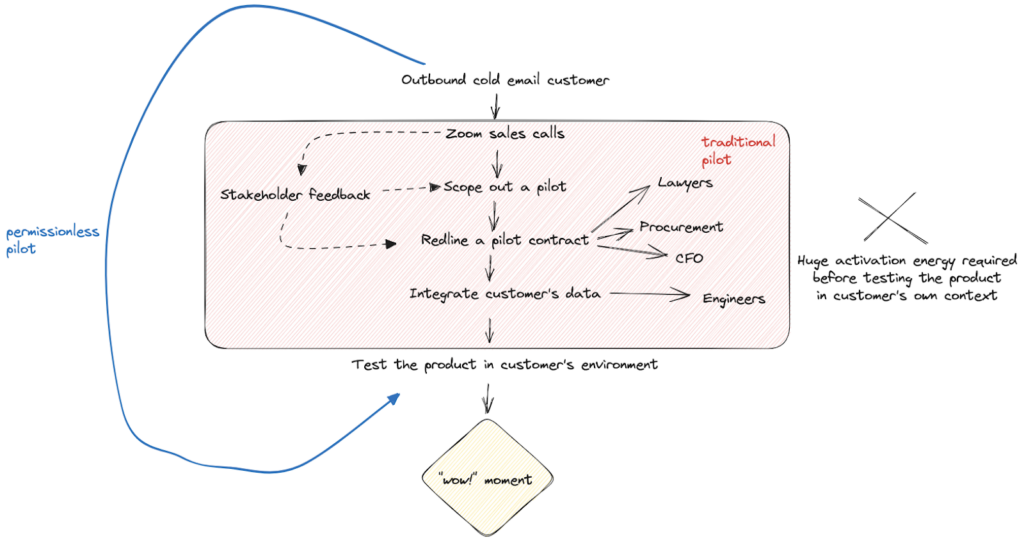
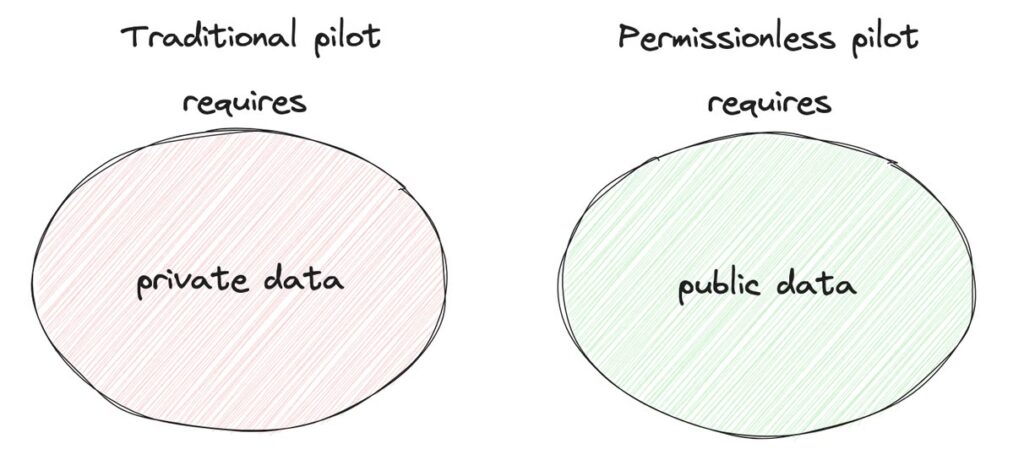
In response to these systemic delays, innovative startups have engineered a structural workaround: the permissionless pilot. By definition, a permissionless pilot is an automated product demonstration that leverages publicly available, customer-specific data to deliver an immediate, contextualized demonstration of value.
Rather than demanding that a prospect sign non-disclosure agreements, complete security questionnaires, or configure custom integrations, the permissionless pilot acts as an instantaneous bridge to the "wow" moment. The term "permissionless" signifies that the prospective client is not required to grant prior access, provide internal data, or expend political capital to see the software perform. The demonstration simply functions out-of-the-box using data already residing in the public domain.
The Evolution of Public Data and Technological Enablers
The viability of permissionless pilots is not merely a strategic choice; it is a byproduct of a decade-long explosion in accessible digital information and advancements in artificial intelligence. According to industry data aggregator Statista, the total volume of data created globally has scaled exponentially over the past ten years, moving from petabytes to zettabytes of structured and unstructured information.
Concurrently, breakthroughs in machine learning technologies—specifically computer vision and large language models (LLMs)—have equipped developers with the computational power to ingest, structure, and analyze vast repositories of unstructured data at scale. Where manual data processing once made customized preliminary audits economically unfeasible, modern automation allows software platforms to generate thousands of diagnostic reports autonomously. This technological shift has transformed public data into a potent go-to-market asset.
Real-World Implementation: The Emerge Tools Case Study
The practical application of permissionless pilots is best illustrated by market participants such as Emerge Tools, a mobile application performance management (APM) and optimization platform. Founded to help development teams reduce mobile application binary sizes, Emerge faced a formidable sales hurdle. Enterprise mobile engineering groups are notoriously protective of their source code and development pipelines, meaning traditional sales cycles required navigating layers of engineering and procurement approvals before any evaluation could begin.
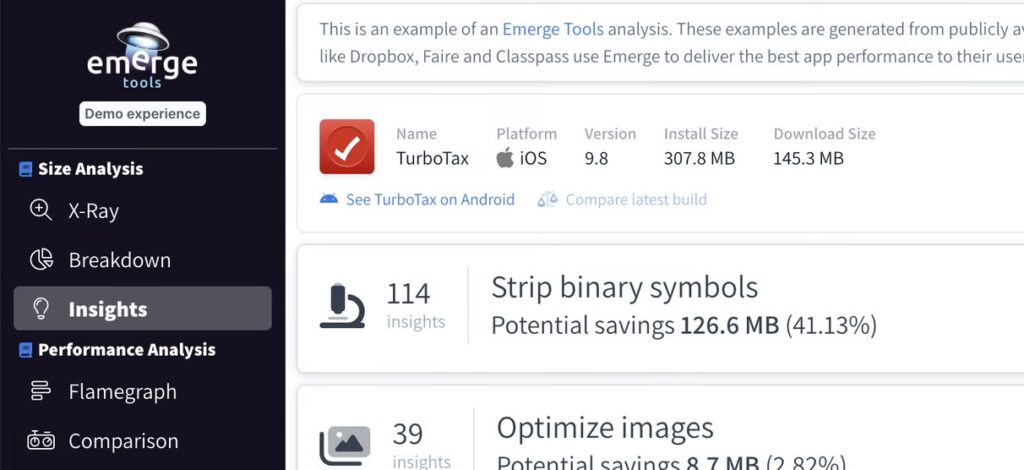
To circumvent this barrier, the Emerge team developed an automated system capable of reverse-engineering the publicly available binaries of native mobile applications directly from the iOS and Android app stores. By utilizing public files rather than proprietary enterprise data, Emerge could instantly generate diagnostic insights for prospective clients without requiring their direct participation.
For instance, the platform developed automated public analysis pages for major applications—such as the TurboTax iOS application—identifying potential size reductions exceeding 40 percent. Intuit, the corporate parent of TurboTax, was not required to surrender internal databases, redline legal agreements, or authorize technical integration teams to receive this diagnostic value.
Scaling Content and Generating Organic Inbound Growth
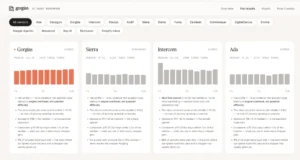
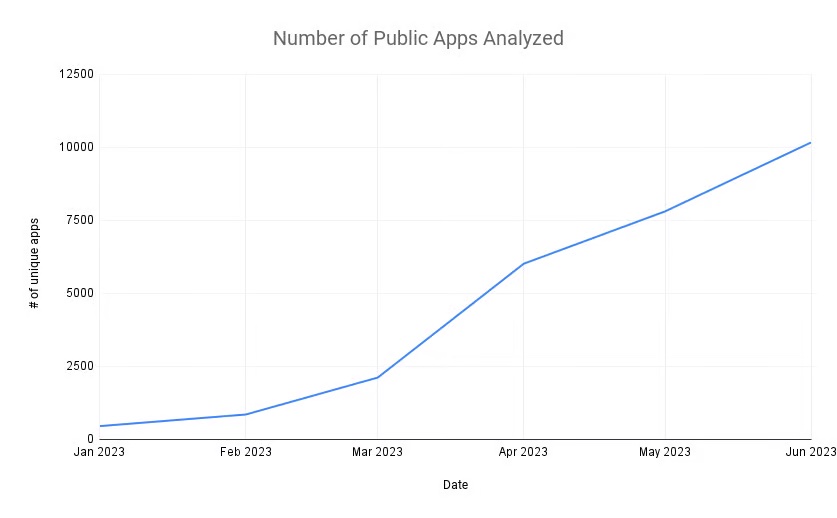
By the beginning of 2023, Emerge systematically expanded this capability, scaling its automated analyses from approximately 500 public applications to over 10,000. Each generated analysis was published to a unique, indexable URL, effectively turning every targeted enterprise application into an interactive, self-guided product demonstration.
This infrastructure served a dual purpose: functioning simultaneously as a technical diagnostic tool and an engine for organic content marketing. The company utilized these insights to publish deep-dive technical blogs, case studies, and social media threads. Because the underlying data pertained directly to recognizable consumer brands and developer ecosystems, prospective users frequently shared the reports internally via collaboration platforms like Slack.

The compounding effect on customer acquisition was substantial. Over the course of a single year, this strategy drove a 400% increase in organic search traffic, keyword visibility, and community engagement metrics. More importantly, it directly accelerated enterprise contract closures. Rather than engaging in lengthy discovery calls with sales representatives, technical buyers could independently review concrete performance metrics relevant to their own applications, leading to faster consensus and shorter sales cycles.
Cross-Industry Applicability and Strategic Frameworks
While the mobile application sector provides a clear template, the underlying mechanics of permissionless pilots can be adapted across a diverse array of B2B verticals. Startups operating in search engine optimization (SEO), e-commerce infrastructure, cybersecurity, financial technology, and web-based marketing are increasingly finding ways to leverage publicly accessible data to demonstrate immediate ROI.
For example, companies specializing in digital marketing personalization can allow prospective clients to preview customized landing page modifications using publicly indexed website URLs prior to account creation. Similarly, regulatory technology and forensic accounting firms can utilize public filings from regulatory bodies like the Securities and Exchange Commission (SEC) to highlight compliance anomalies in a prospect’s public reporting before initiating formal outreach.
Founders seeking to implement a permissionless pilot model are advised to follow a systematic ideation framework:
- Catalog all public data sources relevant to the target industry or product use case.
- Formulate a core technical hypothesis: Assuming zero access to proprietary internal data, what valuable insight can be derived exclusively from available public repositories?
- Design an automated, low-friction demonstration that highlights the unique utility of the software in a recognizable context.
Implications and Strategic Considerations
The emergence of the permissionless pilot signals a broader maturation in enterprise software distribution, moving away from high-touch, human-driven sales models toward product-led growth strategies augmented by artificial intelligence. By reducing time-to-value to zero, startups can effectively bypass the traditional gatekeepers of enterprise procurement during the initial phases of customer evaluation.
However, industry analysts note that the deployment of permissionless pilots requires careful execution. Because these demonstrations operate on public information without prior vendor consent, companies must ensure their analytical outputs maintain a constructive, highly accurate, and professional tone. When executed correctly, permissionless pilots transform the sales process from an antagonistic negotiation into an immediate demonstration of technical competence, fundamentally altering how enterprise software is evaluated and acquired in the digital economy.