From Queens to Global Retail: How holiCHIC Transformed Cultural Fusion into a Multi-Million Dollar Fashion Powerhouse

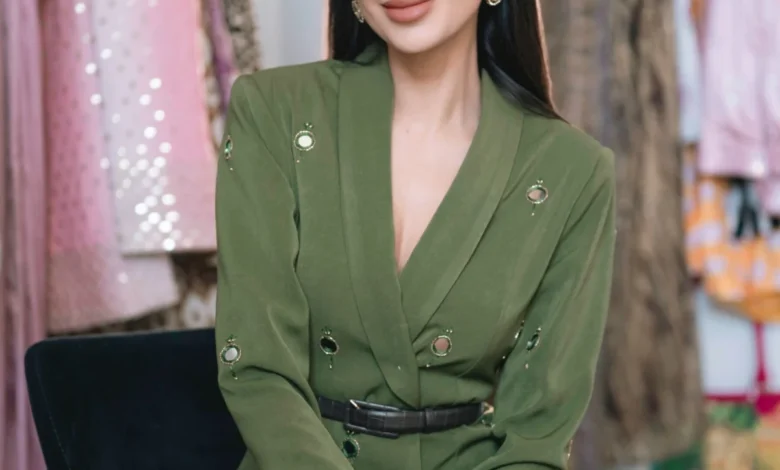
The trajectory of modern fashion is increasingly defined by brands that successfully bridge the gap between traditional heritage and contemporary Western aesthetics. At the forefront of this movement is holiCHIC, a brand founded by Megha Rao that has evolved from a personal creative outlet in Queens, New York, into a recognized name in mainstream luxury retail. By blending the intricate artistry of South Asian saris with the structural silhouettes of modern blazers, leather, and denim, Rao has tapped into a burgeoning market of cross-cultural consumers. Following nearly a decade of disciplined bootstrapping, the company reached a significant inflection point in 2026, securing $1.5 million in seed funding—a capital injection that has served as a catalyst for a 47% increase in sales and a strategic expansion into major retail ecosystems including Nordstrom and Amazon Fashion.
A Decade of Organic Growth: The Bootstrapping Phase
Megha Rao’s journey into entrepreneurship did not begin in a venture capital boardroom, but rather through the necessity of self-expression. A former professional in the finance sales sector, Rao utilized her analytical background to navigate the volatile landscape of the fashion industry without external capital. For nearly ten years, she operated holiCHIC as a lean, bootstrapped enterprise. This period of slow-burn growth allowed the company to cultivate a loyal, organic community of followers who resonated with the brand’s unique design philosophy.
In the retail industry, bootstrapping is often viewed as a double-edged sword. While it forces founders to maintain strict fiscal discipline, it also limits the ability to scale rapidly in response to market demand. Rao navigated these cycles by focusing on direct-to-consumer sales, which allowed her to retain total creative control and avoid the dilution of equity during the formative years of the brand. However, as the brand’s reach expanded, the need for institutional support became clear, particularly as she sought to enter the high-stakes world of national department store partnerships.
The Nordstrom Breakthrough: A Case Study in Persistence
The turning point for holiCHIC arrived in 2023, following a persistent campaign by Rao to capture the attention of Nordstrom buyers. Understanding that the brand needed a physical presence to prove its viability to larger retail partners, Rao pursued a pop-up opportunity at the Nordstrom New York flagship store. The timing was strategic: the event was scheduled to coincide with the Diwali season, a period of heightened consumer interest in cultural fashion.
The performance of the pop-up exceeded initial sales projections, providing empirical evidence to Nordstrom’s procurement teams that the brand possessed cross-demographic appeal. Data from the event indicated that a significant portion of the customer base did not identify as South Asian, highlighting the brand’s ability to transcend its niche origins and appeal to a broader fashion-forward audience. This success was the primary driver for the subsequent online partnership with Nordstrom, effectively validating the brand’s transition from a boutique operation to a national retail entity.
Strategic Capital: The 2026 Seed Round
In May 2026, holiCHIC secured a $1.5 million seed round, a move that signaled the company’s intent to move from a stable small business to a high-growth scale-up. Unlike many founders who seek multiple institutional investors, Rao opted for a single angel investor who shared her long-term vision. This decision reflects a calculated effort to minimize administrative friction and preserve the core identity of the brand.
According to financial analysts observing the retail sector, single-investor rounds can often be more advantageous for lifestyle brands, as they allow the founder to focus on operational execution rather than managing the competing interests of a syndicate of venture capitalists. Since the infusion of this capital, holiCHIC has reported a 47% surge in revenue, which management attributes to the strategic allocation of funds toward influencer marketing and the development of the holiCHIC Men’s line.
Operational Strategy and Market Expansion
The deployment of the $1.5 million in capital is structured around three primary pillars: digital marketing, product diversification, and global footprint expansion. Rao has identified TikTok Shop and Amazon Fashion as critical channels for driving the next phase of growth. By leveraging influencer strategies, the brand aims to tap into the high-intent shopping habits of Gen Z and Millennial demographics.
The expansion into the men’s market represents a significant tactical pivot. Market research suggests that fashion-conscious men are increasingly looking for pieces that blend formalwear with cultural motifs, a segment that remains underserved in the current retail landscape. By applying the same design language that made their women’s collections successful—specifically the fusion of luxury textiles with modern tailoring—holiCHIC is positioning itself to capture a significant share of this evolving market.
Beyond the North American borders, the brand has set its sights on the United Kingdom, India, and the Middle East. These regions represent logical next steps given the existing global interest in cross-cultural apparel. However, Rao maintains a disciplined approach to this international growth, emphasizing that domestic success in the U.S. and Canada must remain the foundation for global scaling.
Lessons in Entrepreneurial Scaling
Rao’s advice to emerging founders centers on the concept of "momentum." Her philosophy is rooted in the belief that capital should be used to amplify existing success rather than to create it from scratch. This "fuel, don’t find" approach is becoming a popular counter-narrative to the "growth at all costs" mentality that characterized the venture capital landscape in the early 2020s.
From a business analysis perspective, the success of holiCHIC offers several key takeaways for founders operating in the retail and e-commerce space:
- Proof of Concept through Data: Before seeking capital, founders should secure tangible partnerships that prove market demand. The Nordstrom pop-up served as a de-risking event that made the $1.5 million investment more attractive to the backer.
- Lean Infrastructure: By bootstrapping for a decade, the company developed a robust operational structure that could handle increased order volumes without collapsing. This "stress-testing" of supply chains is essential before scaling.
- Targeted Partnerships: Choosing an investor who understands the specific nuances of the fashion industry is crucial. The alignment between Rao’s long-term vision and her angel investor’s support has allowed for a focus on product quality and brand integrity.
- Diversification of Revenue Streams: By balancing direct-to-consumer sales with retail partnerships like Nordstrom and Amazon, the brand has built a diversified revenue model that is more resilient to the cyclical nature of retail.
Future Outlook and Industry Implications
The fashion industry is currently witnessing a paradigm shift as consumers increasingly value brands that reflect their personal heritage while adhering to modern standards of fit and style. The success of holiCHIC illustrates that the "cultural fusion" category is no longer a niche, but a viable, high-growth sector of the global apparel market.
As the company looks toward the end of the current fiscal year, the focus remains on operational efficiency and the strengthening of its retail team. Rao has indicated that she will not consider further fundraising until the company achieves a fivefold increase in revenue. This commitment to sustainable growth suggests that holiCHIC is prioritizing long-term brand equity over short-term valuation spikes.
The implications for the broader retail industry are clear: legacy retailers are increasingly looking to agile, culturally-conscious brands to refresh their inventory and engage new demographics. For entrepreneurs like Megha Rao, the path forward involves maintaining the balance between the "Queens-born" authenticity that started the brand and the sophisticated, data-driven operations required to compete on a global stage. As the retail landscape continues to evolve, the ability of brands like holiCHIC to successfully navigate the transition from bootstrapping to institutional-backed scaling will likely serve as a blueprint for the next generation of fashion founders.