KBCM Technology Group Releases Landmark COVID Edition SaaS Survey Detailing Industry Resilience and Market Shifts


The Software-as-a-Service (SaaS) sector has long relied on empirical data to navigate the complexities of rapid technological scaling, capital allocation, and market expansion. In an unprecedented economic landscape defined by the onset of a global pandemic, the demand for reliable operational benchmarks has never been more critical. For the eighth consecutive year, industry publication forEntrepreneurs has partnered with KBCM Technology Group—formerly known as Pacific Crest Securities—to produce the definitive benchmarking report for the software industry. Spearheaded by David Spitz and the analytical team at KBCM, the newly published 2020 SaaS Survey: COVID Edition provides a comprehensive examination of how private software companies weathered the initial shockwaves of the novel coronavirus pandemic and adapted to a radically altered commercial environment.
Background Context and Evolution of the Survey
Originating in 2010 as the Pacific Crest SaaS Survey under the stewardship of KeyBanc, the report was initially conceived to fulfill a vital industry need: providing executives, founders, and venture capital investors with standardized, trustworthy metrics to measure financial health, operational efficiency, and go-to-market strategies. Over the past decade, as the SaaS business model transformed from an emerging alternative to the dominant paradigm of enterprise software delivery, the survey evolved alongside it. It established itself as the gold standard for performance metrics, including Annual Recurring Revenue (ARR) growth rates, Customer Acquisition Costs (CAC), Net Revenue Retention, and Magic Numbers.
The arrival of COVID-19 in early 2020 introduced unprecedented volatility to global markets, abruptly altering demand cycles, sales pipelines, and capital availability. Recognizing that historical baseline data from 2019 would be insufficient for decision-making in this new reality, KBCM Technology Group and its collaborators completely redesigned the 2020 survey instrument. The primary objective was to capture real-time market dynamics: identifying who was prospering, who was struggling, and how private SaaS organizations were dynamically restructuring their operations to survive and outpace competitors in a constrained economic climate.
Methodology and Chronology of the 2020 Study
The empirical foundation of the COVID Edition rests upon detailed responses from over 500 private SaaS companies. Data collection took place during a concentrated window from mid-June through early July 2020, capturing baseline performance metrics spanning the entirety of the 2019 fiscal year and extending year-to-date through May 31, 2020.
Because market disruptions caused by the public health crisis were understood to be in their nascent stages during the initial data gathering, the research team instituted a longitudinal tracking mechanism. Rather than treating the research as a static, one-time check-in, KBCM established unique cryptographic code names for participating entities. This innovative protocol allows researchers to re-engage the same cohort of companies over successive quarters and years to track longitudinal progression, evaluate long-term strategic pivots, and maintain absolute confidentiality and anonymity for all participating enterprises.
Comparative Analysis: 2019 Versus the Pandemic Era
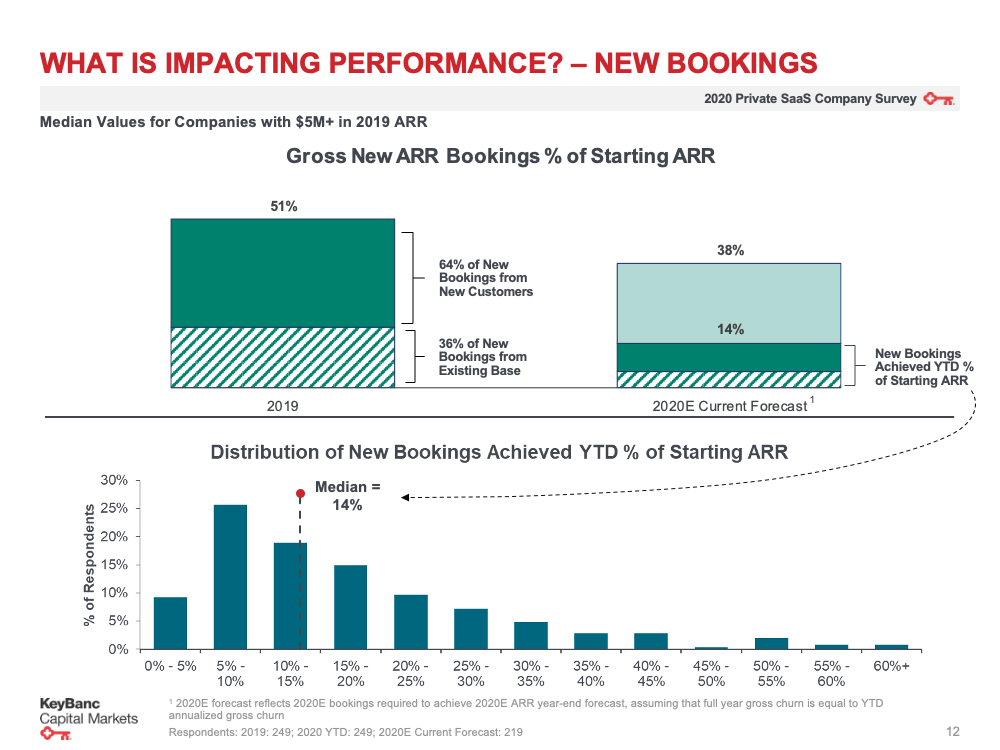
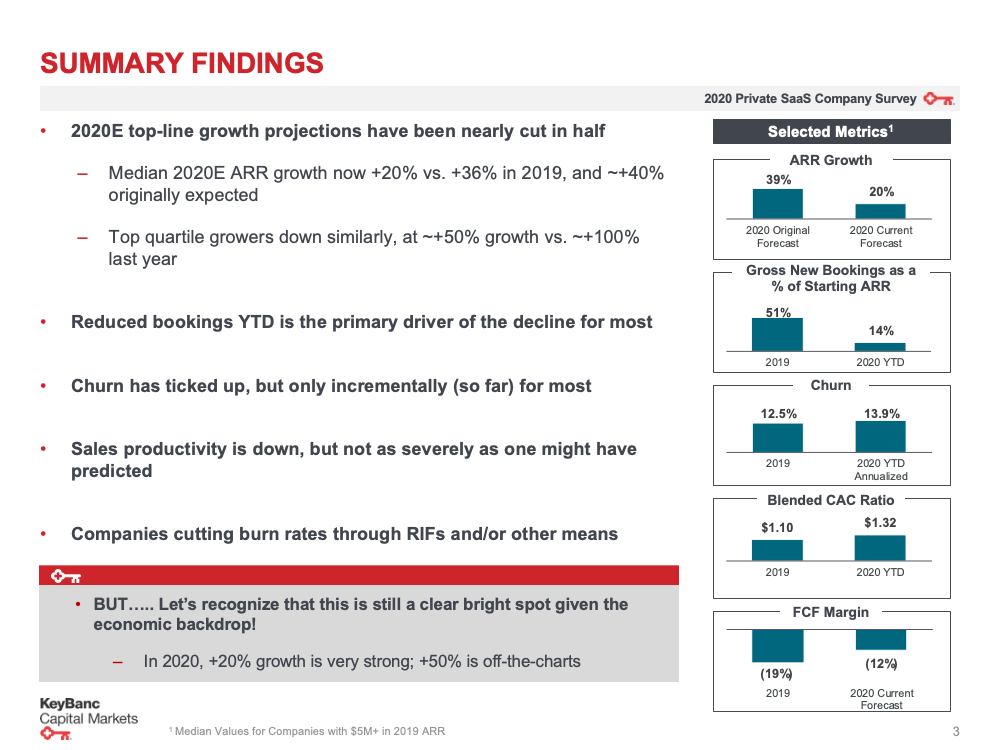
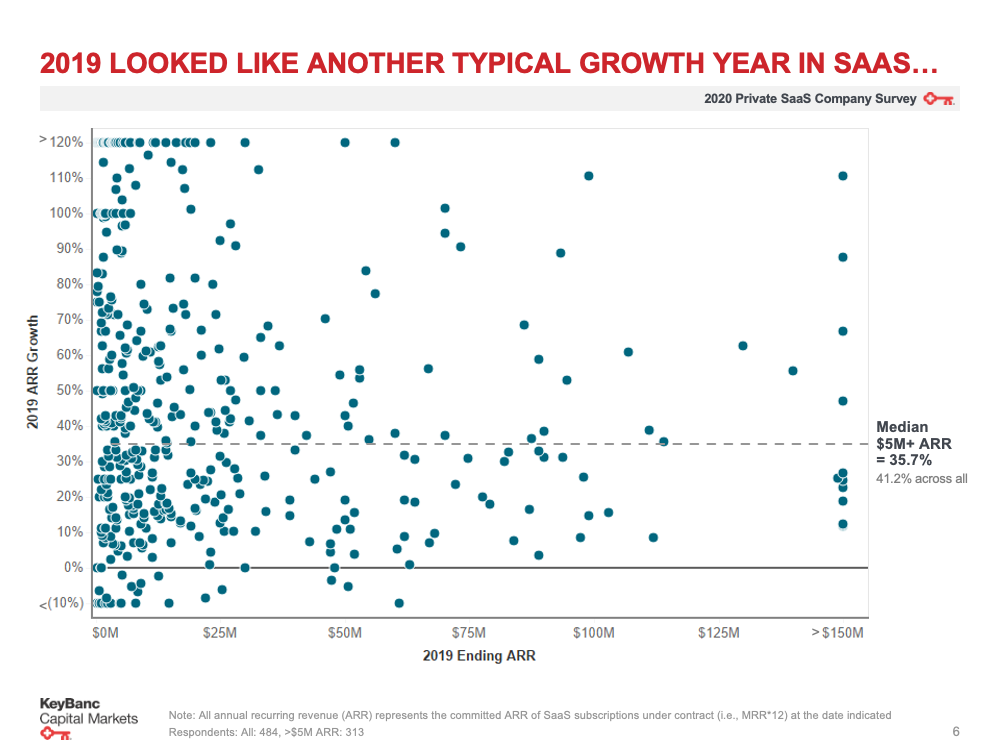
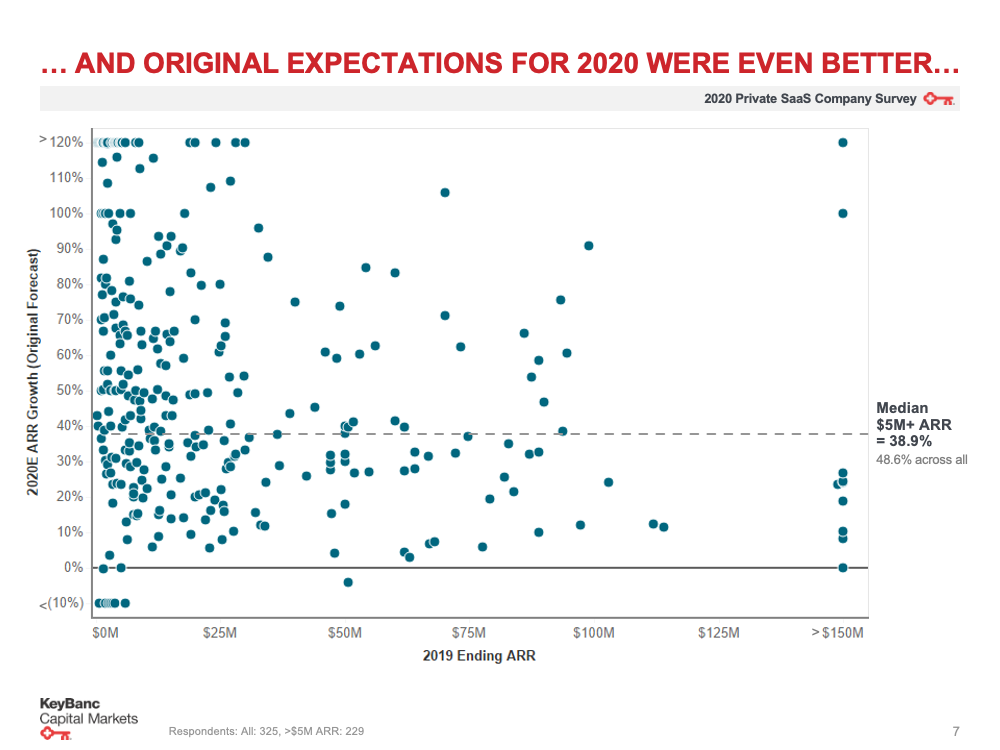
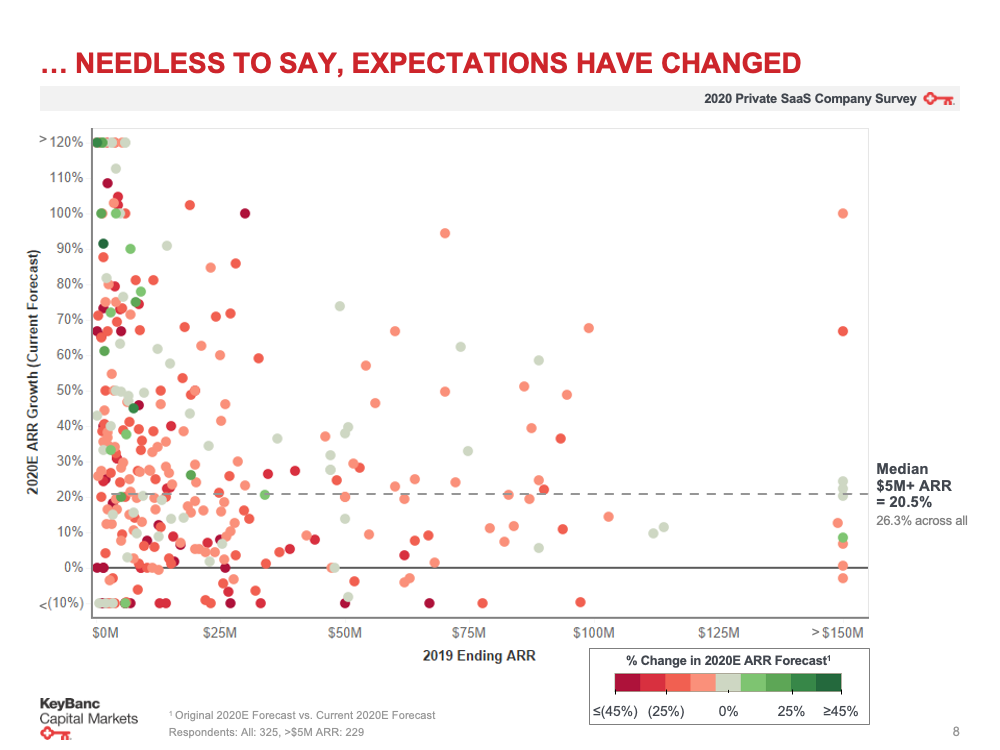
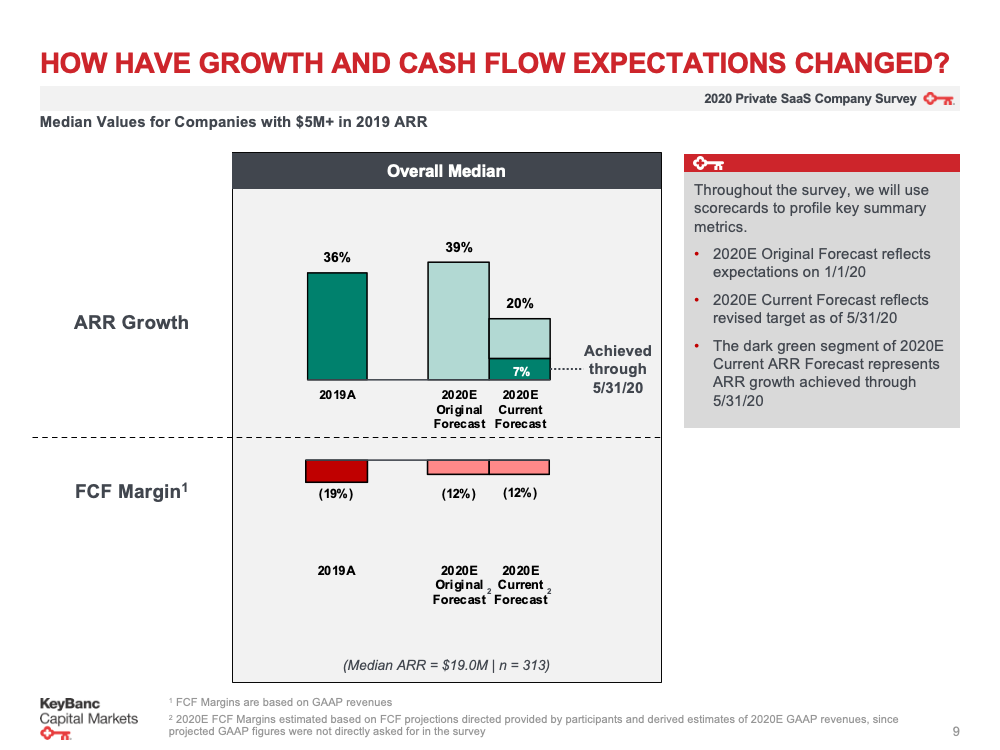
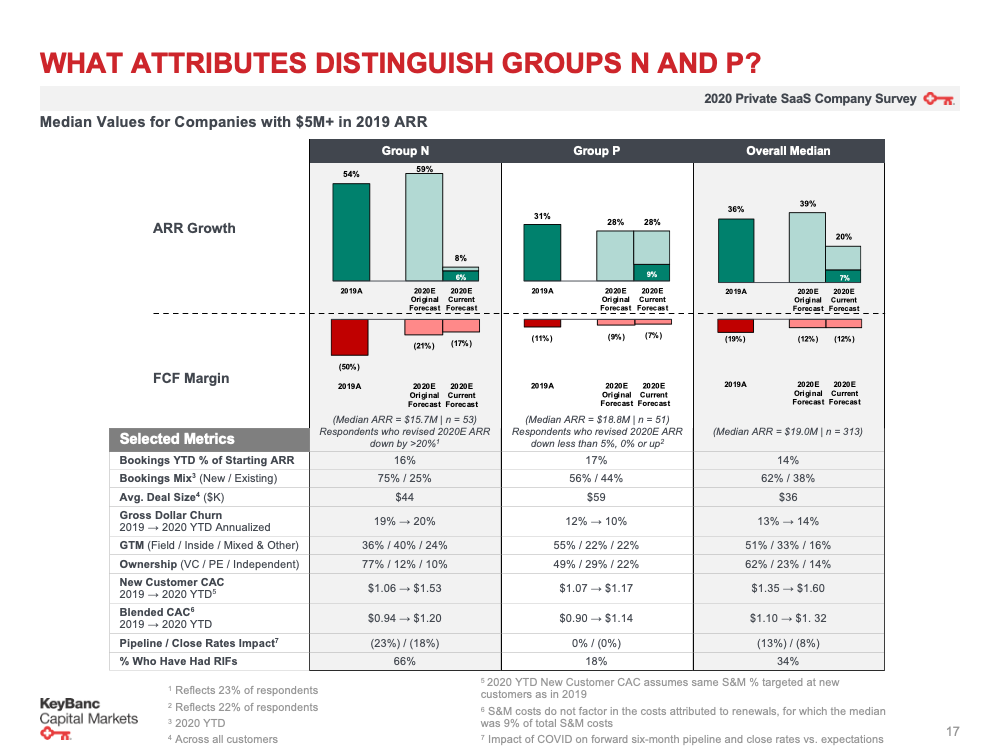
A central theme emerging from the data is the stark dichotomy between historical performance and the operating environment of 2020. While 2019 was characterized by robust, predictable top-line growth, abundant venture capital liquidity, and aggressive headcount expansion, the first half of 2020 forced a sudden pivot toward capital preservation, operational efficiency, and cash flow management.
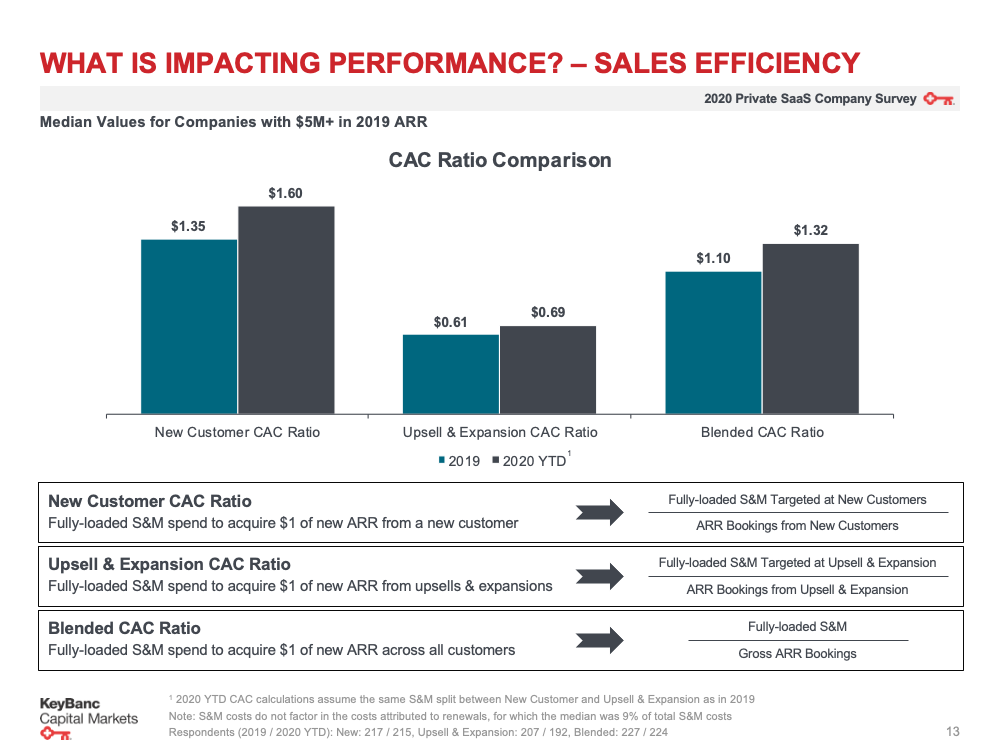
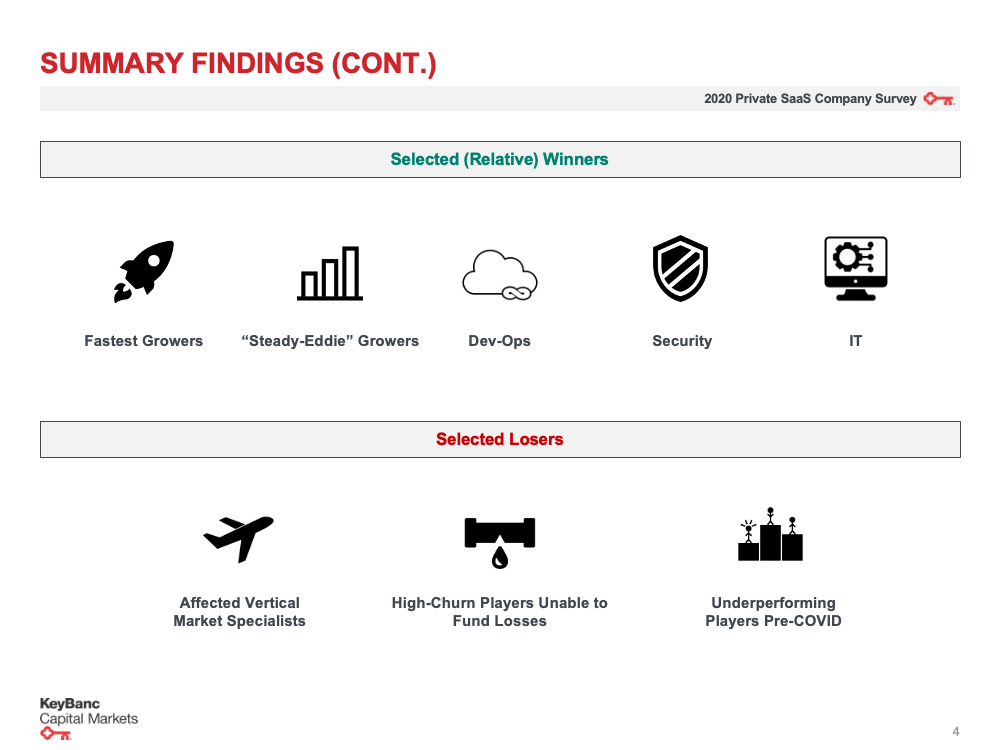
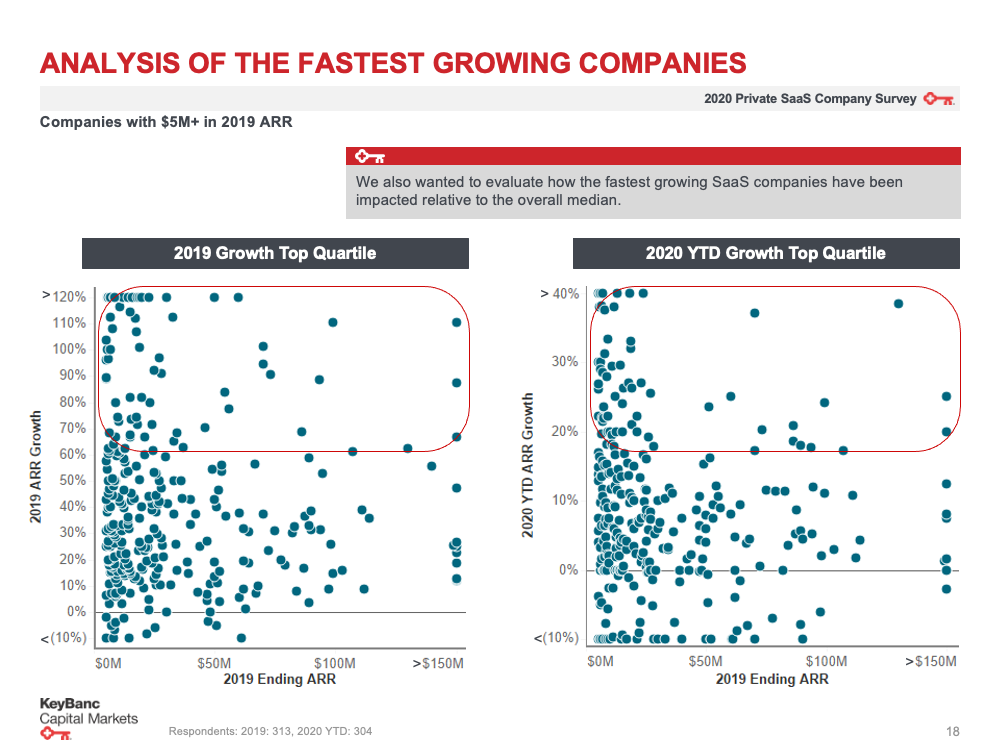
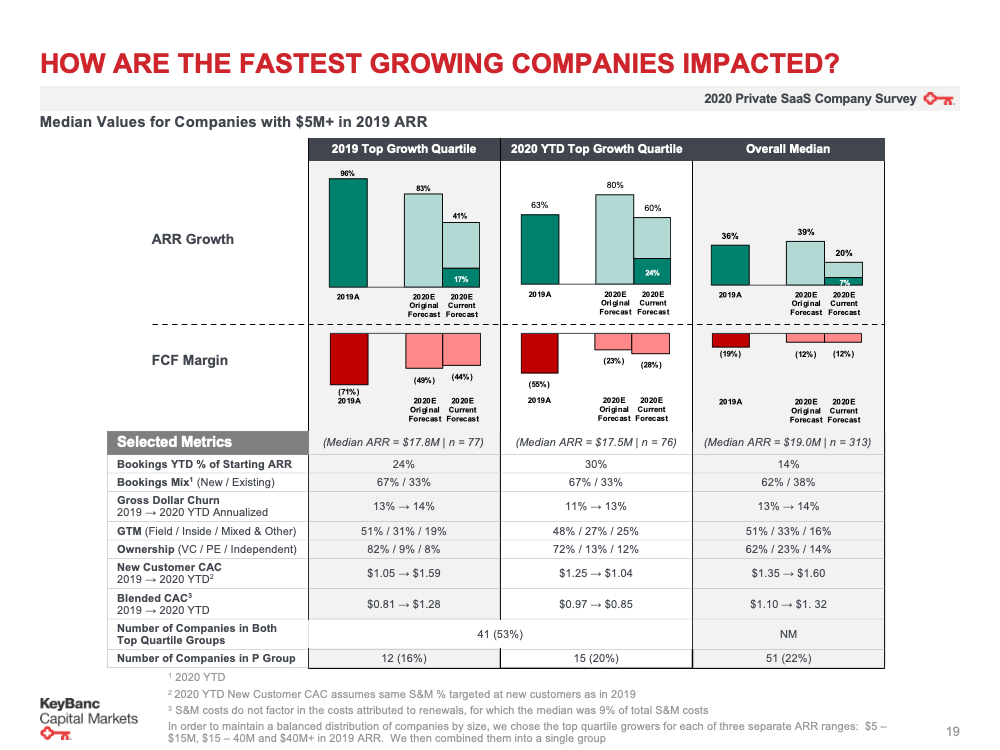
Respondents reported immediate friction in enterprise sales cycles, particularly regarding new customer acquisition. As corporate buyers froze discretionary spending budgets and delayed long-term software implementations, early-stage pipeline generation slowed significantly. Conversely, companies providing essential remote-work infrastructure, digital collaboration tools, and cybersecurity solutions experienced a surge in demand, illustrating a profound bifurcated impact across different vertical markets.
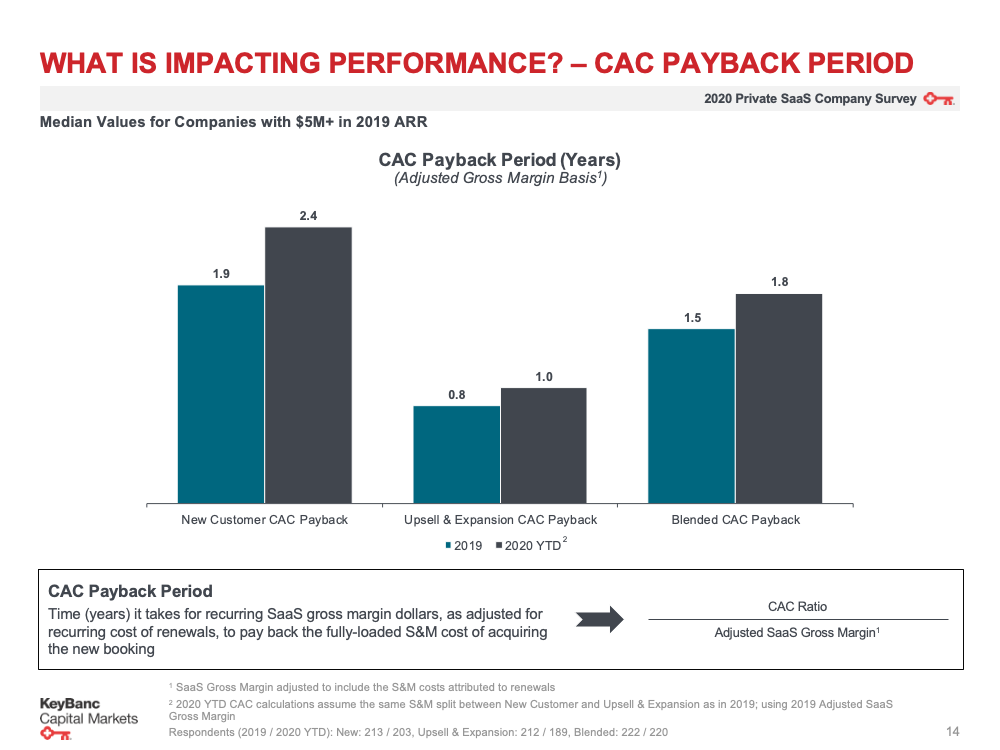
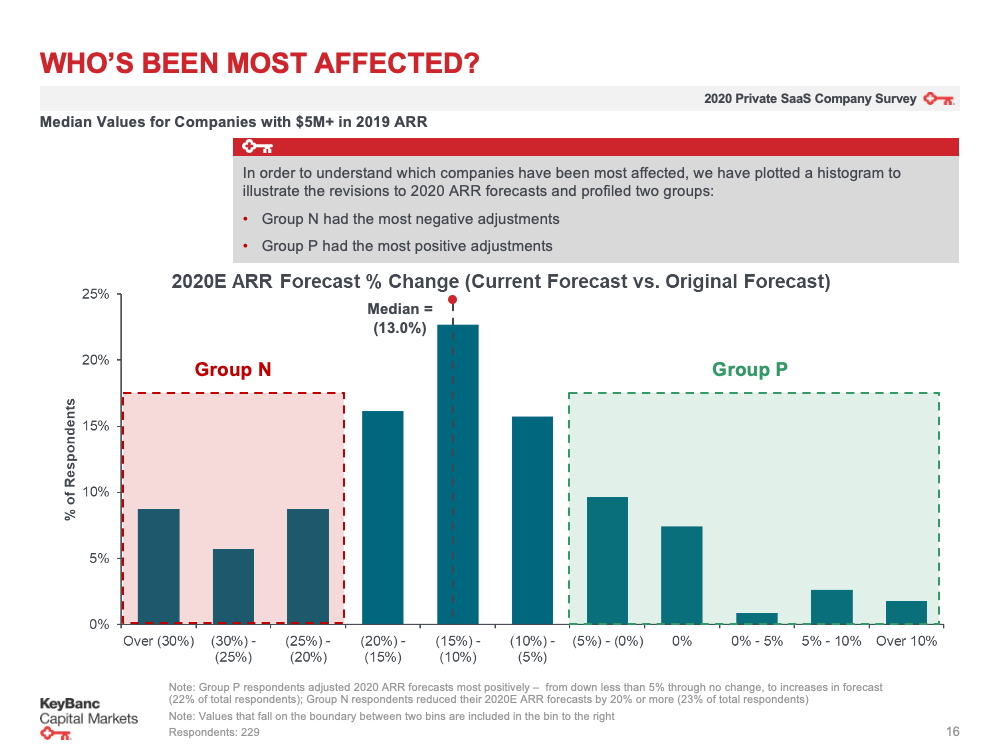
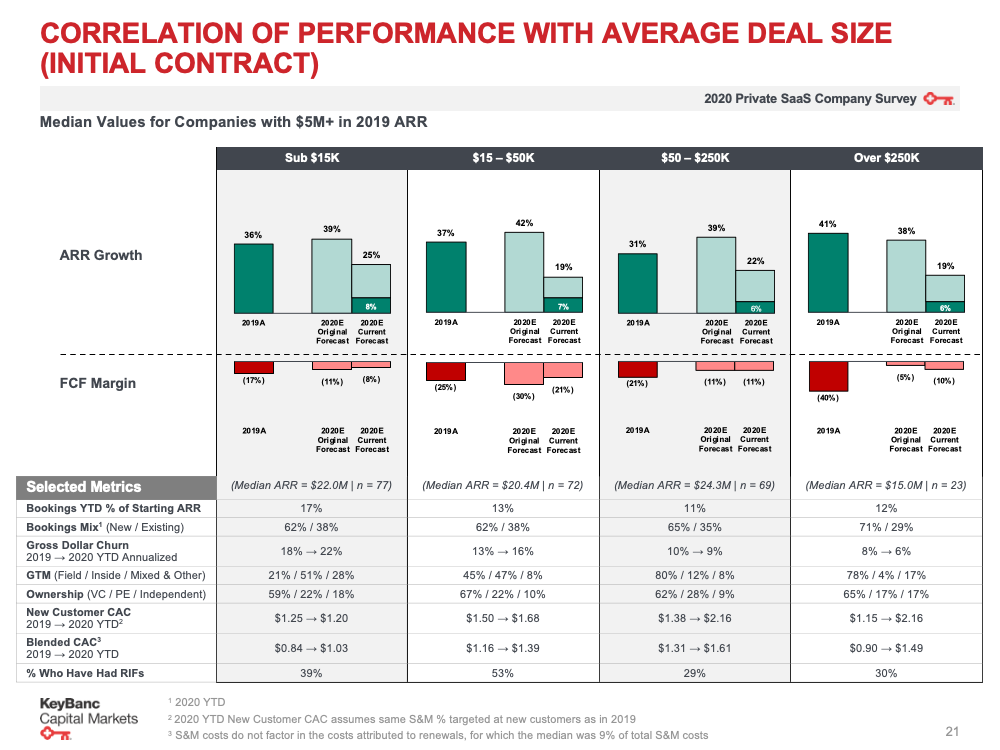
The survey data meticulously categorizes these variances, mapping out how median growth rates shifted across different revenue tiers. While mature SaaS companies with established enterprise moats demonstrated remarkable resilience through high net revenue retention rates, earlier-stage startups with burning cash reserves faced difficult choices regarding workforce reductions, marketing expenditure curtailment, and valuation adjustments during fundraising rounds.
Operational Responses and Strategic Pivots
Faced with severe macroeconomic uncertainty, private SaaS executive teams reacted swiftly to safeguard their balance sheets. The survey highlights several key tactical responses enacted during the initial months of the pandemic:
- Expense Rationalization: A vast majority of respondents immediately audited operational expenditures, resulting in scaled-back marketing campaigns, optimized cloud infrastructure costs, and a temporary freeze on non-essential corporate travel and entertainment.
- Headcount Management: While elite outperformers continued strategic hiring in core engineering and product roles, many mid-tier and struggling companies implemented headcount freezes, salary reductions, or targeted layoffs to extend their cash runways.
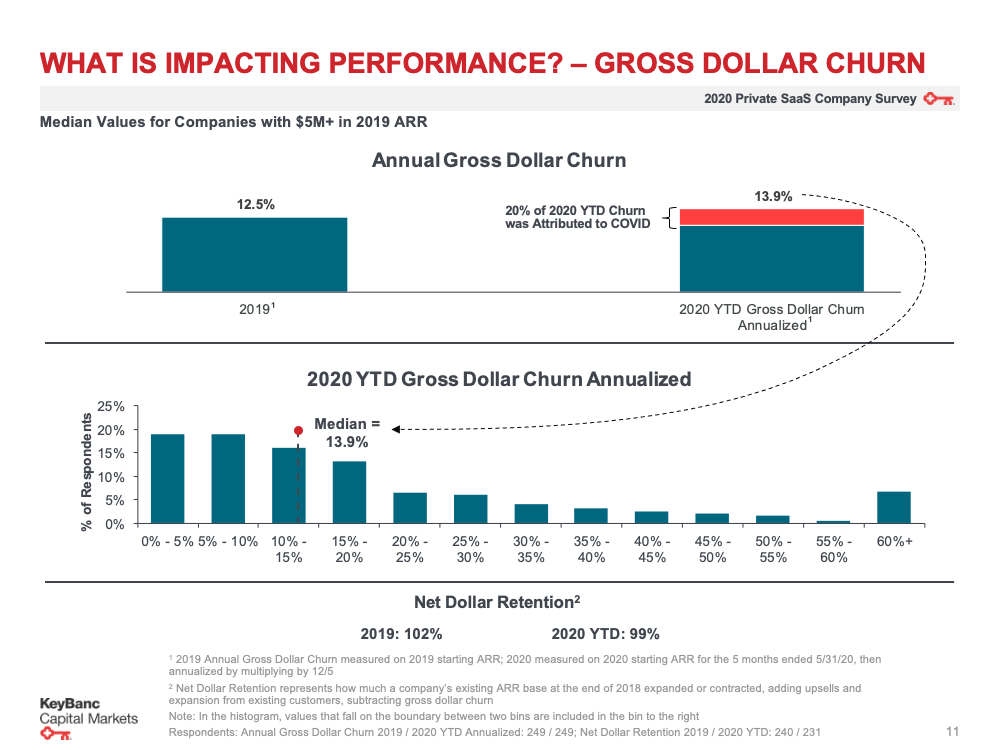
- Pricing and Contracting Flexibility: To combat rising churn and alleviate pressure on cash-strapped customers, many SaaS providers introduced creative commercial terms, including deferred payment structures, shorter contract commitments, and usage-based pricing models to maintain customer relationships.
Industry Perspectives and Expert Commentary
Financial analysts and venture capital investors monitoring the release of the KBCM survey have emphasized the importance of distinguishing between structural market changes and temporary cyclical shocks. Industry observers note that while the pandemic accelerated pre-existing digital transformation trends—such as cloud migration and automated workflow digitization—it also exposed underlying vulnerabilities in capital-inefficient business models.
David Spitz and the KBCM research collective underscored that outperformance in the COVID era is defined not solely by raw top-line growth, but by the "Rule of 40" efficiency metric, gross margin stability, and net retention performance. Companies that maintained strong customer retention despite macroeconomic headwinds proved to be the most attractive assets for private equity and late-stage venture capital investors seeking safe havens amidst market turmoil.
Broader Implications for the SaaS Ecosystem
The release of the 2020 KBCM SaaS Survey: COVID Edition serves as more than a historical artifact of a turbulent year; it offers a strategic roadmap for navigating future economic uncertainties. The data underscores the maturation of the SaaS sector, demonstrating that disciplined financial management, high gross retention, and customer-centric product adaptation are critical pillars for enduring enterprise value.
As the software industry continues to evolve in the post-pandemic era, benchmarks established in this landmark edition remain foundational for executive leadership teams benchmarking their operational efficiency against peer groups. Stakeholders seeking a granular, data-driven analysis of these trends are encouraged to review the comprehensive findings available directly through the KBCM Technology Group and forEntrepreneurs research portals.
Related posts: