The AI Retention Paradox: Why Fast-Growing SaaS Startups Are Facing an Unprecedented Churn Wave

The modern software-as-a-service landscape is undergoing a structural transformation driven by artificial intelligence, altering the fundamental dynamics of user acquisition and product interaction. While traditional onboarding required days or weeks of configuration, data migration, and steep learning curves, contemporary AI-native applications compress this timeline into minutes. Users are experiencing their first decisive moments of utility almost immediately upon logging in, mirroring the distribution revolution once triggered by the shift to mobile computing.
However, recent empirical data reveals a troubling dichotomy at the heart of this growth. According to comprehensive market research published by subscription analytics firm ChartMogul, software companies leveraging AI-native workflows are scaling at unprecedented speeds—frequently demonstrating a three times higher likelihood of reaching $1 million in annual recurring revenue (ARR) within their first six months of operation. Yet, these same high-velocity enterprises are experiencing significantly weaker net revenue retention (NRR) and higher early-stage churn rates compared to their traditional SaaS predecessors. This phenomenon, increasingly referred to in technology circles as the "AI Churn Wave," has forced venture capitalists, product architects, and startup founders to reevaluate what user activation genuinely signifies in an automated economy.

The Evolution of the Activation Problem
To understand the current volatility in retention metrics, industry analysts point to how the definition of user activation has shifted over the past decade. Historically, the primary barrier to software adoption was the "empty-state" problem—a blank canvas requiring extensive manual setup before yielding any tangible return on investment. Users routinely abandoned platforms during initial configuration phases because the cognitive load of implementation outweighed the perceived future value.
Product-led growth (PLG) strategies spent years attempting to streamline these pathways by minimizing form fields, introducing interactive product tours, and reducing time-to-value (TTV). Artificial intelligence has effectively bypassed this friction entirely. Modern applications now allow users to articulate their objectives through natural language prompts, instantly generating fully populated dashboards, synthesized reports, or functional codebases within seconds.
While this instant gratification drastically improves first-session engagement metrics, industry strategists note that it introduces a subtler, more insidious vulnerability. When an algorithm performs the heavy lifting of initial creation, the user is relegated to a passive observer. In traditional software models, the manual labor of data entry and workflow configuration, however frustrating, inadvertently forced users to build a mental model of the platform. That cognitive investment created psychological ownership and embedded the tool directly into daily operational habits. When AI removes this friction completely, users may be deeply impressed by the initial output, but they fail to integrate the application into their long-term routines. Consequently, when a similar problem arises weeks later, there is no psychological anchor driving them back to the specific platform.
Four Emerging Patterns in AI-Driven Product Design
As the software sector grapples with this retention deficit, product leaders are identifying specific design patterns that successfully bridge the gap between rapid initial delivery and sustained, long-term habit formation. Companies achieving durable compounding growth are generally incorporating four core architectural frameworks:
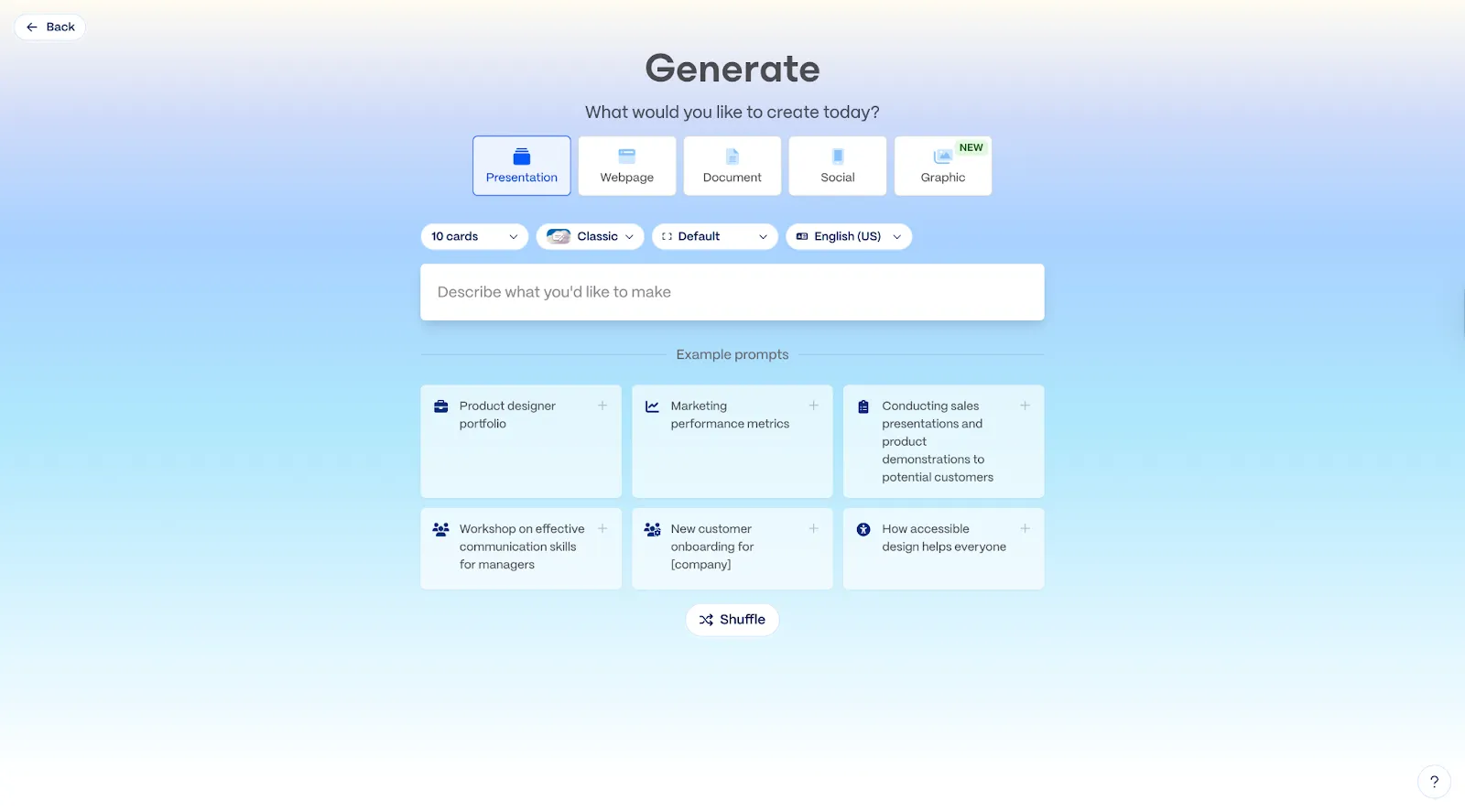
- AI-Generated First Outputs: Instead of presenting users with an empty template, leading platforms immediately generate a fully realized working artifact based on initial prompts. Presentation software like Gamma, for instance, delivers styled slide decks within seconds of user input. This shifts the psychological starting point from zero to a reactive stance, validating the user’s intent immediately.
- AI-Assisted Setup and Migration: Complex integrations and data ingestion historically choked acquisition funnels. Platforms like HubSpot and Intercom now utilize autonomous agents to construct CRM pipelines and help centers directly from unstructured company data, replacing user-driven configuration with model inference.
- Conversational Onboarding Frameworks: Rigid, linear step-by-step tutorials are being replaced by adaptive, dialogue-driven interfaces. Rather than following a predetermined script, tools like Notion’s AI assistant respond dynamically to user context, capturing genuine intent and tailoring subsequent interactions to specific operational needs.
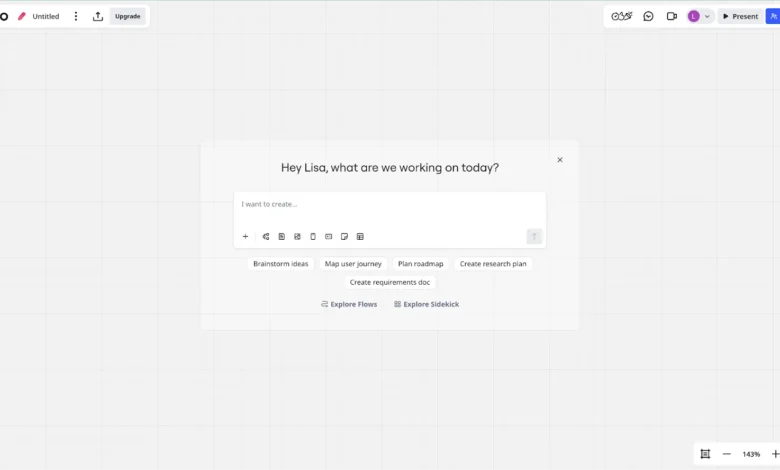
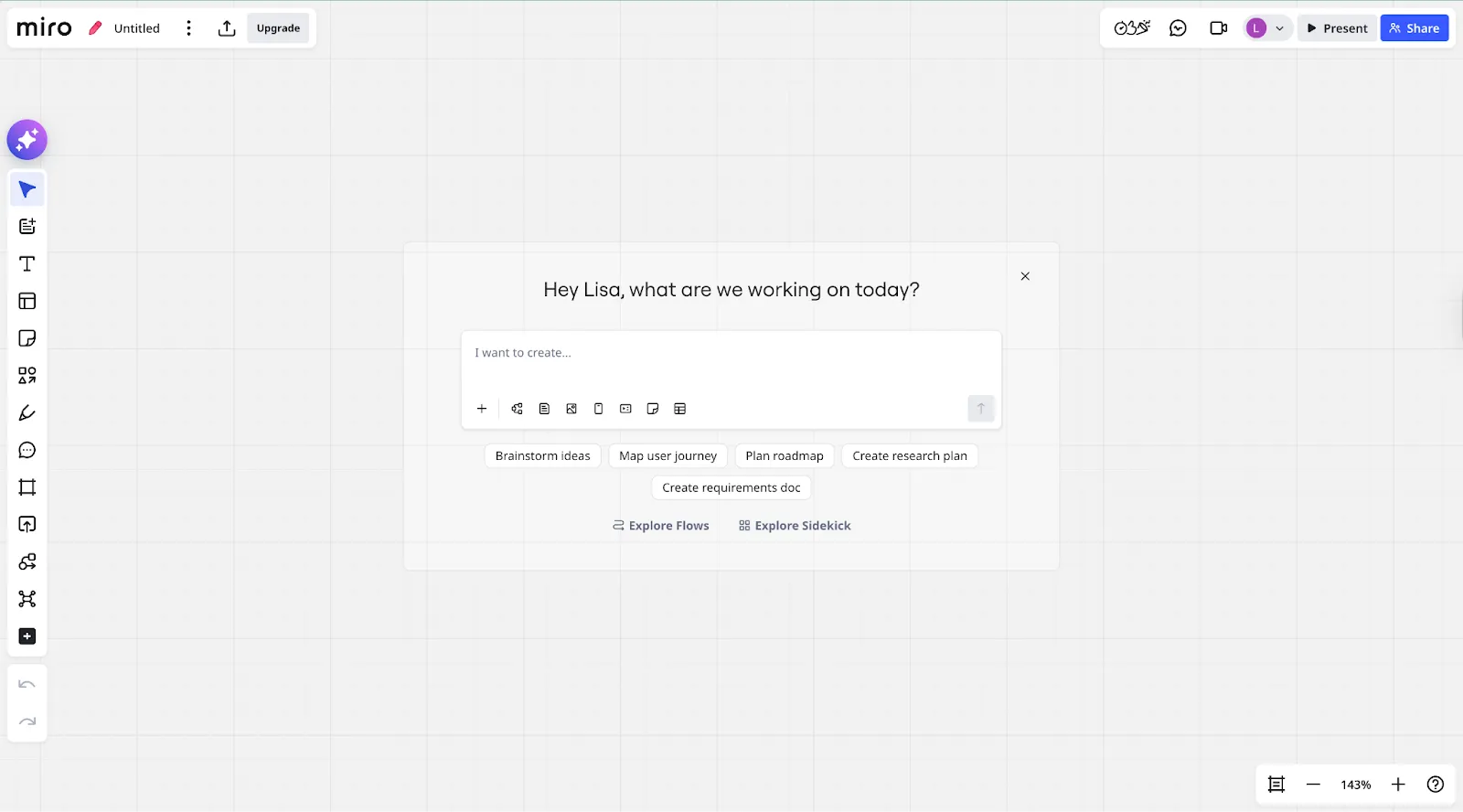
- Context-Aware Workflow Integration: The most resilient AI-native applications do not isolate intelligence within a standalone feature tab; instead, they embed context-aware processing directly into existing workflows. Collaboration tools like Miro leverage historical canvas data to summarize, cluster, and generate insights, ensuring that the software accumulates organizational context with every interaction.
Broader Implications and Strategic Adjustments
The emergence of the AI retention paradox carries significant financial implications for venture-backed technology companies. Investors and financial analysts are increasingly shifting their evaluation criteria away from raw top-line acquisition metrics and initial ARR milestones toward cohort-based retention curves at the 60-day and 90-day marks.
Industry advisors emphasize that sustainable growth requires a fundamental recalibration of internal key performance indicators (KPIs). Organizations are advised to move beyond binary definitions of activation—such as the completion of an onboarding wizard or the generation of a single automated output—and instead measure downstream behavioral thresholds. True activation, market experts argue, occurs only when a user actively edits, shares, exports, or repeatedly returns to interact with an AI-generated artifact.
Furthermore, building long-term retention necessitates the deliberate engineering of return triggers. While traditional software established switching costs through proprietary databases and locked-in historical records, AI-native applications must generate switching value through accumulated contextual intelligence. As algorithms learn an organization’s specific preferences, nomenclature, and working patterns over time, leaving the platform becomes operationally costly.
Ultimately, the rapid evolution of artificial intelligence has redefined the baseline expectations of enterprise and consumer software. While seamless onboarding and immediate value delivery remain essential prerequisites for market entry, they no longer guarantee long-term viability. As the software industry matures past the initial wave of generative hype, the distinction between a transient acquisition success story and a durable, compounding enterprise will depend entirely on a company’s ability to translate fleeting first-session wonder into enduring daily habit.
Related posts: