The Strategic Advantage of Premortem Analysis in Modern Leadership and Risk Mitigation

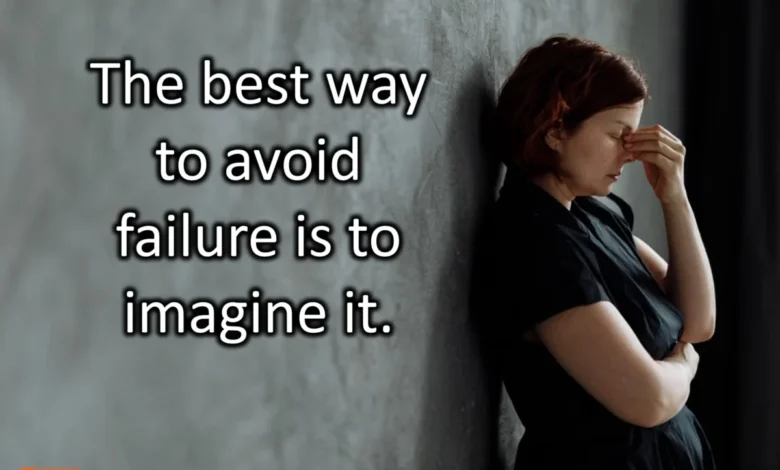
The traditional approach to project management and leadership has long been anchored in the philosophy of optimism. Executives and project managers are frequently encouraged to visualize success, maintain high levels of confidence, and focus on the trajectory of growth. However, this unwavering commitment to positive outcomes can create a dangerous cognitive blind spot known as overconfidence bias. As discussed in Matthew Confer’s recent work, The Upside of Downside Thinking, the most effective way to ensure a project’s success is not to study the wreckage of past failures, but to systematically imagine the failure of a current plan before it occurs. This methodology, often referred to as a "premortem," is gaining traction in corporate environments as a critical tool for risk management and strategic foresight.
The Psychology of Certainty and the Cost of Blind Spots
Certainty is a powerful tool for leadership, providing the conviction necessary to rally teams and secure stakeholder buy-in. Yet, history is replete with corporate disasters that were birthed from this very sense of certainty. When leaders operate under the assumption that their strategy is infallible, they often suppress dissent and ignore early warning signs. Research in organizational behavior suggests that groups are prone to "groupthink," where the desire for harmony or conformity in the group results in an irrational or dysfunctional decision-making outcome.
By the time a failure becomes apparent in a live environment, the costs—both financial and reputational—are often irreversible. Traditional "post-mortem" analysis, while useful for historical learning, offers little value to the project that has already collapsed. The shift toward a proactive, "pre-mortem" framework allows organizations to leverage the human brain’s natural ability to construct narratives, but to redirect that energy toward identifying vulnerabilities rather than reinforcing existing plans.

The RISK Framework: A Structural Approach to Anticipation
To operationalize the practice of imagining failure, Confer outlines a structured, four-step methodology known as the RISK framework. This system is designed to move beyond abstract worries and into concrete, actionable risk mitigation.
1. Recognition of Threats
The first phase involves a clear articulation of the objective. Once the goal is defined, the leader must facilitate an environment where the team feels safe to challenge the underlying assumptions of the plan. This requires a cultural shift within the organization: leaders must move away from top-down directives and instead encourage team members to engage in lateral communication. By inviting the quietest members of a team to speak, leaders can often uncover risks that were previously obscured by the loudest or most senior voices in the room.
2. Imagining the Disaster
The second phase requires a psychological "time travel" exercise. Teams are asked to project themselves six months into the future, operating under the assumption that the project has failed completely. By working backward from this hypothetical failure, the team is forced to identify the specific causal links that led to the disaster. This avoids the vague, general criticisms that often plague brainstorming sessions. Instead, it forces participants to describe a specific chain of events, which provides a roadmap of potential pitfalls.
3. Solving Vulnerabilities
Once the potential failure points are identified, the focus shifts to prioritization. It is statistically impossible to eliminate every risk, and attempting to do so often leads to "analysis paralysis." Effective management requires identifying the two or three primary threats that pose the greatest existential risk to the project. By focusing resources on these critical vulnerabilities, organizations can transition from a state of anxious prediction to one of proactive prevention.

4. Kickstarting Solutions
The final phase is the most crucial: the translation of insight into action. A identified risk is merely a worry until a mitigation strategy is assigned. This requires the formal assignment of ownership, the establishment of firm deadlines, and the scheduling of follow-up check-ins. Without these administrative controls, the insights gained from the premortem process will dissipate, leaving the organization as vulnerable as it was before the exercise.
Data-Driven Risk Management
The efficacy of premortem analysis is supported by studies in decision science. Research conducted by psychologists such as Gary Klein has demonstrated that when teams are encouraged to imagine a project has already failed, their ability to identify potential causes of failure increases by approximately 30 percent. This is largely because the exercise removes the social pressure to maintain a facade of confidence.
Furthermore, historical data on major industrial and financial projects suggests that "optimism bias"—the tendency to overestimate the likelihood of positive events and underestimate the likelihood of negative ones—is a leading cause of budget overruns and timeline delays. Organizations that implement structured risk assessment frameworks report higher levels of project resilience, as they are better equipped to handle "Black Swan" events—unforeseeable incidents that have extreme consequences.
Implications for Modern Leadership
The shift toward a more skeptical, proactive management style has significant implications for corporate culture. The most important of these is the redefinition of the "dissenter." In many organizations, those who challenge the status quo or point out potential flaws in a plan are viewed as obstacles to progress. The premortem approach forces a paradigm shift: the person who challenges a plan is no longer a disruptor but an essential contributor to its success.

Leaders who foster this environment effectively institutionalize critical thinking. They understand that while optimism is necessary to inspire action, foresight is the only mechanism that prevents regret. By thanking those who identify flaws, leaders reinforce a culture of psychological safety, where the ultimate goal is the integrity of the project rather than the protection of an individual’s ego.
Chronology and Application
While the concept of the premortem has been discussed in academic circles for years, its application has become more critical in the modern era of rapid digital transformation and volatile market conditions.
- Initial Phase (Conceptualization): The project team defines the scope and the core objective.
- The "Pre-mortem" Workshop: The team adopts the hypothetical "six months later" perspective to brainstorm failure points.
- Synthesis: Risks are aggregated and analyzed for probability and impact.
- Mitigation Strategy: Specific tasks are assigned to individual owners to address the top-tier risks.
- Continuous Monitoring: The risk register is reviewed regularly throughout the project lifecycle to ensure the mitigation strategies remain relevant.
Conclusion
The practice of imagining failure is an exercise in intellectual humility. It acknowledges that human foresight is inherently limited and that even the most well-laid plans are subject to the chaos of real-world variables. By integrating this practice into standard operating procedures, organizations can move beyond the trap of blind optimism and build a more robust, resilient foundation for success. As the business landscape continues to grow in complexity, the ability to anticipate failure may well be the defining trait of the next generation of successful leaders.
Ultimately, the goal is not to eliminate risk—which is impossible—but to manage it with a degree of sophistication that allows for the pursuit of bold goals without the threat of catastrophic, avoidable collapse. When a leader creates a space where failure can be discussed openly and without penalty, they are not undermining the project; they are providing it with the armor it needs to survive in an unpredictable world.