Building Cognitive Reserve: Strategies for Maintaining Brain Health Throughout the Lifespan

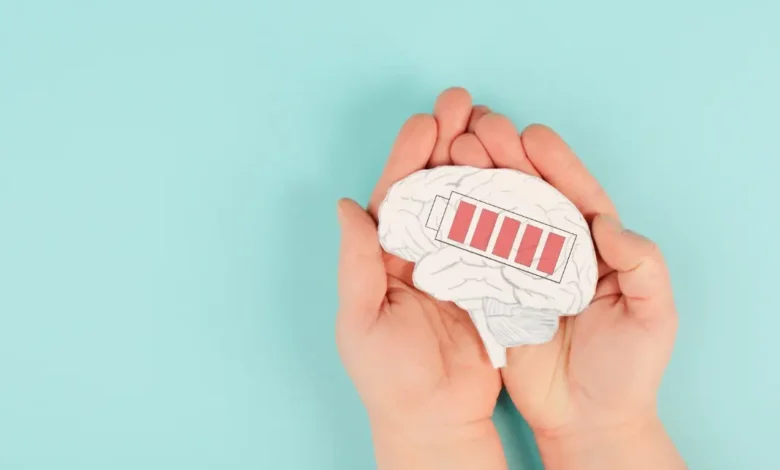
The natural aging process inevitably brings about structural changes in the human brain. As individuals transition into their later years, the volume of neurons typically declines, and the brain begins to shrink at an accelerated rate, particularly after the age of 60. These biological shifts often manifest as subtle changes in processing speed, memory retention, and decision-making capabilities. However, recent neurological research highlights a critical phenomenon that explains why some individuals remain mentally sharp while others with similar brain pathologies experience significant cognitive impairment: cognitive reserve.
Understanding the Mechanism of Cognitive Reserve
Cognitive reserve is defined by neurologists as the brain’s capacity to maintain function and perform as expected, even in the presence of physical damage or age-related degeneration. It serves as a metaphorical buffer, allowing the brain to recruit alternative neural networks or utilize existing connections more efficiently when primary pathways are compromised by conditions such as Alzheimer’s disease.
To distinguish this from other neurological concepts, it is essential to define "cognitive resistance." While cognitive resistance refers to the brain’s physiological ability to avoid or delay the accumulation of markers like amyloid and tau proteins—the hallmarks of Alzheimer’s—cognitive reserve focuses on the brain’s functional adaptability. Even when pathological proteins are present, a high degree of cognitive reserve allows an individual to bypass damaged circuitry, effectively masking the symptoms of the disease for a longer duration.
A Chronological Perspective on Brain Development
The development of cognitive reserve is a lifelong endeavor rather than a temporary fix. Experts categorize the building of this reserve into three distinct phases:
- Early Life (Childhood and Adolescence): Foundational cognitive reserve is heavily influenced by formal education. Data consistently indicates that higher levels of education correlate with a greater capacity to withstand age-related brain changes later in life.
- Middle Age: This period is critical for cementing cognitive habits. During this phase, the focus shifts toward vocational challenges, complex problem-solving, and the maintenance of intellectual curiosity.
- Late Life: Contrary to outdated beliefs that brain development ceases in adulthood, evidence confirms that the brain remains plastic—or adaptable—well into the 70s and 80s. Activities that push the limits of one’s current knowledge remain highly effective in bolstering reserve.
Supporting Data and Longitudinal Studies
The scientific community has provided robust evidence regarding the efficacy of lifestyle interventions in protecting cognitive function. A landmark cohort study involving over 10,000 adults aged 70 and older analyzed the impact of consistent, mentally stimulating activities over a 10-year period. The study found that individuals who engaged in structured intellectual tasks—such as learning new languages, playing musical instruments, or participating in complex games like bridge or crosswords—exhibited a statistically significant lower risk of developing dementia compared to those who did not.
Furthermore, medical research from the Mayo Clinic and other global institutions suggests that the "use it or lose it" mantra applies directly to neural pathways. When a person challenges themselves with a novel task, they are not merely "learning"; they are physically strengthening the synaptic density of their brains, creating a surplus of connections that can be relied upon should future damage occur.
Clinical Perspectives and Official Guidance
Dr. Jonathan Graff-Radford, a neurologist at the Mayo Clinic, emphasizes that cognitive reserve is not a "cure" for dementia, but rather a vital tool for symptom management. "There is a threshold of physical damage where the brain can no longer compensate, even with a high degree of reserve," Dr. Graff-Radford notes. However, by building this reserve, patients can often enjoy years of independent living and higher quality of life that might otherwise have been lost to early-onset symptoms.
Medical professionals are increasingly moving toward a holistic model of brain health. This approach includes not only cognitive stimulation but also the management of systemic health markers. Cardiovascular health, for instance, is inextricably linked to brain health; conditions such as hypertension, diabetes, and high cholesterol are known to restrict blood flow to the brain, which accelerates the decline of neurons.
The Impact of Sensory and Social Factors
An emerging focus in neurology is the role of sensory input in maintaining cognitive health. Recent data has underscored a surprising correlation between untreated hearing or vision loss and an increased risk of cognitive decline. The theory is that when the brain is deprived of sensory input, it must work significantly harder to interpret its environment, leading to "cognitive fatigue." Consequently, treating sensory deficits with hearing aids or corrective lenses is now considered a primary preventative measure in geriatric care.
Equally important is the mitigation of social isolation. Humans are inherently social beings, and the brain requires the complex stimuli of social interaction to remain active. Loneliness has been identified as a significant stressor that increases cortisol levels, which can be toxic to the hippocampus, the area of the brain responsible for memory. Social engagement—whether through community volunteering, family interaction, or organized group activities—provides a multifaceted challenge to the brain, requiring language processing, emotional intelligence, and executive function.
Implications for Public Health Policy
The implications of these findings are profound for aging populations globally. As life expectancy increases, the economic and social burden of dementia is projected to rise. Public health policies are increasingly focusing on "brain health literacy," encouraging middle-aged and elderly citizens to adopt active lifestyles.
From a clinical standpoint, the recommendation is clear: there is no "magic pill" or singular computer application that replaces the need for sustained, varied habits. The most effective strategy involves the integration of three pillars:
- Intellectual Engagement: Reading, learning new skills, or solving complex problems.
- Physical Vitality: Regular exercise that improves blood flow to the brain and reduces inflammatory markers.
- Social Connectivity: Maintaining robust relationships to foster emotional and cognitive stability.
Translating Knowledge into Daily Practice
Building cognitive reserve does not require professional training; rather, it requires the intentional selection of activities that are both challenging and enjoyable. The sustainability of these habits is the key. For instance, a person who enjoys gardening might find that the physical activity, combined with the planning and learning required to maintain a complex garden, serves as a dual-modality cognitive exercise. Similarly, participating in competitive sports like pickleball offers both physical exertion and the rapid decision-making required for social play.
For those concerned about memory loss, the standard medical advice remains proactive: early consultation with a healthcare professional is vital. Modern diagnostic tools can identify the difference between normal age-related cognitive shifts and early indicators of neurodegenerative disease. By seeking medical input early, individuals can tailor their lifestyle interventions to their specific physiological needs.
Conclusion
While the biological decline of the brain is an inherent part of the human experience, it is not a predetermined path toward total cognitive failure. The concept of cognitive reserve offers a hopeful perspective on aging, suggesting that the brain is a dynamic organ that rewards lifelong engagement. By prioritizing intellectual curiosity, physical health, and social connectivity, individuals can effectively "insure" their cognitive function, maintaining their mental acuity and independence well into their later years. The science is definitive: the efforts invested today in the health and adaptability of the brain yield significant dividends in the years to come.