The Anatomy of Leadership Friction
Research from the Society for Human Resource Management (SHRM) indicates that "bad management" is the primary reason employees cite for leaving their organizations. The cost of this turnover is substantial, with estimates suggesting that replacing a skilled worker can cost between 50% and 200% of their annual salary. These costs are often driven by the "nuts" factor—the daily, cumulative frustration caused by leaders who fail to regulate their emotions, neglect basic preparation, or project a lack of genuine interest in their teams.
Chronology of Behavioral Erosion
The development of these counterproductive leadership traits often follows a predictable lifecycle within an organization:
- Phase 1: The Honeymoon Period. A new leader arrives, often with high energy. Their behaviors are interpreted as "passion" or "intensity."
- Phase 2: The Normalization of Stress. As performance pressures mount, the leader begins to default to reflexive, often negative, patterns. Emotional volatility is excused as "high standards."
- Phase 3: The Culture of Caution. Employees begin to walk on eggshells, fearing an outburst or a dismissive comment. This leads to a decline in innovation, as fear of failure suppresses risk-taking.
- Phase 4: The Silent Disengagement. Staff realize that preparation and feedback are not priorities for leadership. Disinterest becomes the default state, leading to "quiet quitting" or high turnover.
The Cost of Emotional Volatility
The most immediate driver of workplace anxiety is emotional unpredictability. Leaders who oscillate between extremes—swinging from excessive praise to harsh criticism—create an environment where employees cannot gauge success. Data from the Harvard Business Review suggests that emotional intelligence (EQ) is the single most significant predictor of leadership success, yet it is often the first casualty of high-stress environments.
When a leader uses passion as a weapon rather than an engine, the effect is intimidatory. Employees who feel they are constantly under a microscope, or subject to the whims of a leader’s mood, will naturally restrict their contributions to the bare minimum required to remain employed. This "compliance culture" effectively kills the collaborative spirit necessary for long-term organizational health.
The Professionalism of Preparation
Busyness is frequently weaponized as an excuse for poor preparation. In a corporate environment, a leader’s failure to prepare for a meeting or a project review is not merely a personal lapse; it is a structural failure. It sends a clear message to the team: their time is less valuable than the leader’s time.
Studies into organizational psychology show that perceived disrespect from management is a primary driver of workplace stress. When a leader shows up unprepared, they inadvertently signal that they have not prioritized the work of their subordinates. This results in a loss of institutional trust. Over time, this builds a resentment that is difficult to reverse, as employees begin to view the leader as an obstacle rather than a facilitator of their professional success.
The Impact of Perceived Disinterest
Leadership is, at its core, a human-centric endeavor. When a leader fails to demonstrate interest in their team—by failing to acknowledge contributions, ignoring developmental feedback, or appearing distracted during interpersonal interactions—the team’s sense of purpose inevitably wanes.

"Valued employees are productive employees," says organizational psychologist Dr. Elena Vance. "When a leader fails to engage with the human element of their team, they are effectively stripping the work of its meaning. Once the meaning is gone, the work becomes a chore, and performance inevitably drops to meet the lowest common denominator."
Analysis of Organizational Implications
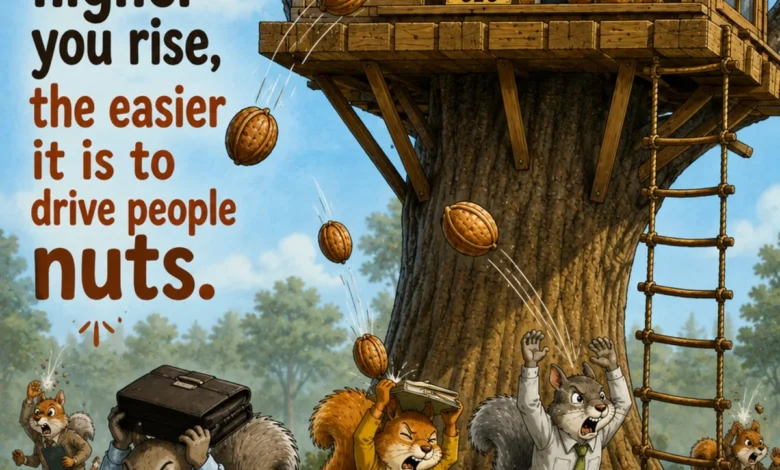
The long-term implications of these behaviors extend far beyond the immediate department. Organizations that allow such habits to persist often see a ripple effect in their recruitment and brand reputation. In the digital age, employer review sites like Glassdoor and LinkedIn provide a transparent window into internal culture. Leaders who are known to "drive people nuts" create a negative reputation that can take years to repair, making it difficult to attract top-tier talent.
Furthermore, these habits create a "trickle-down" effect. Middle managers often mimic the behaviors of their superiors, meaning that a single poorly-regulated executive can poison the entire hierarchy of an organization. This creates a systemic barrier to diversity, equity, and inclusion, as those who do not fit the "norm" set by the leader are often the first to be alienated.
Strategies for Remediation
Experts recommend a multi-tiered approach for organizations aiming to mitigate these issues:
- 360-Degree Feedback Loops: Implementing anonymous, consistent feedback mechanisms allows organizations to identify leadership blind spots before they become systemic problems.
- Executive Coaching: Often, leaders are unaware of the impact their behavior has on their team. Professional coaching can provide the necessary perspective to pivot from reactive, volatile leadership to intentional, steady leadership.
- Cultural Accountability: Leadership at the board or C-suite level must model the behavior they expect to see. If "driving people crazy" is ignored by the top, it will be replicated throughout the company.
- Defined Behavioral Standards: Just as organizations have Key Performance Indicators (KPIs) for revenue and output, they should establish behavioral KPIs. A leader’s ability to foster a healthy team environment should be as heavily weighted as their ability to meet financial targets.
The Necessity of Self-Awareness
The most critical realization for any leader is that their behavior is magnified. Small, seemingly inconsequential irritations—such as constant interruption, last-minute rescheduling, or a lack of eye contact during conversations—are amplified by the power dynamic inherent in the boss-employee relationship.
The transition from a "manager" to a "leader" requires the discipline to address one’s own shortcomings. This requires a level of vulnerability that many find uncomfortable. However, the data is clear: the most successful, long-standing organizations are those that cultivate leaders who prioritize emotional steadiness, rigorous preparation, and genuine, active interest in the success of their teams.
As organizations continue to navigate an increasingly complex global economy, the soft skills of leadership will remain the deciding factor in longevity. Addressing the habits that alienate talent is not just a human resources concern—it is a strategic imperative. Organizations that fail to address these issues will find that while they may survive in the short term, they will ultimately lose the people who make their growth possible. The path forward for modern leadership requires a departure from the "driver" mentality toward one of collaborative enablement, ensuring that the work environment fosters performance rather than merely managing the fallout of bad behavior.