KBCM Technology Group and ForEntrepreneurs Release COVID-19 Edition of the Landmark SaaS Survey


The software-as-a-service (SaaS) industry has long relied on empirical data to navigate the complexities of scaling, capital allocation, and market positioning. For over a decade, the KBCM Technology Group SaaS Survey—originally established in 2010 by Pacific Crest Securities under KeyBanc—has served as the premier benchmarking instrument for technology executives and venture capital investors. In a year marked by unprecedented global disruption, the release of the 2020 KBCM SaaS Survey: COVID Edition provides a critical window into how private technology companies met the initial shocks of the coronavirus pandemic, offering a comprehensive assessment of baseline performance, operational pivots, and financial resilience across the sector.
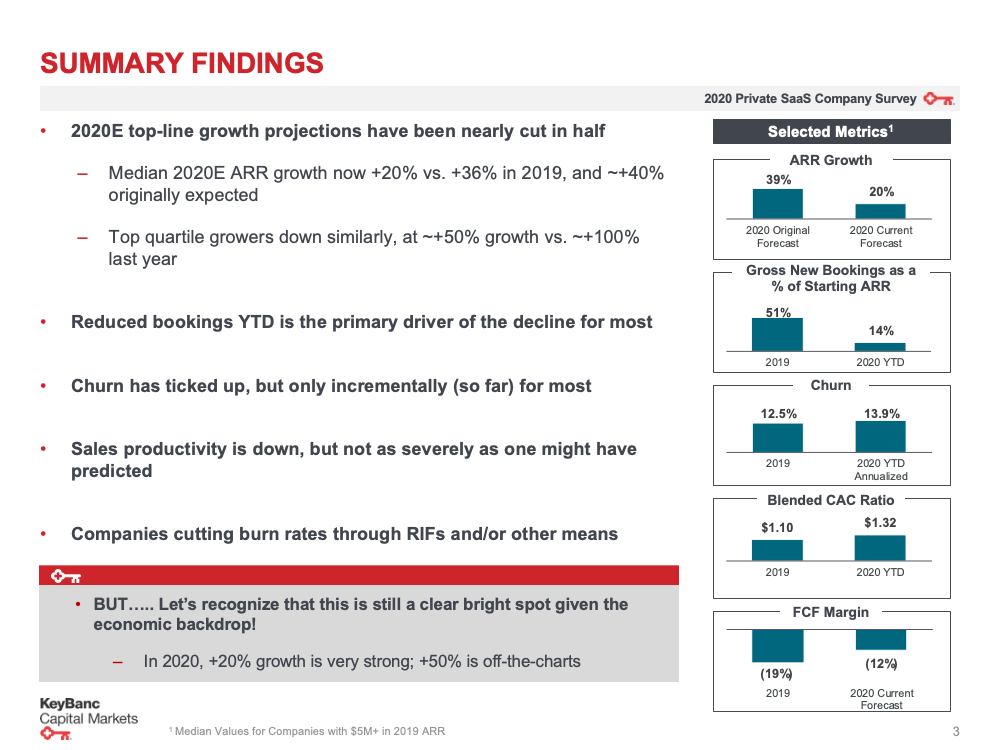
Conducted in collaboration with the entrepreneurial resource platform forEntrepreneurs and spearheaded by industry analysts including David Spitz and the broader KBCM Technology Group team, this special edition captures the realities of more than 500 private SaaS companies. As organizations worldwide grappled with sudden lockdowns, remote work transitions, and fluctuating demand, the survey data—collected between mid-June and early July 2020, focusing on performance through May 31, 2020—paints a vivid picture of an industry cleaved into contrasting fortunes. While some market segments experienced accelerated demand driven by digital transformation initiatives, others faced severe contraction, elongated sales cycles, and churn.
Background and Context: A Decade of Benchmarking in Uncharted Territory
When KeyBanc first launched the Pacific Crest SaaS Survey in 2010, the cloud software ecosystem was in a vastly different stage of maturity. Subscription-based business models were steadily displacing perpetual licensing, and founders required standardized metrics to satisfy institutional investors. Over subsequent years, the survey expanded in scope, tracking customer acquisition costs (CAC), lifetime value (LTV), annual recurring revenue (ARR) growth rates, net retention, and gross margins. It became the gold standard for boardrooms seeking to answer a fundamental question: "How does our performance compare to industry peers?"
The onset of the COVID-19 pandemic in early 2020 introduced variables that historic benchmarks could not fully address. Economic uncertainty forced enterprises and consumers alike to scrutinize discretionary spending, putting subscription software budgets under intense pressure. Recognizing that a standard annual check-in would be insufficient to capture a rapidly evolving landscape, the authors of the 2020 report undertook a structural redesign. Rather than treating the survey as a static, point-in-time assessment, the research team established a longitudinal framework utilizing unique tracking identifiers. This methodology allows analysts to monitor the exact trajectories of participating companies across subsequent quarters while preserving strict confidentiality and anonymity.
Main Findings: Comparing Baseline Performance Across Two Eras
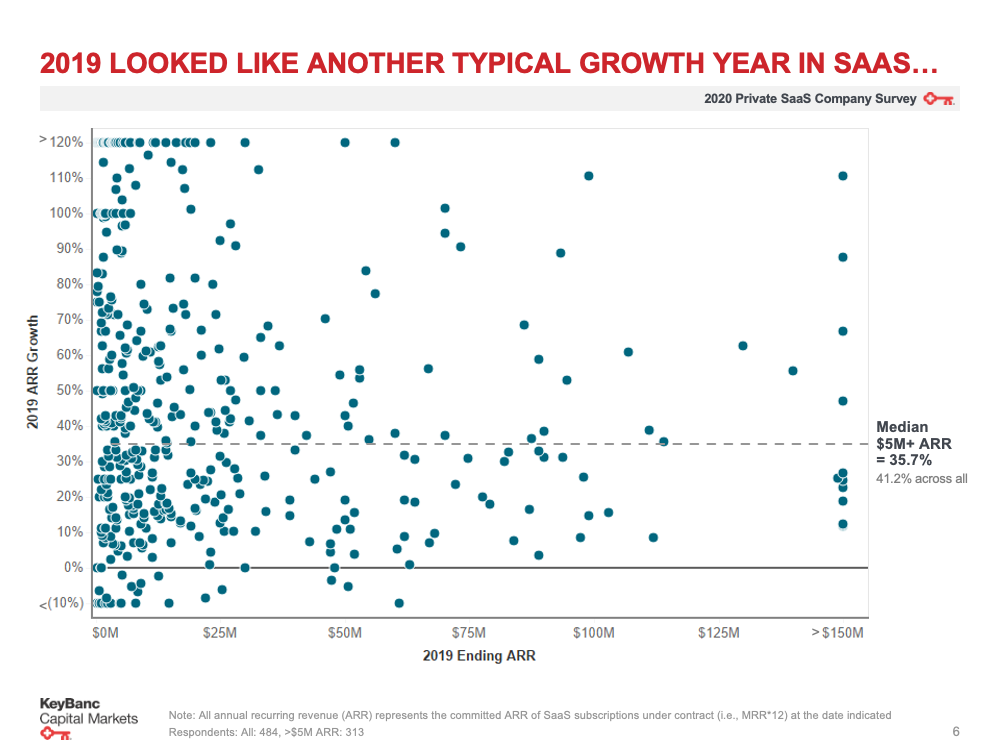
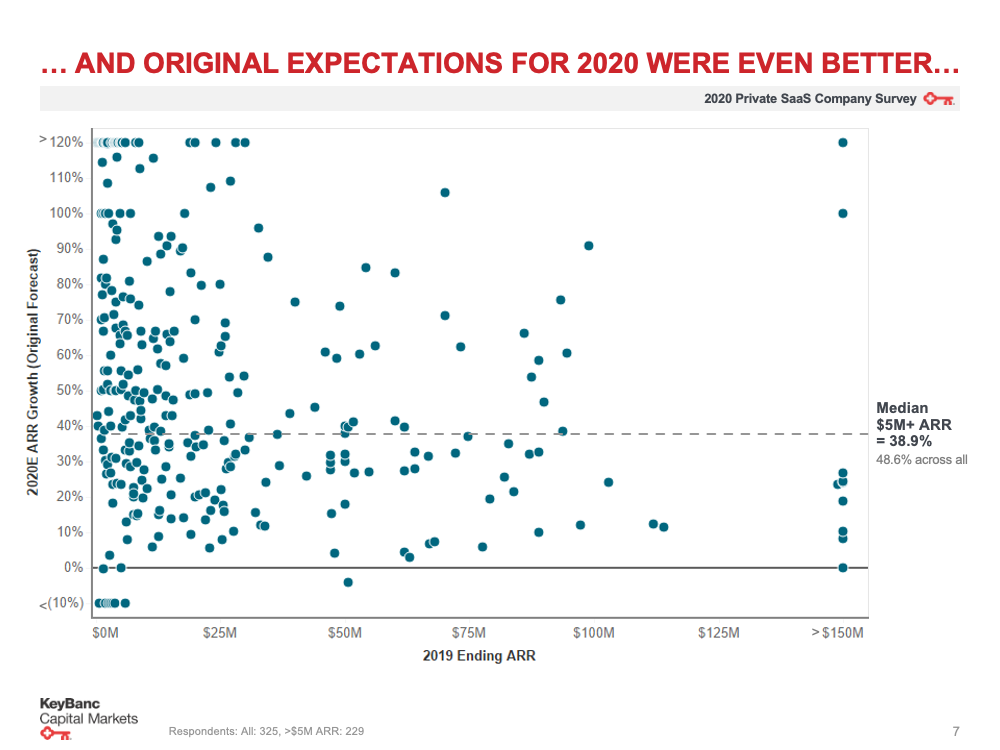
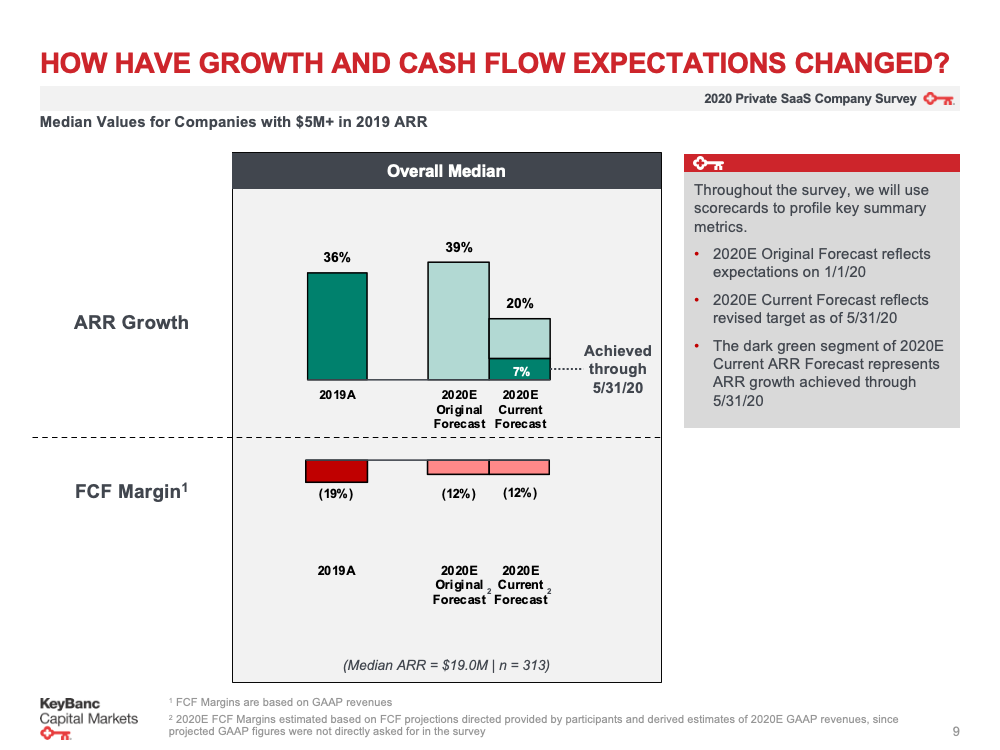
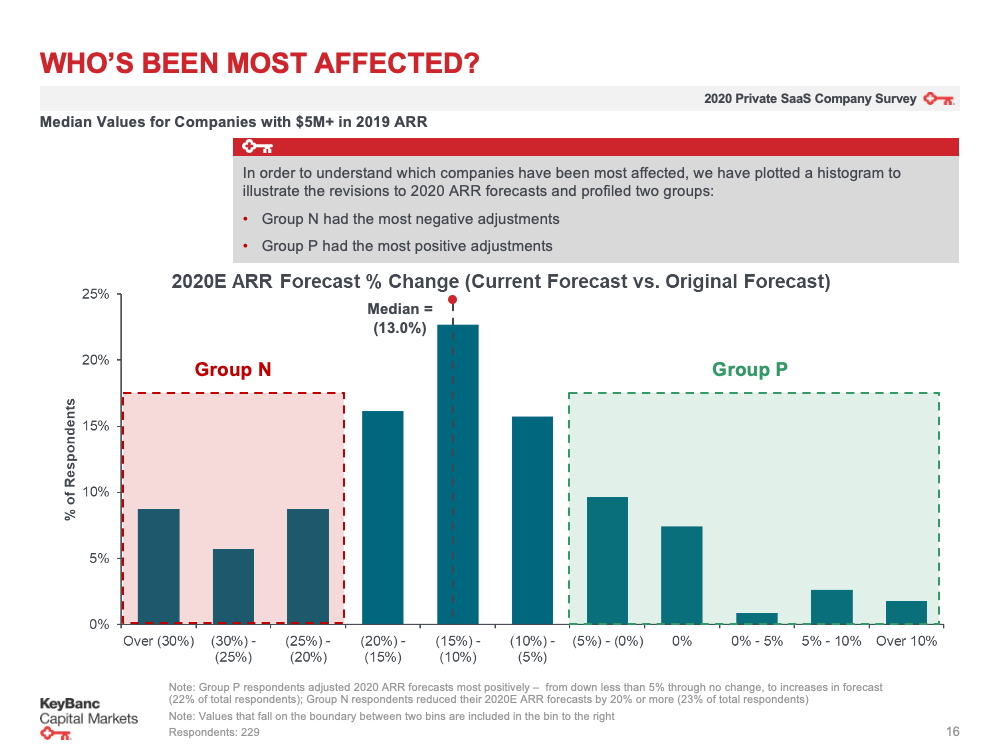
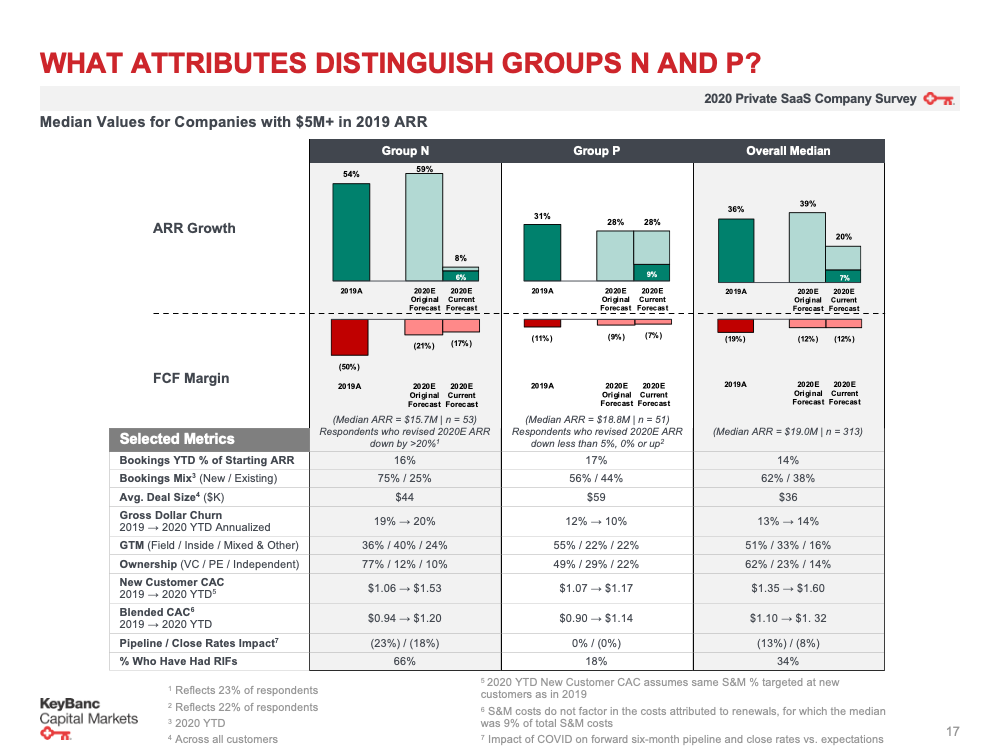
The data collected from over 500 private SaaS respondents reveals a stark contrast between pre-pandemic momentum and the operational realities of mid-2020. In the survey’s comparative analysis of 2019 versus year-to-date 2020, respondents documented immediate shifts in top-line growth trajectories. While established benchmarks historically favored aggressive customer acquisition and unbridled sales and marketing spend, the 2020 cohort exhibited a pronounced pivot toward capital preservation, cash runway extension, and operational efficiency.
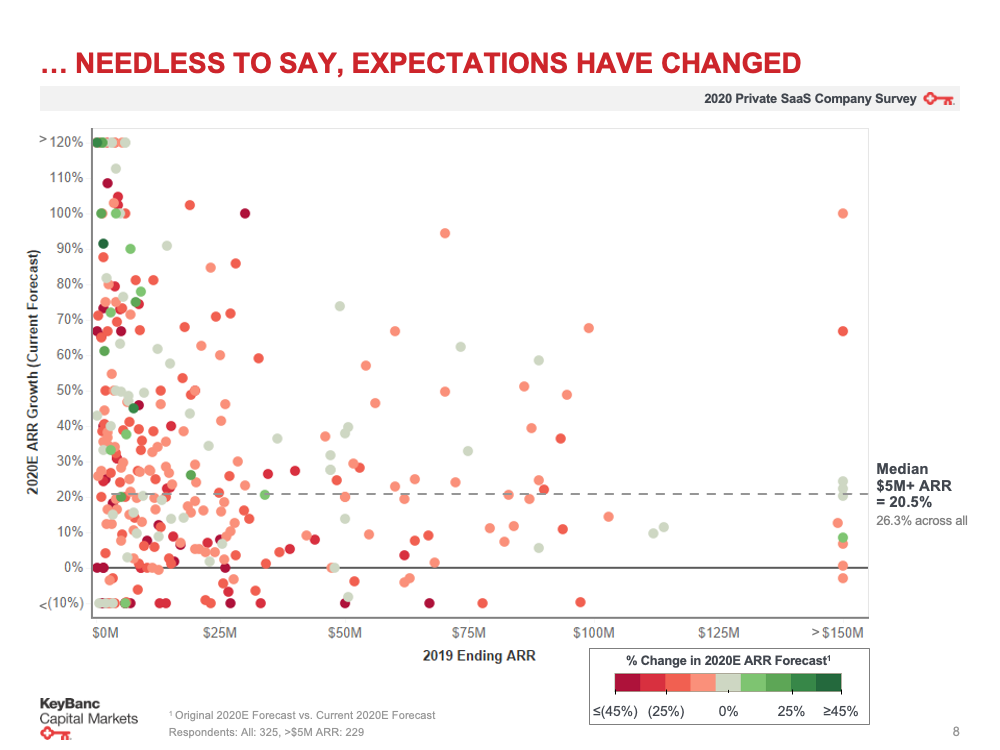
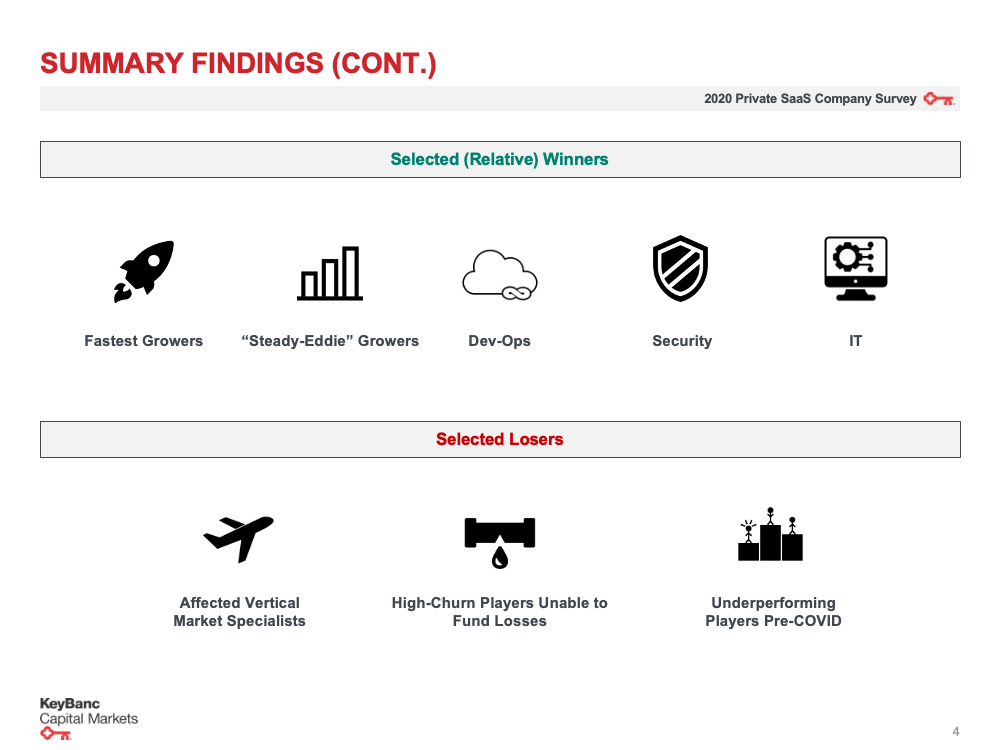
Growth rates, which had enjoyed robust averages throughout the late 2010s, experienced downward pressure as net new ARR additions slowed across various cohorts. Companies targeting small and medium-sized businesses (SMBs) reported acute vulnerability, driven by elevated churn rates and business closures within their customer bases. Conversely, SaaS providers catering to enterprise clients with essential digital infrastructure offerings demonstrated greater resilience, though even these firms noted elongation in enterprise sales cycles as procurement departments instituted rigorous spending freezes and multi-layered approval processes.
Chronology of the 2020 Survey Initiative
The development and deployment of the COVID Edition followed a rigorous timeline designed to capture real-time market sentiment:
- March – May 2020: Global economic disruptions prompt widespread market uncertainty. Private SaaS leadership teams pivot from growth-at-all-costs models to cash conservation strategies.
- Mid-June 2020: KBCM Technology Group and forEntrepreneurs formally launch the redesigned survey instrument, tailored specifically to gauge pandemic-related impacts, operational adjustments, and financial health.
- Early July 2020: Data collection concludes following robust participation from more than 500 private SaaS companies.
- August – September 2020: Analysts process and synthesize the empirical findings, culminating in the official publication and dissemination of the comprehensive report and visual slide decks.
- Post-Publication: Establishment of secure tracking protocols utilizing unique identifier codes to facilitate ongoing longitudinal studies as market conditions continue to evolve.
Supporting Data and Segment Analysis
The survey data is structured to dissect performance across multiple dimensions, including company size, revenue scale, vertical focus, and geographic footprint. Key metrics highlighted in the report’s visual presentations illustrate the dispersion of performance outcomes:
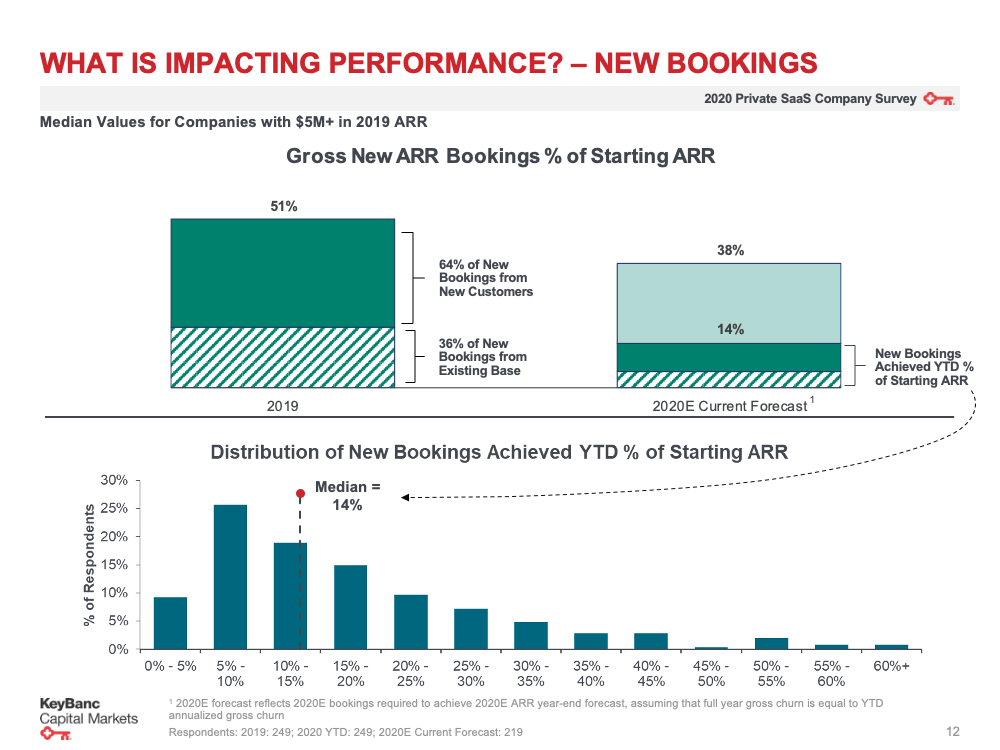
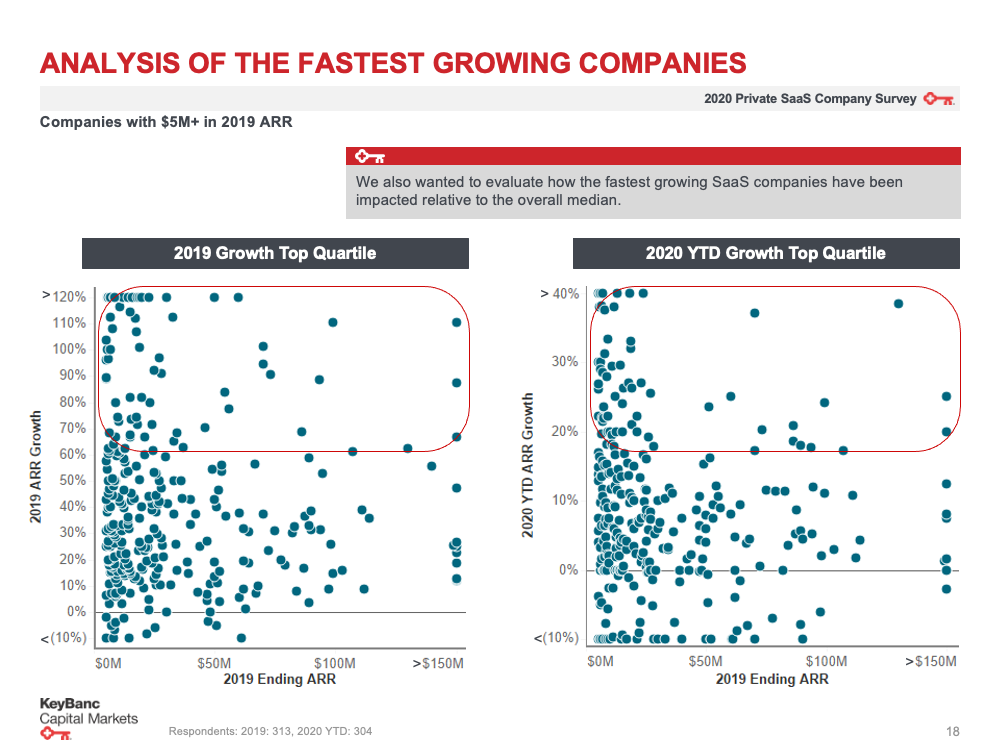
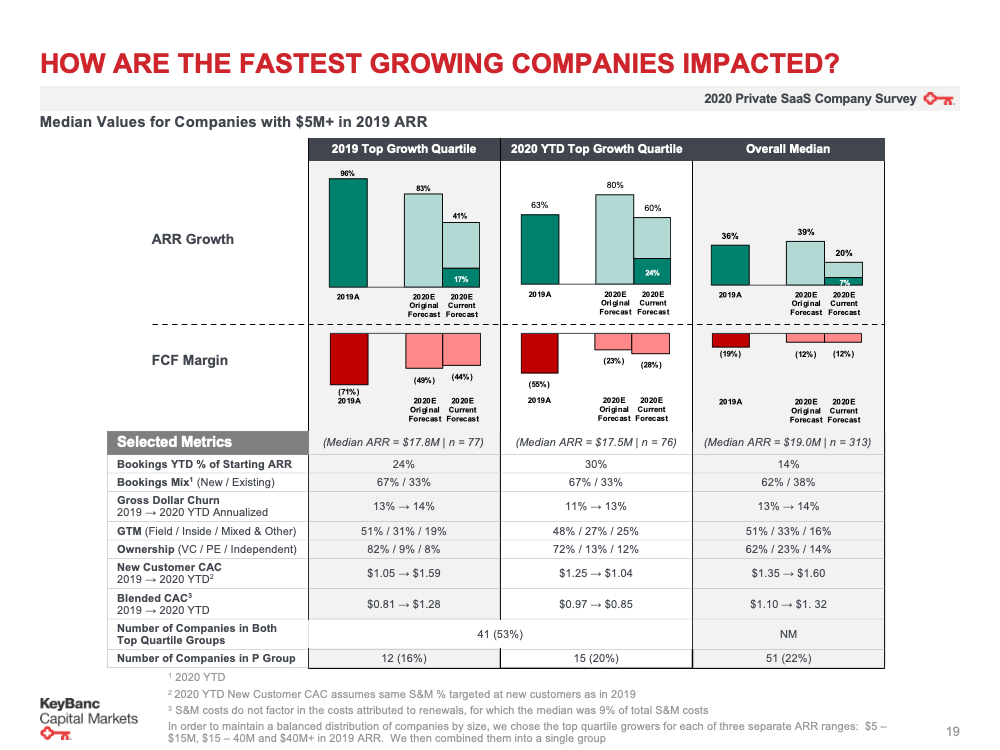
- Revenue Growth and Deceleration: The distribution of ARR growth rates shifted downward. While top-quartile performers maintained impressive expansion, the median growth rate experienced compression as new customer acquisition pipelines dried up during the initial weeks of shelter-in-place mandates.
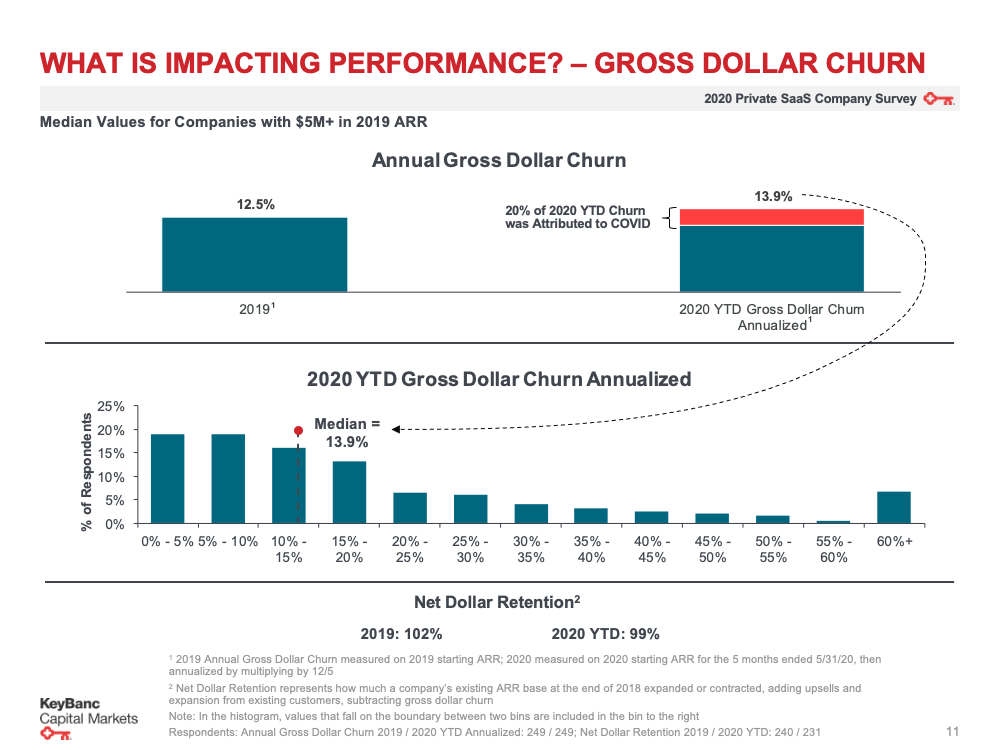
- Net Retention and Churn Dynamics: Net retention rates—a critical indicator of customer satisfaction and expansion potential—faced downward pressure among companies exposed to hardest-hit verticals such as hospitality, retail, and travel. However, SaaS companies serving collaboration, cybersecurity, and cloud infrastructure sectors observed stable or even expanding net retention as usage surged.
- Sales and Marketing Efficiency: The survey documents a dramatic contraction in sales and marketing expenditures as a percentage of revenue. Organizations pulled back on paid acquisition channels, reduced event marketing budgets, and restructured sales teams to focus on customer success and account retention rather than aggressive land grabs.
- Cash Burn and Runway Management: In stark contrast to the preceding bull market, where capital abundance encouraged extended burn multiples, the 2020 data highlights a decisive shift toward profitability or path-to-profitability planning. Companies actively extended their cash runways through disciplined cost management, selective headcount freezes, and optimized operational overhead.
Industry Reactions and Expert Commentary
The release of the COVID Edition was met with widespread engagement across the venture capital and entrepreneurial communities. Industry observers noted that the transparency provided by the dataset offered much-needed clarity during a period of acute psychological and financial stress for startup founders.
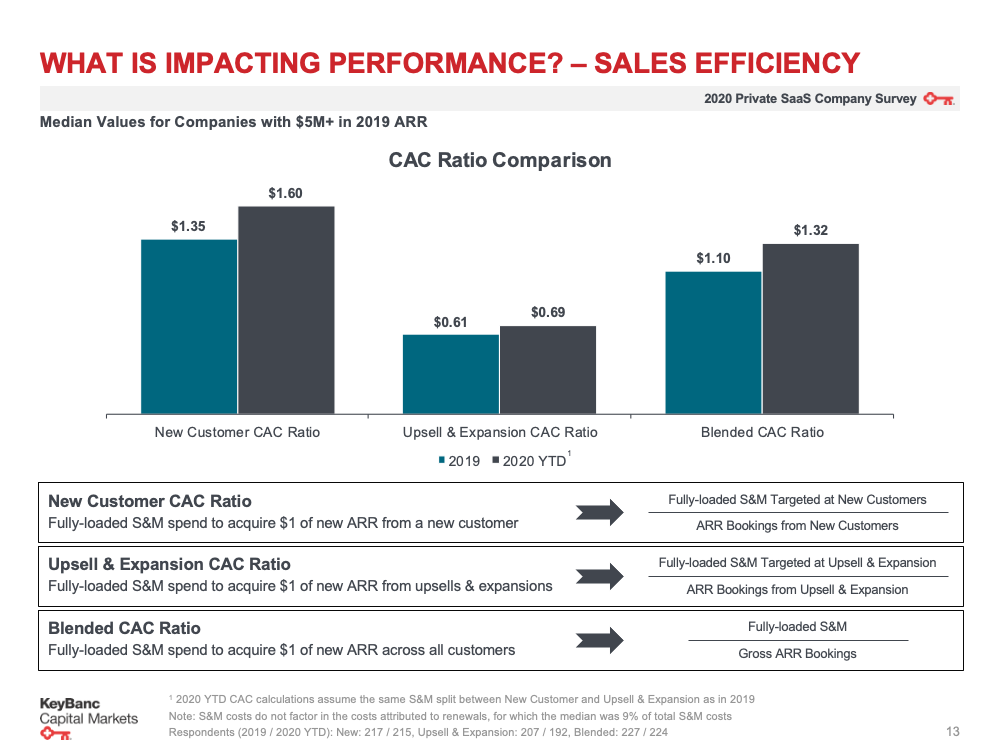
David Spitz of KBCM Technology Group emphasized the necessity of granular benchmarking during periods of structural dislocation. "When the macro environment shifts overnight, historical rules of thumb no longer apply," market observers noted regarding the rationale behind the survey’s redesign. By isolating the specific vectors of disruption—such as geographic exposure, customer segment concentration, and contract structure—the survey enabled leadership teams to diagnose their own operational standing relative to peers facing identical macroeconomic headwinds.
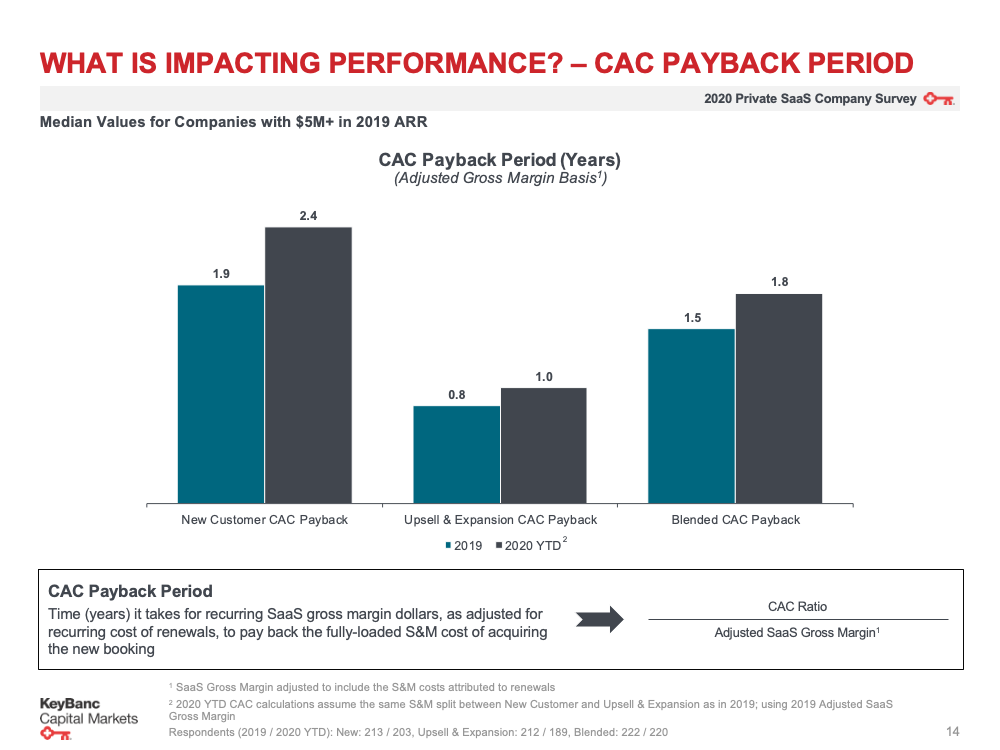
Collaborators at forEntrepreneurs echoed these sentiments, stressing that the inclusion of anonymous longitudinal tracking would yield invaluable insights as the broader economy transitioned from the initial shock phase into a protracted recovery cycle. Founders praised the actionable nature of the benchmarks, utilizing the findings to recalibrate financial models, reassure board members, and structure realistic operating budgets for the remainder of 2020 and beyond.
Broader Implications and Strategic Takeaways for the SaaS Ecosystem
The 2020 KBCM SaaS Survey: COVID Edition transcends a mere statistical compilation; it serves as a historical document chronicling the adaptability of the modern software industry. The structural shifts documented in the report catalyzed permanent changes in how private technology companies manage risk.
First, the crisis underscored the vital importance of gross retention. Companies with sticky, mission-critical product offerings weathered the storm significantly better than those viewed as discretionary tools. This realization prompted a strategic re-evaluation of product-market fit, forcing product teams to double down on core utility and measurable customer return on investment (ROI).
Second, the disciplined approach to capital allocation demonstrated during the pandemic reshaped venture financing norms. While subsequent quarters saw a resurgence of capital availability, the operational rigor instilled during the early months of COVID-19 left a lasting imprint. SaaS leadership teams demonstrated that agile cost structures and efficient go-to-market motions could coexist with healthy, sustainable growth.
Ultimately, the 2020 benchmarking report reinforced the resilience of the SaaS model. Despite facing the most severe global economic contraction in generations, the software sector leveraged recurring revenue foundations to absorb shocks, protect core operations, and position itself for future expansion. The complete dataset, comprising detailed slide decks and granular sub-segment analyses, remains accessible to industry leaders via the forEntrepreneurs platform, ensuring that the lessons learned during this extraordinary period continue to inform strategic decision-making across the technology landscape.
Related posts: