Navigating the Digital Zeitgeist: Viral Trends, Legal Consequences, and Generational Cultural Shifts in 2026

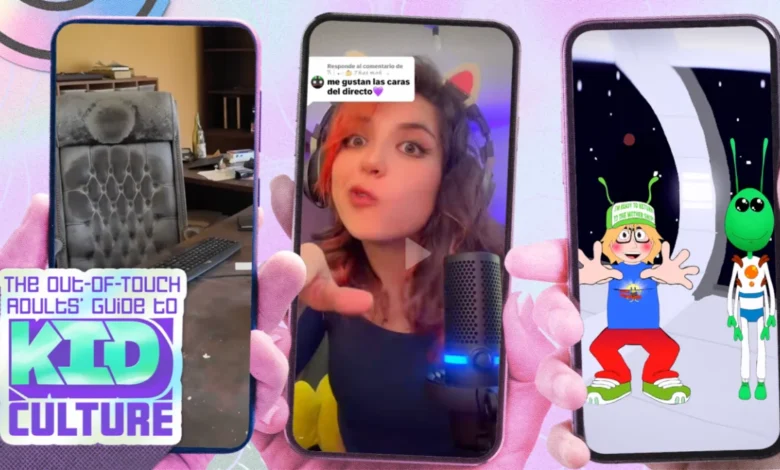
The rapid evolution of digital culture continues to blur the lines between harmless online expression, criminal liability, and generational divides. As social media platforms dominate the daily lives of teenagers and young adults, authorities across the United States are grappling with a surge in viral trends that frequently cross legal and ethical boundaries. From facial performance art on TikTok to hazardous urban exploration and nostalgic animated satires, the contemporary digital ecosystem is reshaping how youth communicate, consume media, and test societal limits. Concurrently, law enforcement agencies are forced to adapt to the velocity of online trends, responding with arrests and public safety campaigns as harmless-seeming internet challenges escalate into real-world offenses.
The Phenomenon of Face Dancing: Evolution and Cultural Impact
Among the most prominent digital trends capturing public attention is "face dancing," a performance art form centered on isolated facial movements synchronized to musical tracks. While the medium has roots in early digital platforms, dating back roughly a decade, it has experienced a massive resurgence. The modern iteration of the trend is largely propelled by creators such as TikTok user @minynaranja, whose account boasts an audience of approximately eight million followers.
Face dancing functions similarly to traditional lip-dubbing, but shifts the primary focus entirely to the complex, micro-expressions, eye movements, and muscular contortions of the performer’s visage. Proponents argue that the practice requires an intricate sense of rhythm, muscle control, and comedic timing, elevating simple mobile phone videos into a specialized form of digital performance. Conversely, critics and commentators on platforms like X (formerly Twitter) frequently express bewilderment or alienation, highlighting the widening aesthetic gap between generations. Despite polarized reactions—ranging from deep fascination to outright rejection—the trend underscores how modern creators leverage hyper-focused, low-barrier concepts to achieve global reach.
The Cat in the Hat Meme Wave and Associated Juvenile Arrests
While aesthetic trends like face dancing remain largely benign, other viral phenomena have prompted severe institutional and legal intervention. A prime example involves the proliferation of social media memes referencing the iconic Dr. Seuss character, The Cat in the Hat. Originally documented as a surreal, localized humor trend, the meme format quickly spiraled into dangerous territory as some users began associating the character imagery with explicit threats directed at educational institutions.
The transition from digital humor to criminal activity triggered coordinated responses from law enforcement agencies nationwide during late August and early September 2026. Chronologically, the enforcement actions began accumulating rapidly across multiple states:
- Louisiana: Law enforcement in Berwick arrested four juveniles on charges related to menacing and cyberbullying. Simultaneously, a high school student in Port Allen was taken into custody and charged with terrorizing over alleged threats made to the campus.
- Kentucky: A juvenile in Allen County voluntarily surrendered to local authorities following a police investigation linking them to viral threat videos.
- Colorado: A high school student in Grand Junction was arrested in connection with threatening online content tied to the trend.
- Regional Spread: Additional arrests and formal charges were subsequently reported across Pasco County (Florida), Andalusia (Alabama), Oxford (Mississippi), Warren County (Tennessee), and various jurisdictions in Kansas.
According to statements released by police departments and school district officials, the legal actions were specifically targeted at individuals who utilized the meme imagery to issue terroristic threats or conduct cyberbullying, rather than users sharing the baseline meme format. Legal analysts note that these arrests reflect a zero-tolerance policy adopted by school administrators and law enforcement agencies in the wake of historical threats, emphasizing that digital actions carry immediate physical consequences.
Urban Exploration and the Clout Economy

Parallel to the legal fallout surrounding threatening memes, the traditional pastime of urban exploration—commonly referred to as "urbex"—has undergone a modern transformation driven by social media algorithms. Exploring abandoned properties, industrial ruins, and vacant residential structures is not a novel phenomenon; however, the imperative to generate digital "clout" has altered the scale and frequency of these excursions.
In an effort to capture viral engagement, contemporary explorers increasingly target high-profile, highly restricted sites. Recent incidents highlight this escalation, such as a mass trespassing event in Gwinnett County, Georgia, where nine individuals were arrested after exploring a vacant residential property popularized on TikTok. Similar operations have targeted abandoned hospitals, decaying luxury mansions formerly owned by notable figures, and international landmarks.
Sociologists and criminologists studying digital behavior point to the "escalation economy" of social media as a primary driver. Platforms that reward high-impact, novel content inadvertently encourage participants to seek out increasingly dangerous or legally hazardous locations to stand out in a saturated digital marketplace. While civil libertarians and digital rights advocates often argue that police forces should exercise discretion toward youthful trespassers who are merely engaging in exploration, property owners and municipal authorities maintain that the risks of structural collapse, hazardous materials, and liability necessitate strict enforcement of trespassing laws.
Generational Nostalgia and Parody: The Case of Fact Attack Adventures
Amidst legal scrutiny and behavioral concerns, digital platforms continue to serve as incubators for sophisticated cultural commentary. A prominent example is the viral animated web series Fact Attack Adventures, which has gained widespread traction among Gen Z and younger Millennials. The series functions as a parody of educational media platforms, most notably BrainPOP, which became a staple of American primary and secondary education following its founding in 1999 by a pediatrician seeking to explain complex topics to children.
Data from educational technology analysts indicate that BrainPOP-style platforms have been utilized in nearly two-thirds of American schools over the past two decades. Consequently, the distinct visual style, audio cues, and narrative pacing of these educational tools form a shared cultural touchstone for individuals raised during the rapid expansion of digital classrooms.
Fact Attack Adventures subverts this nostalgia by taking straightforward educational premises and rapidly escalating them into surreal absurdity. Cultural critics have observed that the popularity of the series signifies a broader developmental milestone: the first generation raised entirely under the influence of digital learning tools has reached an age where they can reflect on their formative educational experiences through a critical, yet affectionate, comedic lens. This phenomenon demonstrates that while internet culture frequently generates controversy, it simultaneously fosters organic artistic movements capable of synthesizing collective memory into original satirical entertainment.
Implications for Digital Literacy and Public Safety
The convergence of viral face-dancing performances, meme-based criminal threats, high-risk urban exploration, and sophisticated digital satire highlights the complex duality of modern internet culture. As law enforcement agencies continue to intercept illicit online behavior, and as platforms grapple with content moderation, the onus increasingly falls on digital literacy programs to educate younger audiences on the boundaries between online engagement and real-world harm.
Experts suggest that addressing these challenges requires a balanced approach: rigorous legal accountability for genuine threats and hazardous trespassing, coupled with an understanding of the psychological and social drivers behind viral participation. As digital trends continue to evolve at an unprecedented pace, society’s mechanisms for legal oversight and cultural interpretation must adapt correspondingly to maintain public safety without stifling creative expression.