Streamlining AI Agent Security with the New Amazon Bedrock AgentCore Consent Portal

The integration of artificial intelligence agents into enterprise workflows has created a complex challenge for IT administrators: balancing seamless automation with rigorous security standards. AI agents, designed to assist developers by interacting with platforms like GitHub, Slack, and Jira, require access to sensitive user data. Historically, this necessitated the implementation of cumbersome three-legged OAuth (3LO) flows, forcing organizations to build and maintain their own custom infrastructure for session binding. Amazon has now addressed this operational bottleneck with the launch of the Consent portal, a managed web experience within Amazon Bedrock AgentCore that centralizes identity management and token storage.
This development marks a significant shift in how enterprises manage the lifecycle of AI agent permissions. By abstracting the complexity of browser redirects, callback handling, and secure token vaulting, AWS is lowering the barrier to entry for firms seeking to deploy AI coding assistants that operate securely on behalf of individual employees.
The Evolution of Session Binding in AI Workflows
In the realm of modern software development, session binding is the critical process of linking an OAuth authorization grant to a specific user identity. When an AI agent performs an action—such as pulling a repository or posting a status update—the provider (e.g., GitHub) must confirm that the agent is acting on behalf of an authorized user.
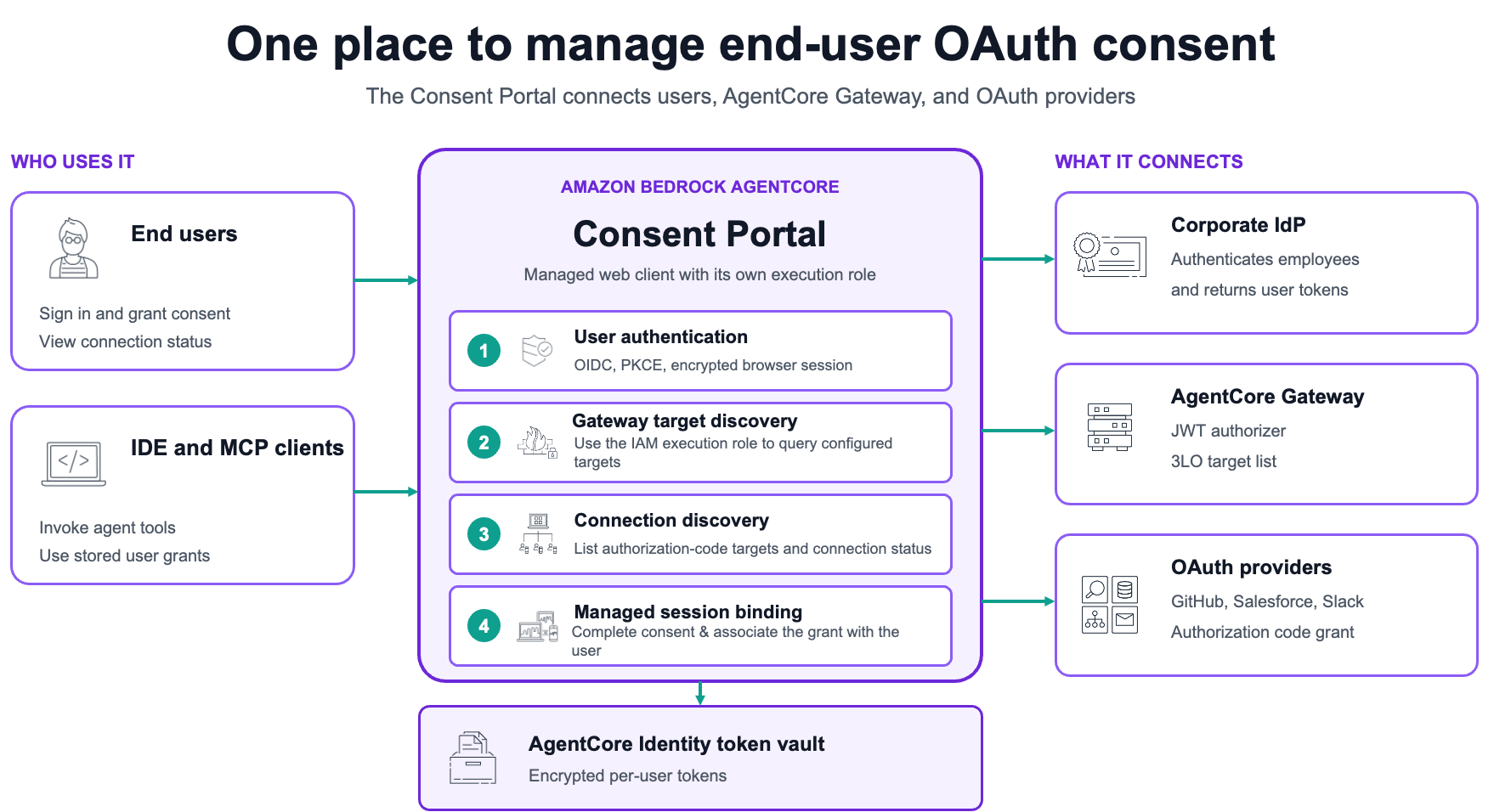
Before the introduction of the Consent portal, developers were responsible for hosting public HTTPS callbacks, managing browser sessions, and manually executing the CompleteResourceTokenAuth process. This "do-it-yourself" approach was not only resource-intensive but also introduced potential security vulnerabilities if misconfigured. The AgentCore Identity capability now automates these functions. By leveraging a managed endpoint for the AgentCore Gateway, administrators can ensure that each OAuth grant remains uniquely tied to the authenticated user, thereby enforcing the principle of least privilege in automated environments.
Operational Chronology and Implementation
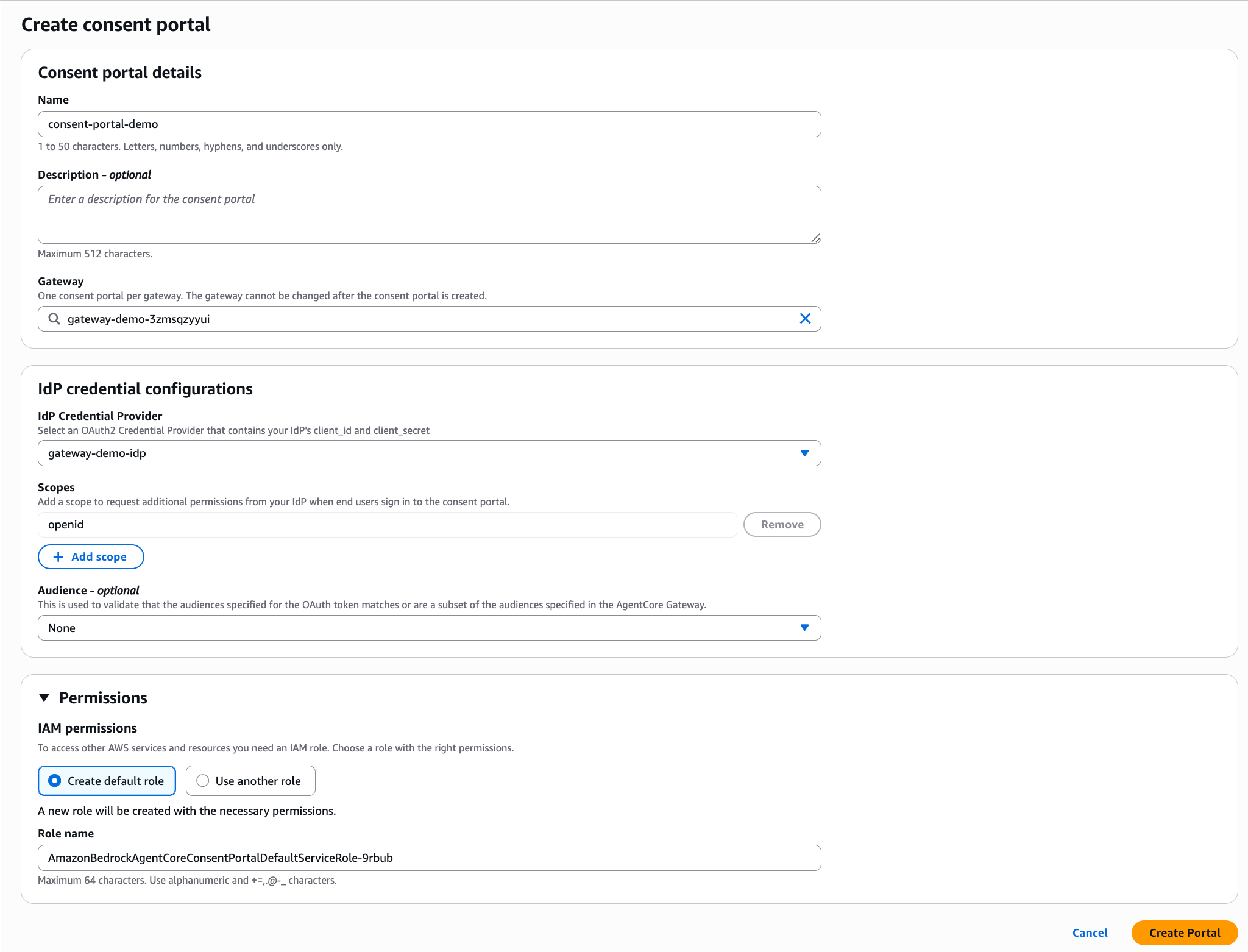
The implementation process for the Consent portal follows a structured, multi-step lifecycle designed to align with existing corporate identity provider (IdP) infrastructures. The configuration begins at the administrator level, where the foundational IAM policies and gateway connections are established.
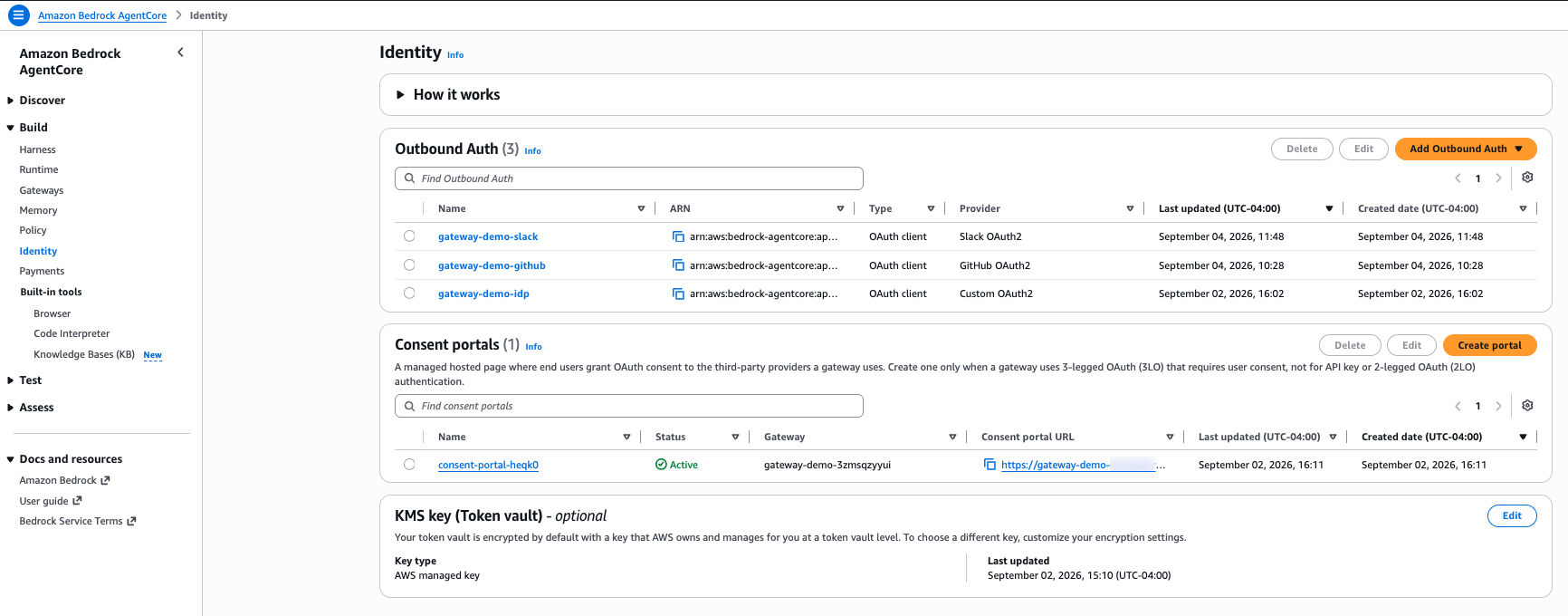
- Infrastructure Preparation: Administrators must first define the scope of access by configuring the corporate IdP to issue JSON Web Tokens (JWTs). This ensures the portal can validate user identity effectively.
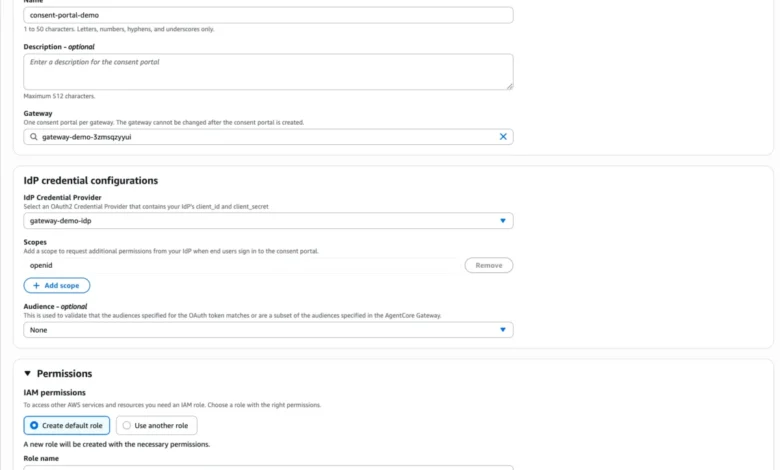
- Credential Provisioning: Utilizing the AgentCore Identity interface, administrators create an OAuth2 credential provider. This serves as the bridge between the internal corporate identity and external SaaS providers.
- Gateway Integration: The gateway is linked to specific outbound providers, such as GitHub or Slack. This separation allows for granular control; for instance, a developer might grant an agent access to GitHub for code reviews while opting out of Slack notifications.
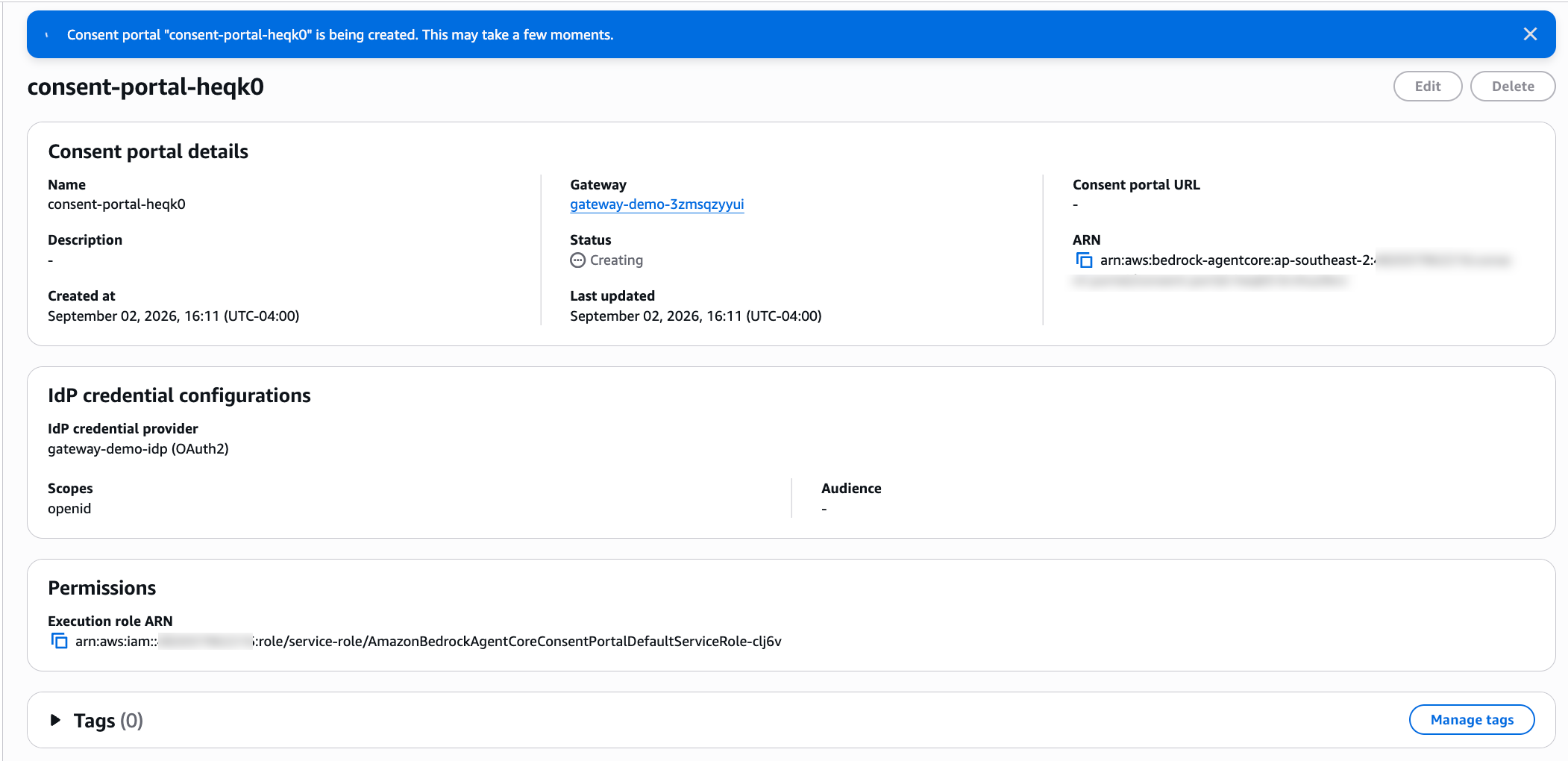
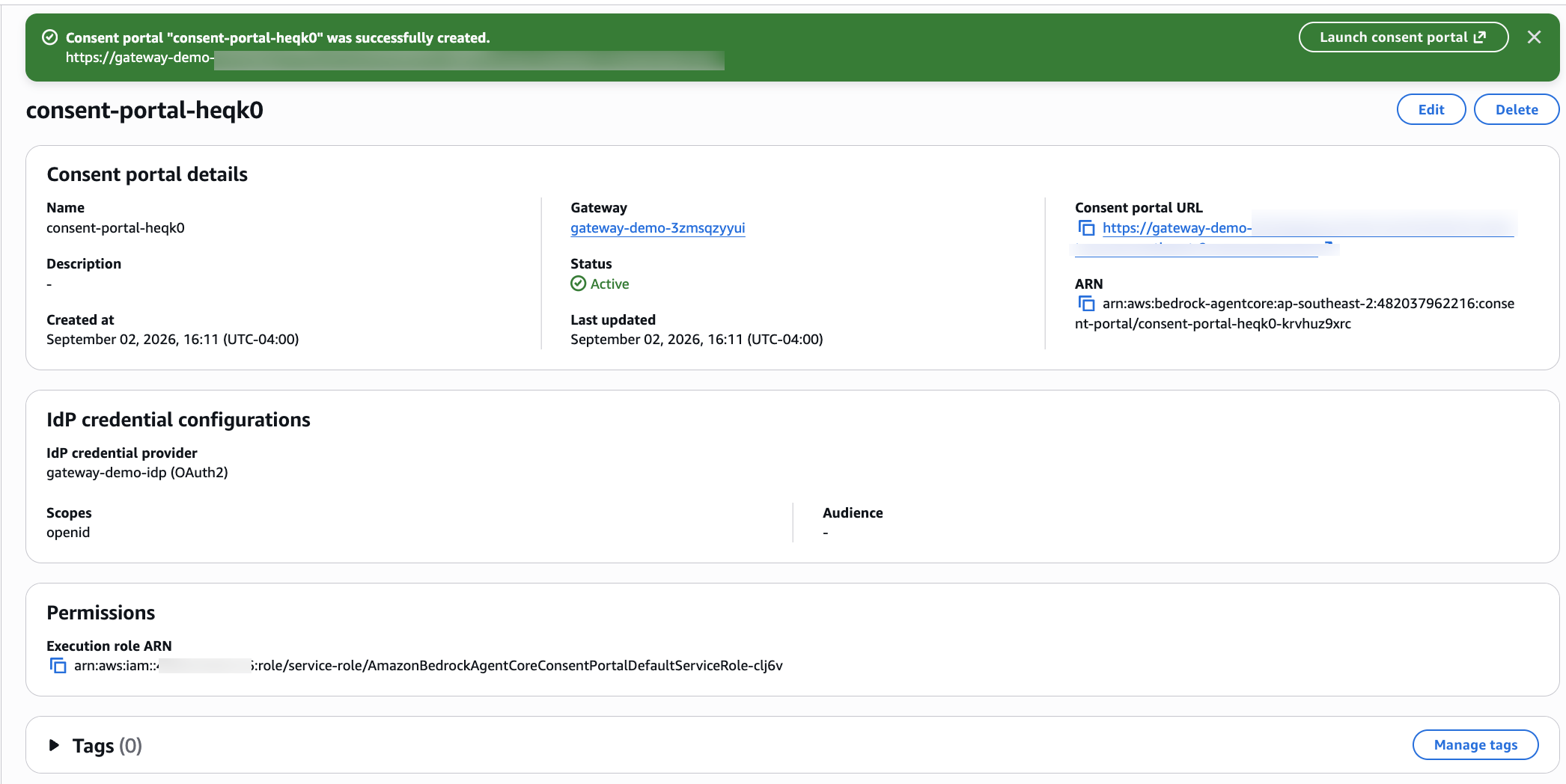
- Portal Deployment: Once the gateway is configured, the system generates a unique portal URL. This URL becomes the primary touchpoint for end users.
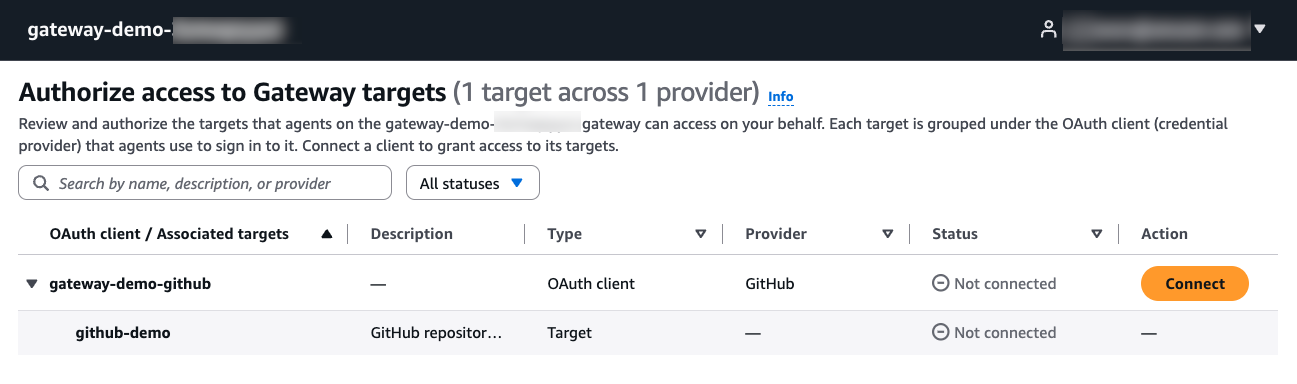
- End-User Consent: When a developer accesses the portal, they authenticate via their standard company credentials. They are then presented with a clear interface detailing which services the AI agent is requesting to access. Once consent is granted, the portal handles the complex handshake, and the resulting tokens are stored securely in the AgentCore Identity token vault.
Analysis of Technical Implications
The shift toward managed consent portals carries significant implications for enterprise security and development productivity. By moving the session binding logic from the client-side infrastructure to a managed AWS service, organizations benefit from improved auditability and reduced attack surfaces.
Data from recent industry surveys suggests that authentication and identity management remain the top concerns for organizations scaling their generative AI deployments. By using AWS CloudTrail to record every consent operation, administrators gain a granular, immutable log of when, how, and by whom permissions were granted. This visibility is essential for compliance with regulatory frameworks like SOC2 or GDPR, which require strict oversight of how third-party applications interact with user data.
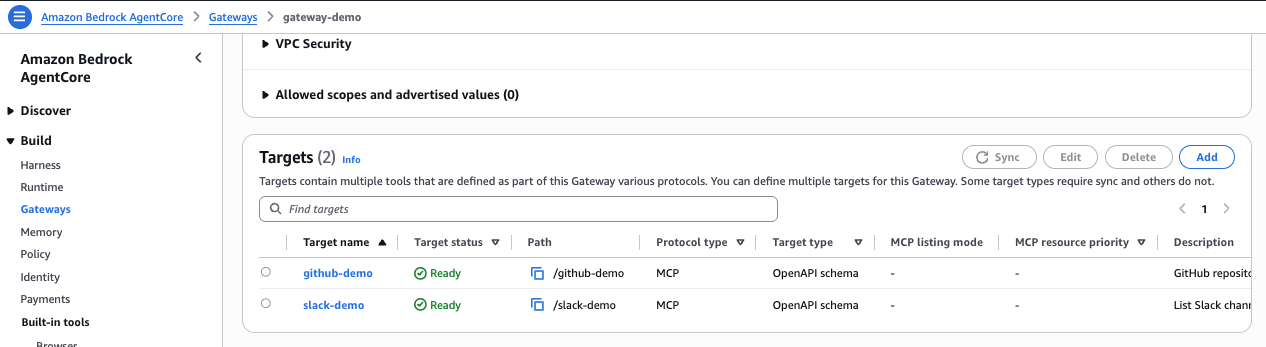
Furthermore, the integration with popular IDE clients—including Visual Studio Code, Cursor, and Claude Code—means that developers can enjoy a frictionless experience. Once the initial consent is provided, subsequent tool calls within the IDE are authenticated automatically, eliminating the "token fatigue" that often leads users to bypass security protocols.
Security Architecture and Token Management
The architecture of the Consent portal is designed to prevent common OAuth vulnerabilities, such as credential leakage or unauthorized token access. By acting as an intermediary, the portal ensures that the raw OAuth tokens never touch the client-side code directly. Instead, the AgentCore Identity token vault acts as a secure repository, managing the lifecycle of these tokens.
The use of GetResourceOauth2Token events in CloudTrail provides a forensic trail for every authorization request. Each event captures the credential provider, the requested scopes, and the specific OAuth flow used, all while redacting sensitive state and token information. This level of transparency is a marked improvement over traditional manual implementations, where logs were often fragmented across multiple services and endpoints.
Industry Impact and Future Outlook
The release of the Consent portal reflects a broader industry trend toward "agentic" workflows. As AI agents move from simple chatbots to sophisticated autonomous assistants capable of executing code and managing infrastructure, the underlying identity frameworks must evolve in tandem.
Industry observers note that this move by Amazon Bedrock AgentCore is likely to accelerate the adoption of Agent-as-a-Service models within the enterprise. By offloading the "heavy lifting" of security compliance and identity federation, companies can focus on building bespoke AI tools rather than managing the infrastructure required to secure them.
The reliance on standard protocols like OAuth 2.0 ensures that the Consent portal remains interoperable with a wide array of existing SaaS platforms. Whether a firm uses Microsoft Entra ID, Okta, or Auth0, the integration patterns remain consistent, reducing the technical debt typically associated with migrating to new AI-enabled workflows.
Conclusion
The Amazon Bedrock AgentCore Consent portal represents a significant step forward in the maturation of AI-driven enterprise tools. By providing a secure, scalable, and manageable way to handle user consent and session binding, AWS has provided a blueprint for how organizations can safely unlock the potential of AI assistants.
For administrators, the benefits are clear: reduced administrative overhead, improved compliance, and a simplified security architecture. For developers, the value lies in the seamless, uninterrupted workflow that allows them to remain focused on coding rather than managing authentication tokens. As organizations continue to integrate AI agents into their core development pipelines, the adoption of robust, managed identity solutions like the Consent portal will be a critical factor in determining the success and security of these initiatives.
With the release of these capabilities, the barrier for deploying intelligent coding assistants has been significantly lowered, setting a new standard for identity management in the age of generative AI. The documentation provided by Amazon, including specific GitHub samples for various identity providers, underscores a commitment to making these sophisticated security workflows accessible to teams of all sizes, ensuring that the next generation of AI development is both productive and secure.