The Evolution of PC Building: Why Compact Form Factors and Mini-ITX Cases Are Redefining Modern Computing

The landscape of personal computing has shifted dramatically over the past decade, characterized not by exponential leaps in raw processing speeds, but by a refined focus on spatial efficiency and thermal engineering. Veteran software developer and industry commentator Jeff Atwood recently detailed his first major system overhaul since 2015, highlighting a broader industry trend: the maturation and stabilization of traditional desktop hardware, paired with a surging demand for high-performance, compact form-factor (SFF) builds.
For decades, the personal computer enthusiast market was defined by massive full-tower chassis, sprawling multi-GPU setups, and extensive custom water-cooling loops. However, as silicon efficiency has improved and processor architectures have matured, the incentive for routine, massive hardware upgrades has waned. This plateau in consumer hardware urgency—often described informally as the maturation of the PC market—has redirected builder enthusiasm toward architectural miniaturization: packing workstation-grade performance into footprints historically reserved for home video game consoles.
A Thirteen-Year Retrospective on Hardware Evolution
To understand the current state of SFF PC building, one must examine the timeline of desktop evolution. Over a 13-year span documented through continuous personal build logs, hardware trends have transitioned from prioritizing raw physical expansion toward optimizing density.

In the early 2010s, standard desktop builds routinely utilized mid-to-full tower cases to accommodate multiple storage drives, optical media bays, and oversized expansion cards. By the mid-2010s, the widespread adoption of solid-state drives (SSDs) utilizing the M.2 form factor eliminated the necessity for internal 3.5-inch and 2.5-inch drive bays, clearing the path for radically smaller internal layouts.
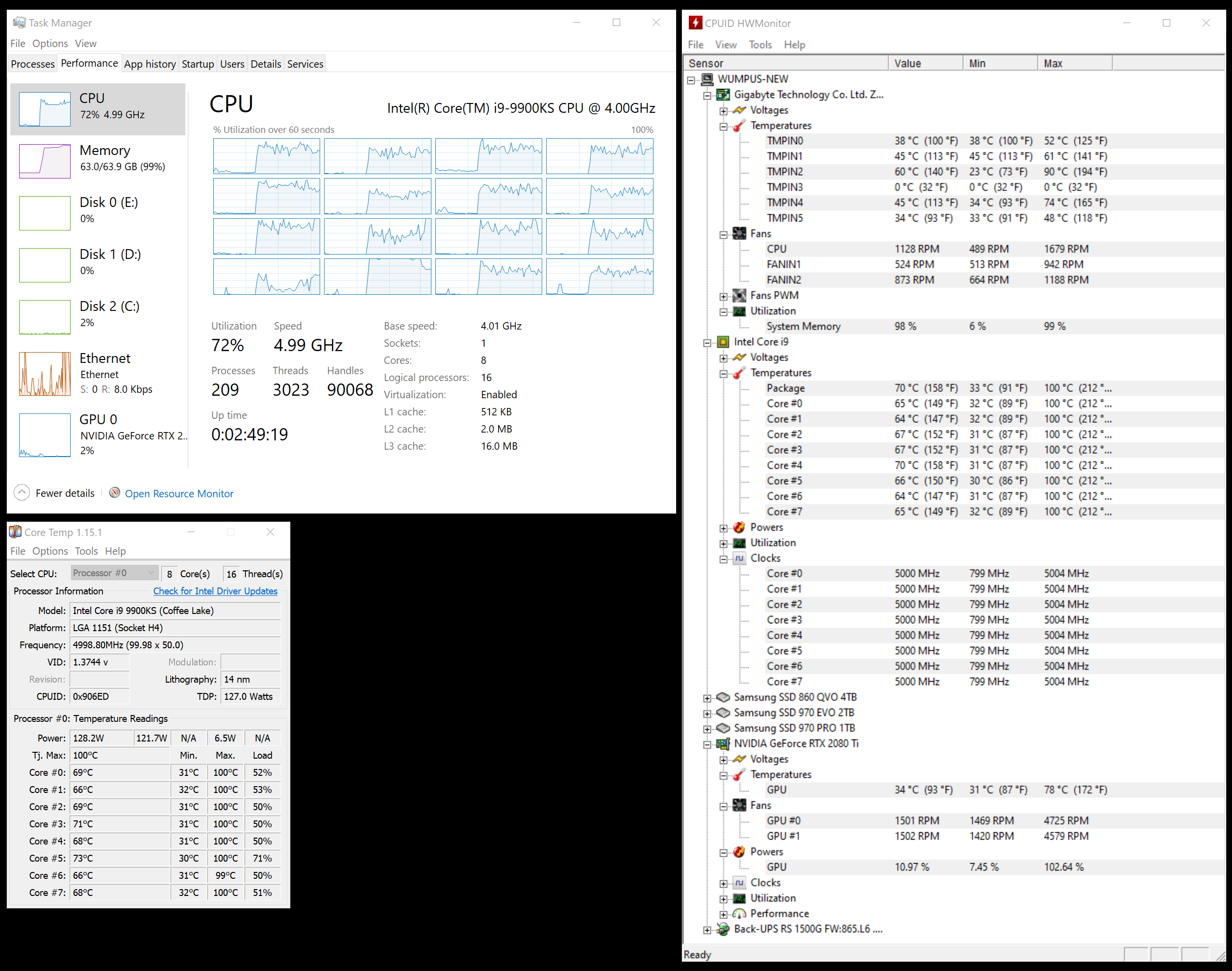
Despite these advancements, high-end components—particularly enthusiast-tier graphics processing units (GPUs) and high-wattage central processing units (CPUs)—historically demanded large chassis for adequate heat dissipation. Atwood’s recent hardware refresh bridges this gap, contrasting a lightly overclocked Intel Core i7-7700K system from the mid-2010s with modern multi-core architectures that double both processing core counts and memory capacity while occupying a fraction of the desk space.
The Rise of Sub-20-Liter Engineering
The modern vanguard of desktop design centers on maximizing power within a volume of less than 20 liters. This philosophy places modern high-performance PCs in direct volumetric comparison with living room gaming consoles, demonstrating a remarkable efficiency ratio.
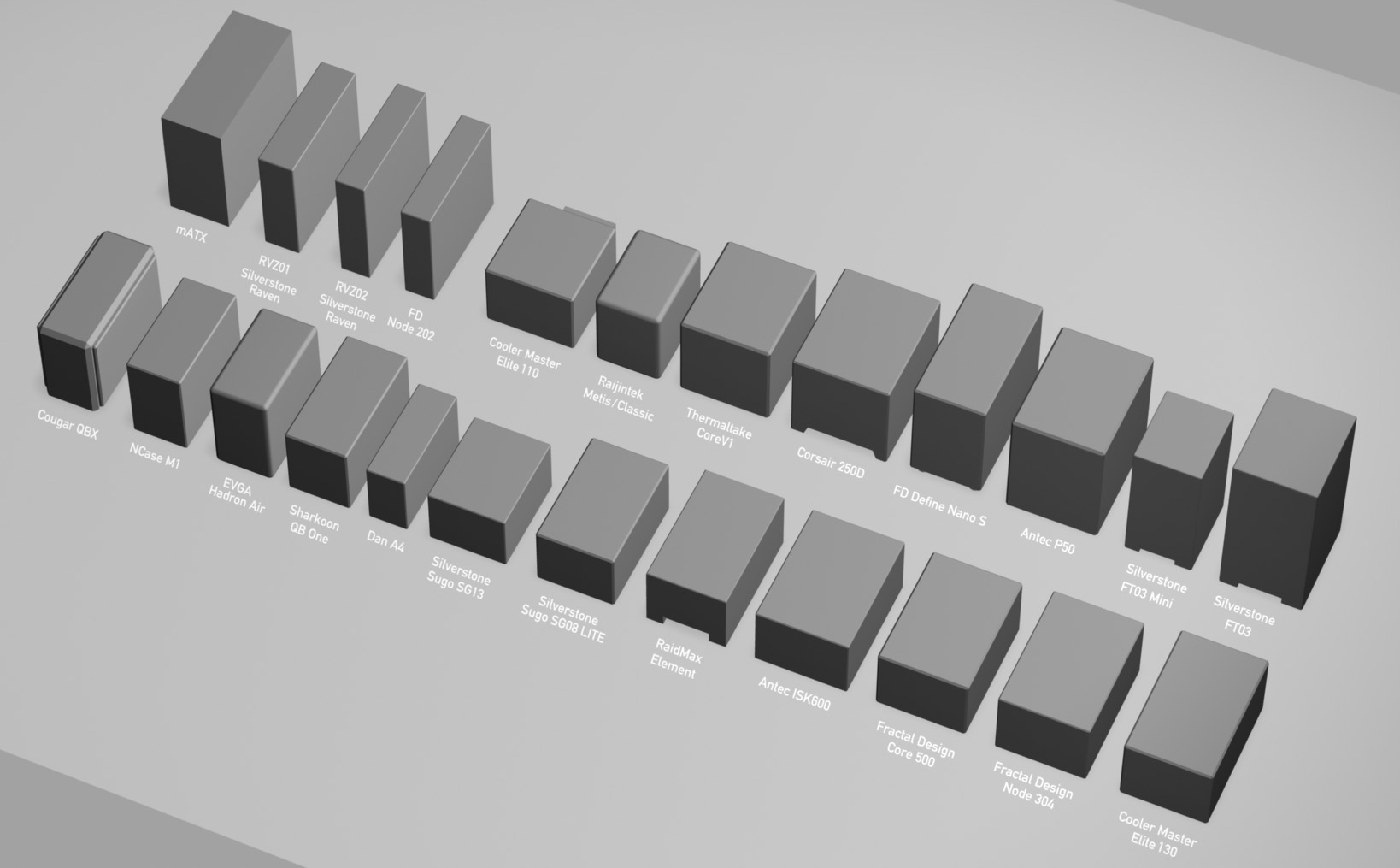
To contextualize the scale of contemporary Small Form Factor design, industry-standard chassis dimensions illustrate the tight tolerances required:
- DAN A4-SFX: Measures 200mm × 115mm × 317mm, totaling approximately 7.3 liters. It represents one of the most compact standard mini-ITX enclosures achievable without proprietary, custom-manufactured internal components.
- Silverstone RVZ02 / ML08: Measures 380mm × 87mm × 370mm, totaling approximately 12.2 liters.
- nCase M1: Measures 240mm × 160mm × 328mm, totaling approximately 12.6 liters.
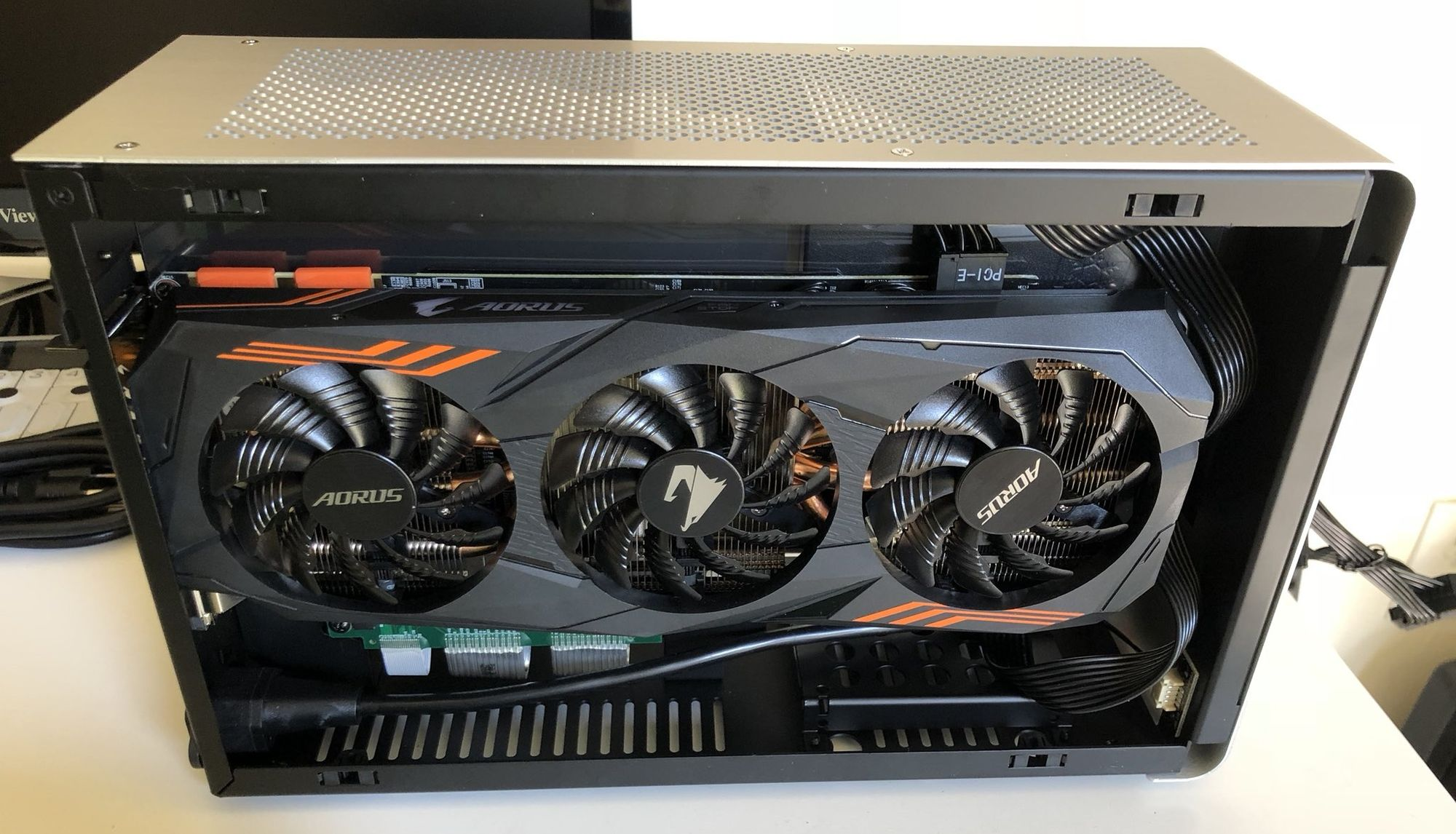
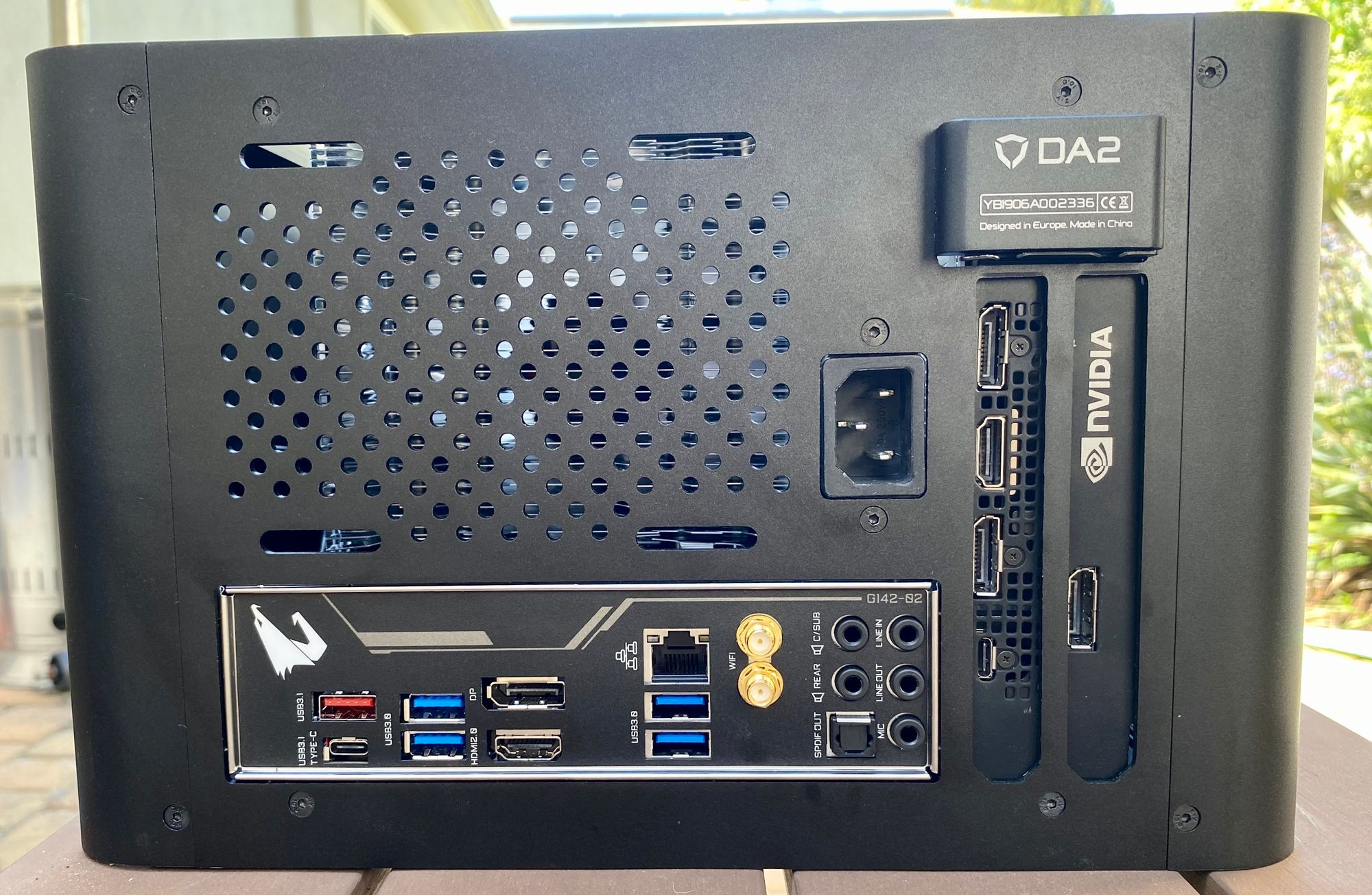
- Streacom DA2: Measures 180mm × 286mm × 340mm, totaling approximately 17.5 liters, offering increased clearance for cooling apparatuses and fan configurations.
For baseline comparison, eighth-generation gaming consoles occupied similarly tight envelopes: the PlayStation 4 Pro measured approximately 5.3 liters, while the Xbox One S occupied roughly 4.3 liters. SFF PC builders routinely leverage an enclosure roughly 50% larger than these consoles while yielding more than double the computational throughput and full general-purpose desktop operating system capabilities.
Thermal Management and Structural Innovation in Compact Chassis
Engineering a high-performance system within a sub-20-liter enclosure presents severe thermodynamic challenges. High-end CPUs and discrete graphics cards generate substantial thermal loads that must be exhausted efficiently to prevent thermal throttling and maintain hardware longevity.
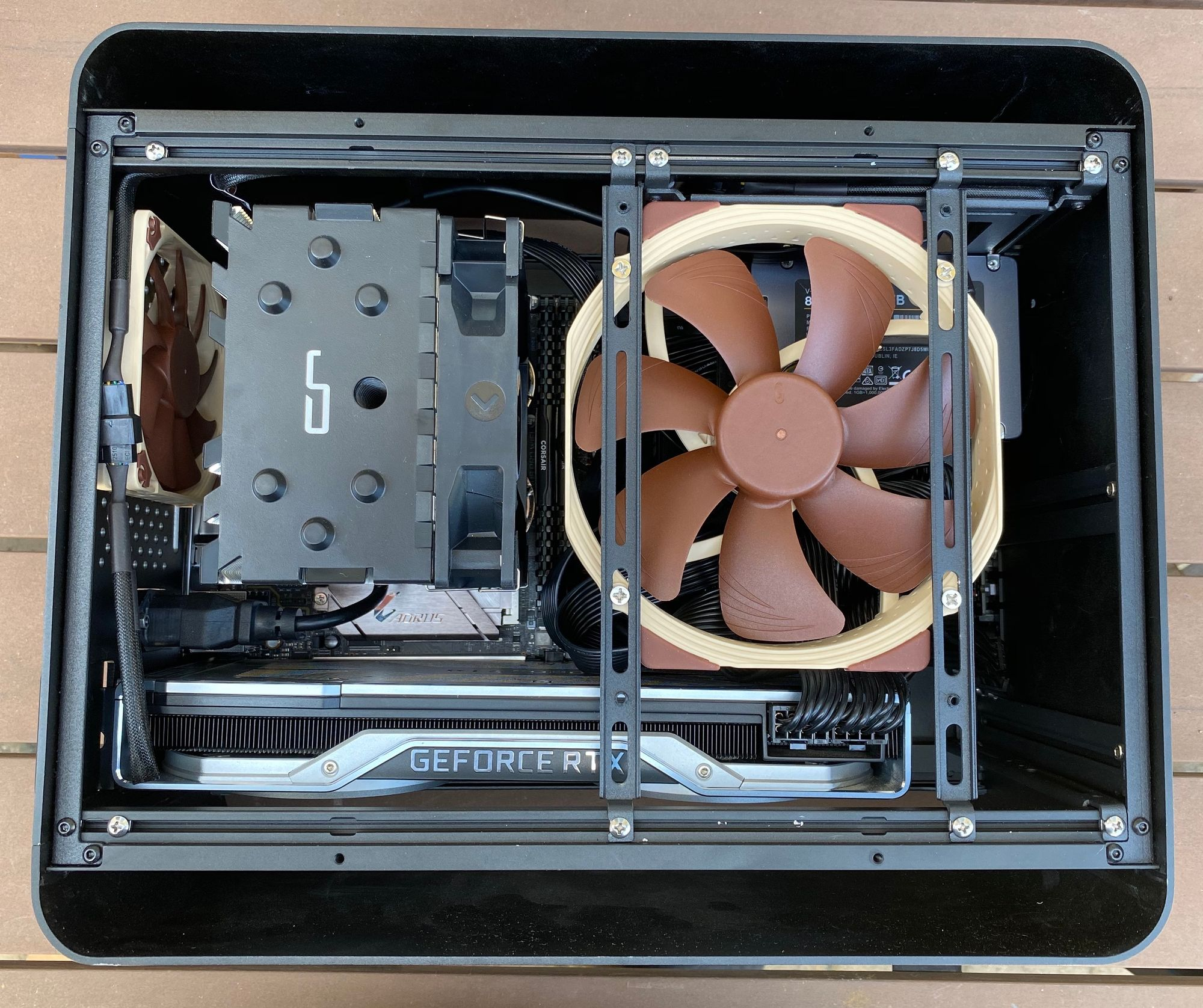
In evaluating ultra-compact cases like the DAN A4-SFX versus slightly more accommodating alternatives like the Streacom DA2, thermal engineers and hardware reviewers consistently note the trade-off between absolute volume and cooling capacity. While ultra-dense cases achieve minimal desk footprints, they frequently require meticulous cable management and strict component height limitations.
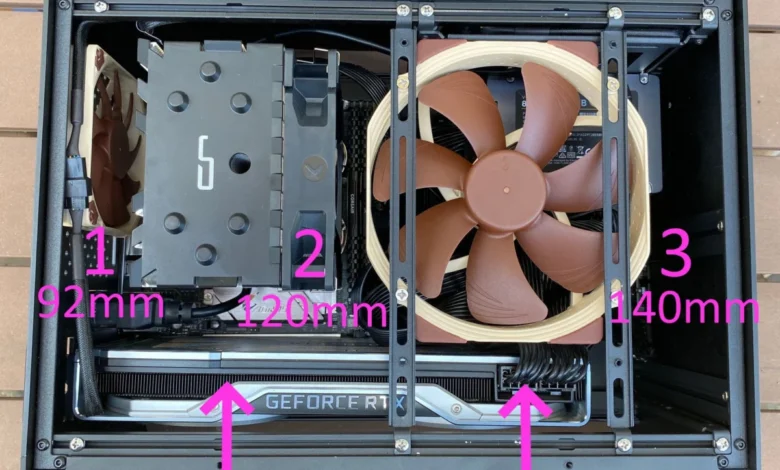
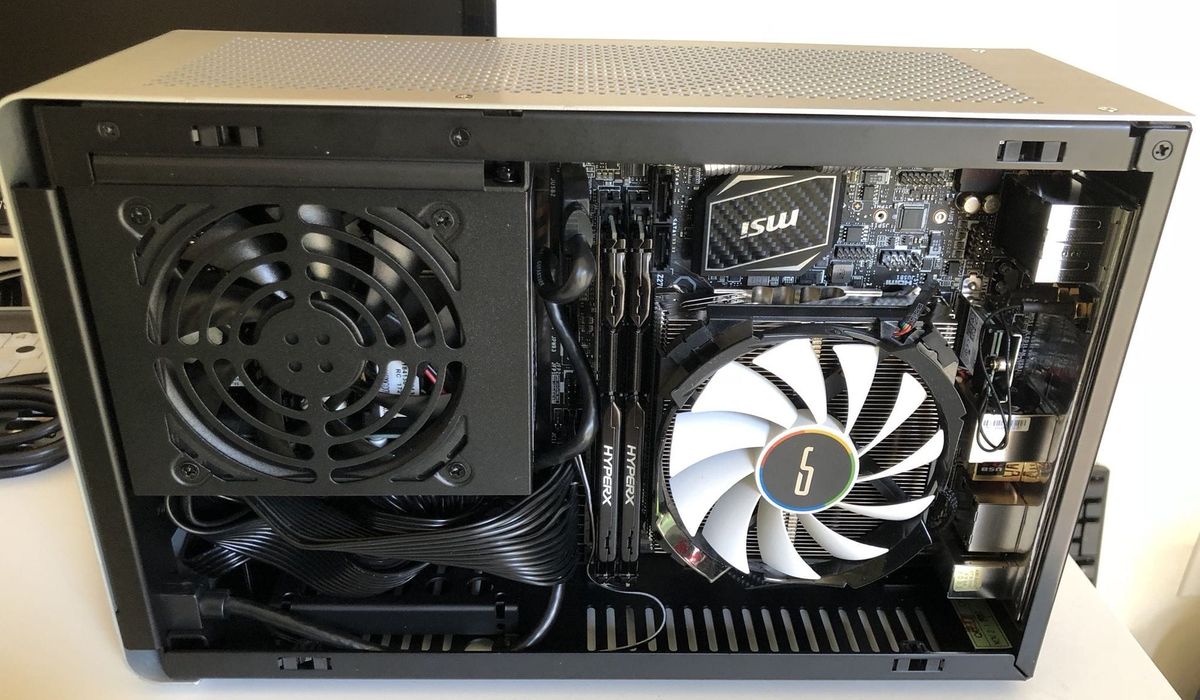
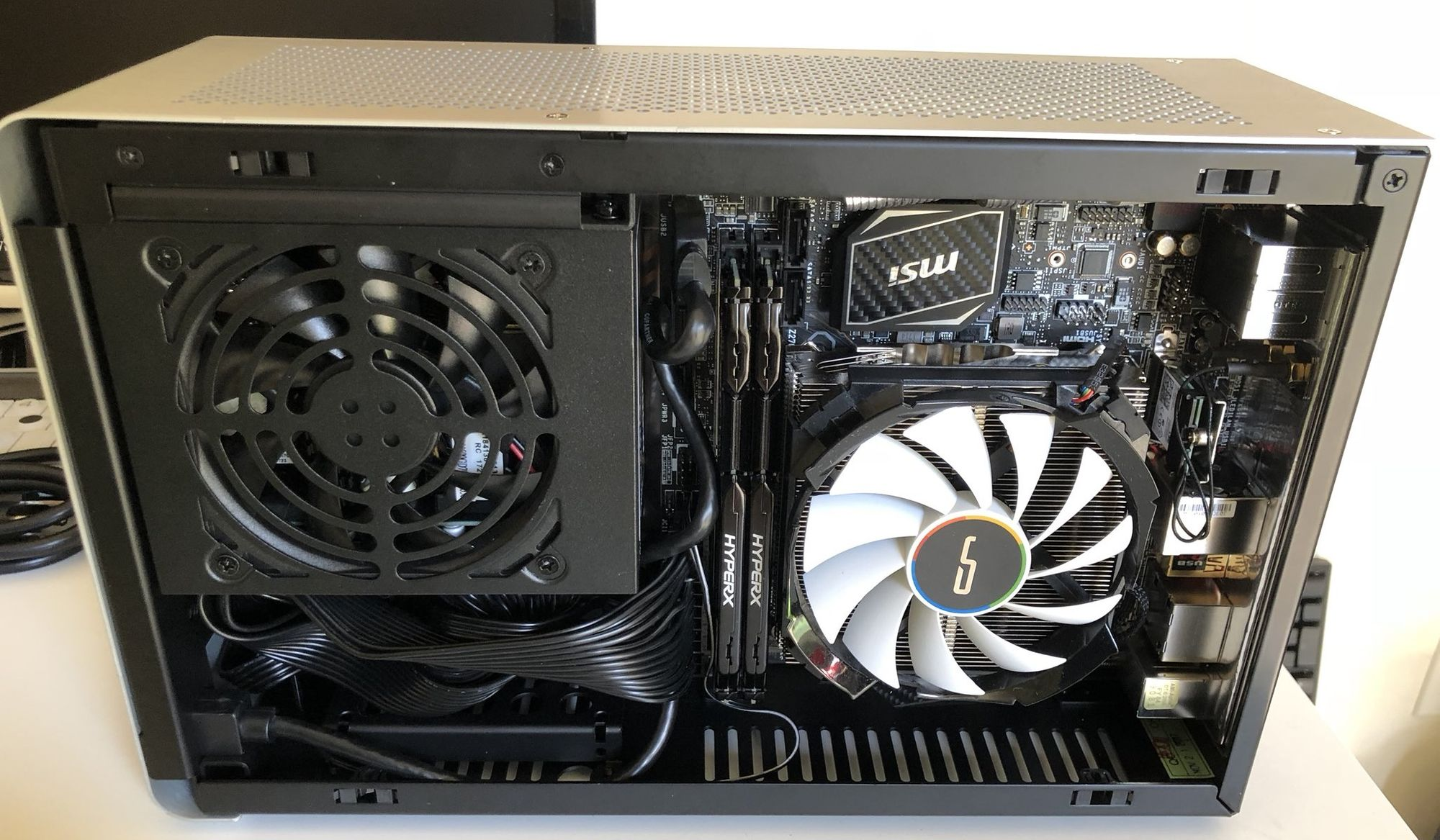
The Streacom DA2 adopts a hybrid open-air philosophy, featuring filtered mesh panels on its top and bottom boundaries alongside a versatile internal bracket system. Practical hardware testing indicates that removing restrictive solid acrylic top panels in favor of open mesh configurations dramatically reduces ambient internal temperatures. Because the front fascia of the chassis remains entirely solid, maintaining unhindered vertical airflow through bottom intake and top exhaust pathways is critical for maintaining system stability under sustained, multi-hour burn-in testing.
Furthermore, builders navigating these tight spaces must choose between air cooling and closed-loop liquid cooling. While historical failures in early-2000s liquid cooling systems have left some veteran builders skeptical of fluid setups, modern all-in-one (AIO) liquid coolers offer viable thermal relief for power-hungry processors where large air towers cannot physically fit.
The Simplified Assembly Process of Modern Hardware
Paradoxically, while shrinking the physical enclosure introduces complex spatial challenges, the actual process of assembling a modern personal computer has become remarkably streamlined.
Decades ago, system builders routinely wrestled with complex IDE cable management, manual jumper configurations, and extensive peripheral expansion cards. In contrast, modern component integration focuses heavily on the motherboard surface itself. By installing the CPU, high-speed M.2 NVMe storage drives, memory modules, and a low-profile CPU cooler directly onto the mini-ITX motherboard prior to chassis installation, the primary assembly phase is largely complete before the board is even secured inside the case.
This modularity has lowered the barrier to entry for novice builders, even within specialized SFF ecosystems. Innovative designs such as open-frame mini-ITX monuments and ultra-dense shoebox cases demonstrate that aesthetics and performance no longer require massive desktop footprints.
Broader Implications and Industry Outlook
The pivot toward compact form factors reflects a broader maturation of the consumer hardware market. As performance gains become more incremental and generational leaps require heavier power draws, the value proposition of desktop computing has shifted toward ergonomics, workspace minimalism, and spatial efficiency.
Manufacturers are responding to this demand by engineering motherboards, power supplies, and cooling solutions specifically tailored for mini-ITX and micro-ATX standards. The traditional full-tower desktop is increasingly ceding ground to sleek, high-density powerhouses that deliver workstation-class capabilities without dominating the physical office environment. As thermal design innovations continue to evolve, the sub-20-liter PC is poised to remain the definitive standard for enthusiast computing in the foreseeable future.