The Amazon Working Backwards Methodology and the Evolution of Modern Product Development

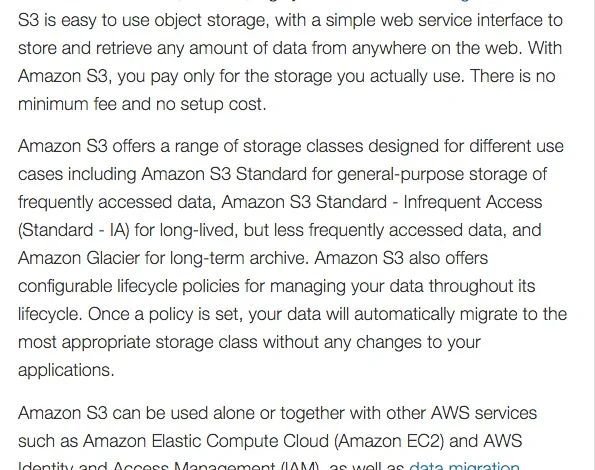
The paradigm shift in global computing began in earnest in 2006, when Amazon Web Services (AWS) launched its Simple Storage Service (S3). This event effectively democratized enterprise-grade infrastructure, transforming the economics of software development. Before this, startups required substantial venture capital and months of hardware procurement just to launch a basic application. AWS reduced these barriers to entry to a matter of minutes, allowing a single developer to access the same computational power once reserved for Fortune 500 firms. Today, this unit has grown into an $11.5 billion run-rate enterprise, representing approximately 67% of Amazon’s total operating revenue as of the most recent fiscal reports, cementing its role as the backbone of the modern digital economy.
The success of AWS is not merely a result of technical prowess but is deeply rooted in a proprietary product management framework known as "Working Backwards." This methodology, which has since become a cornerstone of Amazon’s corporate culture, prioritizes customer experience over technical feasibility during the earliest stages of ideation.
The Chronology of the Working Backwards Framework
The philosophy of Working Backwards dictates that product development must begin with the final output: the press release. In the traditional software development lifecycle, engineering teams often define technical specifications before determining if a market need exists. Amazon reverses this trajectory. Before a single line of code is written, a product manager is tasked with drafting a simulated press release.
This document serves as the "North Star" for the project. It outlines the specific customer problem, explains why existing solutions—whether internal or external—are inadequate, and details how the proposed product will deliver a superior, transformative experience. This process acts as a rigorous filter; if a product manager cannot articulate the value proposition in a compelling press release, the initiative is typically abandoned before resources are wasted on development.
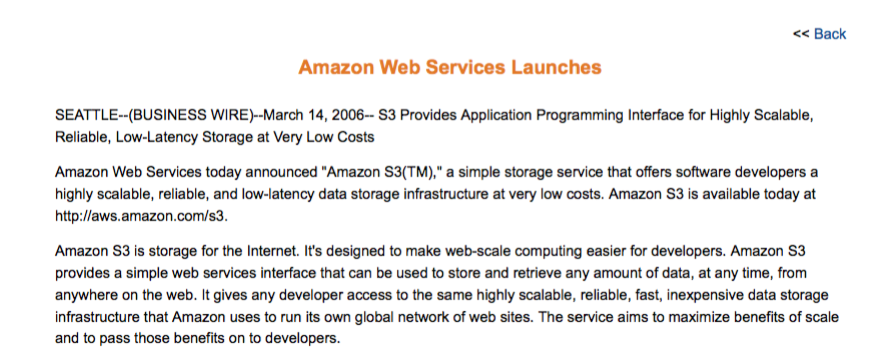
The historical evidence of this process is best illustrated by the development of S3. Andy Jassy, the current CEO of Amazon and the former leader of AWS, famously iterated through 31 distinct drafts of the original S3 press release before presenting it to Jeff Bezos. The final product that emerged years later remained remarkably faithful to that initial vision: a simple web service interface that allowed anyone to store and retrieve data from anywhere on the web. This longevity of vision—where the core value proposition remains unchanged for over a decade—stands in stark contrast to the frequent "pivots" and scrapped roadmaps common in the broader technology sector.
Supporting Data and Financial Impact
The financial implications of this approach are substantial. According to data provided by the Wall Street Journal, the efficiency and focus generated by the Working Backwards method directly contributed to record-breaking profits for the parent company. By ensuring that engineering teams are aligned with clearly defined customer outcomes, Amazon minimizes the "sunk cost fallacy" often associated with product development.
The reach of this infrastructure is immense. Current estimates indicate that one-third of daily internet users interact with websites hosted on AWS. From industry titans like Netflix and Slack to disruptive platforms like Airbnb, the global digital infrastructure relies on the scalability that the S3 model pioneered. When AWS launched, the goal was to provide a college student with the same access, scalability, and cost-efficiency as a multinational corporation. That democratization of technology has fueled a generation of digital startups, effectively shifting the global IT spend from capital expenditure (CapEx) on hardware to operational expenditure (OpEx) on cloud services.
Analysis of the Methodology
The "Working Backwards" process is more than a brainstorming exercise; it is a defensive measure against project bloat. By forcing teams to write a document that a customer would actually read, the organization forces itself to focus on human-centric outcomes rather than technical features that may be "cool" but ultimately irrelevant to the end-user.
In practice, this method serves as an iterative tool. During the development cycle, the press release is treated as a living document. If the engineering process reveals that a specific feature is not technically viable or is too costly, the team does not simply adjust the feature; they revisit the press release to determine if the customer value remains intact. If the product cannot be explained in simple terms, it is deemed too complex, and the team is required to simplify the design until it meets the standard set by the original vision.
This approach effectively short-circuits the traditional "waterfall" or "agile" models that can often become untethered from the actual market. It replaces the speculative nature of roadmaps with a static, high-level goal that provides guidance throughout the inevitable challenges of coding, debugging, and deployment.
Broader Implications for Industry Culture
The success of the Working Backwards methodology has prompted a wider cultural shift in the tech industry, with many startups now adopting similar narrative-based planning. However, experts note that the strategy only works when it is embedded in the organizational fabric. It cannot be mandated from the top down; it must be practiced at all levels of the company.

For founders and product managers, the lesson is clear: technical debt is often the result of poor initial planning. By spending time rewriting a narrative or a blog post—which is significantly less expensive than refactoring code—companies can identify flaws in their logic before they are baked into the architecture of a product.
Furthermore, the focus on "things that do not change" is a key element of the Amazon strategy. While technologies, frameworks, and user interfaces evolve, the core human desire for speed, simplicity, and reliability remains constant. By anchoring development on these permanent values, companies can build products that withstand the volatility of the digital market.
Official Perspectives and Market Reaction
While internal documentation at Amazon is strictly controlled, public discussions by former executives, such as Ian McAllister, have shed light on the rigorous nature of these sessions. The consensus among analysts is that the process fosters a culture of accountability. Because the product manager is essentially "committing" to the press release, there is a strong incentive to ensure that the final product lives up to the promises made in the document.
The secondary impact of this methodology is the reduction of organizational friction. When departments—marketing, engineering, and sales—all work from the same foundational document, the cross-functional communication improves. Every stakeholder understands the "Why" behind the product, which allows for more efficient decision-making during the launch phase.
Conclusion: The Sustainability of Customer-Centricity
The enduring success of AWS, and by extension the broader Amazon business model, is a testament to the idea that the most effective way to build a product is to start with the customer’s needs and work backward to the technology. While the methodology is not a guarantee of success, it provides a disciplined framework that prevents companies from losing sight of their primary mission.
In an era where technology companies are often criticized for prioritizing complexity over usability, the Amazon approach remains a relevant case study in efficiency. For any organization aiming to build a lasting product, the integration of customer-centricity into the permanent development process is not just a competitive advantage—it is a foundational requirement for survival in a crowded and rapidly evolving marketplace. As the industry continues to advance, the ability to clearly articulate the value of a product before a single line of code is written may prove to be the most important skill in the modern product manager’s repertoire.
Related posts: