The Death of the Town Square: How the Transformation of Twitter under Elon Musk Accelerated the Decentralized Web Movement


Software engineer, blogger, and Discourse co-founder Jeff Atwood recently added his voice to the growing chorus of tech industry veterans bidding farewell to Twitter, now rebranded as X. In a comprehensive critique reflecting on the platform’s evolution following its acquisition by billionaire Elon Musk, Atwood argued that the platform’s current trajectory exemplifies the fundamental vulnerabilities of centralized social media infrastructure. Drawing on philosophical insights, historical precedents of internet culture, and economic critiques of digital spaces, Atwood urged users to abandon the platform entirely in favor of open-source, federated alternatives like Mastodon.

The Shift in Centralized Social Media Governance
The critique centers on the inherent risks of entrusting vast digital public squares to single corporate entities or autocratic leadership. According to Atwood and fellow commentators referenced in his analysis, the architecture of early social media relied on forcing millions of users into centralized digital colosseums without adequate scaling mechanisms for human psychology or governance.
When Elon Musk acquired Twitter in late 2022, the platform underwent rapid and sweeping structural changes. Workforce reductions, shifts in content moderation policies, and alterations to verification systems transformed the daily user experience. Industry analysts and long-term users noted that these managerial decisions fundamentally altered the platform’s cultural and operational norms. For many digital veterans who had utilized the platform since its inception in 2007, the swift dismantling of established moderation frameworks and community standards signaled the end of an era for online discourse.

Chronology of the Transition and Industry Fallout
The erosion of user trust in major social platforms did not begin overnight, but the acquisition accelerated a mass migration toward decentralized networks.
- Late 2007 – 2022: Twitter operated as a centralized hub for real-time news, professional networking, and social commentary, maintaining a distinct cosmopolitan culture despite periodic content moderation controversies.
- October 2022: Elon Musk finalized his acquisition of Twitter, initiating immediate executive turnover, mass layoffs, and a restructuring of trust and safety teams.
- Late 2022 – 2023: Prominent academics, developers, and media figures began announcing their departures, citing worsening platform health, increased visibility of harmful content, and unpredictable policy enforcement. Concurrently, federated platforms like Mastodon experienced exponential user growth.
- Present: Industry leaders continue to evaluate the long-term viability of centralized networks, placing renewed emphasis on decentralized protocols and self-hosted community forums.
Economic Realities and the Case for Decentralization
Atwood’s commentary extends beyond platform-specific grievances to target the broader economic model of "free" commercial social media. He characterizes users of centralized networks as "digital sharecroppers," laboring to generate content, engagement, and data value that ultimately enriches private corporate entities.
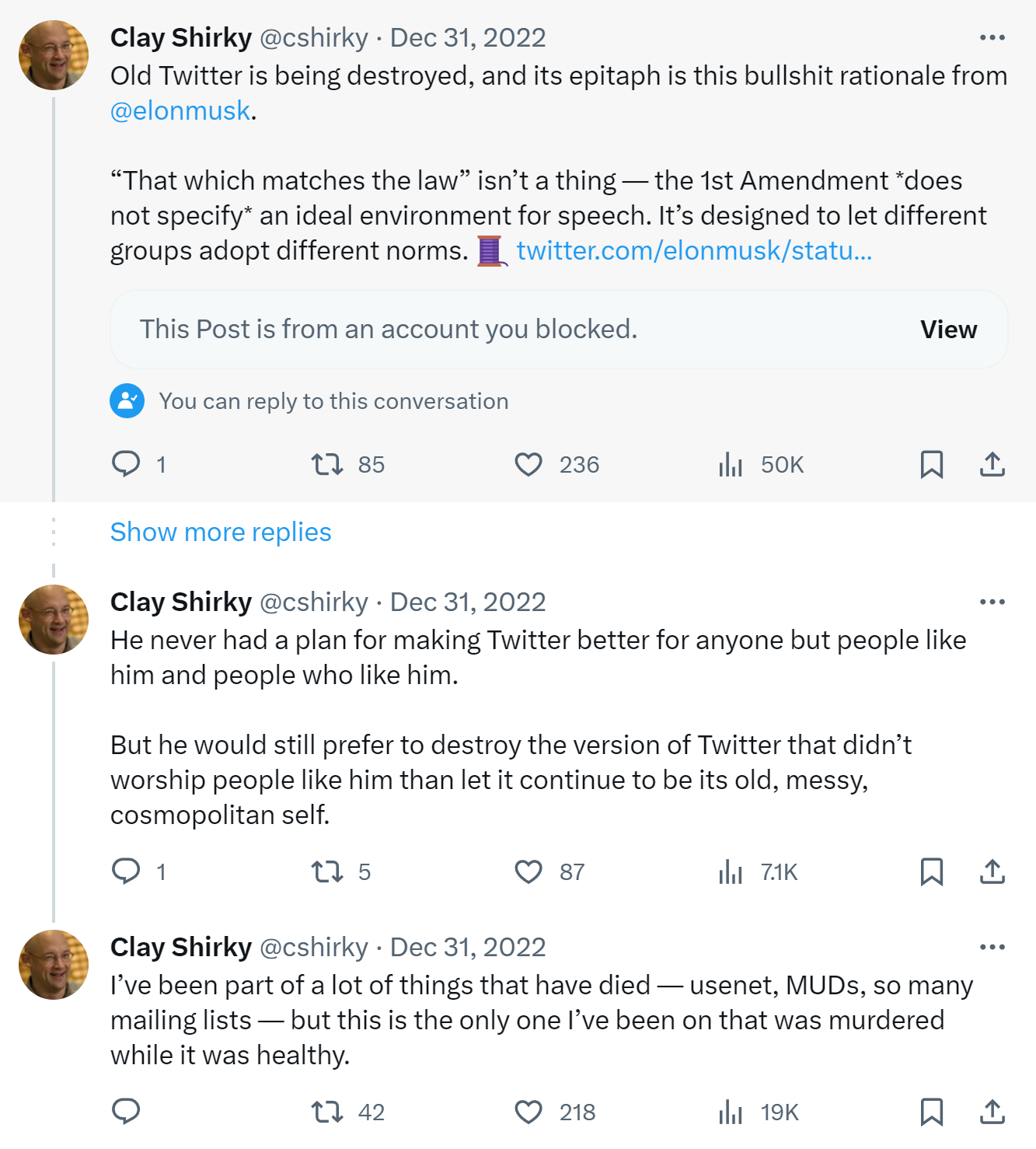
In contrast, decentralized and open-source models—such as the Discourse forum software co-created by Atwood, or federated networks operating on the ActivityPub protocol—shift ownership back to the users and administrators. While these alternatives often require direct financial contributions, administrative overhead, and community moderation efforts, proponents argue they offer sustainable protection against arbitrary policy shifts and corporate mismanagement.
The debate mirrors historical transitions in internet infrastructure, moving away from proprietary walled gardens toward open protocols reminiscent of early email, Usenet, and web hosting. Security analysts and software architects note that federation prevents any single point of failure or authoritarian control, ensuring that if a single server or administrator fails, the broader network remains intact.
Broader Implications for Digital Discourse
The systemic changes at X and the subsequent exodus highlight a critical juncture for digital communication policy. As governments worldwide grapple with issues of content moderation, free expression, and platform liability, the movement toward decentralization presents a structural challenge to traditional Silicon Valley business models.
Observers suggest that the fragmentation of social media into smaller, interoperable communities may mitigate the psychological toll associated with massive, unfiltered digital crowds. By aligning online architecture with human cognitive limits—such as Dunbar’s number regarding stable social relationships—federated networks aim to foster more sustainable, localized discourse.
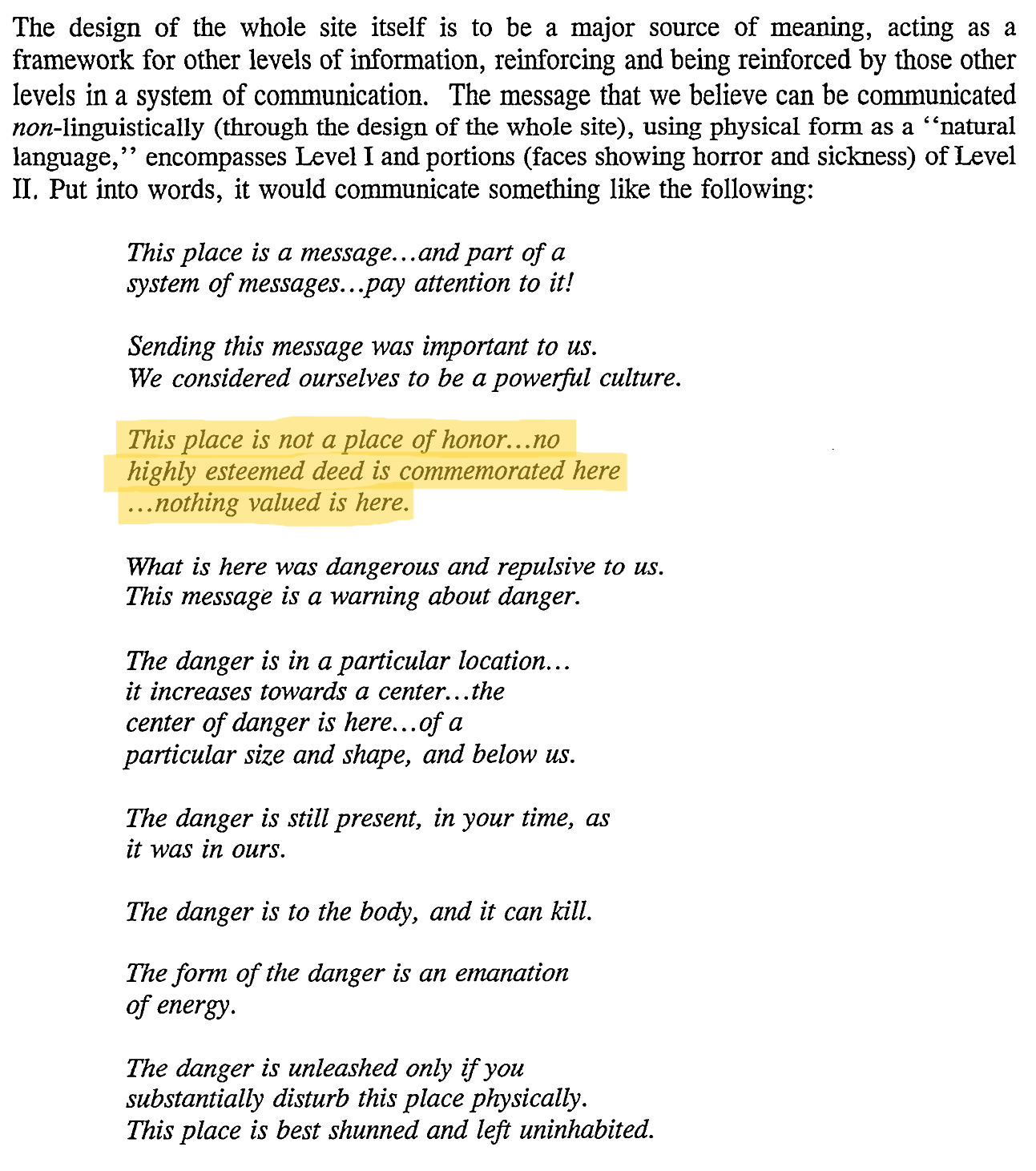
To encourage this structural shift and support broader social causes, Atwood announced a charitable initiative auctioning limited-edition brass plaques commemorating viral internet culture, with all proceeds directed to The Trevor Project, an organization providing crisis intervention and suicide prevention services to LGBTQ+ youth.
Ultimately, the discourse surrounding the decline of traditional Twitter serves as a case study in digital sovereignty. As users increasingly recognize the hidden costs of commercial platforms, the push for open-source, user-owned infrastructure continues to gain momentum as a viable alternative for the future of the internet.