Dustin Kuhns Redefines Social Media Management for Arts and Culture, Championing Consistency and Taste with Buffer’s Insights


In the dynamic and often challenging landscape of digital communication for non-profit and cultural entities, Dustin Kuhns has carved out a distinctive niche, operating a consultancy that eschews conventional social media management in favor of a strategic, logistics-focused approach he terms "arts and culture supply chain management." Since 2023, Kuhns has leveraged Buffer, a social media management platform, to streamline the complex workflows for a diverse roster of arts and culture organizations, overseeing more than 10 social media channels. His enduring commitment to Buffer, even as his business scaled significantly, underscores a preference for tools that align with his meticulous methodology and discerning aesthetic, rather than dictating it.
Kuhns, based in Quakertown, Pennsylvania, views his role less as a content creator and more as an architect of content flow, ensuring that an organization’s vision translates seamlessly into public-facing digital assets. "How does content go from leadership vision to a creative team and get put out into social media, email, the website, or advertising?" he queries, articulating the intricate journey of digital narratives. His clientele is broad, encompassing small teams within religious nonprofits, burgeoning film festivals, historic theatrical institutions, and established arts organizations, each with unique operational scales and communication needs.
The Foundational Challenge: Consistency Over Creativity
Early in his professional journey, Kuhns identified a recurring impediment to the success of these cultural organizations: it was rarely a deficit of creative talent or a weak brand identity. Instead, the primary struggle was a pervasive lack of consistency in their digital outreach. In a crowded digital sphere, sustained presence and coherent messaging are paramount for building and maintaining an audience, especially for entities that often rely on community engagement and donor support. Without a consistent drumbeat of communication, even the most brilliant creative work risks being overlooked. The solution, Kuhns realized, lay not in generating more content, but in finding a tool that could facilitate this consistency, adapting to the organization’s evolving needs without imposing rigid, counterproductive workflows. This insight became a cornerstone of his consultancy, guiding his choice of technological partners.
Kuhns’s own background provides a rich tapestry of experiences that inform his unique perspective. His formative years were steeped in music, performing in church, which later evolved into producing shows for other bands. This exposure to the performance arts instilled an innate understanding of audience connection and stage presence. Subsequently, several years spent in design and construction honed his appreciation for structure, efficiency, and aesthetic integrity. These diverse experiences culminated in a move into communications, where his cultivated sense of taste, refined through a passion for curating fine art exhibitions, became a significant asset. Clients, he notes, seek his expertise not just for technical execution, but for the confidence that comes from trusting his discerning eye. "They trust my taste," he affirms, highlighting the intangible value he brings to strategic content decisions.
A Strategic Preference for Focused Tools
In an era saturated with "all-in-one" marketing solutions promising comprehensive functionalities, Kuhns deliberately opts for a different path. His preference is for tools that excel at a focused set of tasks, integrating seamlessly into his bespoke workflows rather than overwhelming them with superfluous features. This philosophy is encapsulated in his pragmatic dictum: "I’ll choose a tool that has 75% of what I need and find workarounds for the other 25% before I’ll use one that has 200% of what I need, and then let all that extra capacity get in the way."
This strategic choice reflects a growing trend among experienced digital professionals who recognize that feature bloat can often hinder productivity rather than enhance it. The cognitive load associated with navigating overly complex interfaces, coupled with the time invested in learning and adapting to a tool’s prescribed methodology, can outweigh the benefits of its extensive capabilities. For a consultant managing a diverse portfolio of clients, each with distinct brand voices and operational rhythms, adaptability is key. Buffer’s ability to perform its core function—social media scheduling and publishing—with excellence, while allowing Kuhns the flexibility to tailor his approach, frees his attention to focus on the nuanced priorities and specific needs of each client. This ‘best-of-breed’ approach, where specialized tools are integrated for specific functions, often proves more efficient and effective for complex, multi-client environments than monolithic platforms.
Buffer’s Insights: Elevating Data-Driven Strategy
While Kuhns initially sought external solutions for deeper social media analytics, the introduction of Buffer’s "Insights" feature marked a significant evolution in his workflow. As an early adopter, he quickly recognized how Insights, Buffer’s new analytics, tracking, and reporting suite, could bridge previous gaps in data analysis without sacrificing his preference for focused tools. Two particular features have proven transformative for his operations:
-
Single-View Performance Data: For a professional managing a dozen or more social media accounts across various platforms, the ability to view performance data from every channel in a single, consolidated dashboard is invaluable. This eliminates the tedious and time-consuming process of logging into multiple native analytics platforms, aggregating data manually, and then attempting to derive comparative insights. This unified perspective is crucial for quickly assessing overall campaign effectiveness and identifying top-performing content across the entire client portfolio.
-
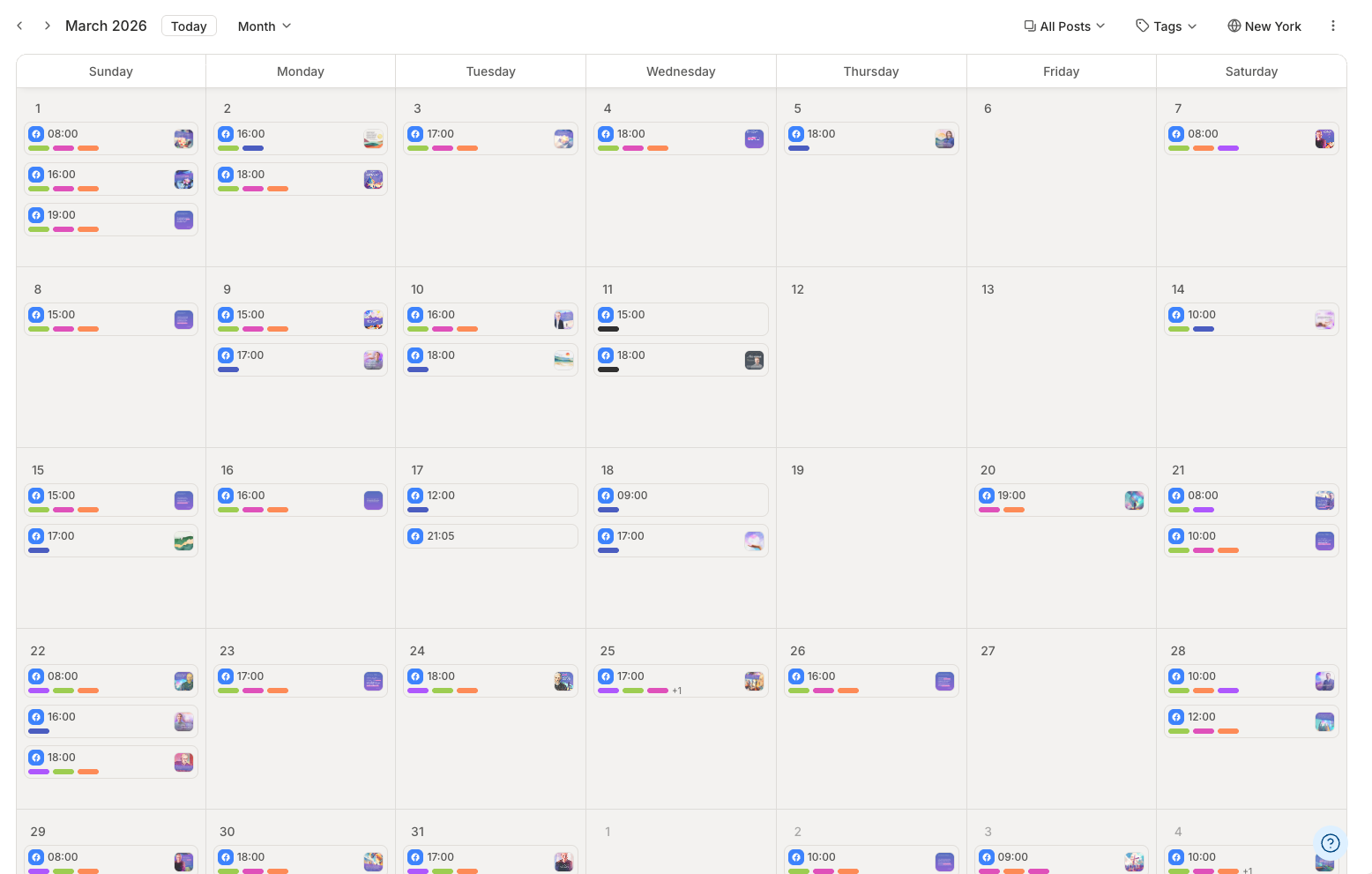
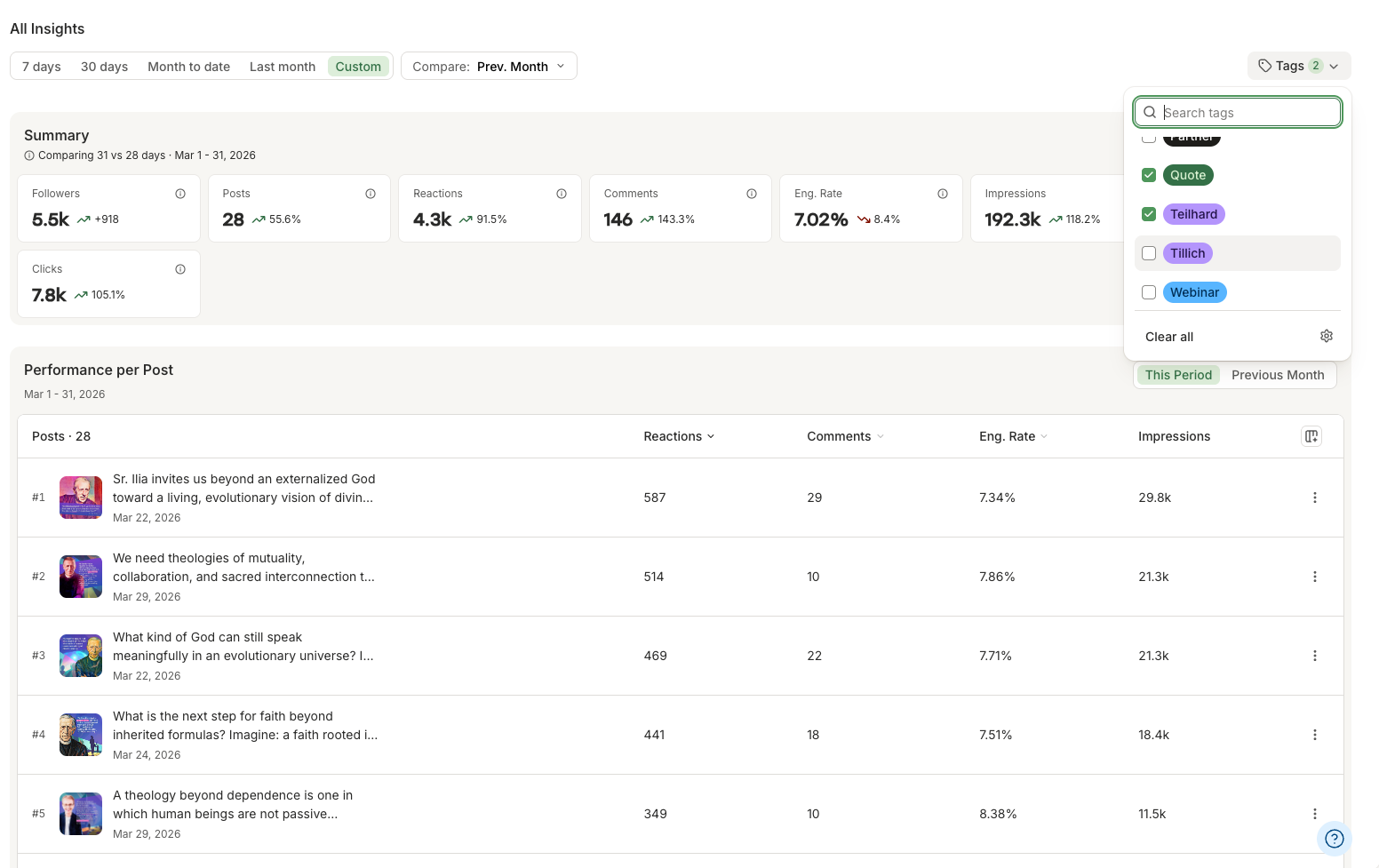
Robust Tagging System: The second, and perhaps most impactful, feature for Kuhns is Buffer’s tagging capability. This allows him to categorize posts using color-coded tags based on campaigns, themes, subjects, or any other relevant metric. Crucially, these tags feed directly into Insights, enabling granular performance review over time. This functionality transforms raw data into actionable intelligence, allowing Kuhns to dissect content performance with unprecedented precision.
Kuhns illustrates the power of tagging with an example involving a nonprofit client whose content frequently revolved around influential ideas and quotes from experts. By creating a series of quote graphics featuring various writers and subjects, and then organizing these posts with specific tags in Buffer, he could swiftly compare their performance. "In a matter of minutes, across a bunch of campaigns over a year, I can see how content from specific thinkers, on specific subjects, resonates with an audience and how that engagement changes," he explains.
The true value of this analytical depth lies in its application. These insights are not merely retrospective observations; they form the basis for strategic recommendations that extend far beyond social media. "These insights don’t just inform the social media," Kuhns emphasizes. "I can go back and say, people really resonate with this, and that can shape the client’s programming." For instance, if a particular theme or author consistently drives high engagement on social media, Kuhns can advise the client to develop a webinar on that subject, publish a newsletter article, or create a blog post focused on that thinker. In essence, a tag becomes a powerful audience barometer, directly influencing the client’s broader content strategy and future programming decisions, thus reinforcing the "supply chain management" ethos.
The Indispensable Role of Taste in Data-Driven Strategies
Despite his deep reliance on analytics, Kuhns is quick to articulate a critical nuance: data alone is insufficient. While acknowledging the necessity of identifying high-performing content to guide focus, he passionately argues that the element most frequently overlooked in contemporary social media strategies is taste. "Everyone’s critique of social media these days boils down to a central problem: taste never entered the conversation when we started using data to drive engagement at any cost," he contends.
This perspective highlights a significant ethical and strategic dilemma in the digital age. For example, a religious nonprofit might generate substantial "engagement" by intentionally or unintentionally courting controversy. However, much of this engagement could be hostile, negative, or misaligned with the organization’s core mission. While the data might show high views and interactions, Kuhns asks, "Does it further my client’s mission? Probably not." His judgment, informed by his cultivated taste and understanding of the client’s values, serves as a crucial filter. Data reveals what is performing, but his discernment determines which of those results are genuinely beneficial and worth pursuing. This approach ensures that social media efforts remain anchored to the client’s objectives and ethical framework, preventing a blind chase for metrics that might ultimately undermine their brand or mission.
This philosophy also explains his appreciation for Buffer’s approach to artificial intelligence. In an industry increasingly saturated with generative AI tools, Kuhns values Buffer’s restraint. "The one thing I love about Buffer right now is that it’s the only platform I work with that isn’t shoving generative AI in my face," he states. He understands that for many of his clients, particularly those in arts and culture or religious nonprofits, an overtly AI-generated voice would likely be met with skepticism or outright rejection from their communities. Insights, similarly, embodies this principle: its intelligence operates in the background, subtly surfacing patterns and trends for human review, rather than automating content creation or attempting to replicate a unique brand voice. This symbiotic relationship—where technology enhances human judgment rather than replacing it—is central to Kuhns’s successful methodology.
Broader Implications for Modern Social Media Management
Dustin Kuhns’s consultancy offers a compelling model for the evolving role of social media professionals. He transcends the traditional responsibilities of scheduling posts and monitoring comments, instead positioning himself as a strategic partner who manages the entire "supply chain" of digital content. His emphasis on consistency, his judicious selection of focused tools, and his unwavering commitment to integrating discerning taste with data-driven insights provide a blueprint for effective and ethical digital engagement, particularly within mission-driven sectors.
The challenges faced by arts and culture organizations—often characterized by limited resources, a strong reliance on community connection, and the imperative to maintain authenticity—make Kuhns’s approach particularly relevant. In a fragmented media landscape, where attention is a scarce commodity, the ability to consistently deliver high-quality, mission-aligned content is a competitive advantage. Tools like Buffer Insights, by offering granular data analysis and customizable reporting, empower consultants like Kuhns to not only demonstrate ROI but also to provide strategic guidance that shapes broader organizational programming and outreach.
As the digital ecosystem continues to evolve, the demand for adaptable platforms that support sophisticated, human-led strategies will only grow. Kuhns’s success with Buffer underscores the value of technology that serves as an intelligent assistant, amplifying human expertise and judgment, rather than attempting to replace it. For creators, social media managers, and agency owners who, like Dustin, trust their intuition as much as they trust their metrics, Insights provides the perfect blend of analytical power and operational flexibility. It allows for a holistic view of channel performance, side-by-side comparisons, and the ability to drill down into specific campaigns or tagged content.
Buffer’s commitment to making many of Insights’ features available on its free plan further democratizes access to powerful analytics, enabling even smaller organizations or individual practitioners to adopt a more strategic, data-informed, and taste-driven approach to their social media efforts. This accessibility aligns with the broader mission of empowering diverse voices in the digital sphere, a goal that Dustin Kuhns exemplifies through his innovative and impactful work in arts and culture supply chain management.