Comprehensive Analysis: A Deep Dive into PMP Training Giants Brain Sensei and The PM PrepCast

The landscape of professional project management certification is dominated by the Project Management Professional (PMP) credential, a globally recognized standard administered by the Project Management Institute (PMI). Aspiring and experienced project managers frequently seek robust training solutions to prepare for the rigorous PMP examination. Among the prominent providers in this competitive educational sector are The Project Management PrepCast, a long-standing entity founded by Cornelius Fichtner, and Brain Sensei, a newer but rapidly growing contender known for its innovative pedagogical approach. This article provides an in-depth comparison of their PMP training offerings, examining their methodologies, package structures, user experience, and support systems, while also contextualizing their roles within the broader professional development ecosystem.
The Evolving Demand for PMP Certification
The PMP certification remains a cornerstone for career advancement in project management. Recent data from PMI indicates that PMP-certified professionals earn, on average, 16% more than their non-certified counterparts globally, underscoring the tangible value of the credential. As project-oriented work continues to expand across industries, the demand for skilled and certified project managers is projected to grow significantly. This sustained demand fuels a robust market for PMP examination preparation courses, where providers like The PM PrepCast and Brain Sensei play a crucial role in equipping candidates with the necessary knowledge and strategies to pass the exam. The transition of the PMP exam content outline in recent years, placing greater emphasis on agile and hybrid methodologies alongside traditional predictive approaches, has also necessitated continuous adaptation and innovation from training providers.
Key Training Offerings and Package Structures
Both Brain Sensei and The PM PrepCast offer comprehensive training programs designed to meet the 35 contact hours required by PMI for PMP exam eligibility. However, their package structures and offerings present distinct choices for prospective students.
The PM PrepCast, a veteran in the field, is known for its extensive array of options, catering to a broad spectrum of learning preferences and budgets. While specific package names and inclusions can vary, its flagship offerings typically include a core video-based training curriculum, often bundled with a sophisticated exam simulator. The depth of content and the modular approach allow students to customize their study plans, focusing on areas where they need the most reinforcement. The company’s long history has allowed it to build a vast repository of resources, often updated to reflect the latest PMI standards and exam changes.

Brain Sensei, by contrast, generally simplifies its package structure, often focusing on a comprehensive self-paced course that integrates video lessons with interactive exercises and an exam simulator. This streamlined approach aims to provide a clear, all-inclusive path for students who prefer a single, well-defined training product. For the purpose of a direct comparison, the self-paced Brain Sensei course is best aligned with The PM PrepCast Elite package, as both include essential video lessons and a full-featured exam simulator, providing a foundational benchmark for evaluation.
Pedagogical Approaches: Interactive Engagement vs. Structured Lectures
The most significant divergence between Brain Sensei and The PM PrepCast lies in their fundamental training methodologies. These differences reflect distinct philosophies on effective adult learning and engagement.
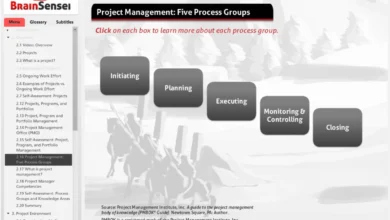
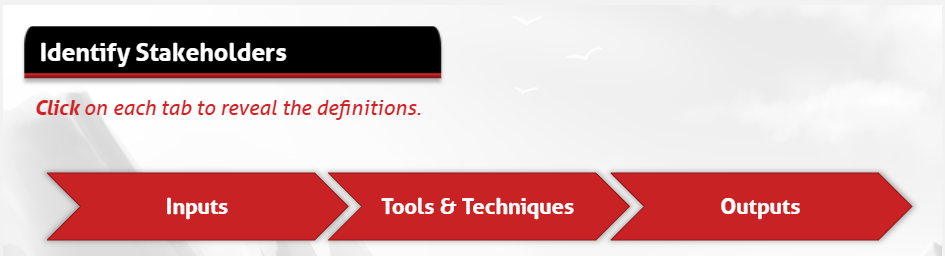
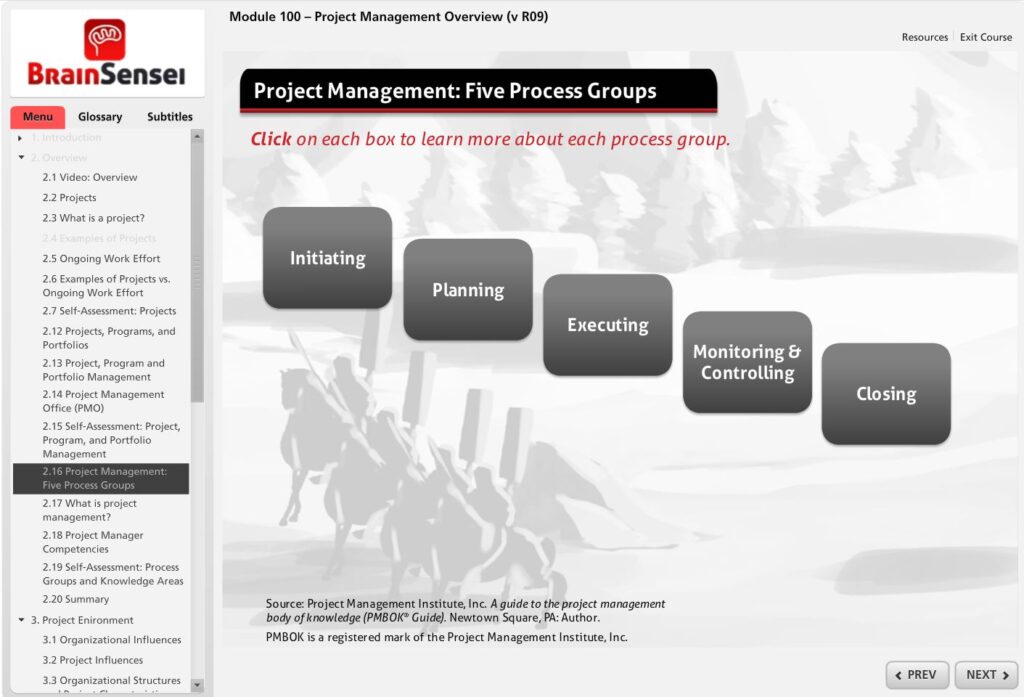
Brain Sensei employs an animated, interactive learning model that actively involves the student in the educational process. Its video modules often present content through engaging narratives and visual storytelling, inviting users to click on elements, solve mini-exercises, and navigate through material to reveal definitions and concepts. This gamified approach is designed to combat passive learning, promoting active recall and deeper understanding. For instance, learners might encounter scenarios where they must identify inputs, tools, techniques, and outputs (ITTOs) by interacting with on-screen elements, turning abstract project management processes into tangible, clickable experiences. However, it is noteworthy that some segments within Brain Sensei’s curriculum feature static slides with dense text, occasionally lacking narration, which might require learners to engage with the material more independently.
In stark contrast, The PM PrepCast adheres to a more traditional, lecture-based instructional style. Its core offering consists of video presentations led by Cornelius Fichtner, guiding students through concepts using a slide-based format reminiscent of a conventional classroom lecture. While the content is meticulously structured and comprehensive, the engagement model is largely passive; students primarily watch and take notes. The video modules are broken into digestible lessons, often concluding with a review question. However, students must manually pause the video to attempt an answer before the solution is revealed, placing the onus of active engagement entirely on the learner. The visual design of the slides, while clear, tends towards a more functional aesthetic rather than modern, dynamic graphics.
The choice between these two approaches often hinges on individual learning preferences. Learners who thrive on constant interaction, visual stimulation, and immediate feedback may find Brain Sensei’s method more effective for sustained engagement. Conversely, those who prefer a structured, didactic presentation, value detailed explanations from a single instructor, and are comfortable with self-directed note-taking and practice may gravitate towards The PM PrepCast. Educational psychology suggests that interactive elements can enhance retention and motivation for some learners, while others prefer the focused, uninterrupted flow of a lecture, allowing for deeper contemplation without constant interaction prompts.
User Interface and Learning Management Systems (LMS)
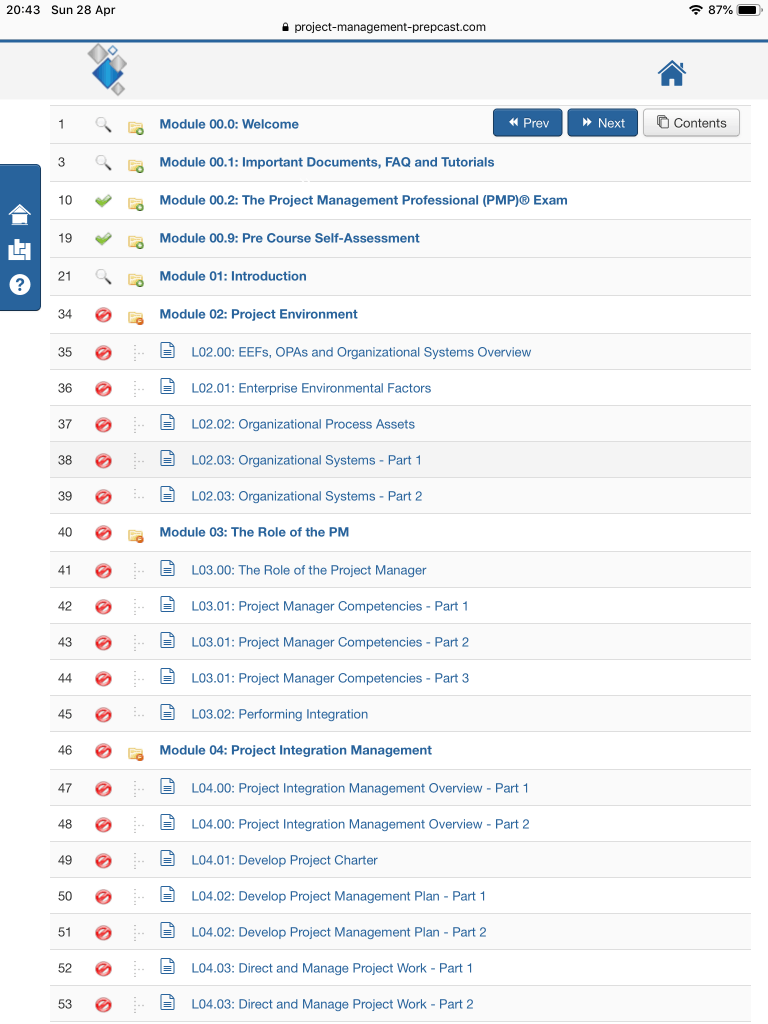
The effectiveness of an online training program is significantly influenced by its underlying Learning Management System (LMS) and user interface (UI). Both providers utilize proprietary or customized platforms, each with its own characteristics.
Brain Sensei’s platform is built on Articulate, a widely recognized authoring tool for e-learning content. This choice facilitates the creation of its interactive and animated modules. The UI is generally clean, though navigation within highly nested lessons can sometimes present a minor challenge due to the sheer volume of material. Users are advised to use compatible browsers, such as Chrome, to ensure optimal performance and full functionality of the interactive elements.
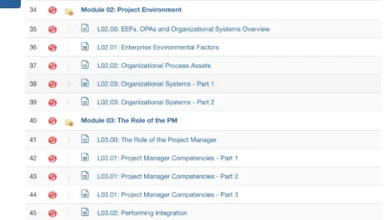
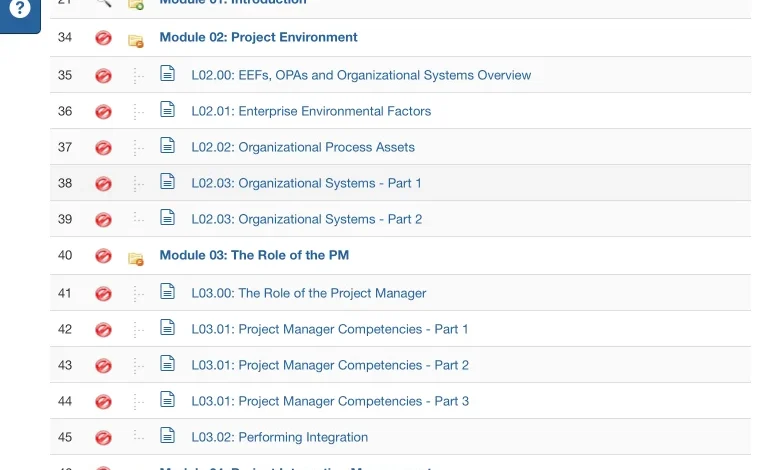
The PM PrepCast employs a different LMS, which, while functional, presents a more dated aesthetic. The interface, characterized by extensive menus and nested lessons, can feel somewhat less intuitive compared to more modern e-learning platforms. Despite the volume of content, the system is robust enough to manage the course material effectively. Both systems, while comprehensive, have been noted by users as potentially feeling "clunky" when compared to minimalist platforms like Teachable, which often host courses with less extensive content. However, the learning curve for either platform is generally low, and users typically adapt quickly, indicating that the LMS itself is unlikely to be a decisive factor in a student’s success once familiarity is established. The primary concern remains the accessibility and organization of the vast amount of information contained within each program.
Support Mechanisms and Community Engagement
Beyond the core training content, the availability of robust support and a vibrant community can significantly enhance a student’s PMP preparation journey. Both Brain Sensei and The PM PrepCast offer distinct avenues for assistance and interaction.
The PM PrepCast boasts a substantial and active online community, primarily facilitated through dedicated forums. These forums are regularly monitored by community moderators, including experienced project management professionals, ensuring that student queries are addressed promptly and accurately. This peer-to-peer learning environment, coupled with direct expert input, provides a valuable resource for clarification, discussion, and motivation. The company also maintains a responsive support team and extensive online help documentation, complemented by active engagement across various social media profiles. This multi-channel approach ensures that students can access assistance through their preferred method.
Brain Sensei, while not featuring a traditional student forum, cultivates its community primarily through a highly active and supportive Facebook group. This platform allows students to connect with peers, share insights, ask questions, and receive encouragement in a more informal, social media-centric environment. Similar to The PM PrepCast, Brain Sensei also provides comprehensive online help resources, maintains active social media profiles, and offers direct support via an integrated help button within its platform, ensuring that individual student queries are handled efficiently by their team. The choice between a dedicated forum and a social media group often comes down to user preference for platform familiarity and interaction style.
Military Scholarship and Social Responsibility
A notable distinction between the two providers lies in their approach to supporting specific demographics, particularly military personnel. Brain Sensei stands out as one of the few PMP training providers offering a dedicated scholarship program for military service members. This initiative provides either a 10% or 100% discount on course fees, contingent upon an application process that verifies active duty or veteran status. This commitment aligns with broader corporate social responsibility efforts, recognizing the unique challenges and contributions of military personnel transitioning into civilian careers or seeking professional development.
Historically, The PM PrepCast offered scholarships through the PMI Educational Foundation (PMIEF). However, due to changes in PMIEF’s policy regarding the distribution of such scholarships, The PM PrepCast no longer facilitates this program. This shift highlights how external organizational policies can impact the availability of educational support, underscoring Brain Sensei’s proactive stance in creating its own dedicated scholarship initiative.
Refund Policies and Pass Guarantees
The financial commitment to PMP training is significant, making refund policies and pass guarantees crucial considerations for prospective students. Both providers offer a standard 30-day refund period, subject to specific conditions designed to prevent misuse of the training materials.
Brain Sensei’s refund policy stipulates that a refund can be requested within 30 days of purchase, provided the student has not attempted more than one practice exam for either the PMP or CAPM courses. The PM PrepCast maintains a similar 30-day refund window, with conditions that prohibit claiming contact hours, starting or completing the final exam, or taking one or more quizzes or exams. These parallel policies reflect an industry standard, allowing students a reasonable period to assess the course’s suitability for their learning style without fully consuming the core value of the product (e.g., contact hours certificate, extensive exam practice).
A more significant differentiator emerges in their respective pass guarantees. Brain Sensei offers a robust 100% pass guarantee. If a student fails the PMP exam within one year of purchasing the course, they are granted an additional 90 days of access to review the material. Should they fail a second time, another 90-day extension is provided. If a third failure occurs, and both the second and third attempts are made within six months of the first, Brain Sensei offers a full refund. This multi-tiered guarantee demonstrates a high degree of confidence in their product’s efficacy and provides substantial assurance to students, mitigating the financial risk associated with exam retakes. This policy is slightly more flexible than their CAPM guarantee, which requires all three attempts to be within one year of purchase.
In contrast, The PM PrepCast does not offer a direct pass guarantee for the PMP exam. However, it provides an extension to its PM Exam Simulator product for students who fail their test one or two times. While this offers valuable practice resources for a retake, it does not match the financial reimbursement provided by Brain Sensei’s comprehensive pass guarantee. The absence of a monetary pass guarantee from The PM PrepCast could be interpreted in several ways: perhaps a focus on providing tools for success rather than explicit financial promises, or a different risk assessment regarding student performance.
Broader Impact and Strategic Implications
The choices made by Brain Sensei and The PM PrepCast regarding their pedagogical methods, support structures, and guarantees have broader implications for the PMP training market and for aspiring project managers. Brain Sensei’s emphasis on interactive, animated learning positions it as a modern, engaging alternative, particularly appealing to digital natives or those who struggle with traditional lecture formats. Its pass guarantee and military scholarship further enhance its appeal by addressing financial risks and promoting inclusivity. This strategy helps Brain Sensei carve out a distinctive niche in a crowded market.
The PM PrepCast, with its long-standing reputation and extensive content library, continues to appeal to students who value comprehensive, expert-led instruction and a strong community support system. Its more traditional approach, while potentially less flashy, is a proven method that has guided countless professionals to PMP certification. The sheer depth of its material and the consistent updates reflect a commitment to thoroughness and academic rigor.
Ultimately, the decision between these two prominent providers boils down to individual learning preferences and priorities. Candidates who seek an immersive, interactive experience with strong financial assurances might find Brain Sensei more aligned with their needs. Conversely, those who prefer a structured, in-depth lecture format from a highly experienced instructor, complemented by a robust community forum, may find The PM PrepCast to be the more suitable option. Both companies contribute significantly to the professional development of project managers, each employing distinct strategies to help individuals achieve the coveted PMP certification. Prospective students are encouraged to explore both platforms to determine which pedagogical method and support ecosystem best complement their personal study habits and professional aspirations.
Related posts: