A Comprehensive Comparison of PMP Training Titans: Brain Sensei Versus The PM PrepCast

The pursuit of Project Management Professional (PMP) certification represents a significant milestone for project managers globally, underscoring a commitment to excellence and a deep understanding of project management principles. As a credential offered by the Project Management Institute (PMI), the PMP certification is recognized internationally, signifying a high level of competence and experience in the field. Professionals seeking this esteemed certification often turn to specialized training providers to prepare for the rigorous examination. Among the prominent names in this educational landscape are The Project Management PrepCast, helmed by the widely recognized Cornelius Fichtner, and Brain Sensei, a team also well-regarded within the project management community. This article delves into a detailed comparison of their PMP training offerings, examining their pedagogical approaches, package structures, user experience, support systems, and unique benefits, to provide prospective candidates with an informed perspective.
The Landscape of PMP Certification and Training
The Project Management Professional (PMP) certification is considered a gold standard for project managers, demonstrating their ability to lead and direct projects and teams. Earning the PMP credential requires meeting specific eligibility criteria related to education and project management experience, followed by passing a comprehensive exam. The exam itself assesses a candidate’s proficiency across various project management domains, largely aligned with the methodologies and best practices outlined in the PMBOK® Guide (Project Management Body of Knowledge). Due to the complexity and breadth of the exam content, structured training is almost universally recommended, with many candidates opting for courses that provide the requisite 35 contact hours of project management education. The demand for PMP-certified professionals continues to grow across industries, driving a competitive market for high-quality exam preparation courses. Providers like The PM PrepCast and Brain Sensei aim to equip candidates with the knowledge and confidence needed to succeed.
Established Expertise vs. Innovative Engagement
The Project Management PrepCast has long been a fixture in PMP exam preparation, largely associated with Cornelius Fichtner, whose instructional style and comprehensive materials have guided countless professionals. This longevity in the market suggests a proven methodology and a deep understanding of the PMP exam requirements. Brain Sensei, while perhaps a more recent entrant in terms of widespread recognition, has quickly established itself with a distinct and innovative approach to learning. The author of the original review, Elizabeth Harrin, a respected project manager, author, and mentor with over two decades of experience in project delivery and multiple project management certifications, has personally utilized products from both providers for her professional development, offering a valuable foundation for this comparative analysis. Her interactions with both teams and long-term observation of their offerings provide a unique insight into their respective strengths.
PMP Training Packages: A Closer Look
Both Brain Sensei and The PM PrepCast offer dedicated training for the Project Management Professional (PMP) certification, structured into various packages designed to cater to different learning needs and budgets. Understanding the nuances of these offerings is crucial for candidates.

Brain Sensei’s primary offering for PMP training is a self-paced course, which typically bundles video lessons with an exam simulator. This streamlined approach simplifies the choice for many learners, providing a comprehensive solution within a single package.
The PM PrepCast, conversely, presents a more diverse array of options. While specific package names and contents can evolve, their range historically includes various tiers, from basic video-only access to more comprehensive "Elite" or "Elite PLUS" packages. These often combine video lectures with extensive exam simulators, supplementary materials, and sometimes additional resources like formula guides or study aids. For the purpose of a direct comparison, the self-paced Brain Sensei course is best matched against The PM PrepCast Elite package, as both consistently include core components such as video instruction and a robust exam simulator, essential for effective PMP preparation. This ensures a like-for-like evaluation of their primary offerings for self-study.
Divergent Training Methodologies: Interaction vs. Instruction
The most significant differentiator between Brain Sensei and The PM PrepCast lies in their core training methodologies. This pedagogical divergence dictates the learning experience and may appeal to different types of learners.
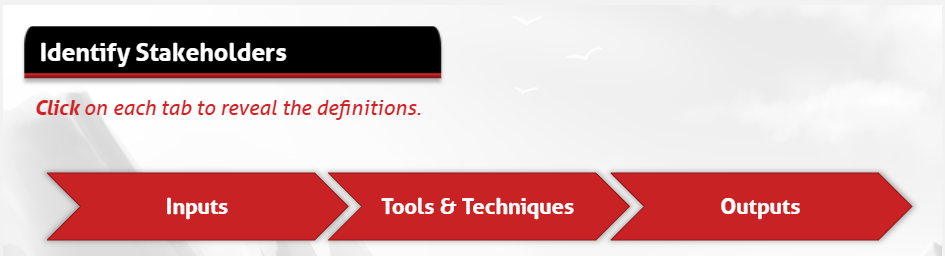
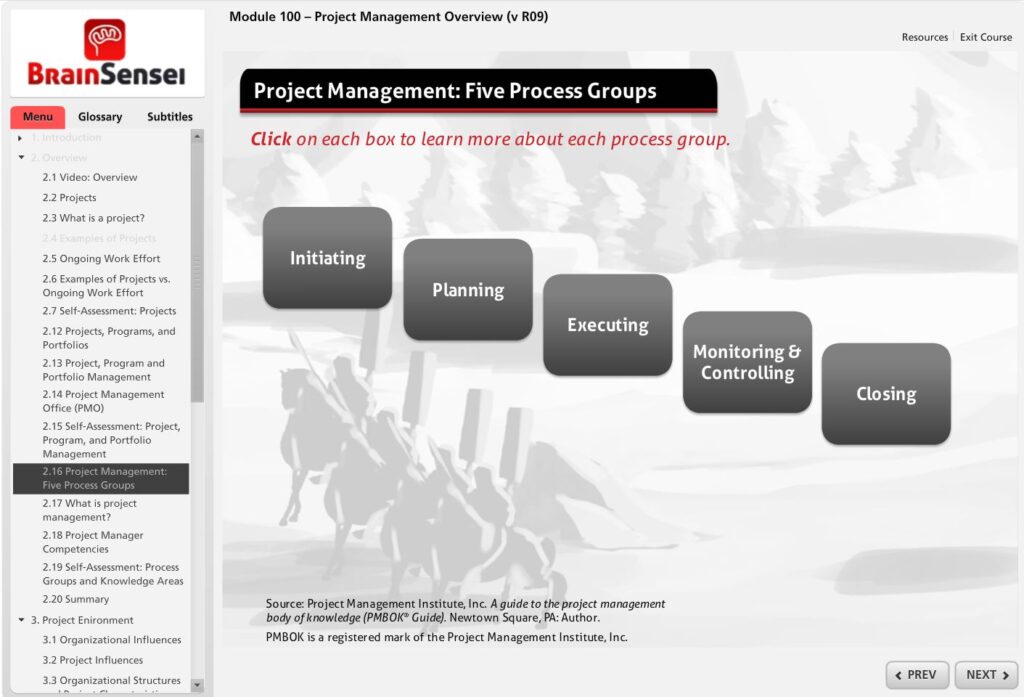
Brain Sensei adopts an animated and highly interactive approach. Its videos are designed to be engaging, incorporating exercises and requiring learner participation. For instance, users are frequently prompted to click on elements within the presentation to reveal definitions, navigate through material, or advance slides. This interactive model aims to combat passive learning by requiring constant engagement, theoretically enhancing retention and comprehension. The format often resembles a narrative or gamified experience, making complex project management concepts more digestible and less monotonous. While largely interactive, it is noted that some slides within Brain Sensei’s curriculum contain text directly sourced from the PMBOK® Guide and lack accompanying narration, which might present a momentary shift from the otherwise dynamic learning environment.
In stark contrast, The PM PrepCast utilizes a more traditional, lecture-based video learning style. The primary instructor, Cornelius Fichtner, delivers concepts through slide presentations, which, while comprehensive, are described as having a more classic, less modern design aesthetic. These videos are not interactive; learners primarily watch and take notes. The content is meticulously broken down into short lessons, facilitating focused study. Each module concludes with a review question, but answering it requires the learner to pause the video manually before the solution is presented on the subsequent slide, placing the onus of active participation more squarely on the student. This style caters to individuals who prefer a direct instructional approach, allowing them to absorb information at their own pace without constant digital interaction.
The choice between these two methodologies often hinges on individual learning preferences. Learners who thrive on constant engagement, visual stimulation, and hands-on interaction may find Brain Sensei’s animated, click-driven format more effective. Conversely, those who prefer a structured, lecture-style environment where they can passively absorb information and actively take notes without interruption might gravitate towards The PM PrepCast. The effectiveness of either method is subjective and depends heavily on how a student best processes and retains information.
User Interface and Learning Management Systems
Beyond the core content, the user interface (UI) and the underlying learning management system (LMS) significantly influence the study experience. Both Brain Sensei and The PM PrepCast leverage robust platforms, though with distinct characteristics.
Brain Sensei’s course is built on Articulate, a well-regarded e-learning software. This platform generally offers a smooth experience, provided a compatible browser like Chrome is used. Its design supports the interactive and animated nature of Brain Sensei’s content, allowing for the rich media and engagement elements that define its methodology.
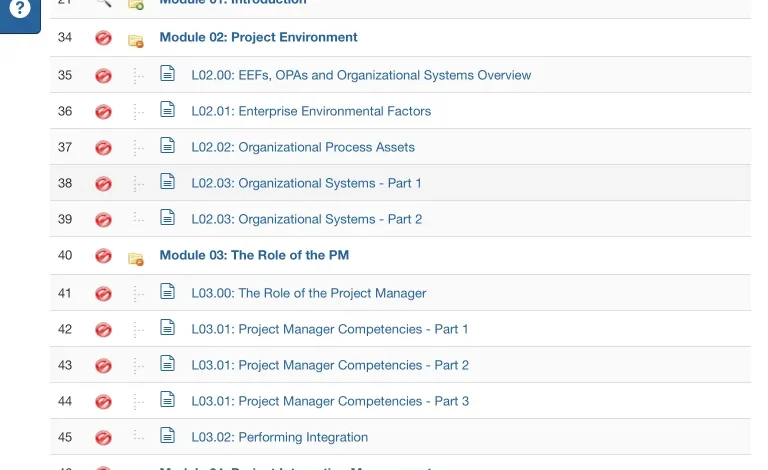
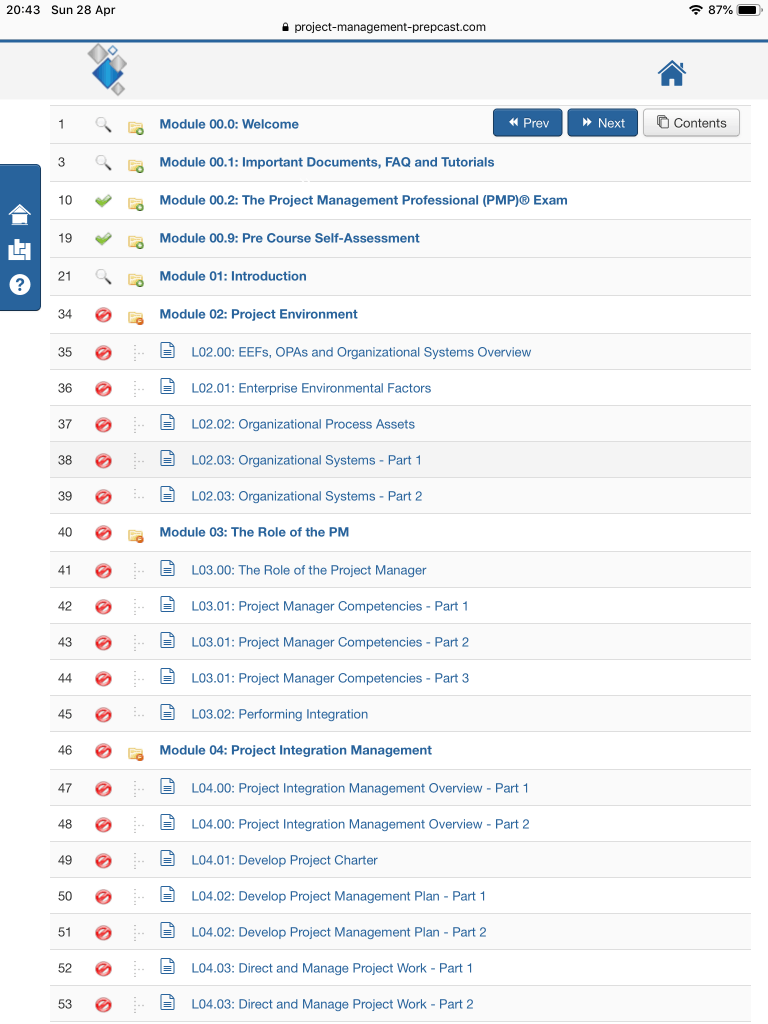
The PM PrepCast utilizes a different LMS, which, while functional, is often described as feeling somewhat more traditional or "old-fashioned" in its aesthetic and navigation. Both systems house an extensive volume of material, necessitating nested lessons and extensive scrolling within menus to access various components.
While both platforms are effective in delivering content, the overall user experience can sometimes be perceived as less streamlined than newer, minimalist LMS designs found on platforms like Teachable. However, this is a common characteristic of comprehensive PMP prep courses, which must accommodate a vast amount of information, multiple lesson types, and extensive practice questions. Ultimately, users typically adapt to either system, and minor UI preferences are unlikely to be a decisive factor in the long run, given the quality and breadth of the educational content provided. The critical factor remains the accessibility and organization of the learning materials rather than cutting-edge aesthetic design.
Support Mechanisms and Community Engagement
Effective PMP preparation extends beyond just content delivery; robust support and a sense of community can significantly enhance a candidate’s journey. Both providers offer distinct avenues for assistance and interaction.
The PM PrepCast boasts a substantial and active community. Its dedicated online forums are moderated by experienced professionals, including the original article’s author, Elizabeth Harrin, who serves as a community moderator. This provides a structured environment for students to ask questions, share insights, and receive guidance from both peers and subject matter experts. Beyond the forums, The PM PrepCast maintains a responsive support team and offers extensive online help resources, complemented by active social media profiles that further extend their reach and accessibility. This multi-faceted support system cultivates a strong sense of belonging and ensures that learners have multiple channels for clarification and assistance.
Brain Sensei, while not featuring a traditional student forum, offers its own robust support ecosystem. It provides comprehensive online help documentation and maintains a very active and helpful Facebook community. This social media-centric approach allows for real-time interaction and peer support in a familiar digital environment. Additionally, Brain Sensei’s support team is readily accessible via a dedicated help button within the course interface, ensuring prompt responses to individual queries. This blend of online resources and an active social media presence caters to modern learners who often prefer informal, immediate communication channels.
The choice between these support models often depends on a learner’s preference for interaction. Some may prefer the structured, moderated environment of dedicated forums for in-depth discussions, while others might find the dynamic and immediate nature of a Facebook group more appealing for quick questions and peer engagement. Both systems are designed to provide comprehensive support, albeit through different platforms.
Financial Protections: Refund Periods and Pass Guarantees
Investing in PMP training is a significant financial commitment, making refund policies and pass guarantees crucial considerations for prospective students. Both providers offer certain assurances, though with key distinctions.
Regarding refund periods, both Brain Sensei and The PM PrepCast offer a 30-day window for requesting a refund. The conditions are largely similar: learners typically cannot have completed or started the final exam, printed their contact hours certificate, claimed any contact hours, or taken more than a specified number of practice quizzes or exams. This common policy provides a month for students to evaluate if the course content and teaching style align with their learning needs, offering a safety net without compromising the integrity of the course material for those who might exploit the system.
A more significant divergence appears in their pass guarantees. Brain Sensei offers a 100% pass guarantee for its PMP course. If a student fails the PMP exam within one year of purchasing the course, Brain Sensei provides an additional 90 days of access to the materials. Should the student fail a second time, they receive another 90-day extension. If a third failure occurs, and both the second and third attempts are within six months of the first attempt, Brain Sensei offers a full refund. This policy demonstrates a strong confidence in their product and offers substantial reassurance to students, mitigating the risk associated with the challenging PMP exam. A similar guarantee exists for their CAPM training, though with a stricter timeframe: all three attempts must occur within one year of purchase.
The PM PrepCast, on the other hand, does not offer a pass guarantee that includes a refund. However, recognizing the difficulty of the exam, they do provide an extension to their PM Exam Simulator product if a student fails their PMP test one or two times. This extension is designed to help students prepare for a retake by providing continued access to practice questions and simulations, which are vital for exam readiness. While it doesn’t offer a monetary refund for failure, it provides continued educational support, focusing on helping the student eventually pass. The absence of a direct pass guarantee may reflect a different philosophical approach to student accountability and product assurance, yet the provision of simulator extensions still offers practical support.
Special Initiatives: The Military Scholarship
Beyond standard offerings, some providers introduce special programs that reflect their values and commitment to particular communities. Brain Sensei stands out in this regard by offering a scholarship specifically for military personnel. This initiative provides a pathway for active service members or retired veterans to pursue PMP certification with financial assistance. The application process requires proof of military service or retirement from active duty. The scholarship can range from a 10% discount on course fees to a full 100% scholarship, awarded in the form of a discount code. This program underscores a commitment to supporting those who have served, recognizing the valuable leadership and project management skills often developed within military contexts.
Historically, The PM PrepCast also offered scholarships through the PMI Educational Foundation (PMIEF). However, due to a change in PMIEF’s policy, The PM PrepCast no longer facilitates these scholarships directly. While both providers have engaged with philanthropic efforts, Brain Sensei’s current, direct military scholarship program represents a unique and commendable initiative in the PMP training landscape, providing tangible support to a deserving demographic.
Concluding Insights: The Choice of Pedagogical Fit
In summary, the decision between Brain Sensei and The PM PrepCast for PMP training ultimately hinges on individual learning preferences and specific needs. Both are reputable providers offering comprehensive PMP preparation, but their approaches differ significantly.
The PM PrepCast, with its long-standing reputation and traditional video lecture format led by Cornelius Fichtner, appeals to learners who prefer a structured, direct instructional style, allowing for focused note-taking and self-paced absorption of information. Its robust community forums provide extensive peer and expert support. While it does not offer a pass guarantee, it provides extensions to its exam simulator for re-takers, demonstrating a commitment to continued learning support.
Brain Sensei distinguishes itself with an animated, highly interactive, and often gamified learning experience. This methodology is particularly suited for visual learners and those who benefit from constant engagement and hands-on interaction to maintain focus and enhance retention. Its active Facebook community offers a modern platform for peer support, and its 100% pass guarantee, complete with multiple access extensions and a potential refund, offers significant financial reassurance. Furthermore, its military scholarship program highlights a dedication to supporting specific communities.
The user interface of both systems, while functional and comprehensive, may not always present the minimalist aesthetic of some contemporary online learning platforms, but this is a minor point compared to the quality of the content. The refund policies are broadly similar, providing an initial period to assess suitability.
Prospective PMP candidates are encouraged to consider their personal learning styles: do they thrive on interactive engagement and visual storytelling, or do they prefer a more traditional, lecture-based approach? Evaluating these pedagogical differences will be the most critical factor in choosing the platform that best aligns with their individual pathway to PMP certification. Exploring demo lessons or free trials, if available, from both Brain Sensei and The PM PrepCast is highly recommended to experience their methodologies firsthand before making a final decision.
Related posts: