The Quiet Legacy: Redefining Leadership and Impact Beyond the Metrics of Visibility


The modern corporate landscape is increasingly defined by the pursuit of visibility. In an era dominated by social media analytics, quarterly growth metrics, and the relentless accumulation of professional accolades, the true nature of leadership is often obscured by the very tools used to measure it. However, a recent memorial service for a prominent business leader has sparked a broader conversation regarding the disconnect between public performance and genuine, long-term organizational influence. While metrics often dictate the perceived success of an executive, the testimonies offered at this recent gathering suggest that a leader’s most significant contributions occur outside the view of public dashboards.
The Anatomy of a Professional Life
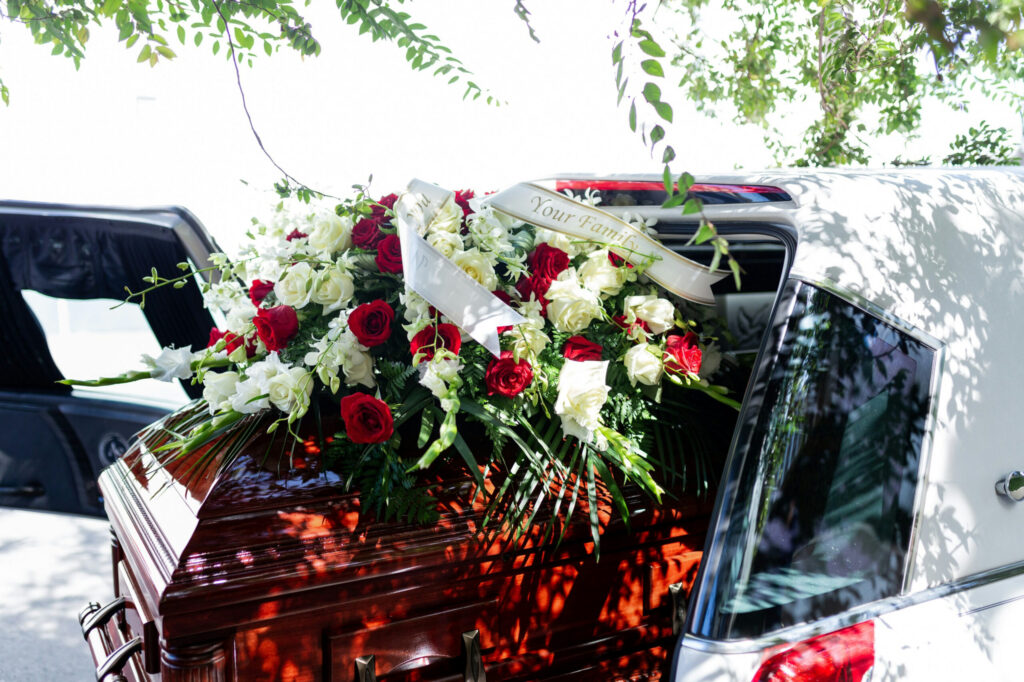
The funeral, held on a somber, overcast afternoon, served as a stark departure from the typical networking environments associated with high-level corporate figures. Attendees, comprised of long-time colleagues, mentees, and industry peers, gathered not to recite fiscal milestones or recount major acquisitions, but to reflect on the interpersonal dynamics that defined the deceased’s career.
Historically, obituaries for business leaders emphasize "career highlights"—a chronological list of titles, revenue growth percentages, and industry awards. Yet, at this service, the narrative shifted toward the "small circle." According to attendees, the most impactful moments shared were those involving mentorship, silent support during organizational crises, and the cultivation of talent. One attendee noted, "He believed in me during all those years when I couldn’t yet believe in myself." This sentiment highlights a disconnect between standard Key Performance Indicators (KPIs) and the actual human impact of leadership.
The Data of Influence vs. The Myth of Visibility
Current industry data suggests a widening gap between perceived and actual leadership effectiveness. According to recent reports from organizational behavior researchers, companies that prioritize "servant leadership" models—those focusing on the growth and well-being of people—consistently outperform competitors in long-term employee retention by nearly 22%. Despite this, marketing and personal branding continue to reward "reach" over "depth."
The rise of platforms like LinkedIn has institutionalized the "highlight reel" culture. Data from social media intelligence firms indicates that executive engagement on digital platforms has grown by 45% since 2020. However, internal surveys of corporate culture show that while visibility has increased, employee satisfaction regarding leadership accessibility has remained stagnant or declined. This creates a paradox: leaders are more "visible" than ever, yet the depth of their influence on individual team members is increasingly diluted by the volume of their digital output.
A Chronology of Leadership Evolution
The evolution of leadership, as observed over the last three decades, has undergone three distinct phases:
- The Era of Hierarchy (1990–2005): Leadership was defined by command-and-control structures. Success was measured strictly by institutional tenure and formal authority.
- The Era of Optimization (2006–2015): The focus shifted to efficiency, lean methodologies, and the beginning of the "personal brand" era. Visibility began to correlate with professional mobility.
- The Era of Algorithmic Visibility (2016–Present): Leadership is increasingly quantified by social reach, engagement metrics, and public-facing content.
This current era has led to what organizational psychologists call "Performance Fatigue," where leaders are pressured to maintain a constant public presence, often at the expense of internal team development. The recent funeral served as a critical inflection point, forcing a public reappraisal of these values.
Expert Perspectives on Legacy and Trust
Industry analysts and management consultants have long argued that there is a fundamental difference between "influence" and "fame." Dr. Elena Vance, a scholar in organizational ethics, notes that "when a leader relies on image management to sustain their position, they enter a state of high-maintenance fragility. Trust, conversely, is a low-maintenance, high-resilience asset. It is built in the quiet, unrecorded moments of a workday—the moments that are never posted on social media."
The recent testimonies suggest that the "small circle" effect—the tendency for a leader to have an outsized impact on a limited number of individuals—is the primary driver of organizational legacy. While a viral post might reach thousands, the mentorship of a single employee can change the trajectory of an entire department or company culture. This indicates that the "reach" often sought by modern executives may be a vanity metric that does not correlate with long-term institutional stability.
The Cost of Political Capital
The article of the deceased’s career also revealed a common theme: the willingness to expend "political capital" on behalf of others. In many corporate environments, political capital is viewed as a currency to be hoarded for personal advancement. However, the most respected figures in this case were those who spent that capital to rectify systemic wrongs or to champion under-represented talent.
This behavior is rarely captured in performance reviews or shareholder reports, which prioritize observable results. Yet, the consensus among those who worked closely with the deceased was that these "unseen" actions were the bedrock upon which the more visible successes were built. Without this foundation of integrity, the organization might have achieved its goals, but it would have lacked the cultural cohesion necessary to survive the leader’s departure.
Implications for Future Leadership
The broader implication for current and future business leaders is clear: the transition from "visibility" to "value" requires a fundamental shift in priority. Leaders are urged to reconsider the following:
- Audit Time Allocation: Are efforts being directed toward public perception or internal development?
- Redefine Metrics: Move beyond engagement rates and follower counts to measure the retention and growth rates of direct reports.
- The "Room" Test: In any given scenario, prioritize the quality of interactions with the people physically present over the perceived impact on a digital audience.
As the industry moves forward, the pressure to maintain a high-visibility profile is unlikely to diminish. However, the evidence provided by this recent gathering suggests that the most enduring form of power is not the kind that can be tracked by an algorithm. It is the kind that is felt by those who were mentored, guided, and supported.
Conclusion: The Sustainability of Substance
The funeral did not merely commemorate a life; it provided a sobering critique of current professional values. By shifting the focus from the "highlight reel" to the "small circle," the event served as a reminder that leadership is not a performance—it is a responsibility.
The ultimate metric of a career is not found in the frequency of one’s mentions or the breadth of one’s reach, but in the depth of the transformation one leaves behind. As the corporate world continues to chase the illusion of volume, the most effective leaders will likely be those who understand that in the final analysis, influence is measured not by how many people know your name, but by how many people were empowered to find their own. The legacy that persists is the one that is written in the quiet, unrecorded, and deeply human moments that define a life of service. The transition from managing an image to fostering a legacy remains the most significant challenge for leaders in the modern age.