The Quiet Metric of Leadership: Why Lasting Influence Resides in the Small Circle

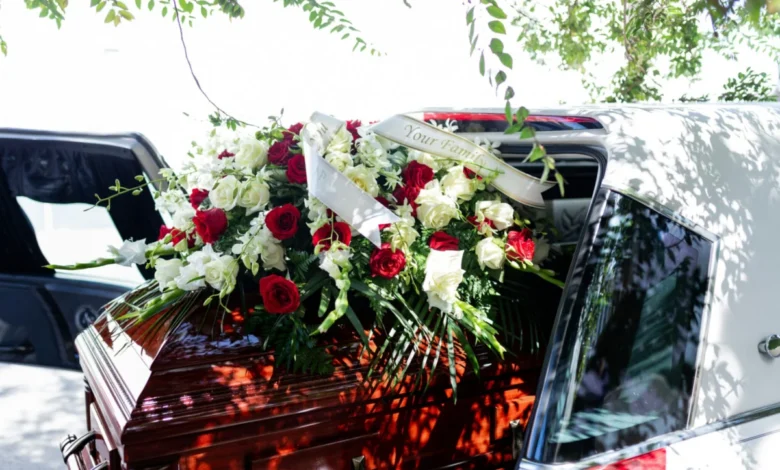
The recent funeral of a prominent business executive served as a stark, unconventional case study on the nature of professional legacy in an era dominated by digital metrics. As mourners gathered on a somber, overcast afternoon, the atmosphere lacked the performative markers of corporate success typically associated with high-profile leaders. Attendees, including former subordinates, industry peers, and long-time collaborators, eschewed the standard discourse of quarterly earnings, market share, or LinkedIn-verified accolades. Instead, the service focused on a specific, non-quantifiable dimension of leadership: the personal investment in individual professional development.
A Departure from Corporate Metrics
The service provided a rare vantage point into the dichotomy between public-facing success and private impact. In the modern business environment, organizations increasingly rely on "vanity metrics"—follower counts, engagement rates, and viral reach—to define the efficacy of a leader. However, the testimonials delivered during the ceremony prioritized the "small circle," defined as the immediate team and direct reports who witnessed the executive’s behavior during periods of intense organizational stress.
Data from the Harvard Business Review and various leadership research institutes suggests that the current obsession with high-visibility leadership may be reaching a point of diminishing returns. Studies indicate that while external brand visibility can assist in recruitment, it often correlates poorly with long-term organizational stability or employee retention. In contrast, longitudinal studies on organizational culture consistently demonstrate that "psychological safety"—a concept pioneered by Dr. Amy Edmondson—is the strongest predictor of high-performing teams. This safety is built through precisely the behaviors highlighted at the memorial: active listening, the acknowledgment of personal struggles, and consistent ethical decision-making.
Chronology of Influence: Building the Foundation
To understand how a leader moves from mere visibility to lasting impact, one must examine the timeline of their professional interactions. Early career stages are typically defined by the acquisition of technical skills and the pursuit of individual performance metrics. However, as leaders transition into senior management, the nature of their work undergoes a fundamental shift.
- The Performance Phase (Years 1–10): The leader is evaluated on output, efficiency, and the ability to hit defined benchmarks. During this period, visibility is often an asset for career progression.
- The Mentorship Phase (Years 11–20): Influence begins to shift from individual production to team development. The "small circle" begins to form as the leader identifies and nurtures talent.
- The Legacy Phase (Years 20+): The leader’s primary output is the success of those they have mentored. At this stage, external accolades become secondary to the professional growth of their direct reports.
The executive memorialized recently appeared to have mastered this third phase. Anecdotal evidence provided by several attendees suggested that the executive spent significantly more time in private one-on-one sessions than in public-facing media engagements. This investment in human capital creates a multiplier effect that persists long after the individual has vacated their position.
The Quantifiable vs. The Qualitative
The disconnect between modern professional life and the reality of a memorial service is significant. A 2023 report by the Pew Research Center on social media habits noted that 72% of professionals feel compelled to curate their professional image online, often at the expense of authentic internal communication. This "curation bias" creates a false sense of value, where a high follower count is mistaken for leadership capacity.
When stripped of these metrics, the true value of a leader is measured by "retention of impact." In the professional context, this is reflected in how many individuals under a leader’s guidance went on to excel in their own right. If a leader’s success is purely internal to their own brand, the legacy often collapses upon their departure. If, however, the leader has built a culture of capability, the organization thrives regardless of the leader’s physical presence.
Professional Reactions and Analytical Perspectives
Industry analysts have noted that the "Quiet Leadership" movement is gaining traction in response to the volatility of the digital age. Organizational psychologist Dr. Elena Vance observes that "the most effective leaders are those who treat their teams as their most important stakeholders, rather than viewing them as a means to an end. The recent funeral discourse highlights a growing hunger for substance in a sea of digital noise. We are seeing a shift where professionals are beginning to recognize that ‘reach’ is not the same as ‘resonance’."
This sentiment is echoed in current human resources trends. Companies that prioritize deep-dive mentorship programs over superficial recognition platforms report a 35% higher rate of employee retention. This suggests that the "small circle" approach is not just a moral imperative, but a sound strategic decision.
Implications for the Future of Management
The implications of this shift are profound for the next generation of leaders. The focus on the "small circle" does not imply a rejection of results or financial responsibility. On the contrary, real-world results remain the baseline requirement for any professional. However, the distinction lies in whether results are the goal or the byproduct of good leadership.
Leaders who operate with the knowledge that their legacy is written in the "hallway conversations" and the "difficult choices" tend to exhibit higher levels of resilience. When a leader acts with integrity in a moment of crisis, even when that decision results in a short-term loss of political capital, they are strengthening the foundation of their organization.
Conclusion: The Architecture of Memory
As the memorial service concluded, the attendees left with a clearer understanding of what constitutes a sustainable professional legacy. The "false currency" of social media reach and public visibility proved irrelevant in the face of the final audit of a life. The real work of leadership—the transformation of individuals, the cultivation of talent, and the consistent application of values—does not require a large audience to be effective.
The evidence suggests that the most lasting mark a leader can leave is the degree to which they have equipped others to succeed. While algorithms and social media metrics will continue to prioritize the volume of engagement, the history of successful organizations suggests that influence is, and always will be, a product of depth. As the business world continues to evolve, the leaders who will be remembered are those who understand that while the highlight reel may capture attention, it is the quiet, sustained investment in the small circle that captures the future.