Understanding the Legal Thresholds of Felony Elder Abuse in the United States

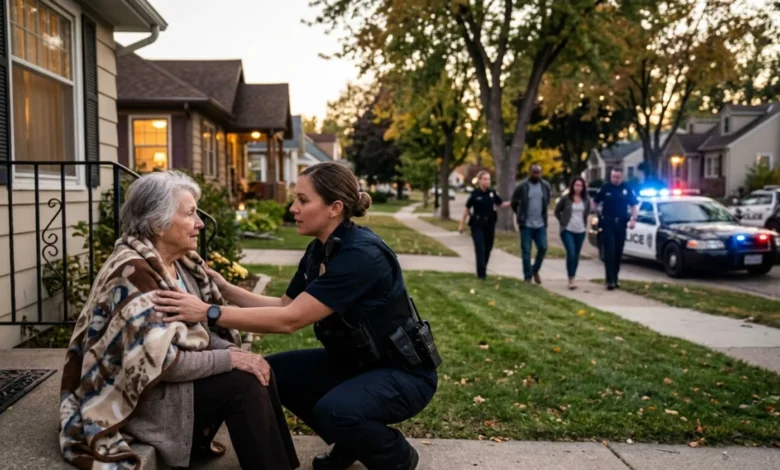
Elder abuse has emerged as a critical public health and legal crisis in the United States, affecting an estimated 10% of the population aged 65 and older annually. As the nation’s demographic shifts toward a larger aging population, the prevalence of mistreatment—ranging from physical violence and psychological trauma to sophisticated financial exploitation—has drawn increased scrutiny from federal and state authorities. The U.S. Department of Justice (DOJ) highlighted the sheer scale of this issue in its 2025 Elder Justice Report, which documented over 280 enforcement actions involving more than 600 defendants. These cases collectively involved the attempted or actual theft of more than $2 billion from over one million older Americans. As these figures rise, the legal distinction between misdemeanor mistreatment and felony-level elder abuse has become a focal point for prosecutors, defense attorneys, and families seeking justice for vulnerable seniors.
The Anatomy of an Elder Abuse Investigation
Legal proceedings involving the mistreatment of seniors are rarely straightforward. In many jurisdictions, statutes governing elder abuse are categorized as "wobbler" offenses. A wobbler is a legal classification that allows prosecutors the discretion to charge an offense as either a misdemeanor or a felony based on the specific circumstances of the act. This flexibility is designed to account for the vast spectrum of harm, from minor instances of neglect that do not result in lasting damage to catastrophic cases involving severe bodily injury or wrongful death.
The primary factor driving the escalation to a felony charge is the presence—or the credible threat—of severe bodily harm. While neglect by a caregiver that results in minor health complications might be handled as a misdemeanor, the threshold shifts significantly when the neglect creates a foreseeable risk of death or grievous injury. Importantly, in many states, prosecutors do not need to prove that an injury occurred to pursue a felony charge; demonstrating that the suspect’s conduct placed the victim in a position of imminent, life-threatening danger is often sufficient to meet the burden of proof for a felony indictment.
Financial Exploitation: A Growing Federal Priority
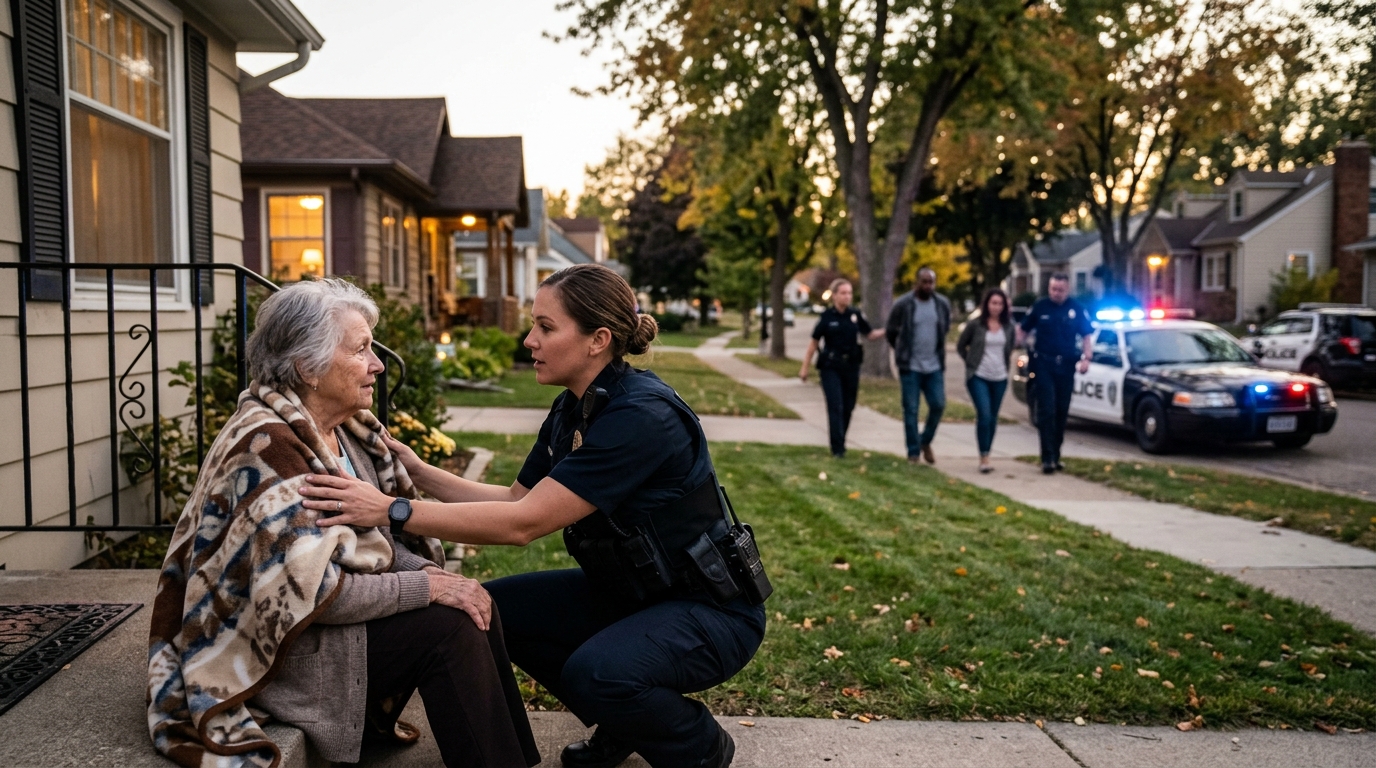
Beyond physical harm, financial exploitation represents a significant segment of the DOJ’s enforcement efforts. Older adults are uniquely vulnerable to fraud due to a combination of potential cognitive decline, social isolation, and the accumulation of life-long savings. The 2025 data suggests that financial predators are becoming increasingly sophisticated, often utilizing digital platforms and social engineering to defraud victims.
Federal authorities have adopted a multi-pronged strategy to combat this. The DOJ’s 2025 report emphasizes that civil litigators are now working in tandem with criminal prosecutors to recover assets. This dual approach aims not only to punish offenders through incarceration but also to provide restitution to victims. However, the complexity of these financial crimes often necessitates long-term investigations, meaning the timeline from the discovery of theft to a final court verdict can stretch over several years.
The Role of Intent and Criminal Negligence
A critical aspect of legal analysis in elder abuse cases is the role of intent. In several jurisdictions, the prosecution must demonstrate that the offender acted with malice or willful neglect. However, there is a growing legislative trend across various states to hold caregivers accountable for "criminal negligence," regardless of whether the offender intended to harm the victim.
For instance, in a nursing home or assisted living facility, the failure to provide basic life-sustaining care—such as proper supervision during mealtimes—can lead to severe, even fatal, consequences. Choking incidents, which are often the result of improper food preparation or inadequate staffing ratios, serve as a harrowing example of how administrative negligence can transition into a criminal matter. When an investigation reveals that a facility was aware of understaffing issues or ignored specific dietary restrictions for a resident, the resulting harm may be prosecuted as a felony. In such cases, legal experts often conduct comprehensive reviews of internal records, including staffing logs, employee training manuals, and medical incident reports, to establish a pattern of systemic failure that rises to the level of criminal liability.
Criminal Versus Civil Tracks: Understanding the Distinction
Families often find themselves navigating two distinct legal systems simultaneously: the criminal justice system and the civil court system. It is vital to understand that these two tracks operate on different principles and serve different purposes.
A criminal case is initiated by the state. The primary objective of this process is to protect the public, punish the offender, and deter future crimes. If a conviction is secured, the penalties may include significant jail or prison time, court-ordered counseling, and the permanent revocation of professional licenses—a critical step for preventing future harm by the same caregiver.
Conversely, a civil claim is a private action brought by the victim or their family. The goal here is restorative, focusing on securing monetary compensation for medical expenses, pain and suffering, and the recovery of stolen assets. The burden of proof in a civil case is generally lower than in a criminal trial, which can sometimes allow families to achieve a measure of justice even if the state chooses not to pursue criminal charges. In many instances, the outcome of a criminal trial can be used as evidence to bolster a civil claim, highlighting the interconnectedness of these two legal avenues.
Escalating Penalties and Long-Term Consequences
Once a case is classified as a felony, the legal landscape changes drastically. Misdemeanor convictions generally carry shorter jail sentences, often served in county facilities, and may involve probation or moderate fines. Felony convictions, however, typically necessitate incarceration in state prison for a period of several years.
The consequences of a felony conviction extend far beyond the duration of the sentence. In many states, a felony conviction for elder abuse constitutes a "strike" under three-strikes laws, significantly increasing the potential penalties for any future offenses. Furthermore, those convicted of felony elder abuse often face the permanent loss of civil rights, including voting and the ability to own firearms. For professional caregivers, a felony conviction acts as a permanent barrier to employment in the healthcare sector, ensuring that they cannot return to positions of authority over vulnerable individuals.
Broader Implications and Future Trends
The rise in documented elder abuse cases has prompted a nationwide call for better oversight of long-term care facilities. Advocates for the elderly argue that current regulations are insufficient to protect residents from the complexities of modern care environments. They suggest that policymakers must focus on three main pillars: enhanced background checks for all healthcare workers, stricter mandatory staffing ratios, and increased funding for state-level adult protective services (APS).
Data from the past decade indicates that the majority of elder abuse cases are perpetrated by family members, yet the publicity surrounding facility-based abuse often overshadows the private, domestic nature of much of this crime. As the population ages, public awareness campaigns are becoming increasingly essential to help families identify the early warning signs of abuse. These signs may include unexplained bruising, sudden changes in behavior, unexplained financial transactions, or a marked deterioration in the victim’s physical environment.
Conclusion: A Call for Accountability
The legal framework surrounding elder abuse is designed to be rigorous, yet it remains dependent on the ability of the community to identify and report suspected cases. Whether a case proceeds as a misdemeanor or a felony, the overarching goal remains the protection of the nation’s most vulnerable citizens. As the DOJ and state-level prosecutors continue to prioritize these investigations, the message to potential offenders is clear: the exploitation and mistreatment of the elderly will be met with the full force of the law. For families, understanding the difference between these charges and the paths to justice is the first step in ensuring that their loved ones are treated with the dignity and care they deserve. Legal experts continue to urge that anyone who suspects abuse should immediately contact local law enforcement or an adult protective services agency, as early intervention remains the most effective tool in preventing the escalation of abuse into a life-altering felony event.