Why the Decline of Human-Centric Developer Communities Like Stack Overflow Threatens More Than Just Code

The modern landscape of software engineering is undergoing an unprecedented paradigm shift, driven by the rapid ascent of generative artificial intelligence and large language models (LLMs). While tools capable of instantly generating, debugging, and explaining code have significantly accelerated development workflows across the technology sector, this technological leap has triggered unintended cultural consequences. A recent correspondence published by Stack Overflow co-founder Jeff Atwood has reignited a critical industry-wide debate concerning the irreplaceable value of human-centric online communities, contrasting the utilitarian efficiency of automated coding assistants with the profound psychological sustenance provided by peer-to-peer mentorship and collaborative problem-solving.
The discourse centers on an unredacted email received by Atwood following his recent essay, "You Can’t Vibe Code Love." The message, penned by a software engineer identified only as "D," details a harrowing personal account from 2013. At the time, D was an active-duty member of the United States Air Force deployed to Zamboanga, Philippines, while simultaneously completing a rigorous remote undergraduate curriculum in computer science.
The 2013 Zamboanga Siege: Context and Chronology
The backdrop of D’s narrative is rooted in a significant geopolitical and humanitarian crisis in Southeast Asia. In September 2013, the Zamboanga Siege unfolded as a faction of the Moro National Liberation Front (MNLF) entered coastal villages of Zamboanga City, declaring independence and taking dozens of civilian hostages to use as human shields against the Armed Forces of the Philippines.
The ensuing urban combat lasted for approximately three weeks, resulting in intense firefights, widespread fires that destroyed thousands of homes, the displacement of over 120,000 civilians, and dozens of casualties among military personnel, insurgents, and non-combatants. Operating within this volatile zone, military personnel faced continuous operational hazards alongside severe psychological strain.
For D, this environment collided directly with strict academic deadlines. Amid active military operations and the pervasive smoke of urban warfare, academic survival hinged on completing remote college engineering coursework using a portable Microsoft Surface device—carried alongside combat gear. Faced with complex programming hurdles and encountering a lack of localized support from family and professional acquaintances who advised self-reliance, D turned to Stack Overflow.
According to D’s account, random, anonymous strangers on the platform provided the critical technical nudges necessary to overcome programming roadblocks. Beyond the utility of the code snippets or debugging advice, the human interaction fostered a vital sense of connection, validation, and psychological grounding during a period of extreme isolation and trauma.
The Rise of Generative AI and the Hollowing of Developer Forums
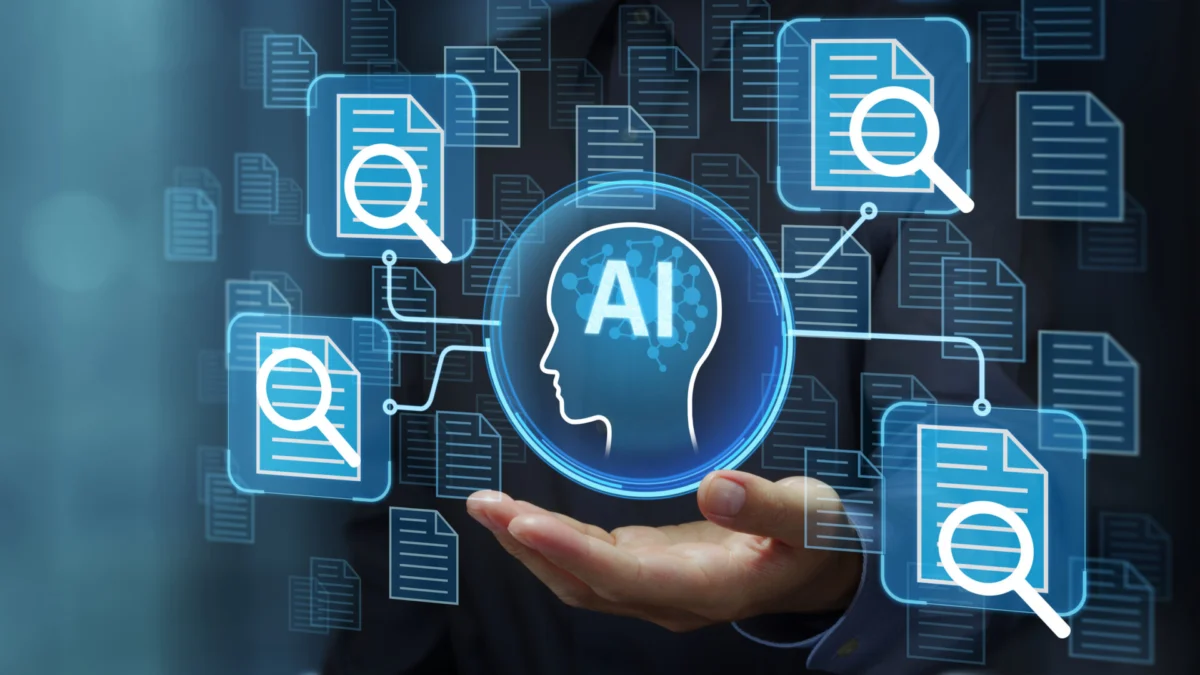
In contemporary software development, scenarios requiring external technical assistance are increasingly routed through automated systems. Generative AI tools, including OpenAI’s GPT models, GitHub Copilot, and specialized coding agents, have transformed how developers interact with information. Rather than formulating queries for human-populated discussion boards, waiting for peer review, and parsing through conversational threads, modern programmers can query an LLM and receive synthesized, context-aware code solutions in milliseconds.
While this efficiency has undeniable economic and productivity benefits, industry analysts and platform administrators have documented a concurrent decline in traffic, engagement, and new contributions across traditional peer-to-peer coding forums. Stack Overflow, launched in 2008 as a democratized repository of developer knowledge, has faced sustained reductions in user engagement as developers pivot to conversational interfaces for immediate answers.
Data from web analytics and community feedback forums indicate that while overall queries for technical information remain high, the communal fabric of these platforms—characterized by mentorship, debate, idiosyncratic human anecdotes, and community governance—is experiencing significant attrition. The core question raised by the discourse is whether the transactional efficiency of AI can fully substitute for the communal empathy experienced within human networks.
Psychological and Sociological Implications of Technical Communities
The socio-technical implications of replacing human forums with automated models extend deep into the psychology of learning and professional identity development. Educational research consistently highlights that programming is not merely an exercise in syntax translation, but a social practice embedded in communities of practice.
When novice or isolated developers interact with experienced peers, several latent benefits occur:
- Validation and Empathy: Human responses provide emotional reassurance, confirming that struggles with complex logic are universal and surmountable.
- Reciprocal Altruism: Helping others on public forums reinforces the mentor’s own understanding while maintaining a culture of collaborative stewardship.
- Sense of Belonging: Contributing to a shared knowledge base transforms isolated learners into stakeholders within a broader professional tribe.
An LLM processes inputs and generates statistically probable completions; it possesses no subjective awareness of the user’s external environment, emotional state, or personal stakes. As D articulated in the correspondence regarding the Zamboanga deployment, an AI could have solved the technical coding problem, but it could not fulfill the fundamental human need to know that another person cared enough to invest their personal time.
Industry Reactions and the Future of Online Collaboration
Technology leaders and community architects are increasingly pressed to evaluate the sustainability of digital spaces dominated by commercial utility rather than community ownership. The consolidation of online discourse onto proprietary platforms owned by corporate entities contrasts sharply with the decentralized, user-generated ecosystems that defined the early web.
Observers note that the erosion of independent forums risks creating a monoculture in software development, where institutional knowledge is mediated entirely by proprietary AI models trained on historical data. Without active, human-led communities generating novel solutions, debating architectural philosophies, and mentoring incoming generations, the long-term resilience of the software engineering ecosystem could face structural vulnerabilities.
Atwood’s reflections suggest that the emergence of advanced artificial intelligence should serve not as a replacement for human connection, but as a catalyst for reinvesting in independent, user-owned digital communities. Cultivating spaces where individuals pause to assist one another—not for financial compensation or algorithmic efficiency, but out of shared intellectual curiosity and empathy—remains a cornerstone of professional and personal resilience.
As the software industry navigates the integration of generative tools, the challenge for community leaders, platform operators, and individual engineers will be preserving the human element that transforms solitary labor into a shared, compassionate human endeavor.
Related posts: