Why Your First AI Draft Is 85 Percent Done and Why That Is the Real Problem

The modern digital workspace has been fundamentally reshaped by the rapid integration of Large Language Models (LLMs), yet a significant disconnect persists between user expectations and technological capabilities. Many professionals approach generative AI with a "one-and-done" mentality, typing a prompt and expecting a final, polished product. When the output feels generic or lacks a human touch, users frequently discard the tool as ineffective. However, industry analysts and productivity experts argue that the issue lies not with the software, but with the user’s workflow. By treating AI as a creative partner rather than an automated vending machine, professionals can bridge the gap between initial draft and professional output through a process of iterative refinement known as the "Three-Prompt Rule."
The Evolution of Generative AI Integration
The trajectory of AI adoption in the corporate sector has moved through three distinct phases since the late 2022 explosion of public-facing LLMs. Initially, the excitement centered on the novelty of automated text generation. During the first quarter of 2023, adoption rates surged as employees experimented with ChatGPT for basic drafting tasks. By late 2023, organizations began to report a "plateau of disappointment," where the novelty wore off and the limitations of generic AI prose became apparent.
Currently, we are in the third phase: the maturation of prompt engineering as a core professional skill. Data from recent productivity studies suggest that while 70 percent of knowledge workers have access to AI tools, less than 20 percent use them for more than simple, single-turn interactions. This underutilization is the primary driver behind the common perception that AI-generated content lacks the nuance and authority required for high-stakes business communication.
The Anatomy of the Three-Prompt Rule
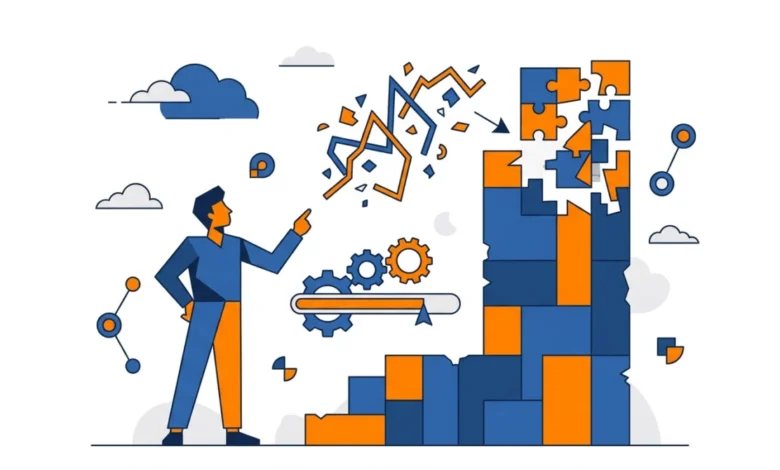
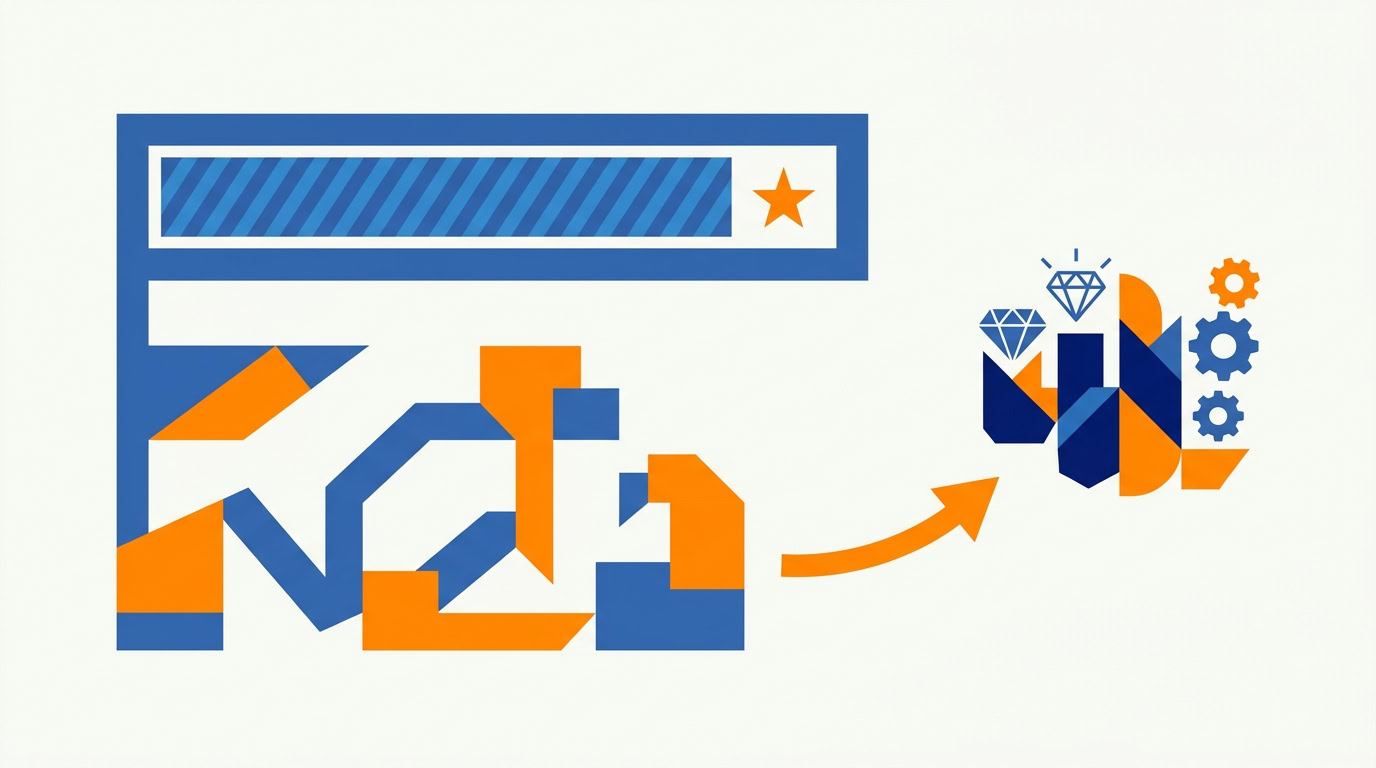
The "Three-Prompt Rule" is an emerging framework designed to shift the user’s role from passive consumer to active editor. This method treats the initial output as raw material, or "stone," requiring subsequent refinement.
The first prompt should be viewed solely as a foundational draft—typically capturing roughly 85 percent of the required information but lacking the necessary tonal consistency. The second prompt acts as a structural adjustment, where the user specifies changes to sentence cadence, professional voice, and thematic focus. The third prompt is the polishing phase, where specific details, brand-aligned terminology, and idiosyncratic "human" elements are integrated.
This iterative approach mirrors the traditional editing process used in journalism and technical writing. Just as a reporter does not publish the first interview transcript, a professional should not treat a machine’s first output as a completed deliverable. When users stop at the first prompt, they are effectively choosing to publish an unedited draft, which inevitably leads to the "generic" sound that currently plagues much of corporate AI usage.
Strategic Workflow Integration
One of the greatest barriers to AI efficiency is the perceived necessity of rebuilding existing workflows. Productivity researchers at organizations such as Asian Efficiency have noted that anxiety regarding AI often stems from a misunderstanding of the tool’s purpose. AI is designed to act as an accelerator for existing tasks, not a replacement for the underlying process.
For instance, an email that previously required 15 minutes of drafting time can be condensed into a 30-second AI generation followed by a two-minute review. The cumulative savings in mental energy are substantial, particularly for repetitive tasks such as internal communications, project updates, and meeting summaries. To maximize these gains, experts recommend selecting one high-frequency task—such as daily status reports—and applying the Three-Prompt Rule consistently for one week. This focused application helps users move past "first-prompt habits" and allows them to see the quantifiable reduction in time expenditure.
The Case for Platform Mastery
With a proliferation of AI tools—including ChatGPT, Claude, Notion AI, and Microsoft Copilot—many professionals suffer from "tool fatigue," attempting to maintain proficiency in multiple platforms simultaneously. However, empirical evidence suggests that prompting is a transferable skill. The ability to articulate constraints, define personas, and provide context is the core competency, not the specific user interface of the software.
Choosing one platform to master allows the user to build a library of successful prompt templates and internalize the nuances of that model’s "reasoning." Whether an organization standardizes on Copilot for its integration with the Office 365 suite or opts for Claude for its strengths in long-form writing, the value lies in depth of usage rather than breadth of experimentation.
Bridging the Analog-Digital Divide
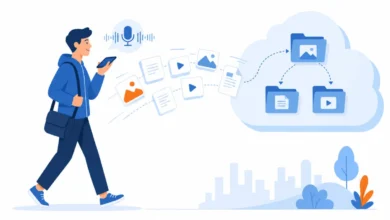
A common misconception is that AI requires a fully digitized thought process. Many professionals who perform their best thinking through handwritten notes often feel alienated by the digital-first nature of AI tools. However, modern OCR (Optical Character Recognition) and transcription technologies provide a bridge. By photographing handwritten notes and inputting them into an LLM for summarization or expansion, users can retain the cognitive benefits of tactile writing while gaining the speed and analytical power of digital processing. This "Analog Bridge" approach allows for a hybrid workflow that leverages the strengths of both traditional cognition and modern computation.
Practical Applications: The SOP Conversion
One of the most immediate impacts of iterative prompting is the rapid creation of Standard Operating Procedures (SOPs). Historically, converting a training video or a meeting recording into a formal SOP was a labor-intensive task, often requiring several hours of manual documentation.
By feeding a transcript into an LLM and applying a structured prompt—such as "Format this as an SOP with sections for Purpose, Steps, and End Points"—the process is reduced to minutes. This not only saves time for subject matter experts but also ensures consistency across documentation, making information significantly easier for teams to retrieve and implement.
The Role of Search-Augmented AI
While standard LLMs are excellent for drafting, they are inherently limited by their training data cut-offs, which can lead to "stale" or inaccurate information. For research-intensive tasks, the emergence of search-augmented platforms like Perplexity represents a critical shift. By combining the conversational capabilities of an LLM with live, indexed web searches, these tools provide a solution for comparative research.
When conducting market analysis or competitive research, professionals can utilize these tools to aggregate data from multiple sources in seconds, rather than manually navigating dozens of search results. However, the requirement for human oversight remains paramount; the inclusion of citations allows users to verify information, a step that is essential for high-stakes business decision-making.
Future Implications and Conclusion
The integration of AI into the professional landscape is not a transition toward the automation of thought, but rather an evolution of the creative director’s role. As models continue to improve in sophistication, the premium on high-quality input will only increase. The professionals who will thrive in this environment are those who view AI as a chisel, not an author.
The path forward is clear: minimize the number of tools, maximize the depth of engagement with those tools, and prioritize the iterative refinement of output. By resisting the urge to accept the first AI-generated draft as the final word, users can maintain their professional voice while reaping the immense productivity benefits of the digital age. The goal remains consistent: to work faster, cleaner, and with greater precision, all while keeping the human element at the center of the creative process.