Your newest team member won’t show up to stand-up: How project managers become agent bosses


The modern corporate landscape is undergoing a silent structural shift that redefines the relationship between human labor and automation. For decades, project managers (PMs) have operated as the ultimate organizational orchestrators—directing personnel, managing deliverables, aligning cross-functional teams, and verifying that final outputs meet rigorous enterprise standards. However, the rapid proliferation of artificial intelligence in the workplace has introduced a fundamental evolution to this traditional dynamic. The team roster has expanded to include autonomous digital agents, transforming project managers from simple task coordinators into what industry experts term "Agent Bosses."
This paradigm shift moves AI tools out of experimental sandboxes and directly into core operational workflows. According to enterprise data from the Microsoft 2026 Work Trend Index, active agent usage across integrated platforms surged by 15 times year-over-year. Routine administrative burdens—such as generating status summaries, compiling meeting minutes, auditing risk logs, drafting initial schedules, and distributing stakeholder updates—are increasingly handled by automated systems before human personnel review them. Consequently, project management professionals face an evolving mandate: leadership demands rapid technology adoption, yet many teams remain caught between experimental deployment and operational hesitation.
The Transition from Task Management to AI Orchestration
To understand this transformation, analysts point to the core responsibilities that have long defined project management. PMs rarely write software code, design user interfaces, or negotiate legal contracts directly. Instead, they excel at resource allocation, ensuring that qualified professionals receive accurate information and precise instructions at optimal times.
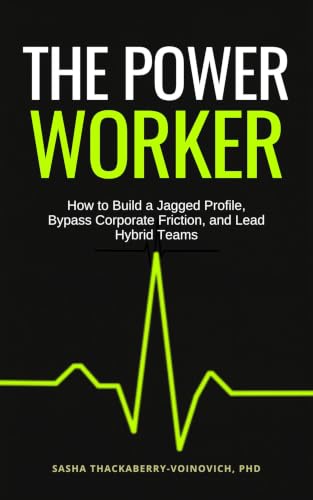
The entry of AI agents into corporate workflows does not invalidate these foundational skills; rather, it amplifies them. In her book The Power Worker, Dr. Sasha Thackaberry-Voinovich identifies the "Agent Boss" as the defining leadership role of the current technological era. This professional sits upstream of automated systems, establishing strategic intent—the "what"—before computational infrastructure determines execution methodologies—the "how."
Rather than lagging behind technological progress, project managers possess a natural aptitude for this role. Translating existing management methodologies into machine-readable parameters allows professionals to bridge the gap between human strategy and algorithmic execution.

Bridging Briefings and Prompts Through the RICE Methodology
A primary misconception surrounding AI integration is that effective leadership requires advanced software engineering or coding fluency. In practice, governing an AI-integrated workforce demands superior contextual direction. Principles governing effective machine prompts closely mirror the best practices used to brief human colleagues.
To standardize this process, experts have adapted the familiar acronym RICE—traditionally associated with prioritization frameworks—into a directive model focusing on contextual communication: Role, Instructions, Context (including Constraints), and Exemplars.
-
Role Definition: Assigning a specific persona to a contributor yields significantly sharper outcomes than generic requests. Instructing an agent or a junior employee to act as a "skeptical QA lead" rather than simply asking them to "review a document" fundamentally alters the thoroughness and perspective of the final deliverable.
-
Instructional Clarity: Vague directives invariably produce substandard deliverables, regardless of whether they are assigned to a human or a machine. Comprehensive instructions—such as compiling open tracker dependencies, flagging unassigned items due within ten days, and ranking them by schedule impact—replace wishful thinking with actionable execution.
-
Contextual Awareness: Delegation frequently fails due to missing operational background. Stakeholder anxieties, executive preferences, and historical supply chain bottlenecks shape project execution. Because neither AI agents nor new hires possess telepathic capabilities, project managers must supply comprehensive environmental awareness rather than isolated tasks.
-
Exemplar Provision: Demonstrating successful precedents remains an efficient method for aligning expectations. Distributing high-performing historical reports or established documentation formats communicates quality standards more effectively than extensive procedural manuals.

Data underscores the critical nature of this human oversight. Findings from recent workforce studies indicate that half of all surveyed employees view quality control of AI outputs as a vital human competency, while an overwhelming majority treat automated results as preliminary drafts rather than final solutions. This dynamic reinforces the strategic value of the project manager as a quality assurance authority across hybrid teams.
The Limits of Automation and the Endurance of Human Judgment
Despite significant advancements in artificial intelligence capabilities, fundamental aspects of enterprise leadership remain exclusively human. While automated systems can synthesize schedules, generate comprehensive reports, and flag risk registers, they lack domain expertise and emotional intelligence.
Domain knowledge enables experienced project managers to evaluate an algorithmically generated schedule and immediately identify structural flaws—such as underestimating permitting timelines based on regional regulatory history. While artificial intelligence provides operational volume and speed, human professionals supply contextual judgment.
Furthermore, algorithms cannot interpret complex workplace dynamics or interpersonal relations. Although software can detect subtle changes in email communication patterns from a stressed stakeholder, it cannot diagnose the root cause of professional anxiety or adapt interpersonal strategies during high-stakes negotiations. Diagnosing friction and guiding organizational culture remain strictly human domains.
Cultivating a Culture of Possibility
Corporate adoption of advanced technologies typically stalls not due to technological limitations, but because of cultural resistance and rigid language patterns within teams. When employees encounter new tools, institutional inertia frequently manifests as skepticism or perceived lack of bandwidth.
To counter this hesitation, leadership frameworks emphasize the adoption of a "Language of Possibility." By replacing limiting phrases with constructive inquiries regarding short-term implementation—such as determining achievable outcomes within compressed timeframes—organizations encourage iterative progress. Prioritizing functional prototypes that deliver immediate efficiency gains prevents perfectionism from delaying operational modernization.
Implementing Agent Leadership Practices
Industry specialists recommend a structured, incremental approach for project managers seeking to establish agent orchestration practices within their organizations:
- Audit recurring administrative workflows to identify tasks suitable for early automation.
- Apply the RICE methodology when commissioning both automated agents and human team members to standardize communication clarity.
- Retain strict oversight responsibilities, utilizing domain expertise to validate automated outputs.
- Cultivate adaptability across teams by focusing on iterative efficiency rather than immediate, flawless transformations.
Ultimately, the future of project management centers not on competition with computational infrastructure, but on strategic leadership. By mastering the orchestration of both human talent and digital agents, project managers secure their position as essential directors of modern enterprise execution.