Microsoft Project, despite its impressive adoption by over 35,000 companies globally, is increasingly facing scrutiny from project managers seeking more flexible, collaborative, and cost-effective solutions for 2026 and beyond. While historically a formidable tool for complex scheduling, its high costs, steep learning curve, and often limited real-time collaboration features are prompting a significant migration towards a new generation of project management platforms. This comprehensive review evaluates 19 leading alternatives, offering an informed guide to finding the optimal fit for diverse team requirements without the inherent complexities and trade-offs of Microsoft’s venerable offering.

The Evolving Landscape of Project Management Software and the Search for Alternatives

For decades, Microsoft Project stood as a formidable, often indispensable, tool in the project management arsenal. Its robust capabilities for detailed scheduling, resource allocation, and budget tracking made it a standard in industries requiring precise control over large-scale, intricate projects, particularly those adhering to traditional waterfall methodologies. However, the modern project environment has evolved dramatically. The proliferation of remote and hybrid work models, the ascendancy of agile methodologies, and the growing demand for intuitive, cloud-native platforms have exposed several limitations in MS Project that drive organizations to explore alternatives.
Key drivers for seeking alternatives include:
- High Costs and Licensing Complexity: Microsoft Project’s licensing fees can be substantial, particularly for larger teams or organizations requiring multiple installations and premium features. This cost barrier often excludes small to medium-sized businesses (SMBs) and startups, who seek more transparent and scalable pricing models.
- Steep Learning Curve and Usability: Microsoft Project is renowned for its powerful, yet intricate, interface. Mastering its full suite of features requires significant training and experience, leading to slower adoption rates and reduced productivity for new users. Many modern alternatives prioritize user-friendliness and intuitive design.
- Limited Real-time Collaboration: While newer versions have seen improvements, MS Project traditionally lacked robust, built-in real-time collaboration features, making it challenging for distributed teams to work together seamlessly on project plans and tasks. This often necessitates external communication tools, adding layers of complexity to workflows.
- Mac Incompatibility: A significant drawback for many, Microsoft Project does not have a native Mac version. This forces Mac users to resort to virtual machines, cloud-hosted solutions, or alternative software, hindering workflow efficiency in increasingly Mac-centric creative and tech industries.
- Demand for Cloud-Native Solutions: The shift towards cloud-based software-as-a-service (SaaS) models offers unparalleled accessibility, automatic updates, and easier integration with other cloud tools. MS Project’s desktop-first legacy, even with its cloud offerings, can still feel less agile and integrated than purpose-built cloud platforms.
- Agile and Hybrid Methodology Support: While efforts have been made to incorporate agile elements, MS Project’s core design remains rooted in waterfall project management. Teams embracing agile, Scrum, or hybrid approaches often find its structure less accommodating for iterative development, dynamic kanban boards, and rapid sprint planning.
When evaluating alternatives, our team focused on critical criteria essential for real-world project environments. These include a comprehensive feature set (Gantt charts, task management, resource allocation, real-time reporting, portfolio management), user-friendliness, robust collaboration capabilities, extensive integration potential with other business tools, scalability to grow with an organization, and overall cost-effectiveness. The best alternatives effectively balance power with accessibility, providing robust functionality without overwhelming users or straining budgets, preparing businesses for the project demands of 2026.

Leading Microsoft Project Alternatives for 2026: A Detailed Analysis
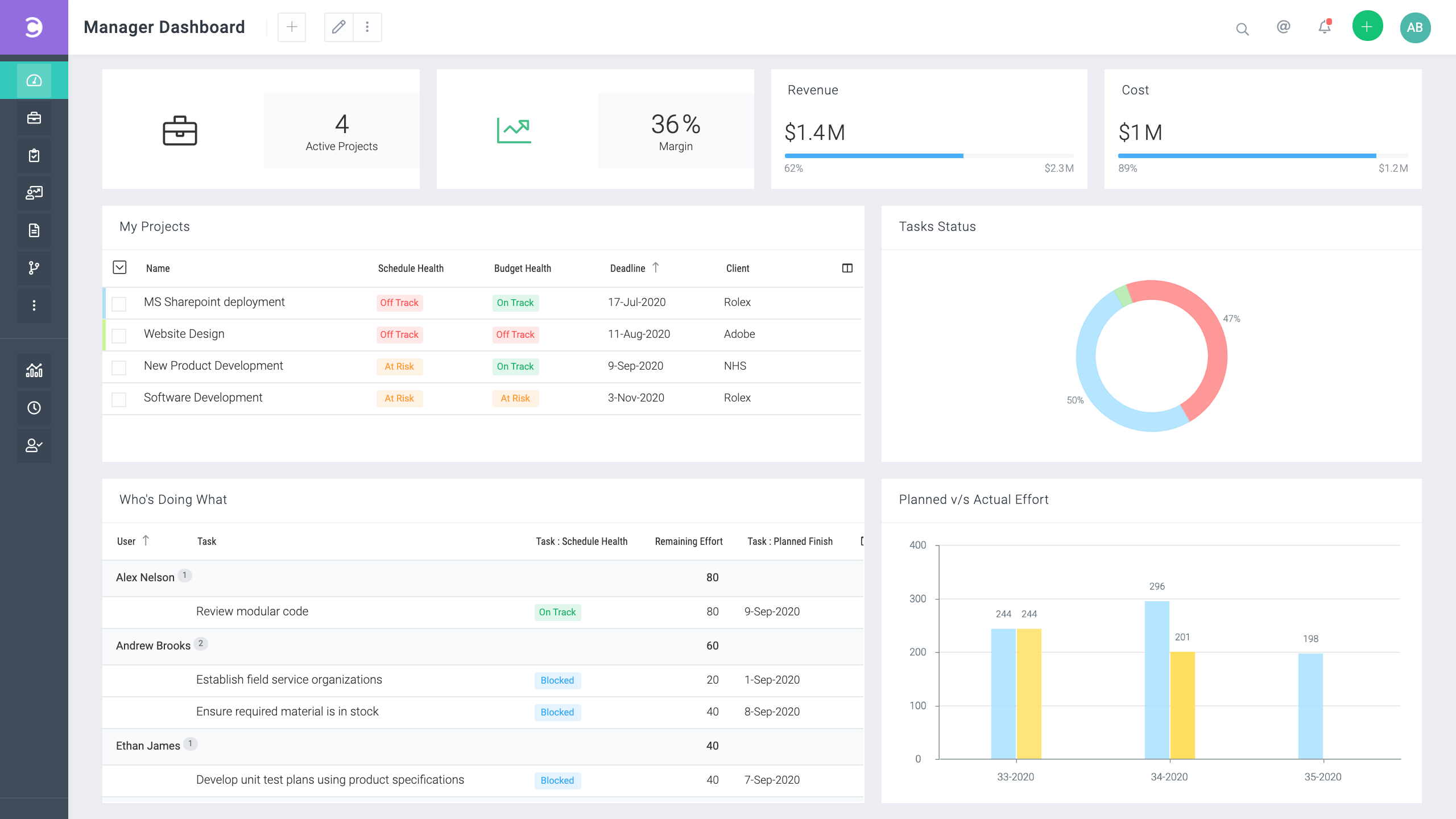
The market for project management software has diversified to meet a wide array of organizational needs. Here, we delve into 19 top alternatives, categorized by their primary strengths and ideal use cases.

1. Comprehensive Enterprise Solutions: Balancing Power and Modernity
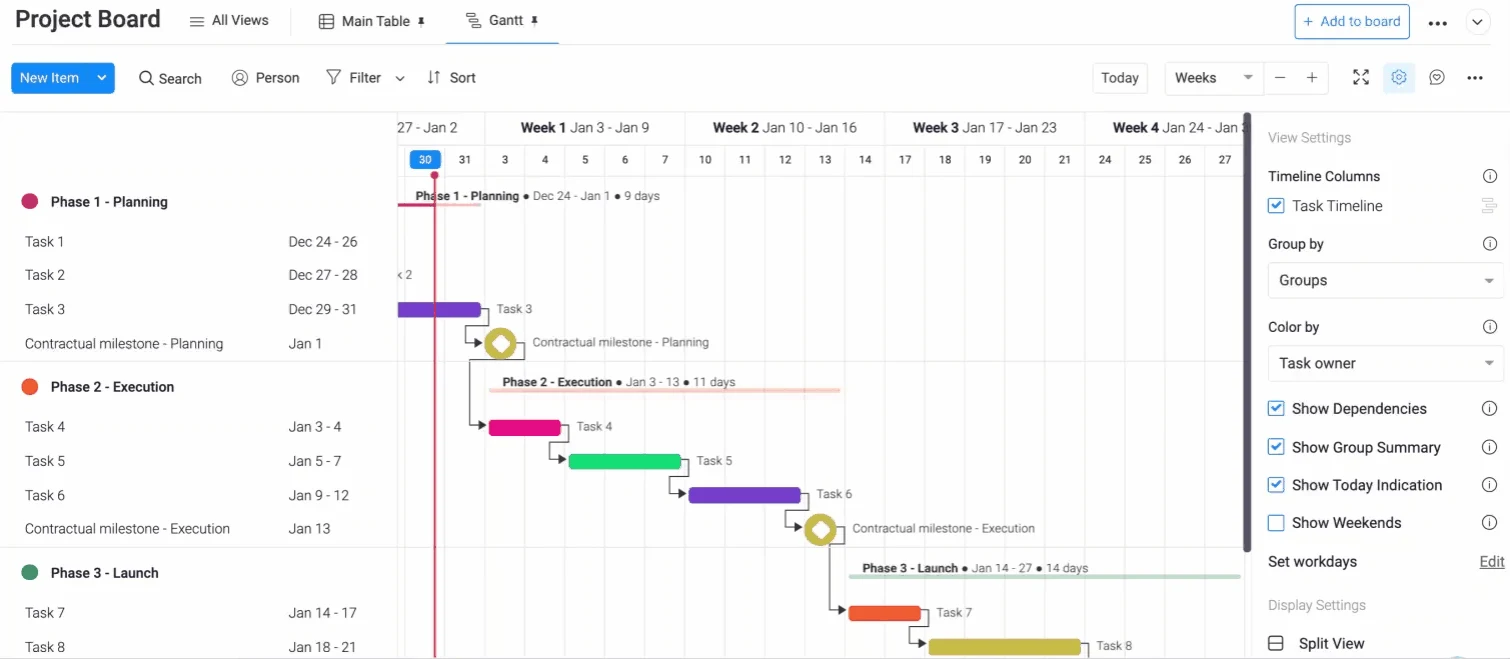
For organizations seeking a direct replacement for Microsoft Project’s depth, these tools offer extensive features, often with improved user experience and collaboration.
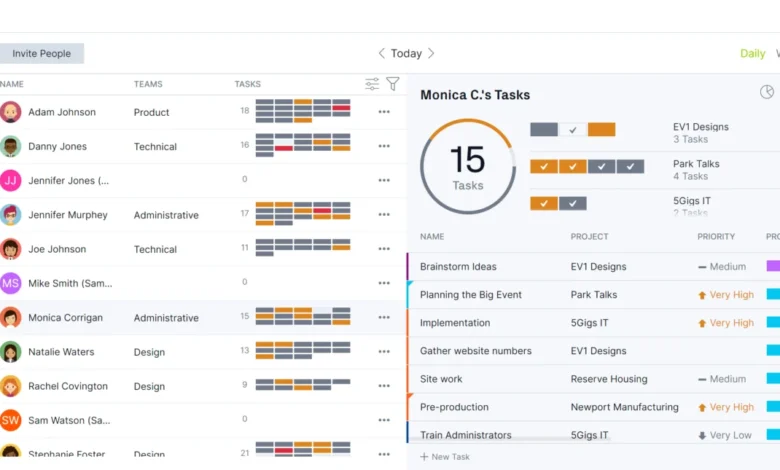
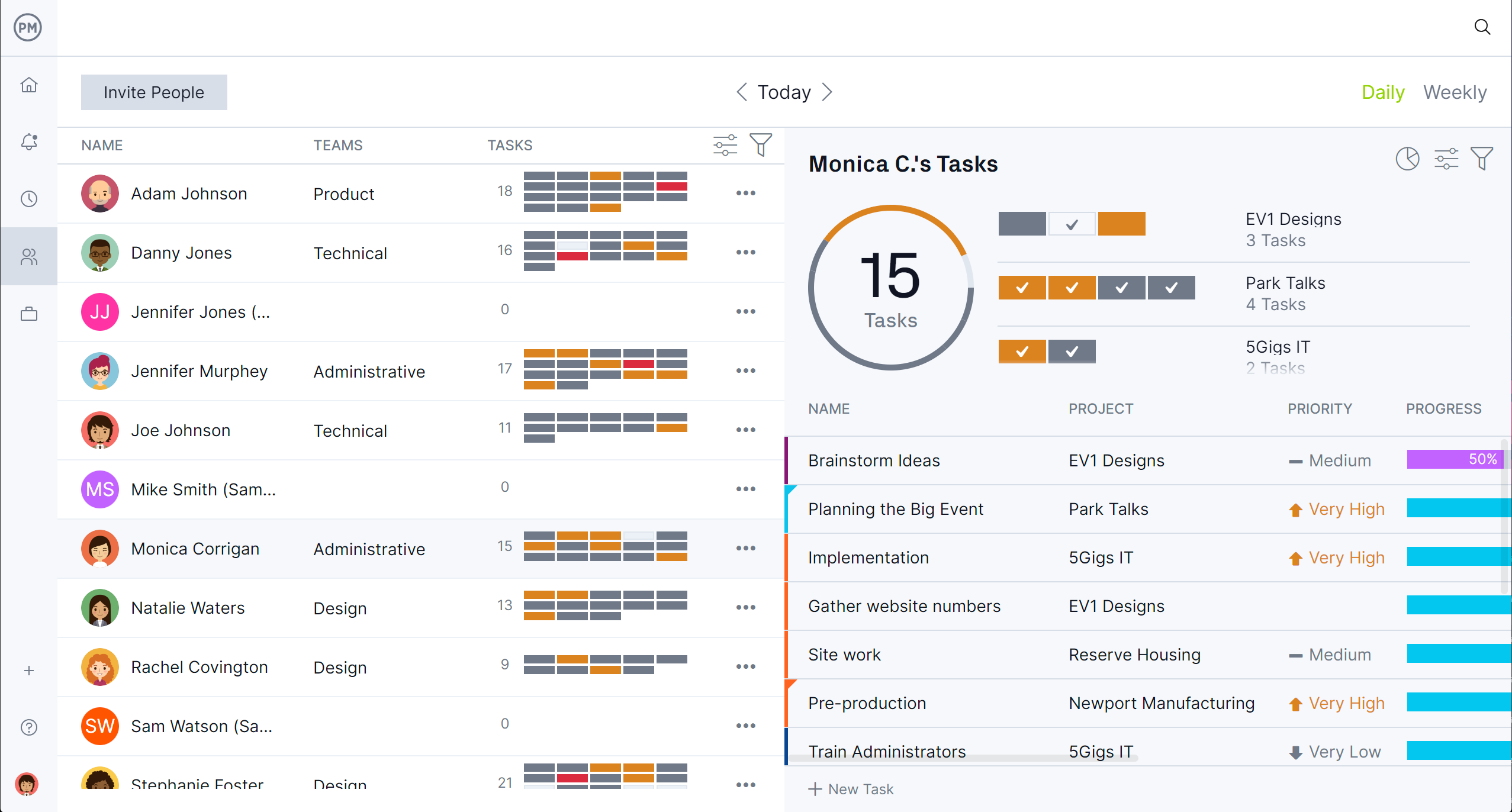
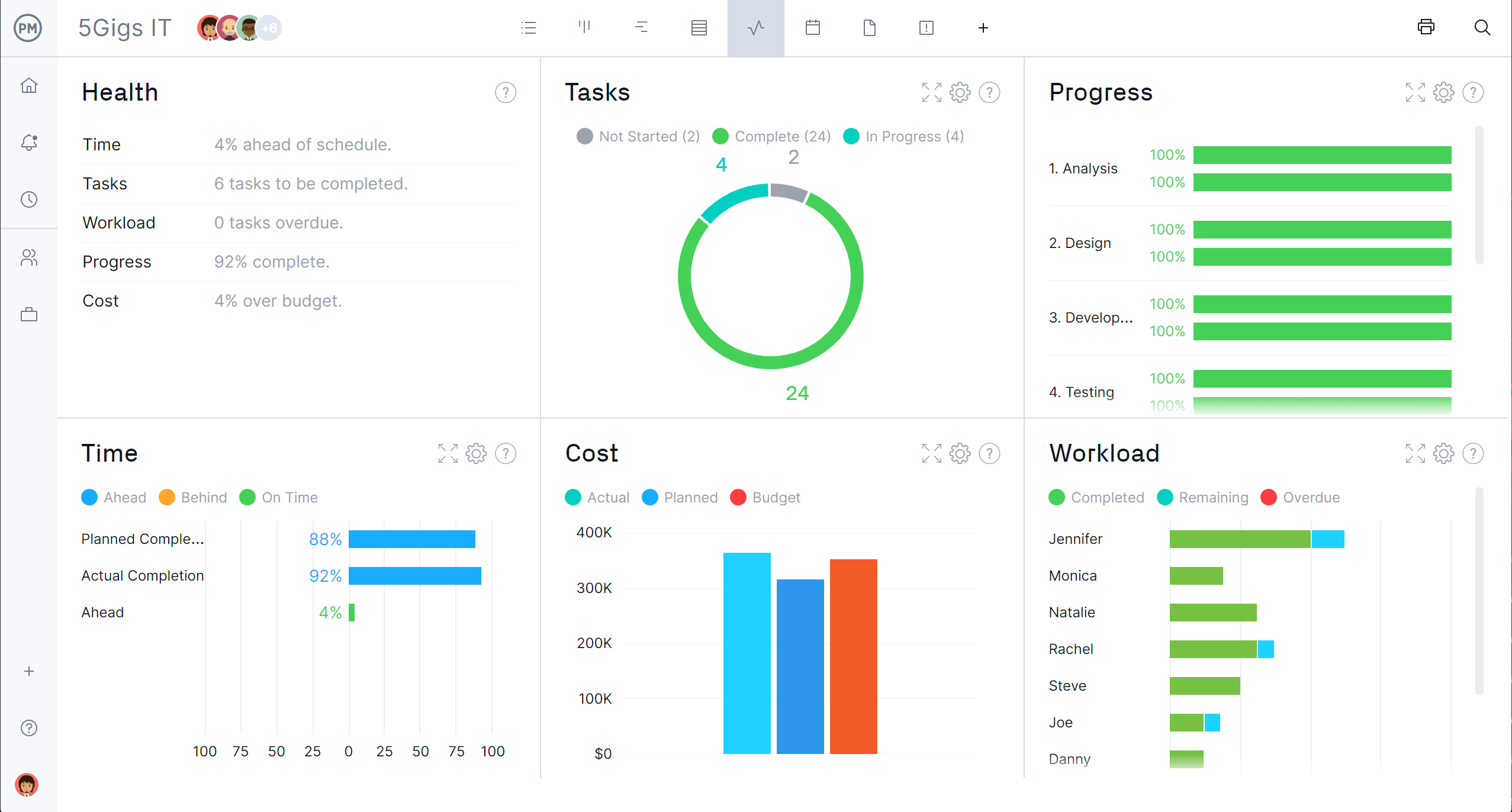
- ProjectManager: Topping our list, ProjectManager is an award-winning online project and portfolio management software engineered to provide a rich feature set at competitive pricing, alongside full Mac compatibility. Its strength lies in combining traditional project planning with real-time updates through live dashboards and powerful reporting. A key differentiator is its unmatched Gantt chart software, offering four types of dependencies (Finish-to-Start, Start-to-Start, Finish-to-Finish, Start-to-Finish), baseline tracking, real-time workload data, and critical path filtering—features often fragmented or absent in other tools. The platform further enhances flexibility with five interconnected project views (Gantt, kanban, task list, spreadsheet, and calendar
Related posts: